Alexis Late Reviews Paul Hetherington

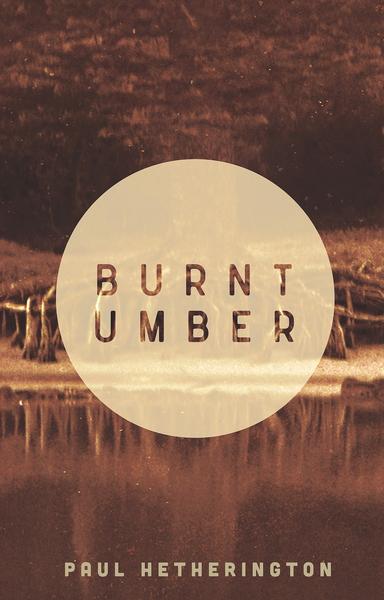
Burnt Umber by Paul Hetherington
UWA Press, 2016

Artistically, burnt umber is an earthy shade intensified by heat. It is a colour synonymous with this country – familiar to anyone who has trekked through Western Australia, from where Paul Hetherington originally hails. In this collection, it is also a metaphor for memory, which, through the heat of feelings in the present, attains an intensity that overwhelms the original events. Continue reading

Posted in BOOK REVIEWS | Tagged ,

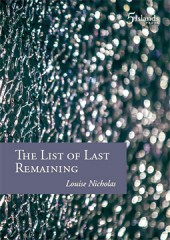
Lucy Dougan Reviews Louise Nicholas

The List of Last Remaining by Louise Nicholas
Five Islands Press, 2016

Louise Nicholas’s The List of Last Remaining very satisfyingly brings together a substantial body of her work. Its five, intelligently ordered sections each rise up to enact their shimmering, persuasive world and then fade out to make way for the next. As the author herself notes in the poem ‘Picture’, there is ‘something filmic’ afoot here. Continue reading

Posted in BOOK REVIEWS | Tagged

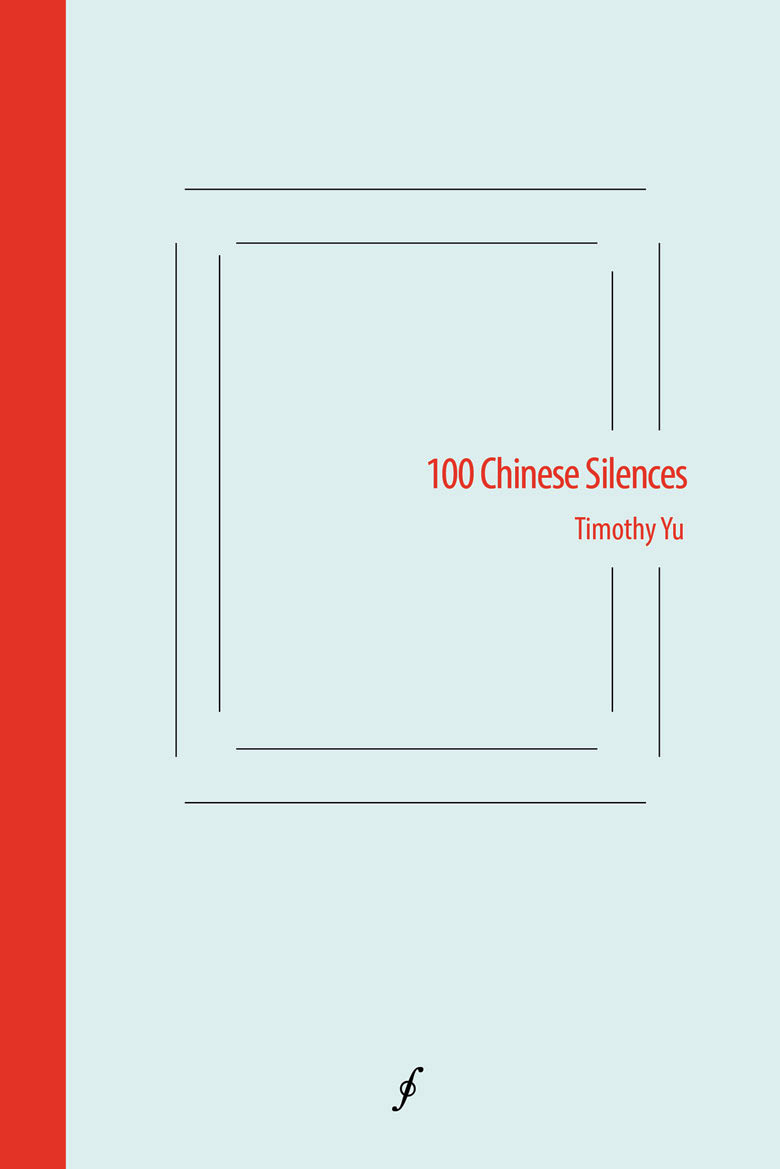
Review Short: Timothy Yu’s 100 Chinese Silences

100 Chinese Silences by Timothy Yu
Les Figues Press, 2016

Recently I watched a program on the resurgence of Pauline Hanson. In one scene Hanson stands in her old fish and chip shop in Ipswich, Queensland, a business she sold to a Vietnamese Australian lady named Mrs Thanh. Hanson boasts of her hard work, and takes over the frying. Hanson proceeds to advise Mrs Thanh on how to make potato scallops fluffier. Continue reading

Posted in BOOK REVIEWS | Tagged ,

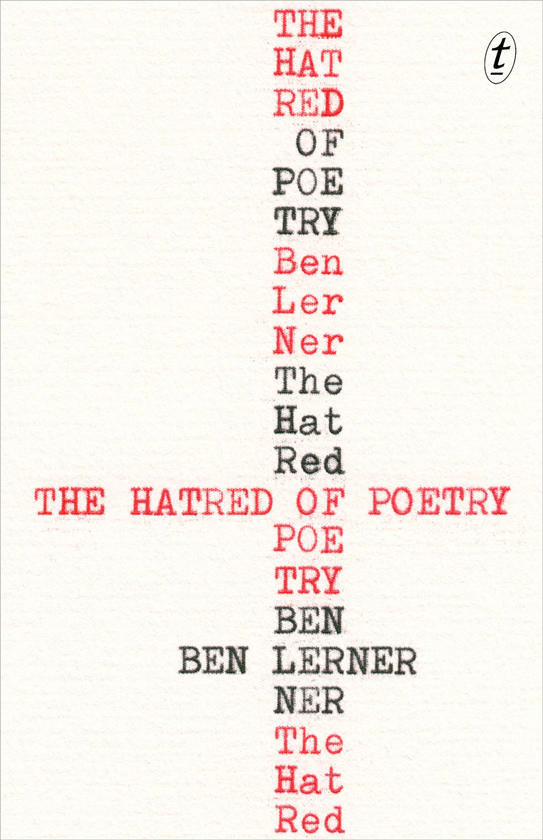
Bonny Cassidy Reviews The Hatred of Poetry

The Hatred of Poetry by Ben Lerner
Text Publishing, 2016

Reflecting Ben Lerner’s considerable reputation as a novelist and poet, this essay speaks in a voice both sure and self-deprecating. At this level it has already fulfilled a conventional definition of its genre – the effort of rhetoric to explore an idea or problem. The problem that Lerner considers – why is poetry a subject of hatred? – is hardly urgent, and he is quick to admit this. After all, the essay’s topic is an inverted defence of poetry, a tradition with a long history. The pleasures of this contribution, therefore, are Lerner’s unashamed and confident belief in poetic form, and the sympathetic truth to be found in his conclusions.

Continue reading

Posted in BOOK REVIEWS | Tagged , , ,

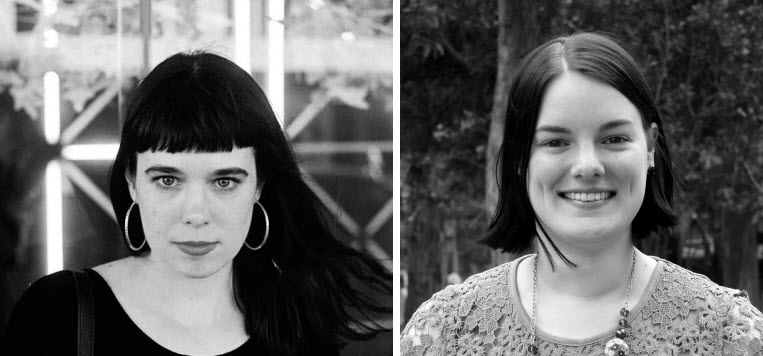
Rosalind McFarlane and Autumn Royal in as Commissioning Editor and Interviews Editor

Cordite Poetry Review has been down a few people since the departure of Corey Wakeling and Robert Wood last May, though they will be far from missing in future issues of the journal. But I am delighted to announce that Autumn Royal will step into a revamped Interviews Editor role, one with a specific focus on new writers and artists arcing (back and forth …) across the Australian and global scenes. Why have one Commissioning Editor when you can have two? To that, I am enthused to announce that Rosalind McFarlane will join the fold as the next.

Autumn is the author of the poetry collection She Woke & Rose, and has worked in the publishing industry for several years before commencing a PhD at Deakin University, where she has taught creative writing. Autumn’s poetry and criticism have appeared in publications such as Powder Keg, Rabbit Poetry, Southerly, Mascara Literary Review and TEXT Journal.

Rosalind recently completed her doctorate on depictions of water in Asian-Australian poetry and is currently working as the English Connect Program Coordinator at Monash University. She’s held an AGL Shaw State Library Fellowship, been co-editor-in-chief of academic journal Colloquy and creative writing journal Verge, been on the editorial teams for dotdotdash and Pelican, as well as working as a research assistant on special issues of Australian Humanities Review and Contemporary Women’s Writing. Her critical and creative work has been most recently published in Hunter’s Anthology of Contemporary Australian Feminist Poetry, Antipodes and Axon.

Posted in GUNCOTTON | Tagged ,

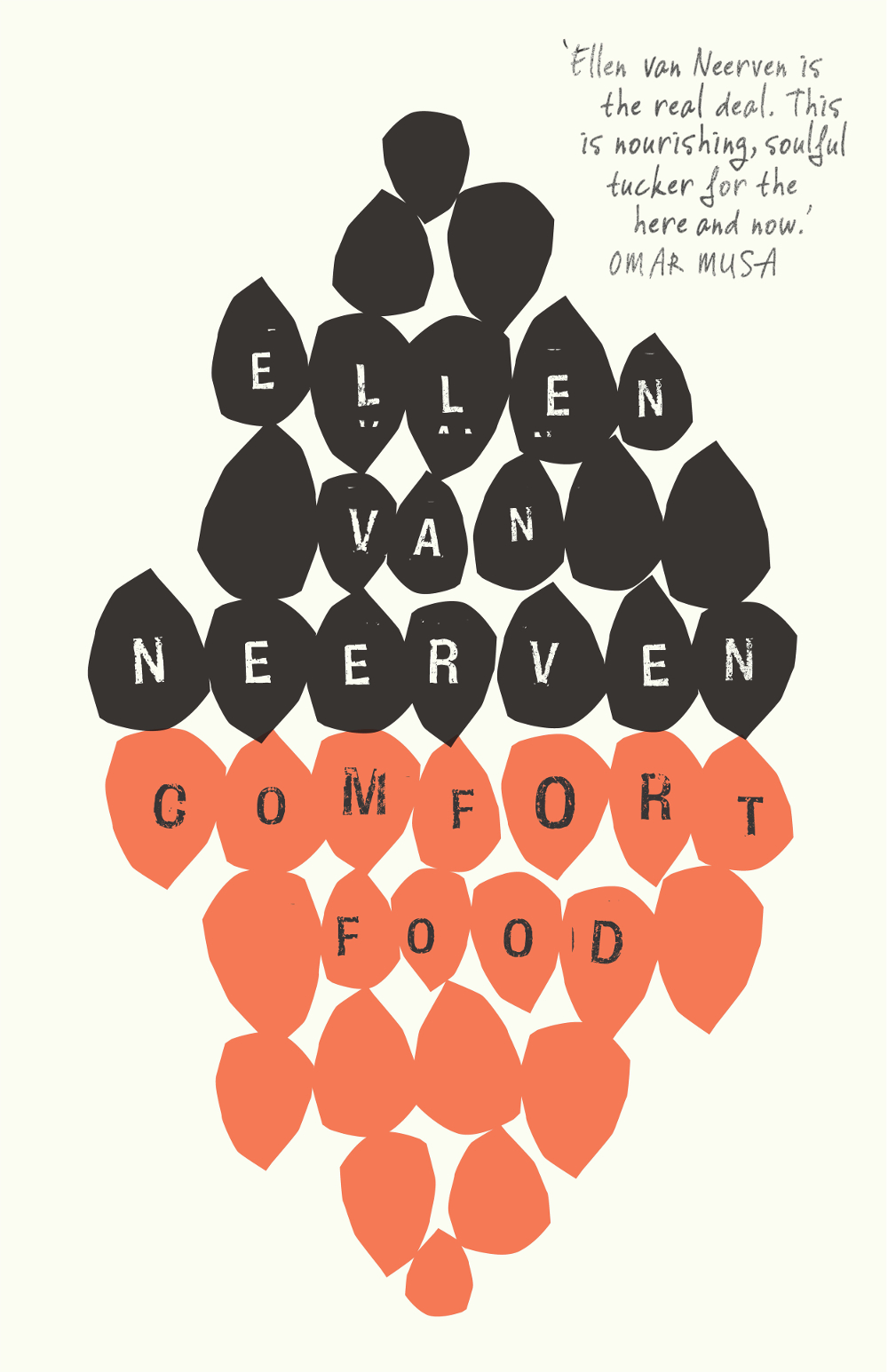
Caitlin Maling Reviews Ellen van Neerven

Comfort Food by Ellen van Neerven
UQP, 2016

Poems about food, such as those comprising Ellen van Neerven’s first collection Comfort Food, are often framed in terms of ideas of connection, community, and commonality. Van Neerven engages directly with these ideas, but emphasises their fault lines as much as their strengths. The poem I keep returning to appears early in the second of the book’s six loose sections. Continue reading

Posted in BOOK REVIEWS | Tagged ,

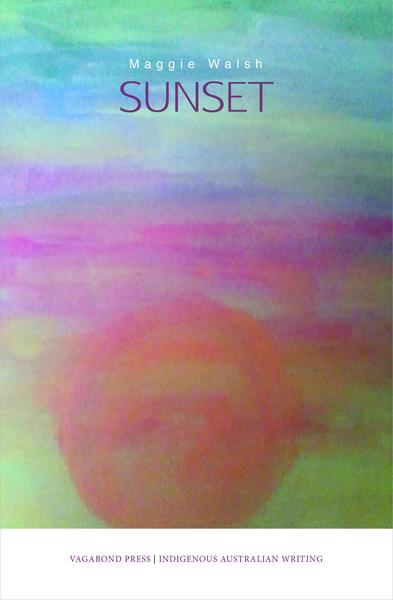
Phillip Hall Reviews Maggie Walsh

Sunset by Maggie Walsh
Vagabond Press, 2016

Maggie Walsh is a Bwcolgamon woman from the First Nations community of Palm Island, a tropical paradise located in the Great Barrier Reef only sixty-four kilometres northwest of Townsville. But this is a paradise with a troubled history since European settlement – with a lack of jobs and housing, and a tragic reputation for violence and disadvantage. In 1999, for example, the Guinness Book of Records named Palm Island as the most violent place on earth outside of a combat zone.

Continue reading

Posted in BOOK REVIEWS | Tagged ,

Phillip Hall Reviews Ink in Her Veins: The Troubled Life of Aileen Palmer by Sylvia Martin

Ink in Her Veins: The Troubled Life of Aileen Palmer by Sylvia Martin
UWA Publishing, 2016

This biography is another powerful testament to the tragedy of difference. Sylvia Martin writes of an idealistic creative pragmatist who was victimised for her gender disphoria and, while loved, never accepted. Aileen Palmer is yet another outspoken and independent woman hounded to the mental hospital and shock treatment.

Continue reading

Posted in BOOK REVIEWS | Tagged , ,

Submission to Cordite 57: CONFESSION

Confession

Poetry for Cordite 57: CONFESSION is guest-edited by Keri Glastonbury.

I must confess I’ve made a mess of what should be a small success
                                                     Courtney Barnett, ‘Pedestrian at Best’

Whether you’re more influenced by Delmore Schwartz’s ‘The Heavy Bear Who Goes with Me’ or Courtney Barnett’s ‘Nobody Really Cares if You Go to the Party’ I want to know your feels.

Is there a ‘new sincerity’ in contemporary Australian poetry? As Oscar Schwartz notes in ‘can I have your attention please? poetry in the age of social media’, literary critic A D Jameson refers to ‘a resurgence of interest in preciousness, sentiment and twee’ that we might now associate with post-internet poetics. And as critic Charles Whalley writes, ‘The central drama of post-internet poetry is that of disclosure, confession and self-creation’.

What of the traditional idea of confession – unburdening your sins to a priest – in the era of The Royal Commission into Institutional Responses to Child Sex Abuse and the Catholic church … particularly relevant to me in The Hunter? What of sharing in the era of Facebook? Any ‘emo’ poets out there reading Sylvia Plath’s Ariel or Anne Sexton’s To Bedlam and Part Way Back?

While the late twentieth century saw a reaction to the perceived solipsistic tendencies of the American confessional poets of the 1950s and 60s, the legacy of neither the New Formalists nor the Language poets has exempted the psyche or the self from poetry in the early twenty-first century.

Confession – it’s just another C-word.


Submit poems (visual and concrete welcome) or works of microfiction (500 words maximum). Read more about submitting to Cordite Poetry Review. Please note:

1. We will only read submissions sent during our official submission periods.

2. Cordite maintains a hybrid submissions policy. This means that the guest editor may invite five (5) Australian and five (5) overseas authors directly to submit to the issue. In addition, the guest-editor will anonymously select an additional 30-35 works from Australian authors and use their discretion to select further overseas works. For each issue, the guest editor does not know the identities of the online contributors (via Submittable) until after the final selections have been made.

3. Simultaneous submissions or previously published material will not be considered. This includes works published in print and web journals but does not apply to material first published on personal blogs.

4. Please place up to three (3) poems in one (1) Word, RTF or PDF document (unless specifically noted otherwise for special issues), with no identifying details in the document itself.

5. We are not able to offer feedback on individual poems.

6. Submissions will only be accepted via Submittable …

submit


Posted in GUNCOTTON | Tagged ,

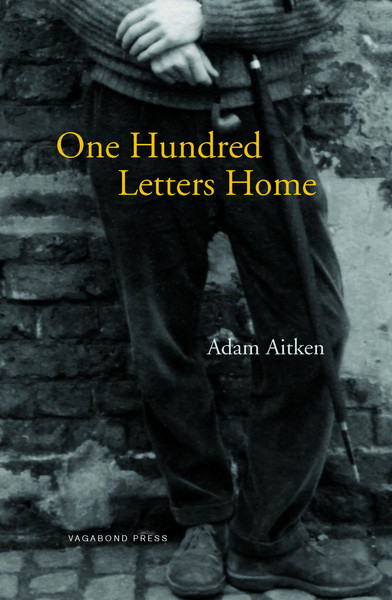
Review Short: Adam Aitken’s One Hundred Letters Home

One Hundred Letters Home by Adam Aitken
Vagabond Press, 2016

It has taken me more than a hundred days to read Adam Aitken’s One Hundred Letters Home. The book arrived in my letterbox in Sydney at the beginning of May. Autumn turned into winter, and the fragments of Aitken’s palimpsest-memoir started to unfold themselves to me.

Continue reading

Posted in BOOK REVIEWS | Tagged ,

Review Short: Barry Hill’s Grass Hut Work

Grass Hut Work by Barry Hill
Shearsman Books, 2015

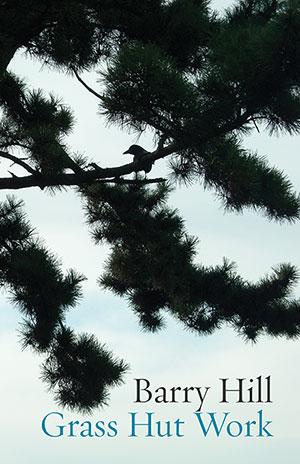
The poems in Grass Hut Work are a kind of coda to Barry Hill’s 2014 non-fiction epic Peacemongers, a book of self-discovery and intellectual journeying that took him to the heart of the East, to India and Japan.

Continue reading

Posted in BOOK REVIEWS | Tagged ,

Documentation: Molten Upset’s Poetry & Noise

Explode
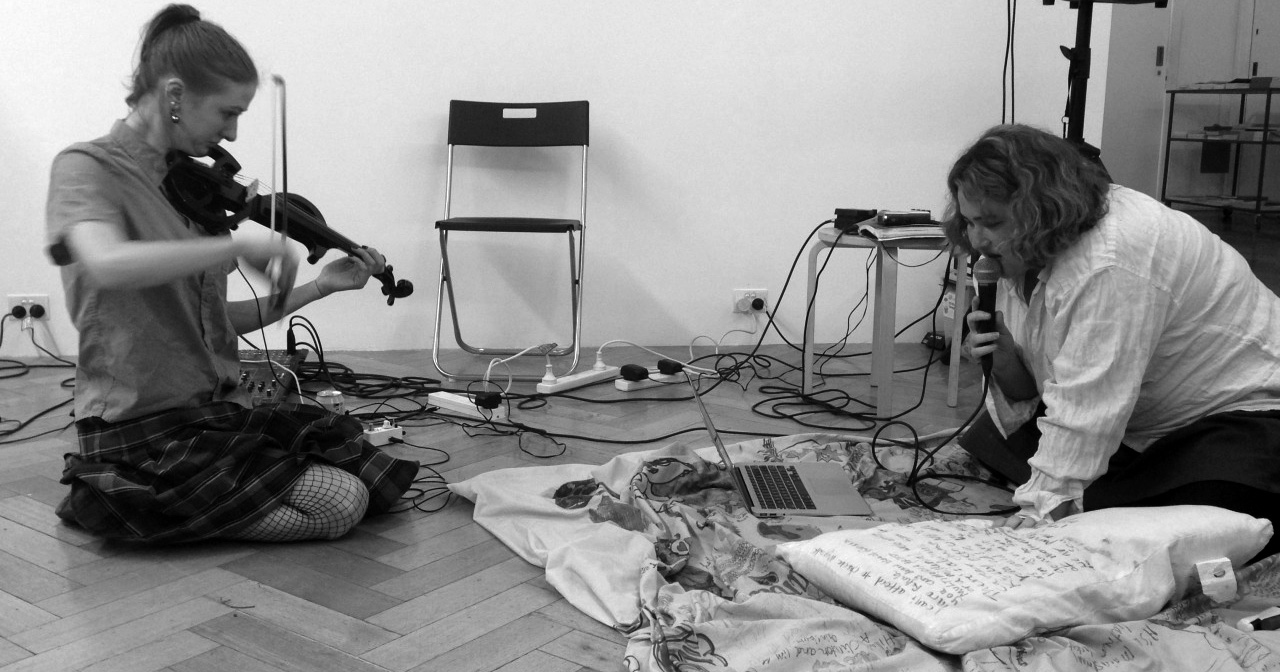
Hannah Earles reads from poems written on her bed sheets while Natasha Havir Smith plays electric violin.

Molten Upset is a collective name for us – Autumn Royal and Lisa Lerkenfeldt – and we were stimulated by a kind of silence to co-curate the candidly titled event: Poetry & Noise. The event was held at West Space on 30 June, 2016, and it was evening of sincere overcasts and contemporary performances intended to generate spaces for the intersections of poetry and noise. In order of performance the evening featured: Elena Gomez (audio work), Hana Earles and Natasha Rose Havir Smith, Aurelia Guo (performed by Anna Crews), Dawn Blood, Lisa Lerkenfeldt, Sophie Cassar, Autumn Royal, Spike Fuck, Katherine Botten, Papaphilia, Eleanor Weber (performed by Jessie Hall) and Natalie Harkin (performed by Tarneen Onus-Williams and Nayuka Gorrie).

When it comes to listening, an act that may arguably be synonymous with reading, we followed the philosophy of composer Pauline Oliveros: ‘Listen to everything all of the time and remind yourself when you are not listening.’ Like Oliveros, musicologist Susan McClary embraces a poetic approach when considering sound. While this method might seem intuitive to many, over the years it has been demanded that McClary ‘purge [her] prose of its images and metaphors’. It is this objection – and thankfully McClary’s dismissal of this demand – that highlights one of the many connections between sound – or noise music – and poetry.

The objections to McClary’s work evoke what Muriel Rukeyser writes in The Life of Poetry: ‘Anyone dealing with poetry and the love for poetry must deal, then, with the hatred of poetry.’ It is this loathing of poetry that Rukeyser explores which reminded us of the social rejection of emotions, specifically women’s emotions.

Whether it is about music – including noise – Oliveros, McClary and Rukeyser all refer to the importance of dedication, especially when it comes to non-heteronormative practices of these mediums. Such ‘sincerity’ prompted Molten Upset to place this concept at the forefront of our exploration and confrontation.

In continuing with the theme of ‘sincerity’, the poet Lisa Robertson concludes her essay ‘The Weather: A Report on Sincerity’ with the lines:

I need to be able to delude myself, for as long as it takes, as long as it takes to translate an emotion, a grievance, a politics, an intoxication, to a site, an outside. Sincerity says that identity is moral. I need it to be a tent, not a cave, a rhetoric, not a value. There’s also the fact that my sex is a problem within sincerity. I want to move on. I want a viable climate. I’ll make it in description.

Poetry & Noise hoped for artists to present their own descriptions, to make things up, to embrace the murkiness rather than rely on clarity for concealment. Fundamentally, we will never be pure because we are here and as Cherrie Moraga reminds us: ‘the passage is through, not over, not by, not around but through.’

Posted in ESSAYS | Tagged , , , ,

Translation of Jean-Baptiste Cabaud’s ‘The Shepherdesses Painted in Blue’

Jean-Baptiste Cabaud is a poet and writer who was born in 1970 in Savoy. He has lived in Lyons since 1993, working as a graphic designer for twelve years. From 2005 he has devoted his time to poetry, written, spoken, and illustrated. His first collection, Les Mécaniques, appeared in 2008 and his second, Fleurs, was published in 2014. He reads his work regularly in France and at international festivals and venues, conducts writing workshops for children and adults, and has been involved in many cross-discipline collaborations with musicians, dancers, graphic artists, photographers and cinematographers.

Darkness and thought invade the sky
And the cloud fields steal the gold of statues

The wind turns tempest and will not calm 
And it all quickens and it’s all cinema

A sand-covered bank a sweet fatigue
And to sleep an instant on closing your eyes

Here there is no nostalgia 
Half-blind windows look onto blank walls

Shepherdesses painted in blue will find their lovers
In the midst of the flock, at the foot of the swing

Too long a trip in an automobile
The radio broken my heart the replacement

There where sea charts indicate mountains
Carefree ships play at mountaineering

Needs must leave again space is so wide
To travel on further and time is so long

Then to bend the poets from their comet course 
And search out silence like a winter cloak

Shepherdesses painted in blue will find their lovers
In the midst of the flock, at the foot of the swing

This water is everywhere over frail earth
Ravaging healing and never ending    

But life teaches nothing and man is a dunce
a window spirit a heater body 

Three pennyworth of hope fifteen euros of hell
A moon ultra full on a bottle dead empty

This morning I bartered my soul of a giant
For the heart of a beggar an uncertain love

Shepherdesses painted in blue will find their lovers
In the midst of the flock, at the foot of the swing

Luminaries scintillate shifting invisible
As hooked on us as we on them

Then heroes march past in a glorious procession
But the sound of the trumpets is drowned in the void

And the swimming of sperm whales harmonious lovely
Hides mysteries from us which seem far too mundane

A fairy could certainly know of these questions
But fairies are earthly and have no replies

Shepherdesses painted in  blue will find their lovers
In the midst of the flock, at the foot of the swing

Rumbling assailing the great waves return
Searching out houses commanding the seasons

And the chessboard is set out at check and stalemate
But the two adversaries have not shaken hands

Soon I shall loiter behind on a bench
To wait for a meeting in the eerie light

A musing old man already resigned
A few grams of the past and a faraway glance

Shepherdesses painted in blue will find their lovers
In the midst of the flock, at the foot of the swing

The palm trees are simply stuck onto the sunset
the photo’s made child’s play of  imagination

We have cleaned out the breeches of our rifles
Kissed our wives goodbye and then left

Sailed over the ocean listened to sirens
And we have confused them with manatees

The mist is still lingering on today
Iridescing the light of strange aureolas 

Shepherdesses painted in blue will find their lovers
In the midst of the flock, at the foot of the swing

To love silence with all its charming vanity
Like a countryside crossed without choosing to stop

But to build ourselves strongholds of books and stones   
What damnable recklessness!  

The rain falls straight down onto straight blocks of flats
Man too is quite upright so much verticality

Chests swelling out are hazardous signs
Sigh-sacs of happiness and of ennui
Posted in 75: FUTURE MACHINES | Tagged ,

10 Works by Juan Ford


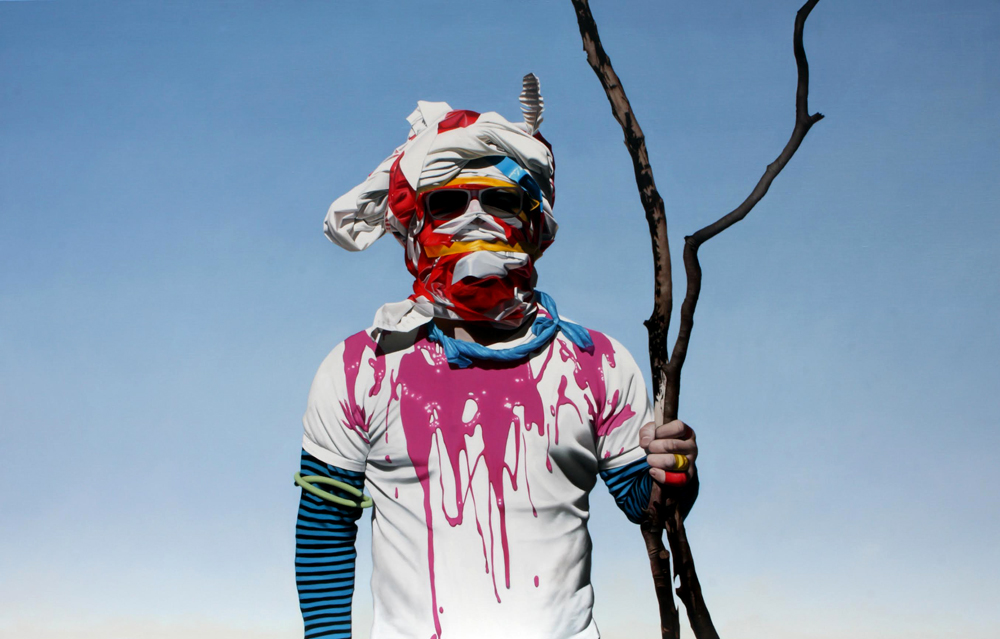
Juan Ford | The Reorientalist, 2013 | Oil on linen | 122 x 183 cm

Posted in ARTWORKS | Tagged

Written Land: A Lionel Fogarty Chapbook


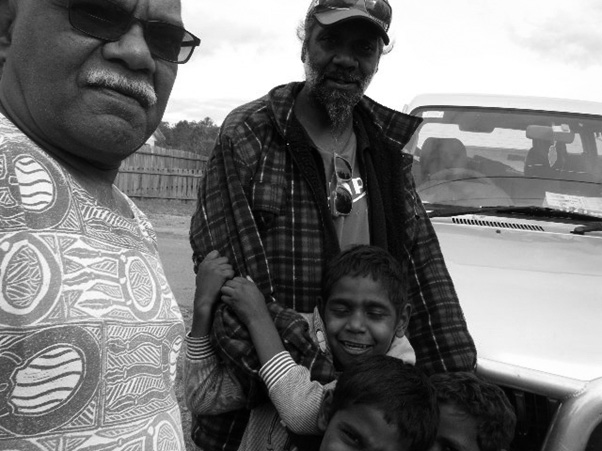
Image courtesy of Lionel Fogarty


For Martinican poet and theorist Édouard Glissant, forced poetics exists ‘where a need for expression confronts an inability to achieve expression.’1 Glissant further clarifies this when he argues that ‘a forced poetics is created from the awareness of the oppositions between a language that one uses and a form of expression that one needs.’2 For Lionel Fogarty, the divide between what is said and what goes unsaid, between Indigenous life and non-Indigenous assertions, exemplifies this pressure, poetically and politically. The tension which exists in this collection is a continuance of the struggle for self-determination and for justice which have typified Fogarty’s writing for the last thirty-five years. These poems represent the struggle for the right to be able to tell one’s own stories, as the poem ‘Fuck Off’ argues:

Deep down in the black anthropological mind
lives an historical process
you all here never will re-write.3

In that the language of this collection is seen to contravene the grammatical and syntactical constraints of English language usage, speaks to the ‘forced transculturation’ of non-Indigenous language and culture in the telling of Indigenous history. That same tension underlies many of the poems contained here, where corporate and / or government words ‘Reinforce white dominance’ with a ‘syntax blotched (by) greed.’ The division between rurality and rusticism is played upon in the heart-breaking poem of post-mining boom small towns ‘SEE SEA OVER DEWS IN CEDUNA’, just as the divide between Aboriginal reality and labour and the saleability of Aboriginality is fiercely critiqued within the collection. Continuing from ‘Digger lion’s goal’, the line ‘Revitalizing extraction’ unfolds into ‘Sacred histories severed on impacted reclamation’. ‘Revitalizing extraction’ levels accusations at (foreign owned?) corporations for the extraction economies of resources and culture; at once a boutique multicultural project (with their Indigenous employment targets and job incentives) the devastating ecological and ontological effects which Indigenous communities are often left to bear. That ‘Sacred histories’ are ‘severed’ and ‘dispossessed’ speaks of derivations of value and labour, and sets up a dialectic between surplus value and surplus lives. Everyday language, especially that used for corporate control of Indigenous Country, is represented as corrupt and corrupting. This is language which needs to be broken, to be disseminated and retooled. What Fogarty presents in this collection is a language which has been recalibrated, which reflects the linguistic corruption it is exposed to and which speaks with historical horizons far longer than any market projections.

Lionel Fogarty: No Cites like the Cites Hum In
Lionel Fogarty: Conquer Slaughter’s
Lionel Fogarty: Never Worked
Lionel Fogarty: See Sea Over Dews in Cenduna
Lionel Fogarty: Yo I Am the Man
Lionel Fogarty: Cops are poets on the looks sit hears cobs

Adding to the multifaceted attack on linguistic and cultural expression, is the status and functions of possessives within the collection. The challenge to definitions of ownership and the very constructs of personhood are contested within these agrammatical examples, ‘cities are built on times land.’ Here, time is given in identificatory language, as governing and possessive, but also as reflecting a plurality of temporal fields (mythopoeic, colonial and authorial times) and as possibly as establishing hierarchies of control and dominance, where ‘Homeland is earth’s lust’. The complications of personal identity and identifiers are as complex as antecedents we can trace to the Black Arts Movement.4 The criticism latent in a ‘Were are the many stars’ problematises historical categorisations of Indigenous Australians (‘were’) and doubly, or perhaps exponentially, problematises the relationship between those Aboriginal Australians being defined and their capacity for agency and decisive action given in the corruption of the verb ‘we’re’. In even this most subtle way – and Fogarty’s poems are not typified by their subtlety – the poems in this collection critique the concept that Indigenous lives are qualifiable, and stand against the impact of language in over-determining the confines and constructs of Indigenous life.

It is with this caustic approach that Fogarty contests the political future of reclamation, of sanctity and of self-determination. It is a position from where he determinedly stakes a claim on the stories that lie at the heart of the country.

Posted in CHAPBOOKS | Tagged ,

FUTURE MACHINES Editorial

The theme for this issue arose from a chance encounter with a flying machine and a Frenchman. The illustration above, by Jean-Marc Côté, is one of a series commissioned to be printed on cards for cigarette and cigar boxes at the 1900 World Exhibition in Paris: the task of the illustrator was to imagine what life might be like in the year 2000. In 2016, Côté’s images are hardly more than quaint curiosities, sepia-tinted windows onto the past. Science fiction, we are reminded, is itself somewhat of a retrograde genre and the central paradox it speaks is that the future is always already retro; it, too, is subject to the effects of age.

Several months after this first encounter, on a long-distance flight across the Pacific, I read about another Frenchman and his flying machine. In Wind, Sand and Stars, Antoine de Saint-Exupéry writes of the experience of being a pilot, thousands of feet in the air, delivering mail for Aéropostale and dreaming about the points of light below – each an island of human habitation in a dark wilderness, each an entire world, an enclosed capsule, yet yoked together precisely by the fact of a man in a plane delivering mail. Though we are a long way from Côté and Saint-Exupéry, we have perhaps not come so far: machines overwhelmingly remain, for the most part, tools and allies; helping to conquer distance, the weather, disease, tragedy; carrying signals and desires between points of light.

To think of future machines is to think about time, about the shifting and contested boundary between humans and machines, about the future as a collective hallucination – a region that perpetually recedes and advances like a mirage. The halls of science fiction are populated with novels and films, but these only take us only so far – as genres they are, by convention and more often than not, compelled to fill in the gaps between what we believe we know and what we imagine; they are bound by the need to make sense, to explain themselves. Poetry is a form that is eminently suited to leaving the gaps well alone, or allowing them to multiply: poems do not need to explain, or make (mechanical) sense to either their makers or readers; they follow neither the laws of cause and effect nor expectations of sequence. This is not to say that poetry is devoid of sense, only that it allows for the unaccounted and unforeseeable.

The title of Phillip K. Dick’s novel Do Androids Dream of Electric Sheep? asks us to consider the part that dreams play in the drama of being human. To dream is not only to imagine but also to desire, and to desire so intensely that we seek to turn the dreams of sleep into waking realities. One answer to the question of what, besides chemicals, besides electrical impulses, besides biology and evolution, makes us what we are, might very well reside in the space between the imaginable and the possible; a space that poets, and all artists, have traversed frequently and patiently over the course of centuries.

Another answer may be in the awareness and experience of loss and death. The heart, an organic engine, has a limited lifespan – it beats a certain number of times and then falls still. It is this inevitable loss, held in trust by the unique and perishable body, that seems to give human life its precariousness and its preciousness. Yet the problem of finitude is not ours alone: if we decompose and return to soil, then machines rust, crack, become scrap. Stars consume themselves or are consumed, galaxies collapse. In the very act of existing, of persisting through time, everything is wearing down, breaking down, day by day. Nothing is, in the end, eternal.

In the face of this knowledge, what can we do but persist? And how, today, can our persistence be separated from that of the machine? The future (and the present and the past) is filled with machines: counting machines, music machines, memory machines, war machines. They are not only parts of ourselves but also mirrors – if their successes are ours, their faults are, too. And if we fear what they might become, and the uses to which they might be put, it is because we know what we have been and are capable of. When we write of them, we are always also writing of us.

My intention with this issue of Cordite Poetry Review was to evoke, but not limit poets to, the realms of science fiction. The strength of this genre has always been in its emphasis on invention and imagination: I hoped for, and received, submissions that approached the theme obliquely. The poems here engage with fictional and real locales, some dialogue with the past, some treat with the language of code and others with language as code – for language is itself a machine and poets are particularly well placed to put it through its paces. In this issue are light thieves and ICU wards, crystal balls and mechanical hearts, ghosts, blazars, bodies in cars, retired terminators, white linen jumpsuits and factories in the sea. Collectively, they stand as a record of our dreams of future machines now – dreams that, at the moment of their dreaming, begin to decay.

Thanks to the poets for their arresting visions, and for being willing to move into what may have been unfamiliar territory. Thanks, too, to Kent MacCarter – a formidable poet himself – for his patience, good humour and support through the guest editing process, and his tireless work promoting Australian poetry over the years.

Posted in ESSAYS | Tagged

We Need to Talk about Caste: Roanna Gonsalves Interviews S Anand


Image courtesy of S Anand

It was a cool inner west Sydney evening in May 2015, alive with families out to dinner and bookshops open late. It was also one week after four Dalits were sexually abused, murdered, and their homes set on fire in Rajasthan, India, and three weeks before a Dalit girl in a village in Madhya Pradesh, India was beaten up because her shadow fell on an upper caste man. It was with the knowledge of such a bloodscape rooted in systemic oppression, with the privilege of being innoculated from it, with the increasing awareness of its noxious roots and consequences, I began a conversation with the Indian publisher and writer S. Anand. He is the founder-publisher at Navayana, and co-author of Bhimayana and Finding My Way.

Continue reading

Posted in INTERVIEWS | Tagged , , , , , , , , ,

Rilke, Cavafy, Hölderlin: Simeon Kronenberg Interviews Luke Fischer

Luke Fischer has been writing poetry since a relatively early age and has combined this deep engagement with ongoing academic studies in philosophy, along with an interest in music. His first collection of poetry Paths of Flight (Black Pepper, 2013) has been widely regarded as an outstanding debut and was commended in the FAW Anne Elder Award. In 2013, with his wife Dalia Nassar, Luke initiated the highly esteemed Poetry and Music Salon in North Bondi. The private salons have also led to public iterations, including: ‘Poetry and Music Salon: Do Poets Tell the Truth?’ at the 2014 Sydney Writers’ Festival and ‘Poetry and Music Salon: Poetry vs Prose’ at the 2015 Sydney Writers’ Festival.

Continue reading

Posted in INTERVIEWS | Tagged , , , , , , ,

Unbidden: Settler Poetry in the Presence of Indigenous Sovereignty

Please be warned that this essay contains descriptions of deceased Aboriginal persons. It is developed from a paper delivered at Active Aesthetics: Innovation and Aesthetics in Contemporary Australian Poetry and Poetics, hosted by University of California, Berkeley in April 2016. I thank the convenors for the opportunity to present these ideas; and the many poets and readers who offered responses to the writing, presentation and further development of the paper.

Influenced and shaped by some fifty years of Indigenous poetry in English, the last couple of decades of Australian settler poetry have advanced prolific attempts to ‘write (oneself) into the country’ (Van Teeseling 209): producing varied and sometimes radical poetries of regionality, topography, climate, and the histories, narratives and landmarks running through and over them. I contend that such contemporary work by settler poets presents a continuum – varyingly compelling attempts to write in the presence not only of Indigenous poetry, but also colonisation’s ongoing effects and of un-ceded Indigenous sovereignty.

Continue reading

Posted in ESSAYS | Tagged , , , , , , ,

3 Translated Péter Závada Poems


Image courtesy of Cool List Hungary 2012

Péter Závada (1982 —) is a poet and playwright born in Budapest. He holds degrees in English and Italian from ELTE University and a degree in Theatre Studies from the Károli Gáspár Protestant University. His plays have been performed in the Katona József, Belvárosi and Trafó theatres in Budapest. He has performed with rap and slam poetry group Akkezdet Phiai and is a member of the József Attila Circle Literary Association of Young Writers. His poetry has been published in the Hungarian literary journals Jelenkor, Élet és Irodalom and Műút. His first collection of poems, Ahol Megszakad, was published by Libri in 2012. His second collection, Mész, followed in 2015.

Translator’s note:

These three poems by Hungarian poet Péter Závada are taken from his second collection, Mész, published in 2015. The title itself is a play on words, as mész can mean either ‘limestone’ or ‘you are going.’ The significance of this duality becomes apparent in the emotional and symbolic power of the images evoked throughout the collection.

Both senses of the term mész have deep connections to the three poems presented here. The eponymous poem makes reference to a well-known Hungarian folk tale in which the central character – a stonemason named Kőműves Kelemen – finds that the castle he’s trying to build keeps falling down, and is forced to sacrifice his beloved wife and mix her remains into the mortar in order to make the castle stand. This is a reference familiar to almost any Hungarian reader, but clearly not obvious to the non-Hungarian. The second sense of the word mész evokes a sense of departure, perhaps even of abandonment, and is thus connected to the deep theme of loss represented in these poems. Závada lost his mother to clinical depression at a young age, and one gets the sense that these poems are an attempt to process that loss many years later. The title, then, represents both a sense of departure and a sense of loss, with the latter serving as a necessary impetus for the construction of a meaningful creative edifice.

These poems are more personal, if formally freer, than those of Závada’s first collection, published in 2012. They come close to the heart of the poet, possessing an honesty and a power that draws the reader close, while keeping us at arm’s length linguistically – one imagines that the poet, too, feels this distance. The economy and gorgeous precision of Závada’s language results in a raw, melancholy tone that I feel privileged to bring to an English-speaking audience for the first time.


But nothing

It is not grief, diffusing through me, 
but emptiness; and what the blind see
isn’t darkness, but nothing. 
But we can’t imagine nothing, 
and in fact even a vacuum 
is never completely empty. Just think:
for years they thought there was nothing 
around the moon but a vacuum 
yet it, too, has
a thin, rare atmosphere. The lighter atoms
are blown away by the solar wind 
but some of the heavier ones remain 
near the surface.
In dreams, I look for you in the bustling street
but it’s like searching the cosmos for signs of life. 
What if you’re one of those civilisations that 
destroy themselves before we even know they exist? 
But if we did meet, I would tell you 
what’s been on my mind:
that the night is nothing but the shadow that our planet casts on us
and that your memory, mother, is like
a thin atmosphere – 
just substantial enough to suffocate in.
Vákuum

Nem a gyász terjed szét bennem,
inkább üresség ez, mint ahogy
a vakok sem a sötétet látják,
hanem a semmit. A semmit persze
nem tudjuk elképzelni, az üresség-
értelemben vett vákuum voltaképp
nincsen. Gondolj csak bele, sokáig
azt hitték, légüres tér veszi körül,
pedig a Holdnak is van egy egészen
vékony és ritka légköre. A könnyebb
atomokat magával sodorja a napszél,
de néhány nehezebb a felszín
közelében marad. Álmomban megtalálni
téged az utca forgatagában: mintha
az univerzumban egy idegen élet
nyomait kutatnám. Félek, hogy olyan
vagy, mint egy civilizáció, ami azelőtt
elpusztítja magát, hogy hírt adhatna
létezéséről. Ha mégis találkoznánk,
elmondanám, ami egy ideje foglalkoztat:
hogy az éjszaka csak a bolygó ránk
vetülő árnyéka, hogy az emléked is,
mint a ritka légkör: még bőven
meg lehet fulladni benne.
Posted in TRANSLATIONS | Tagged ,

‘The birds of paradise sing without a needing a supple branch’: Joseph Brodsky and the Poetics of Exile

A poet versus empire

During his lifetime, Joseph Brodsky – political prisoner, exile, Nobel Prize winner – was virtually unknown in his native, Soviet-era Russia. Following the collapse of the Soviet Union, in the early 1990s Brodsky’s poetry became officially available to the public for the first time in the country, which had hitherto so furiously rejected him. By then already an established poet and essayist in the West, his quick (albeit posthumous) homecoming fame shortly followed, positioning Brodsky firmly in the minds of first-time Russian readers as a political martyr, poet-iconoclast and a major symbol of the Russian dissident literary world.

Continue reading

Posted in ESSAYS, SCHOLARLY | Tagged , , , ,

Translingualism, Home, Ambivalence: The Poet Dimitris Tsaloumas

Odi et amo. quare id faciam, fortasse requiris?
nescio, sed fieri sentio et excrucior.
Catullus

The death of Dimitris Tsaloumas (1921-2016) invites us to revisit and re-evaluate his poetry without the critical anxiety to place him within the historical taxonomies of Australian literature or the hermeneutical suspicion about its belonging. The task of situating his poetry will take time as the canon of Australian literature is still fluid and its main parameters are not yet finalised. Continue reading

Posted in ESSAYS, SCHOLARLY | Tagged , , , , , ,

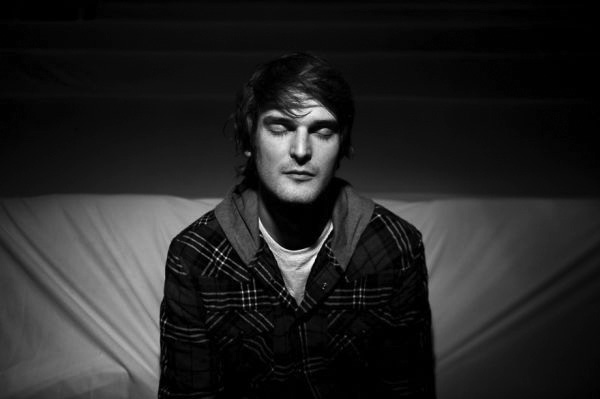
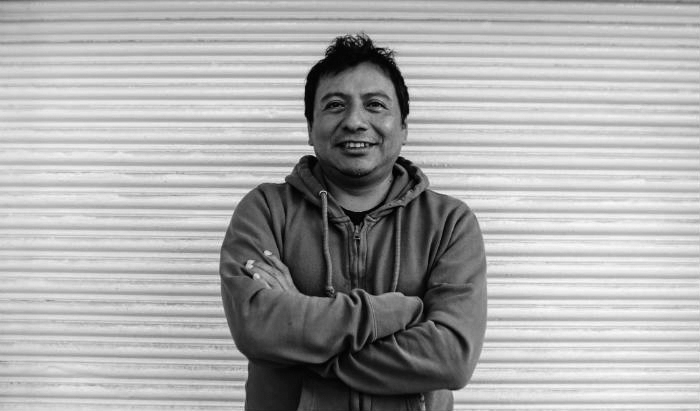
3 Translated Mardonio Carballo Poems


Image by Francisco Cañedo, courtesy of SinEmbargo

Mardonio Carballo (1974 —) is a Mexican poet, actor and journalist from Chicontepec, Veracruz. He writes in both Nahuatl and Spanish. His published works include Tlajpiajketl o la Canción del Maíz (2015), Las Horas Perdidas (2014), Las Plumas de la Serpiente (2013), Xolo (2012), Piloe, Canciones para Asustar (2012) and Xantolo (2010). In 2014 he curated the Festival Estruendo Multilingüe, an event underwritten by the National Autonomous University of Mexico (UNAM). He regularly collaborates with preeminent Mexican musicians, artists and journalists such as Eugenia León, Regina Orozco, Guita Shyftter, Jorge Fons, Salvador Aguirre and Carmen Aristegui.


HUITZ-THORN
				
Take a thorn and hold me
cut my neck once and for all
paint the house with my blood
cut off my legs
polish the floor with sea salt
open the windows and throw me out
only then will I leave
turned into a bird 
Icarus with palm-straw wings
look up at the sky
take a thorn and hold me …
HUITZTLIESPINA

Xijkui ze uitzli xnech najnaua
xi nech kechteki xi mo yolchicaua
xij pa mo chan ika no ezo
xij teki no mets
xtlachpana mo chan ika achi puyekatl
xij mo kajlapo xi nech kuatopeua
xij chiua pampa na nij nekis ni mo kuepas
ken ze piltotol
Icaro petlatltatatzin
xij tlachia kaajko
xijkui ze uitzli xi mo najnaua …
Posted in TRANSLATIONS | Tagged ,

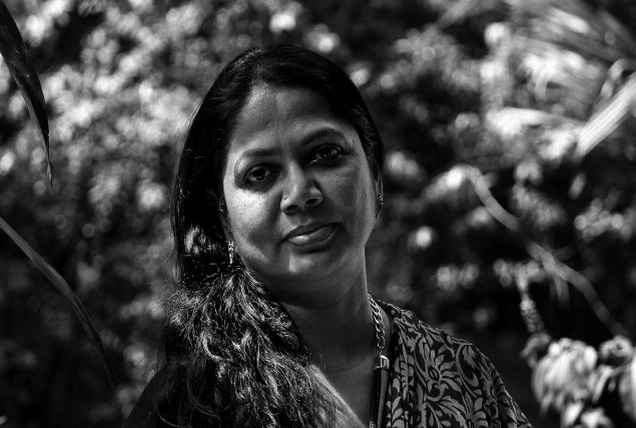
3 Translated Rajathi Salma Poems


Image courtesy of The Hindu

Rajathi Salma (1982 —) is one of Tamil’s most important contemporary poets. Overcoming orthodoxy, marital violence and imprisonment in her own home, Salma has become an international literary figure and spokesperson for women’s rights. Her work articulates the nuances of repressed desire and sexuality, as well as bringing life to the often invisible domestic space inhabited by many Indian women. With two volumes of poetry, one novel and a collection of short stories, Salma has made her mark as a distinctive Indian literary voice. The late Lakshmi Holmstrom’s English translation of her novel The Hour Past Midnight was shortlisted for the Crossword Book Prize and long-listed for the Man Asian Prize. As well as being a woman of letters, Salma is a committed public servant and activist, running an organization for the promotion of women’s rights and education in rural India. She is the subject of a multi-award winning documentary film, Salma, by British filmmaker Kim Longinotto, and is currently working on a new novel, Toilet, dealing with sanitation issues faced by rural women.

Translator’s note:

Salma’s language contains a primal boldness that she wishes the many worlds of the marginalised could possess. It is her courage of conviction and starkness of expression that make Salma one of the most influential Indian writers of our time. Her story has inspired women across the world, encouraging her sisters – modern-day Tamil women – to explore a new place of freedom and creative articulation.

As we see in the poem Perspective, Salma’s idiom often breaks with convention, offering a fresh view of everyday things and thus empowering the subject with a multi-dynamic awareness of herself as a presence rather than an absence. Profoundly influenced by the bleak circumstances of her early life, Evil and Tonight present us with the terror and tedium that often limit the possibility of beauty in romantic and sexual relationships. Salma’s poetic voice reveals several hidden worlds of violence and exploitation, beckoning the reader to partake in her dream of creating a world of equality and a future of joy.


Perspective

I stand upside down
and comb my hair.
I cook topsy-turvy,
and eat thus, too.
I squat inverted
to feed my child;
heels upward, 
I read my books.
Upside down,
I gaze at myself.

Terrified, stunned, and staring at me,
a bat,
hanging ripe on the tree in the garden.
கோணம்

--

நான் 
தலைகீழாகத் தலைவாரிக் கொண்டிருப்பதை 

தலைகீழாக  சமைப்பதை
தலைகீழாக  உணவருந்துவதை 
தலைகீழாக அமர்ந்து  குழைந்தைக்குப் 
பாலூட்டுவதை 

தலைக்கீழாக ப்  புத்தகம்  வாசிப்பதை 

தலைகீழாகவே நின்று 
தன்னை  உற்றுப்பார்ப்பதை 
அச்சத்துடன்  வியந்து  பார்த்தபடியிருக்கிறது 
தோட்டத்து  விருட்சத்தில்  
காய்த்துக்கிடக்கும் 
வௌவால்
Posted in TRANSLATIONS | Tagged ,