
TRANSLATIONS
3 A Hua translations by Xuelan Su
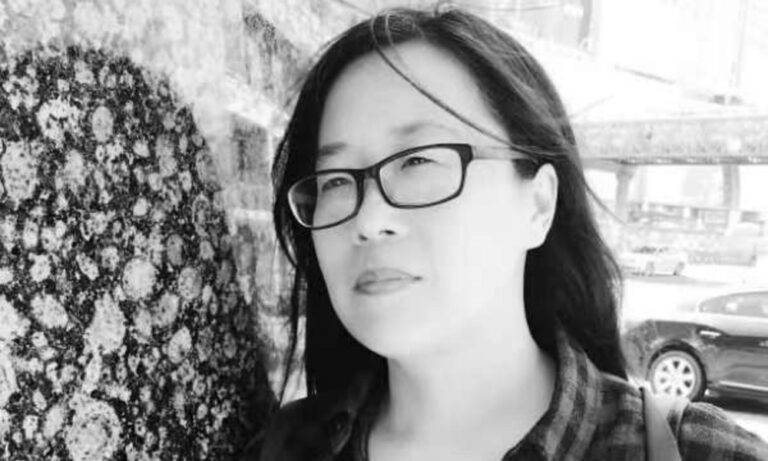
A Hua, born Wang Xiaohua, is from Weihai, Shandong province, northern China. Her poetry has appeared in journals such as The People’s Literature, Poetry Magazine, Mountain Flowers, Flying Apsaras and October, as well as in various poetry anthologies.
3 Lyudmyla Diadchenko translations by Padma Thornlyre
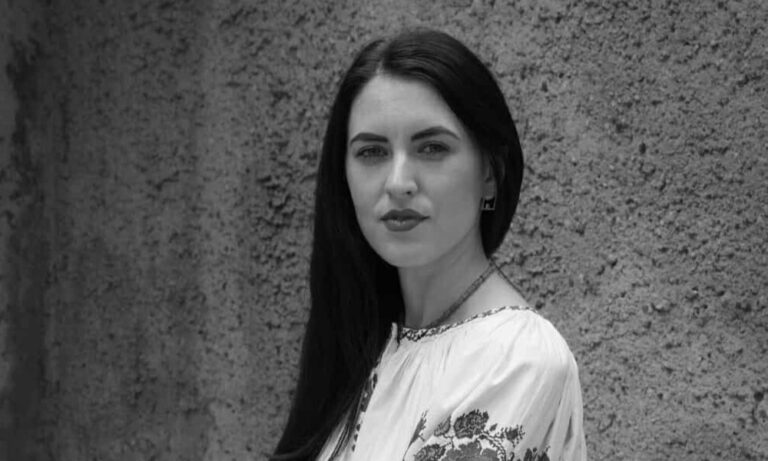
Lyudmyla Diadchenko is a Ukrainian poet. She earned her Ph.D. in Literary Theory from Taras Shevchenko University in Kyiv, Ukraine in 2016, and before the current war served as Vice President of the Ukrainian Writers Association. She has published three books in her native language and country, all of which received high honours: Kedem (2021), A Hen for the Turkish Man (2017), and Fee for Access (2011). Her books have been translated into Greek, Romanian, Italian, and English, including Magnetic Storms (No Reply Press, 2023). In 2023, she was awarded the International Ceppo Award for Peace and Poetry (Italy).
3 Stella N’Djoku translations by Julia Pelosi-Thorpe
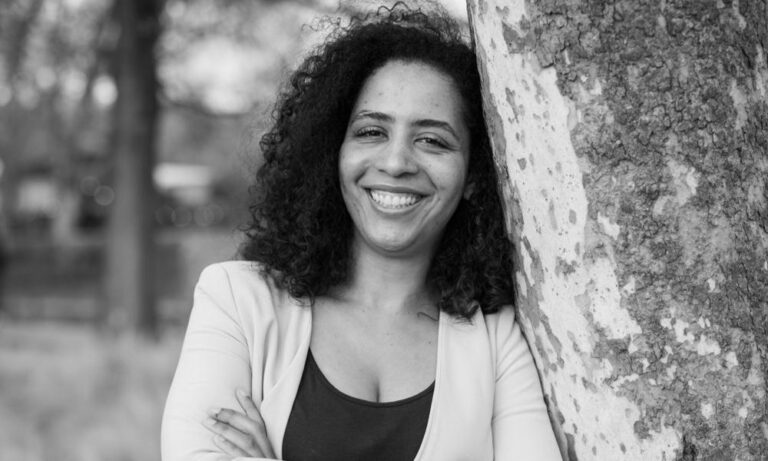
Stella N’Djoku is a Swiss poet, scholar, and author of Italian-Congolese origins. Her writing is born from the intersection of philosophy, identity, memory, and inner exploration. She published the collection Il tempo di una cometa (Ensemble, 2019), and her texts appear in numerous national and international anthologies and journals, with translations into English, French, German, Spanish, and Portuguese. She holds a degree in Philosophy, with specialisations in Medical Humanities and Sciences, Philosophy, and Theology of Religions. She works in academia and culture, including public service broadcasting and critical spaces. In 2025, she co-authored Controverse. Scrivere in diaspora, poetiche del divenire (Capovolte), a collective volume edited by Ubah Cristina Ali Farah and Livia Apa.
3 Self-translations by Mariam Al-Khatib
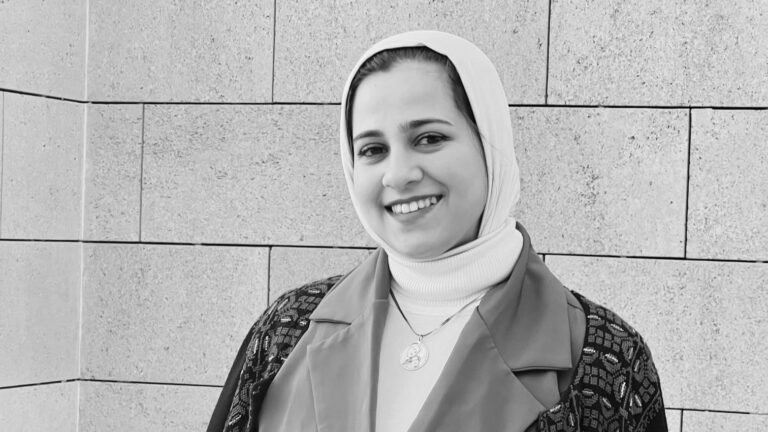
Mariam Al-Khatib is a Palestinian writer, poet, and dental student currently based in Egypt. A survivor of genocide and displacement, she uses literature as a form of resistance and a vessel for memory. Her work has appeared in We Are Not Numbers, Avery Review, This Week in Palestine, and Palestine Deep Dive. She has represented Palestinian youth at a conference in Japan and contributed to a collective short story sequence published in a collaborative book launched at the Cairo International Book Fair. She is the author of the zine The City’s Memory (Coastal Lines Press, 2025), an archival meditation on the city, illustrated by Billie Ruffian.
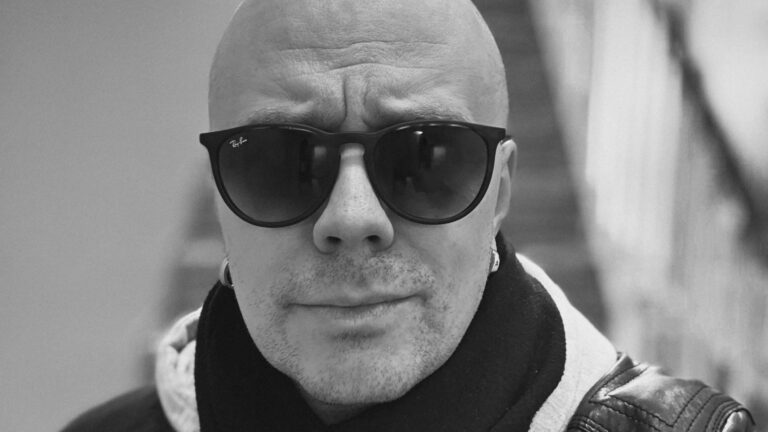
3 Teemu Helle translations by Niina Pollari
Teemu Helle is the author of seven collections of poetry in Finland; work in translation can be found in The Los Angeles Review, Modern Poetry in Translation, Eunoia Review, Solstice Literary Magazine, Voice & Verse Poetry Magazine, Anthropocene Poetry Journal, mercury firs, EuropeNow, periodicities, and Vittles.
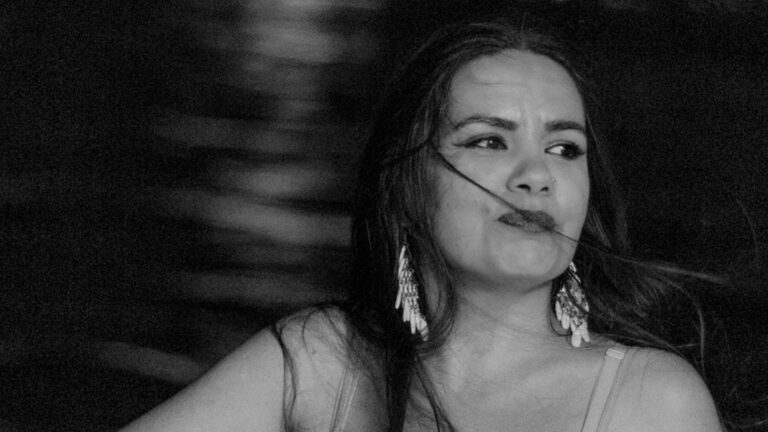
3 Neslihan Yalman translations by Mete Özel and Jeffrey Kahrs
Neslihan Yalman was born in 1982 in Ankara. She graduated in fine arts, dramatic writing and performing arts from Dokuz Eylül University, and completed her master’s degree at Gazi University in the department of Turkish Folklore.
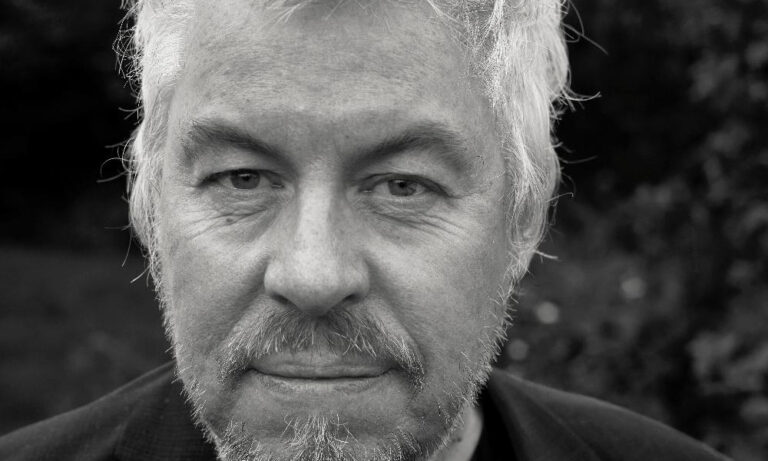
4 Rune Christiansen translations by Jason Gordy Walker
Rune Christiansen (b. 1963) is a Norwegian author. He has written eleven critically acclaimed novels and several volumes of poetry since he made his literary debut in 1986 with Where the Train Leaves the Sea. In 1996, he was awarded the Halldis Moren Vesaas Prize.
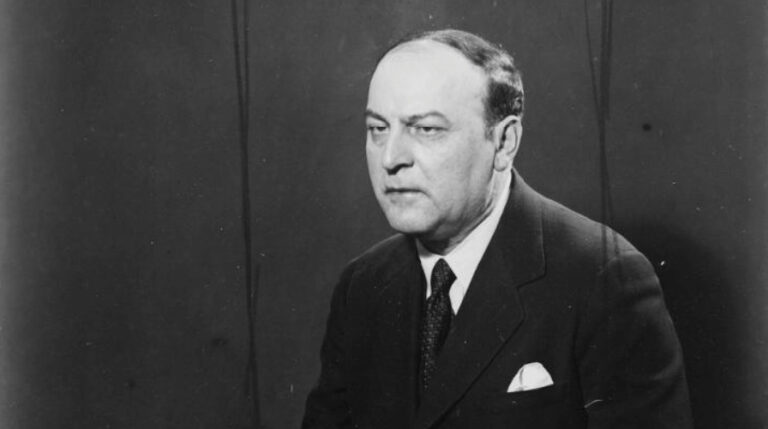
1 Léon-Paul Fargue translation by Chris Holdaway
Léon-Paul Fargue (1876–1947) was a French poet and essayist known for his fervent observations of Parisian life. He was deeply involved in Parisian artistic circles as an attendant of Mallarmé’s ‘Tuesday’ meetings, as a member of Les Apaches alongside Maurice Ravel, and a close associate of Paul Valéry with whom he founded the review Commerce: cahiers trimestriels in 1924.
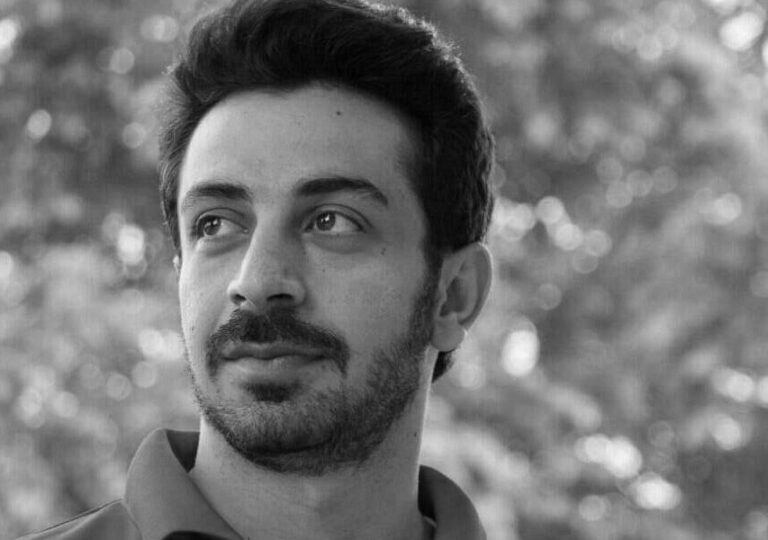
3 Mohsen Hosseinkhani translations by Tahereh Forsat Safai
Mohsen Hosseinkhani was born in Iran in 1988. He began reciting poems professionally in cultural institutes in 2007.
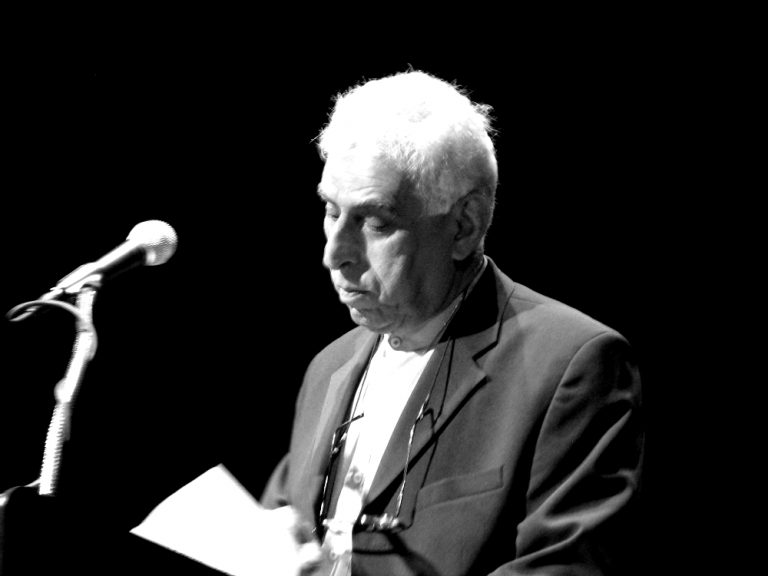
3 Saadi Youssef Translations by Khaled Mattawa
Saadi Youssef (1934-2021) is considered one of the most important contemporary poets in the Arab world.
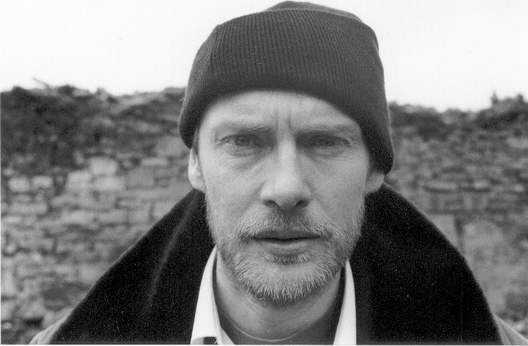
3 Christophe Tarkos Translations by Marty Hiatt
Christophe Tarkos (1963–2004) was born near Marseille and trained as a social science teacher before devoting himself to poetry in the early 1990s. His work placed the spoken word at the centre of poetry and he became well-known through his many powerful (semi-)improvised poetic performances, which would often be extensively re-worked in written form.
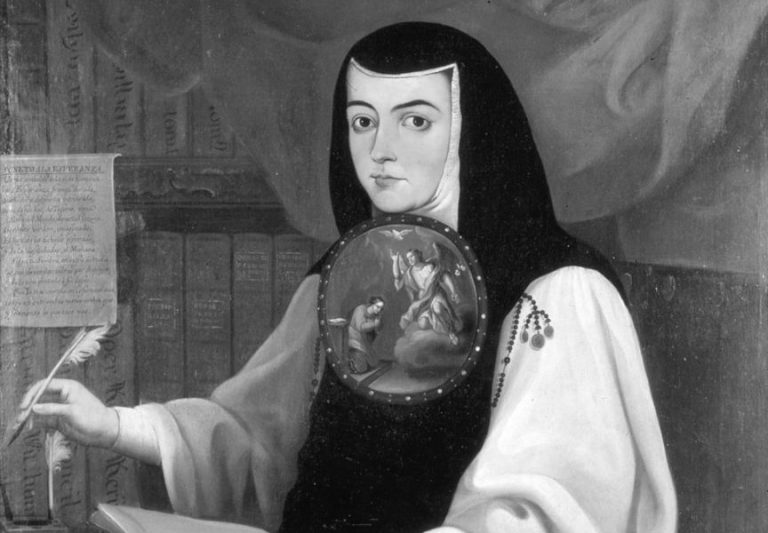
2 Sor Juana Inés de la Cruz Translations by Stuart Cooke
Sor Juana Inés de la Cruz (1648-1695) was born in a Mexican village as Juana Inés de Asbaje y Ramírez. Bookish and precocious, she was taken to the viceroy’s court in Mexico City when she was still young; there she learned Latin and soon impressed scholars with her erudition. In 1669 she entered a Hieronymite convent—primarily, it seems, to avoid marriage and to be free to pursue her studies—and changed her name to Sor Juana Inés de la Cruz.
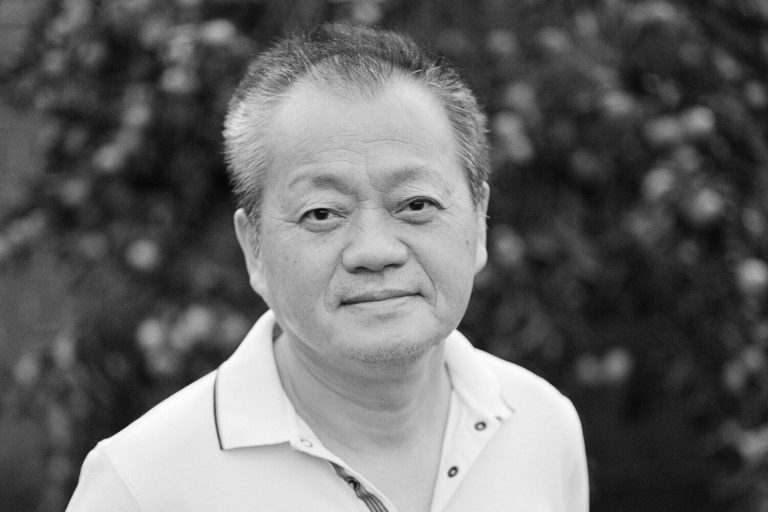
3 Self-Translations by Ouyang Yu
Characteristics of a Ceramic Artist Clay. A large chunk of it. You have to cut it with a thread. When you put it on, the wheel will keep turning underneath it. Whatever shapes of utensils you make, you have to …
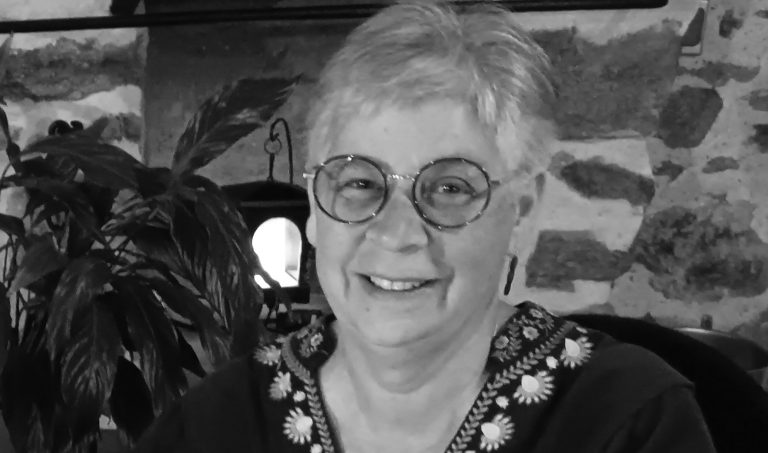
3 Hélène Hérault Translations by Liza Tripp
Clotilde She’s put on her flowered dress Seated alone, centre of the room, she hums Expecting nothing, nobody. Time’s contours have grown hazy Unless he was the one to abandon her? Yet just before, he left her flowers on a …
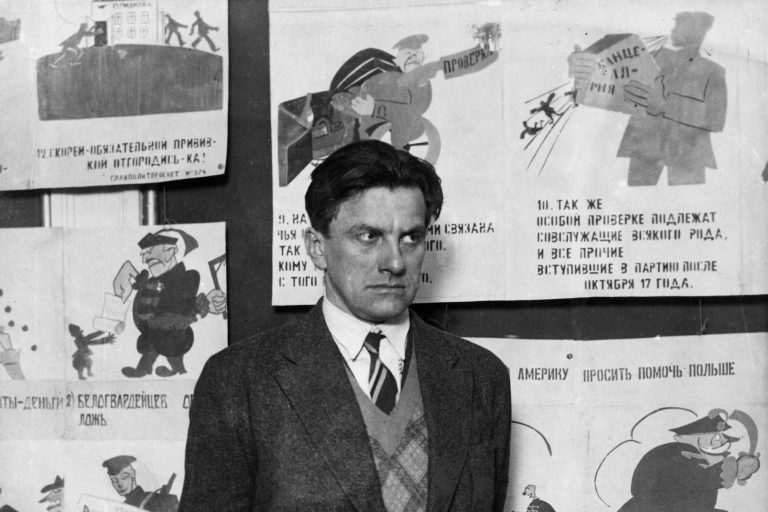
2 Vladimir Mayakovsky Translations by Paul Magee
Note The translation “the extraordinary thing that happened to vladimir mayakovsky one summer in a dacha” appears in the collection Later Unearthed, published by Puncher and Wattmann in 2025. the extraordinary thing that happened to vladimir mayakovsky one summer in …
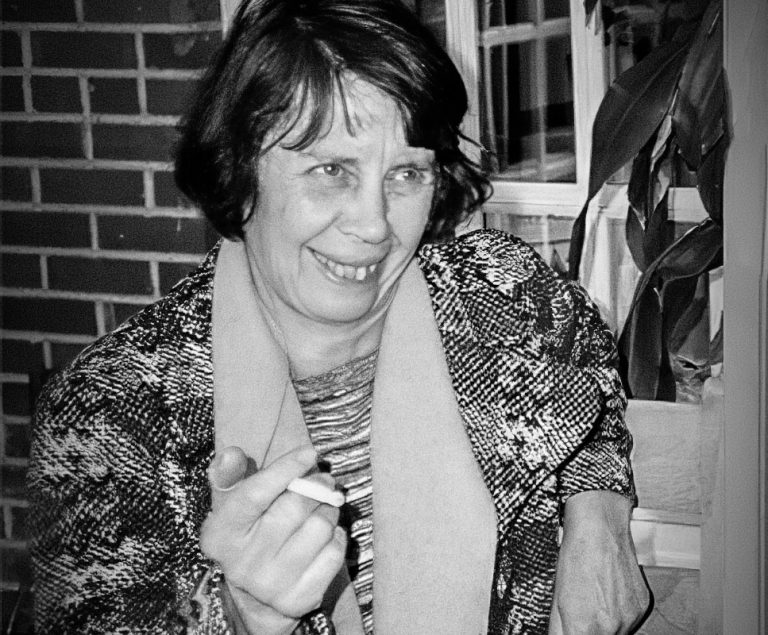
3 Amelia Rosselli Translations by Roberta Antognini and Deborah Woodard
Courtesy of Casa Italiana Zerilli-Marimò, New York, NY. Note These translations appear in the collection Document, published by World Poetry Press in April 2025. They are reproduced here with the publisher’s permission. I Flanking the empty tree the ants’ tents …
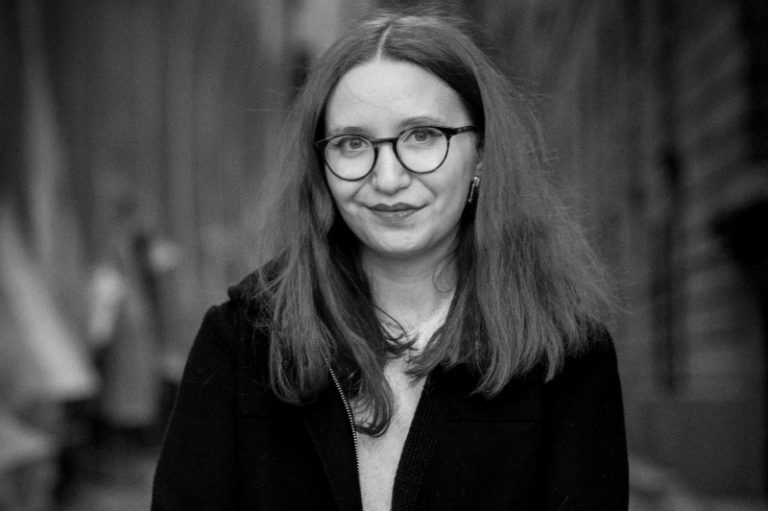
3 Ioana Vintilă Translations by Clara Burghelea
Photo by Cato Lein the origami bunker there is no difference between us and the exhausted drudges who no longer believe in anything they spoke to us of paradise with a peasant’s certainty that something might come of what they …
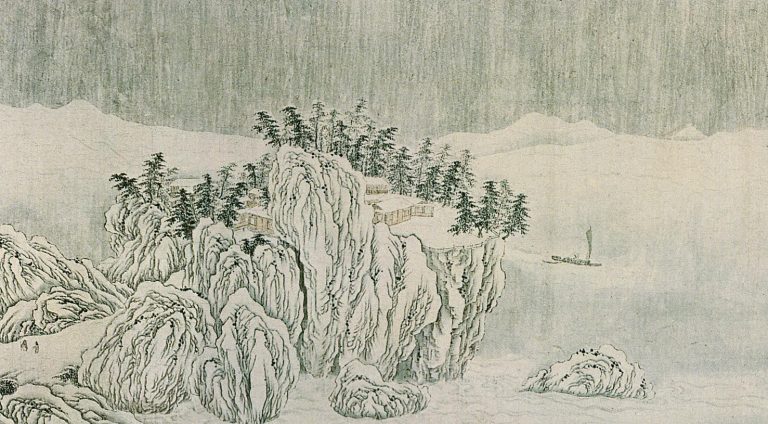
4 Liǔ Zōngyuán Translations by W. H. Chong
Image: Detail from “Snowscapes along Yangtze river (長江積雪圖)”, after Wang Wei OCCASIONAL POEM ON A SUMMER’S DAY The fierce heat of the south—deep drunken sleep, the north window open Silence at midday—but for a farmhand past the bamboo pounding tea …
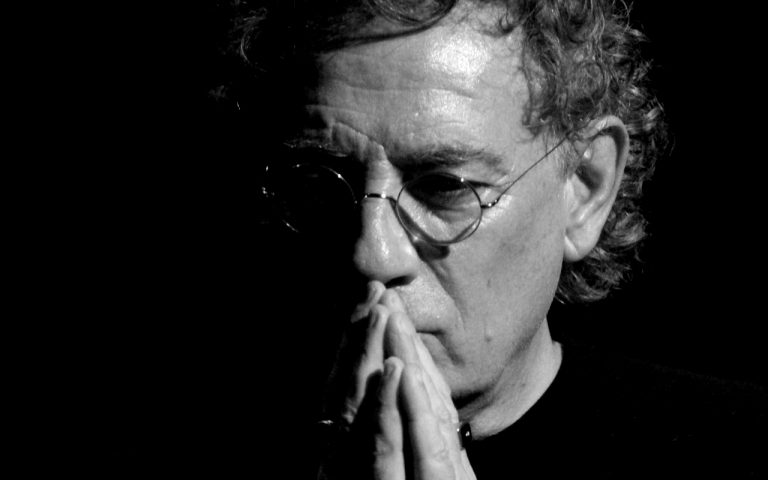
3 Juan Carlos Mestre Translations by Peter Boyle
“Antepasados” was published in La casa roja (Calambur, 2008); “Epístola del Giotto” and “Color Chagall” in La bicicleta del Panadero (Calambur, 2012). The Spanish poems are reproduced with permission. The English translations are previously unpublished. ANCESTORS Where does my memory …
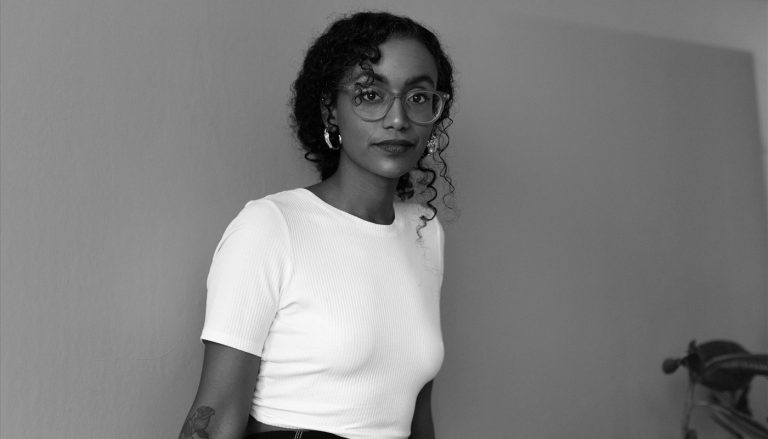
3 Judith Kiros Translations by Kira Josefsson
O was published by World Poetry Books in September 2024. The following excerpts are reproduced with the publisher’s permission.

4 Grzegorz Wróblewski Translations by Adam Zdrodowski and Ben Borek
The following translations were first published in March 2024 in the online chapbook The Life of a Tenement House. They are reproduced with permission from Half Day Moon Press.
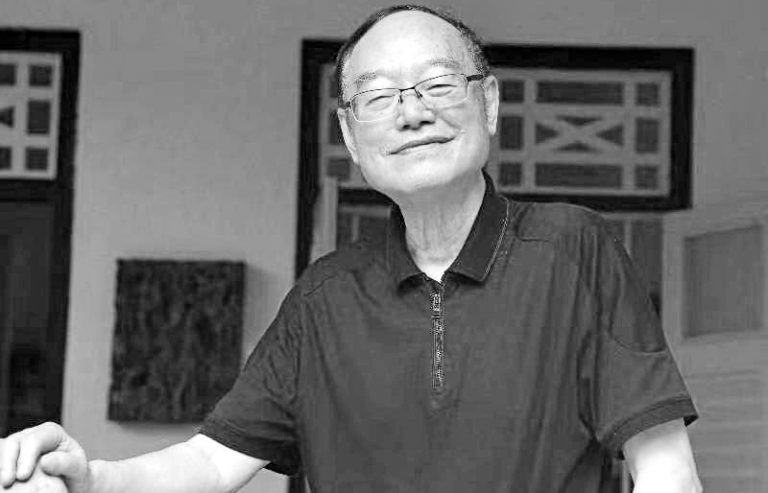
3 Lu Jin Translations by Helen Jia
In oracle bone script, the character for “poetry” (詩) did not exist; ancient humans used “temple” (寺) to represent “poetry” (詩). If you split the character 詩 (poetry), it forms the phrase 寺之言, which means “the words of the temple”.
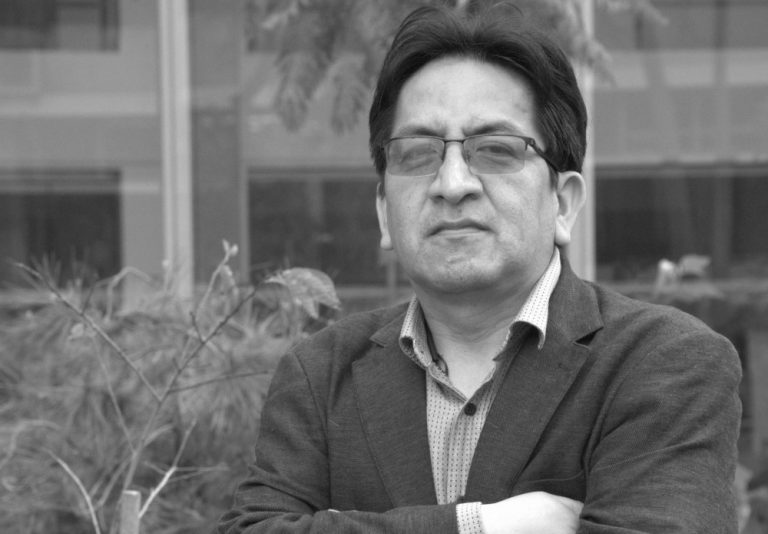
3 Julio Fabián Translations by Callum Methven
The following poems are from Julio Fabián’s 2022 poetry collection El viaje hacia Andrómeda (Fallidos Editores, Medellin). They are translated here into English for the first time.
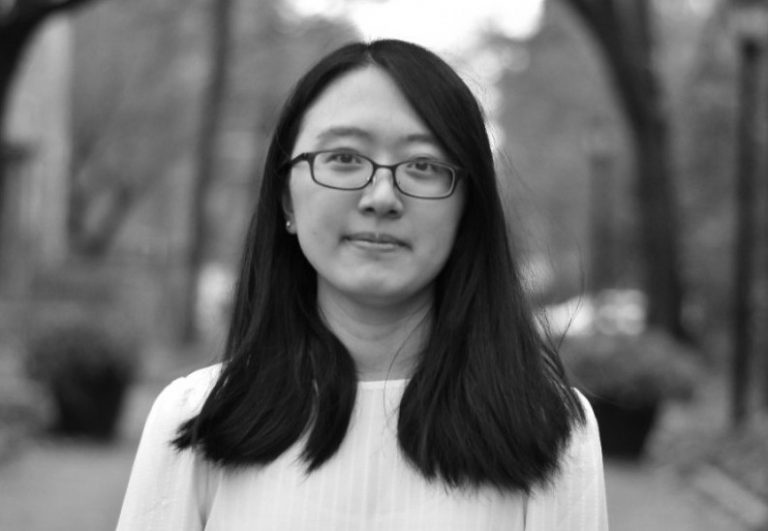
7 Sei Shōnagon Translations by Pinyu Hwang
Punctuation has meaning. In contemporary written English, it is the commas and full stops, the dashes and hyphens, the colons, semicolons, that frame the context and the scope of words and phrases. Different types of pauses are denoted by different punctuation marks.







