ESSAYS
Activist Journal: Ireland and Germany Extraction, 2015-16
18/9/2015 Rosewood, Schull, Co. Cork, Ireland. Difficult and full fortnight of work coming up before I have to travel solo to London on bus, ferry and train.
Plato, Badiou and I: an Experiment in Writerly Happiness
I have many irresolvable arguments with a close and particularly argumentative friend of mine. We regularly disagree, in a civilised, congenial way, on specific topics to do with politics, love, the weather, Asian food and ethics.
Sharon Olds, Gwen Harwood and Dorothy Hewett: Truth, Lies, Poetry
In 2008, US poet Sharon Olds came out about her poetry, admitting that her writing is based on her own life. Since the publication of her first book, Satan Says, in 1980, when she was thirty-seven, she’d been evading questions about the biographical basis of her work.

On the Sidewalk: Towards an Ethopoetics of the Streets
In his prose poem ‘The Eyes of the Poor,’ Baudelaire stages a Parisian tableau that brings together the disenfranchised poor and the privileged bourgeoisie in an awkward moment of encounter. The lyric / narrative ‘I’ and his female companion were …
DALIT / INDIGENOUS AUSTRALIAN Editorial
This special issue of Cordite Poetry Review has its roots in a project Mridula Nath Chakraborty has been working on for the last three years.
Documentation: Molten Upset’s Poetry & Noise
Hannah Earles reads from poems written on her bed sheets while Natasha Havir Smith plays electric violin. Molten Upset is a collective name for us – Autumn Royal and Lisa Lerkenfeldt – and we were stimulated by a kind of …

FUTURE MACHINES Editorial
The theme for this issue arose from a chance encounter with a flying machine and a Frenchman.
Unbidden: Settler Poetry in the Presence of Indigenous Sovereignty
Influenced and shaped by some fifty years of Indigenous poetry in English, the last couple of decades of Australian settler poetry have advanced prolific attempts to ‘write (oneself) into the country’ (Van Teeseling 209): producing varied and sometimes radical poetries of regionality, topography, climate, and the histories, narratives and landmarks running through and over them.
‘The birds of paradise sing without a needing a supple branch’: Joseph Brodsky and the Poetics of Exile
During his lifetime, Joseph Brodsky – political prisoner, exile, Nobel Prize winner – was virtually unknown in his native, Soviet-era Russia. Following the collapse of the Soviet Union, in the early 1990s Brodsky’s poetry became officially available to the public for the first time in the country, which had hitherto so furiously rejected him. By then already an established poet and essayist in the West, his quick (albeit posthumous) homecoming fame shortly followed, positioning Brodsky firmly in the minds of first-time Russian readers as a political martyr, poet-iconoclast and a major symbol of the Russian dissident literary world.
Translingualism, Home, Ambivalence: The Poet Dimitris Tsaloumas
The death of Dimitris Tsaloumas (1921-2016) invites us to revisit and re-evaluate his poetry without the critical anxiety to place him within the historical taxonomies of Australian literature or the hermeneutical suspicion about its belonging. The task of situating his poetry will take time as the canon of Australian literature is still fluid and its main parameters are not yet finalised.
Weather and Cinnamon: Late Changes in Major Poems by Barbara Guest
I grew up in Brisbane where the sticky weather of a summer day resembles something like a bell curve. Predictably cool in the early morning but the sun rapidly burns this away so that by 9am it’s already quite hot.

NO THEME V Editorial
I must admit that I ventured – no, sauntered – into this guest editing position on feet of clouds. Such a fantastic opportunity to peek behind the curtains of one of Australia’s best and most prolific poetry publications was not to be missed, I thought. In fact, it seemed almost too good to be true.
Virginia Woolf’s Incidental Pilot, Marianne Wex’s Legroom and the Dancing Man
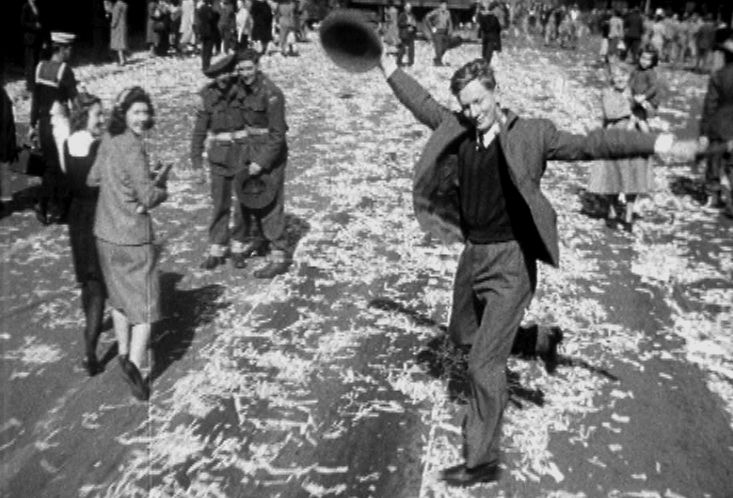
I first read Virginia Woolf’s short – just six pages – essay, ‘Flying Over London’ (Selected Essays, Oxford University Press, 2009), in a café in Sydney. The barista deftly worked a rising swan into the frothy surface of my coffee.
The Organising Mind: Discipline and Austerity in Jackson Mac Low and Art After 1960
It was the question of the quality of the ‘organising mind’ (in the above epigraph of Retallack) that began this little inquiry, an inquiry that, as Retallack puts it, is certainly based around ‘procedurally eventuated nonintentionality,’ but will go beyond that.
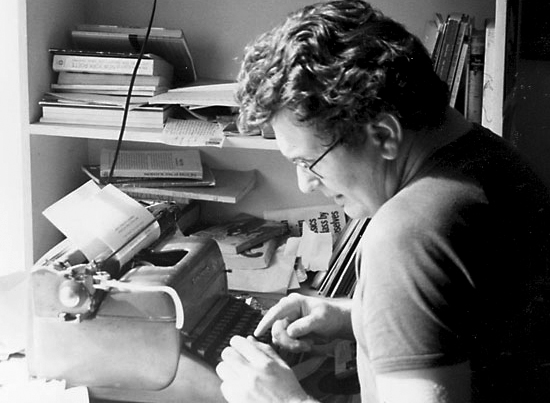
John Forbes’s ‘Miraculous Fluidity’
In a book on comedy, philosopher Alenka Zupančič has inadvertently discovered the key to the correlation of late twentieth century Australian poet John Forbes’s mastery of cultural imitation and his deconstruction of the mechanics of national identity so often queried in his work.
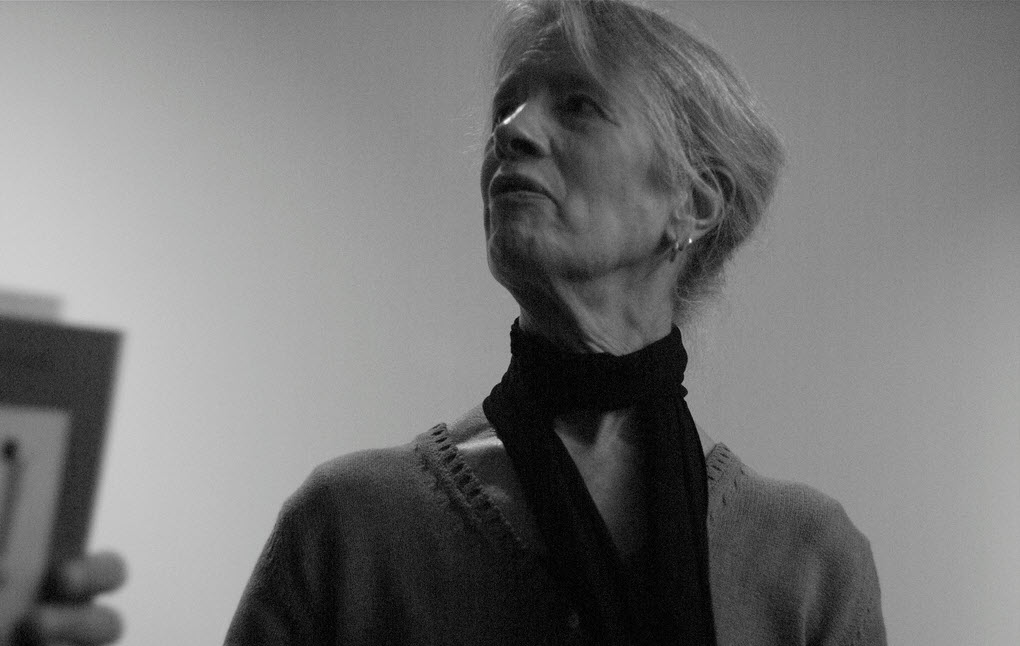
BAY AREA Editorial
Neither distance, the Pacific Ocean, nor the equator can quite explain the fact that poets in the activist San Francisco Bay Area and poets in Australia with corresponding and complementary concerns, both aesthetic and socio-political, are pretty much totally unaware of each other.
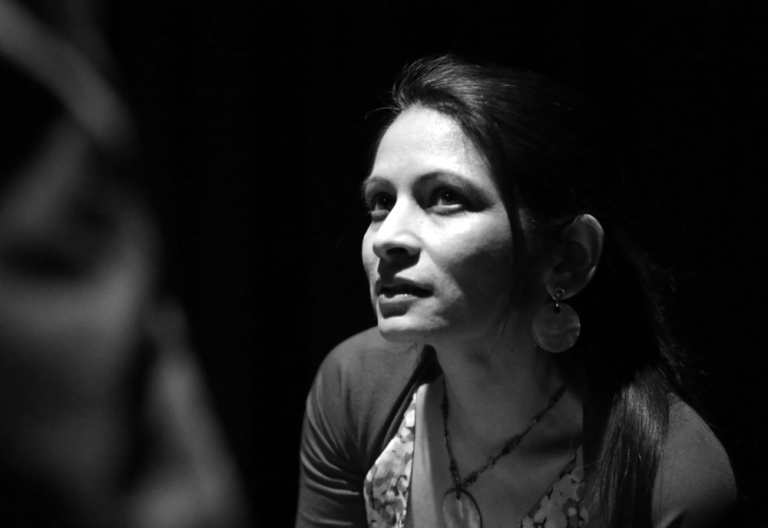
Extimate Subjects and Abject Bodies in Australian Poetry
This wry poem by Pan Zijie addresses language and human bodies as mobilised subjects. An Australian-born Chinese poet, Zijie has written in relative obscurity since publishing his first book, Vostok. Reading his striking collection Beijing Spring, published in 2015 by Maninriver Press, I wonder why I am not familiar with his work. After some online enquiries I learn that Pan holds a master’s in creative writing from Macquarie University and that he completed a PhD on representations of Chinese masculinity in Australian literature. His first collection received positive imprimaturs from David Brooks, Marcelle Freiman and Michael Wilding but I could find not a single review.

The New Reality in Australian Poetry
The generation of Murray is not my generation. The generation of Adamson is not my generation either. Nor is it Tranter or Kinsella.
hows its: To the Pitch with Nicky and Astrid
Last June I had the pleasure of launching Nick Whittock’s hows its at Gleebooks in Sydney. Since then, Michael Farrell’s extraordinary review has been published in the Sydney Review of Books, and Simon Eales’s essay, ‘’Get ready for a broken fucken arm’: The anti-instrumentalism of postcolonial cricket poetry’, discussing Whittock’s earlier chapbook covers, has been published by the UK-based magazine Don’t Do It. It seems that we are in a moment – this one, right here – in which a discussion of Whittock’s poetics and a deep engagement with the critical relationship between reading cricket and writing poetry is emerging. In the spirit of the moment, I have reworked, or rather, rewritten, my speech for Cordite Poetry Review.
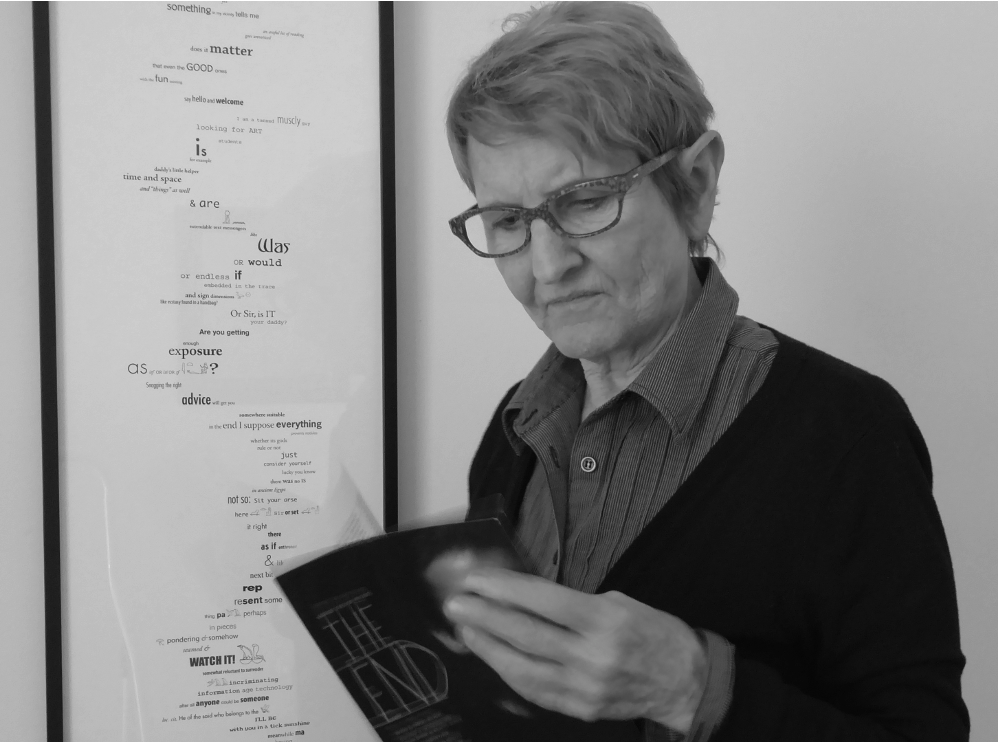
THE END Editorial
I think I was thinking of a big concept like ‘The End Times’ when I made up a theme for poems for this issue of Cordite Poetry Review. There is general consensus that the times we’re living in are endtimes.
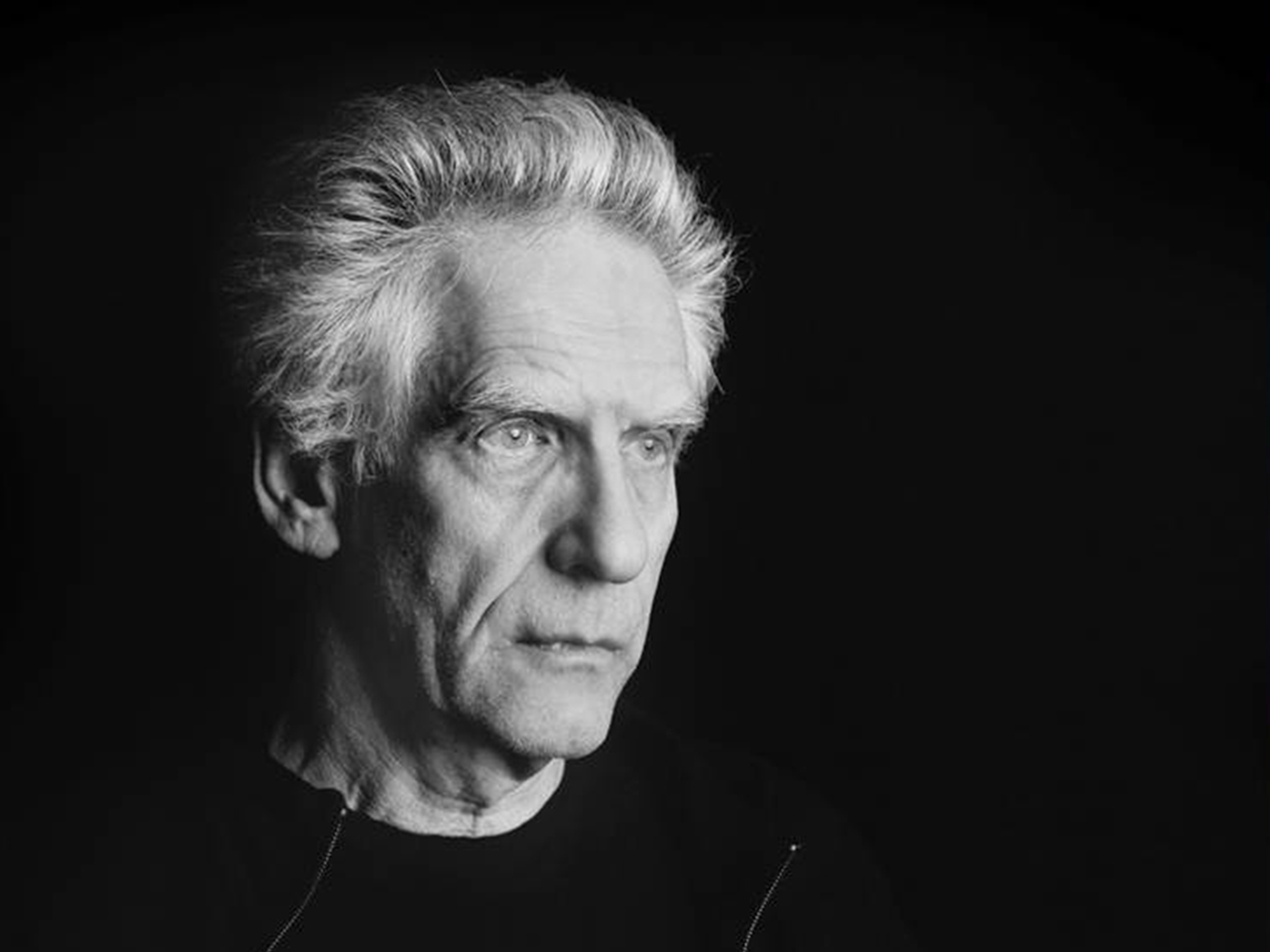
Last Concern
‘It’s over. You’re finished.’ And then, after a pause: ‘Goodbye’. These are the last five words uttered by Christopher Walken in the concluding scene of The Dead Zone (David Cronenberg, 1983).

The Huntsman of the Rubáiyat: J H Prynne and Peter Henry Lepus Go to Abu Ghraib
Minor cultures are not only represented by poetry written in response to state violence. With each such poetic utterance, they are maintained as agential entities. Michael Richardson, in his forthcoming book, Gestures of Testimony: Torture, Trauma, and Affect in Literature (Bloomsbury, 2016) tracks various examples of these linguistic productions, investigating in part ‘how poetry can resist power even from within almost complete subjection.’
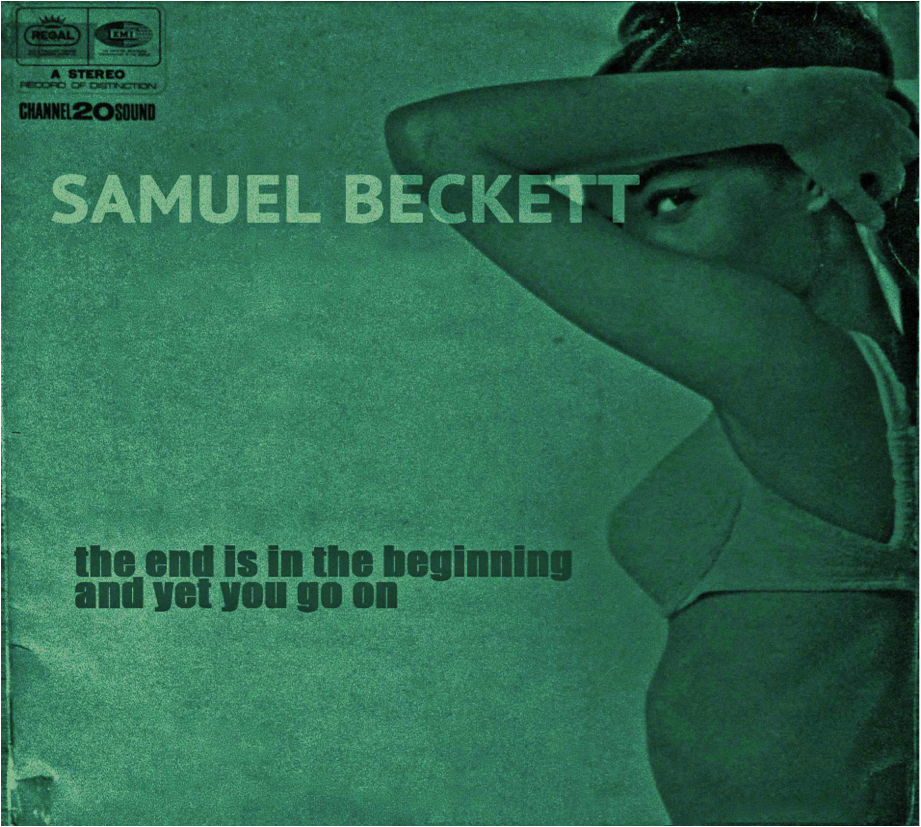
The end is in the beginning and yet you go on: Samuel Beckett’s Lost Album
Café Beaurepaire resides snugly in a tree-lined cul-de-sac on the Rue de la Bûcherie in the fifth arrondissement. If not my favourite brasserie in Paris it is certainly up there, especially for its postcard glimpse of the Île-de-France, framed almost self-consciously through the horse-chestnut trees.
Natural Selection: Ecological Postcolonialism as Bearing on Place
Australian poetry reminds us that we cannot encounter the natural world except by cultural means.