ESSAYS

This is Not a Poetry Review: Self-publishing 101
Self-publishing has never been easier to do than now, yet it’s often spoken about in terms of ‘last resorts’ or ‘building up’ to something. Some people do it shamelessly, others create publishing houses to mitigate the ‘stigma’. I’ve been sent four books to examine as case-studies, each of which use completely different styles of self-publishing.

(Self)Translation and the Poetry of the ‘In-between’
The subject and practice of translation has long been a feature of my poetry. It is a way of enacting bilingualism; the splitting and doubling of words, ideas, images and meanings that comes about in the processes of translation reflects my identity as someone who is in constant movement between cultures, split and doubled by my twin allegiances to different languages and places. In particular, I am interested in exploring my own practice of self-translation, to more fully understand the relationship between my poetic practice of writing across English and Italian and my subjectivity.
Danielle Collobert’s Survie
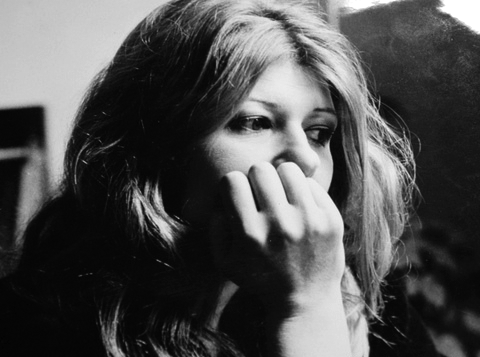
Danielle Collobert’s Survie is a sequence of six sonnetoid poems written and published in 1978 shortly before her suicide. The title is ironic: ‘survie’ means either the state of remaining alive after an event or in an environment that is normally fatal.

Interior Spaces: Reading Landscape through Jill Jones
There is a photograph I have returned to several times. It was taken during the drive from Melbourne to Perth, at the petrol station which marks the town of Nullarbor, while Lucas was filling our tank.

‘Crazed recuperant earthling’: The Use of Humour to Portray Psychosis in Three Australian Poems
The word ‘psychosis’ is derived from Greek, and etymologically means ‘life of the spirit’, or ‘to give animation to soul and mind’.

A Complex Contrarian of Occasions: Garry Thomas Morse’s Prairie Harbour
How do you write about a place that’s not known for much – or that is known for being ‘not much’?
The Collapse of Space: On Lisa Gorton’s The Life of Houses
I think making comparisons between Lisa Gorton’s The Life of Houses and other writers is somewhat distracting of the novel’s achievement.
TOIL Editorial
To write a poem about work is to go twice through the ropes. Once to see or do, and once to write.

A Book Which Is No Longer Discussed Today
To get to my grandfather’s bookshelf we first had to remove the strata of life-giving impedimenta that had built up over the last twenty years: oxygen tanks, IV drips, a hospital-style care bed; a certified, handmade icon of Mary and the infant Jesus, a Mary-shaped bottle of Lourdes miracle water, and another icon of Mary and child – Vietnamised now, with black hair and dark, almond-shaped eyes, dressed in the traditional silk robes of pre-colonial, independent Vietnam.
Horse
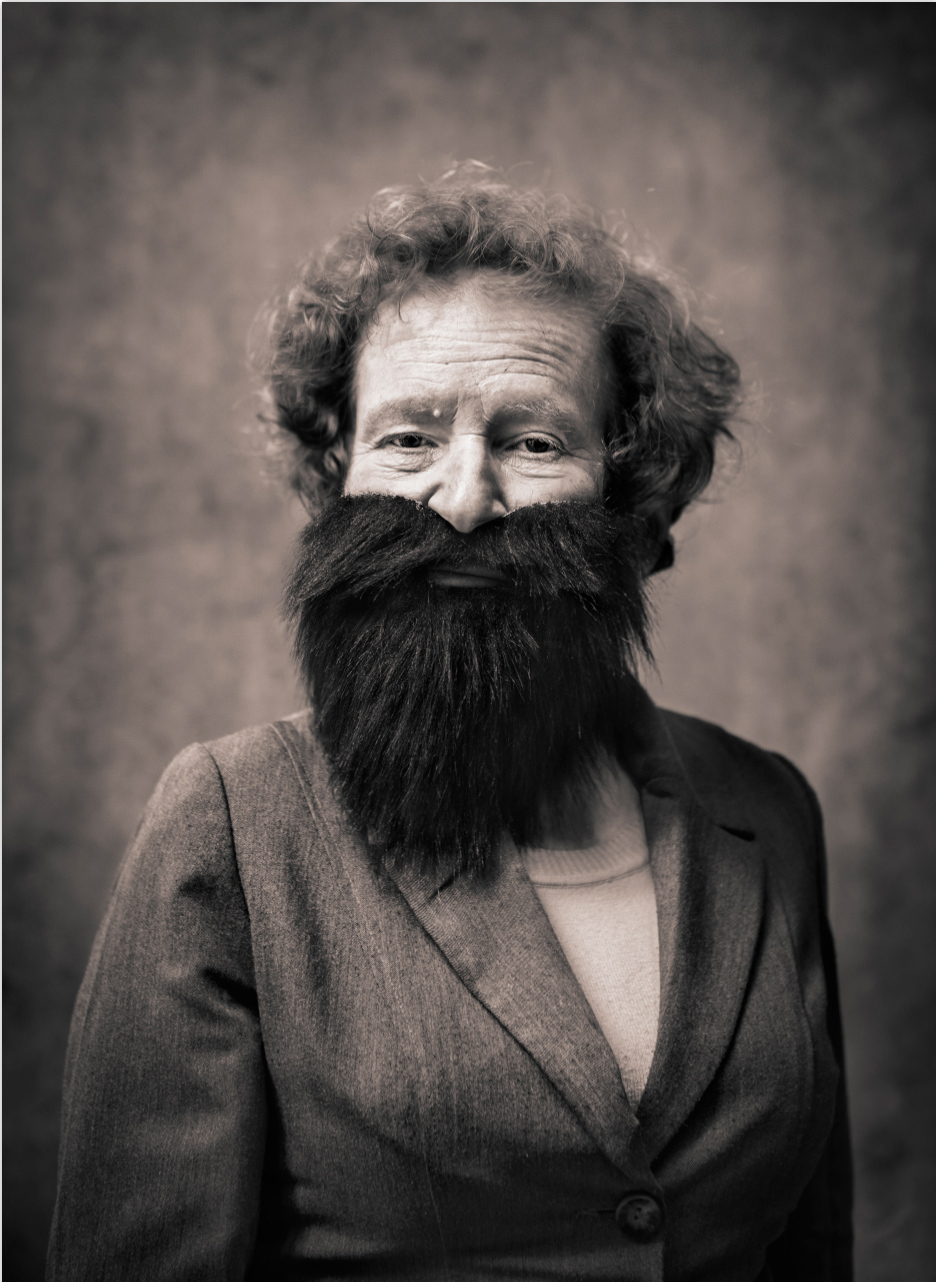
eaten away with a black hole now. He said that there were migranes caused just by the way the head is held now. When we were children. His father hurt me. Freud hurts me because he tells me and then he forgets me. He tells me and then he forgets me.I tell me and then I forget me.

Cruel Buffoonery
In the North American summer of 2015 I journeyed into the heart of the MFA industrial complex.

UMAMI Editorial
Around ten years ago I was offered a semester of teaching at the University of Technology Sydney. I accepted the job with some hesitation, thinking that energy spent teaching would be of the irreplaceable variety, and that what I would lose forever would be energy devoted to the central concern: writing

Pamphleteer
The paper securities of new, precarious, tottering power, the discredited paper to change their paper and depreciated paper is a paper circulation, the heart of a boundless paper circulation.
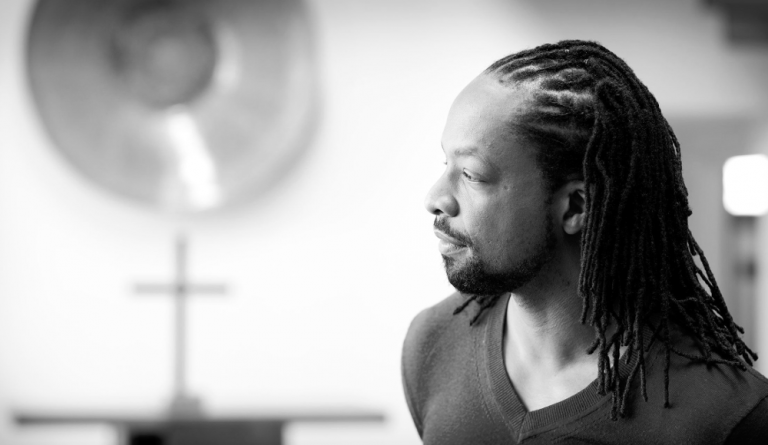
Love in Contemporary American Gay Male Poetry in the Works of Richard Siken, Eduardo C Corral and Jericho Brown
Gay poets, in the main, are determined to claim difference by questioning orthodoxies that corral issues about sexuality and love − and the functioning of these constructs within an urban, heterosexist reality − issues always pertinent to gay male writers because it is they who must bear the burden of political self-consciousness in a heterosexist world.

Transplanting Colenso: Taxonomy and Translocation in Leicester Kyle’s Koroneho: Joyful News Out of the New Found World
‘Language adheres to the soil, when the lips which spoke it are resolved into dust,’ wrote William Colenso in 1868, and again in 1883.

‘We Are all Rejects’: Unsupported Writers and the New New Zealand Journal
The declining level of support offered to poets and other writers in Aotearoa/New Zealand is a source of real distress and debate for those in the writing community. Lee Posna, in an essay published last year on the Pantograph Punch, writes from the position of a poet who feels himself unsupported, and really suffers because of it.

TRANSTASMAN Editorial
At the close of his poem for this issue, ‘Heaven, Bruny Island’, Ken Bolton writes how the radio ‘seems to have stopped to listen’. As I reflect on the poems constellated here, I feel they are doing similarly; attending to something that is neither absent nor present. They are listening to signs of that abstract ground: transtasman.
Dead Man Modified: A Letter from Vienna
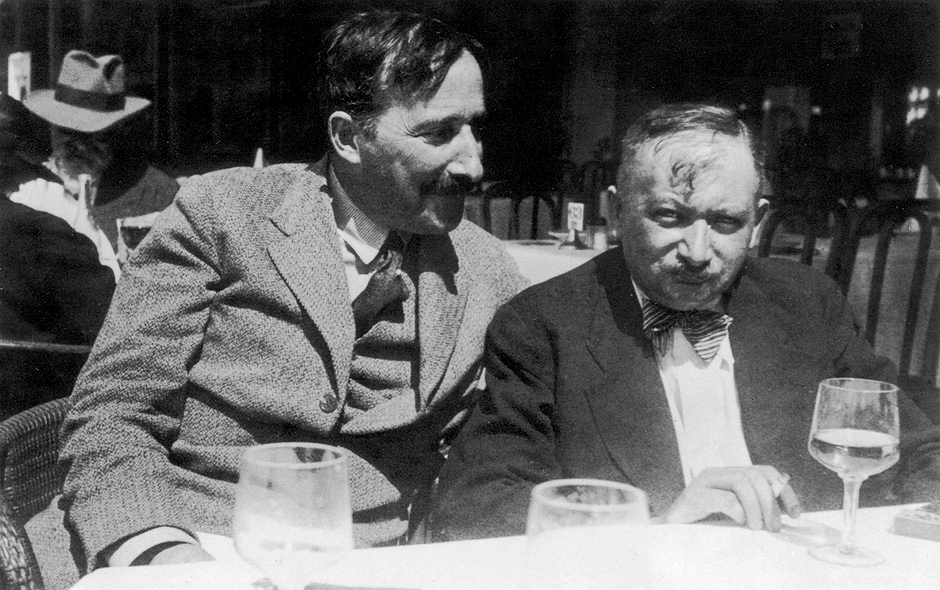
Stefan Zweig and Joseph Roth, 1936. Imagno/Hulton Archive/Getty Images The words of a dead man Are modified in the guts of the living. W.H. Auden, in Memory of W.B. Yeats Just around the block from Vienna’s State Opera, on the …
Recalling the Poet: Childhood Memories of Sam Hunt
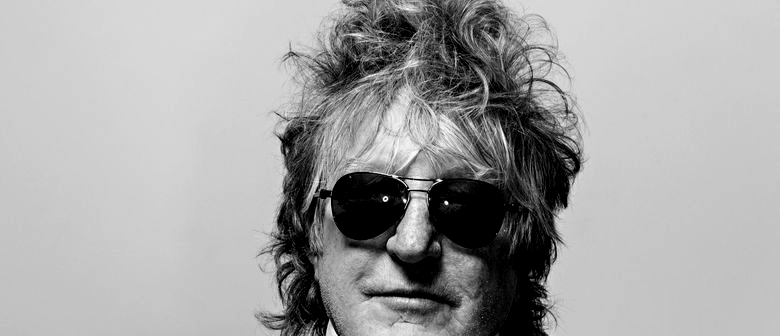
In an awkward clash of cliché and fact, I grew up on a sheep farm in New Zealand, in a house owned by a former All Black. In this steep green place, where the melodic peals of bellbirds rang out from ferny valleys and the lambs shat in your gumboots if you left them out overnight, I met my first poet. His name is Sam Hunt, and I owe him an apology.

NO THEME IV Editorial
Sometimes people become irritated when I am once again asked to compile another collection of poems. Why him? they ask. Why him again? Well, there’s a reason. I am good at it.
Fuori le mura: Seven Vicki Viidikas Poems
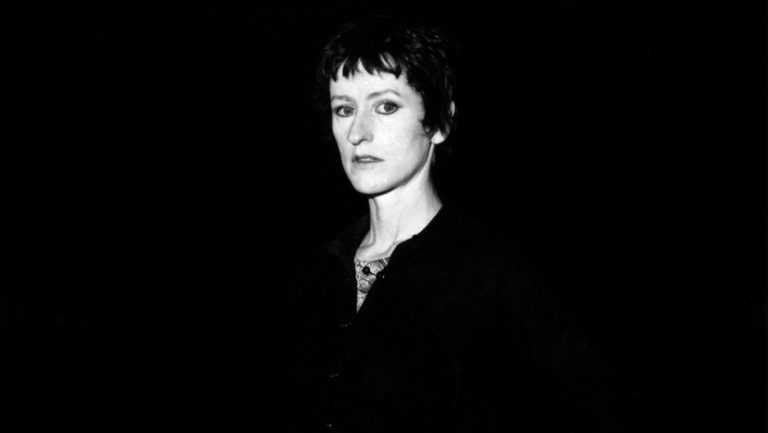
Vicki Viidikas’s first book Condition Red (UQP, 1973) – which most likely took its title from Kubrick’s Dr Strangelove (1964) in which Condition Red means war – burst with unsettling depictions of contemporary life and the status of women, a year after Equal Pay had become law.

‘Can I Do My Words?’: On the Poetics of Deafness
Taken together, these three memories denote my progression towards finding a voice as a deaf writer.
Exploring and Renegotiating Transparency in Poetry Translation
To read poetry in translation, no matter how ‘close’ the rendering is to the original text, is to necessarily involve another figure in the reading and interpreting process. Readers of translations are not only receiving the work of the original …
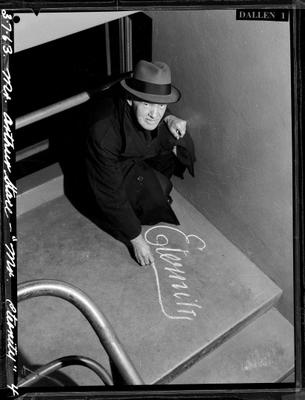
Beyond Words: The Obscured Language of Graffiti
When contemplating writing a piece on graffiti typography for a journal of poetry review and criticism, I reflected on themes that could be extrapolated between the two. That is, beyond a shared use of the alphabet as fundamental building block …







