Gay/Poet/Korea: An Interview with Gabriel Sylvian on the Poetry of Gi Hyeong-do


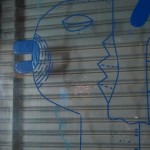
Photo from Beyond the Horizon

Gay/Poet/Korea – these were the first three words I typed into a search engine prior to undertaking the Cordite/Asialink residency in Seoul, South Korea. I’d typed these three words out of genuine interest in each – both singularly and collectively – but also out of a kind of frustration, having first consulted the section for gay travellers in the Lonely Planet guidebook:

In a country like South Korea, where social pressures to conform to a rigid standard of ‘normality’ are intense, it’s not surprising to learn that Koreans are intolerant of homosexual behavior. Lack of tolerance is hardly unique to Korea, but what is interesting is the lengths to which Koreans will go to deny, dismiss or rationalize the existence of gay and lesbian relationships. For most of mainstream Korea, homosexuality is a) non-existent or so rare that it’s hardly worth mentioning (so don’t); b) a freakish crime against nature; c) the manifestation of a debilitating mental illness; or d) a social problem caused by foreigners.

This section goes on to suggest that things are changing in South Korea, though it fails to state these changes as categorically as it does opposition to them. Perhaps this failure highlights the great disparity between a thing ‘changing’ and a thing having ‘changed’ but what of the subtle negotiations taking place daily for those that would benefit most from change?

And so, the search for more information.

Gay/Poet/Korea – it is not lost on me that with these three words I might well have been searching for myself, attempting to locate myself in a new context, a new country, but in the end the search produced Gi Hyeong-do.

‘Gi Hyeong-do: A Misunderstood Modern Gay Korean Poet’ was the heading. An article with a concise overview of his short but eventful life, from his impoverished beginnings, his father’s cerebral palsy, the death of his elder sister, his academic success and time as a journalist to his death at the age of twenty-nine in gay sex venue. A venue more often than not euphemistically referred to as a ‘movie theater’.

Three of Gi’s poems – ‘Grass’, ‘Front of the Bar’ and ‘Dead Cloud’ – accompanied the article. With the first four lines from ‘Grass’, my interest peaked:

I have an appendix but
I don’t like eating grass
I am
a poor excuse for an animal

Whilst in Seoul, I sought out the translator of these poems, Gabriel Sylvian, in an effort to further understand the significance and impact of Gi’s work in South Korea, the subtle negotiations inherent in the translation process and the assertion of homosexuality as a fundamental and formative reality for Gi, a reality that shaped the narrative of his life and work.

Terry Jaensch: Gabriel how and when did you first come into contact with Gi Hyeong-do’s poetry?

Gabriel Sylvian: The first time I heard Gi’s name in connection with gay poetry was seven years ago, at a gay bar called ‘Contact’ near Hongik University Station. It was a karaoke bar (actually ‘dive’) in the basement of a run-down building a few blocks from where the Commission houses its grantees. I’d just arrived back in Seoul after ten years and was trying to get some sort of political project underway. After researching during the day, I’d go alone to the bar and hang out. Small groups of customers would come straggling into the bar after midnight for their second or third round of drinks and, just by chance, I got to know some poets and one or two teachers. One guy, a Korean literature teacher at a high school, mentioned Gi’s name in passing. ‘Gi’ is a rare family name in Korea, so at first I misheard it as ‘Gim’. It was a few days before I figured out his name, surprisingly written with the Chinese character for ‘strange’ (laughs). His work wasn’t hard to find since his Complete Works had come out five years before. I just borrowed the book from the library and started reading.

TJ: When did you first decide that you were going to translate his work?

GS: Once I got the book, I began with the shorter pieces, trying to get a quick sense of his style, themes, something. One of the shorter poems appearing near the beginning of the collection is titled ‘College Days’. It describes a college student, a loner intellectual, reading Plato on the school steps, or hiding in a grove of laurel trees at the rear of campus while shots sound in the distance. I checked the poet’s bio and saw he was a Yonsei student.

The shots, of course, refer to the clashes between student demonstrators and riot police that were a regular feature of campus life during the Jeon Du-hwan era. I’d lived just a five minute walk from that grove in the mid-1980s, in a Western-style house for international students near the university’s back gate. History professor Milan Hetjmanek, now at SNU, was teaching at the International Division that year, and Richard Krebill was our de facto house mentor. So I knew that grove, the old red-brick structures in the background of Gi’s graduation photos, and that same horrible sound. Yonsei University was a hotbed for student activism then. Classes were frequently cancelled due to tear gas explosions. None of we foreign students were psychologically prepared for it all. It all came back to me with that poem. The poem affects everyone who was a student in Seoul at that time in the same way, I think.

Gay cruising in Seoul was like a darkness within a darkness. You felt steeped in criminality at all times. Nobody really trusted anyone else. You had to keep your bag close to you or it would get stolen (laughs). Gi’s poems are dark and at first I just thought he was a depressed poet, maybe gay, maybe not. Later, when I found out through an article that Gi had died at the Pagoda Theatre, things came together more clearly to form a composite picture. So early on, by virtue a few coincidences in our backgrounds, it was easy to feel that I should try to translate his work. From that point I started thinking about how Gi’s life and art might be integrated into a political project.

TJ: There seems to be a great deal of conjecture surrounding the suggestion that Gi Hyeong-do was homosexual, even though he died in a gay cinema. What is your take on Korea’s inability, despite this fact alone, to even raise it as a question?

GS: The call for ‘proof’ is a central problem that the project has had to grapple with. The intellectuals in the gay community have always claimed Gi as one of their own, but I have sought proof. While translating his poems, I read everything Gi wrote, including essays and fiction, and every academic article, criticism and reminiscence written about him I could find. There’s not that much, really. Maybe less than one hundred articles. Except for one essay appearing in a book on postmodern Korean culture published in Europe, I found no mention of Gi’s sexuality anywhere in print.

TJ: That sounds extraordinary, but I’m guessing it was no shock to you?

GS: Well, who would ever expect to find a study of any Korean poet’s sexuality, gay or straight, or even poetry about sex? There were, of course, wild exceptions to the rule. Poet/novelist Ma Gwangsu, popularising Freud and free sex back in the 1980s, was arrested and tried by the Korean government on morals charges for, among other things, including scenes of homosexuality in his work. Then there was poet/novelist Jang Jeong-il in the late 1980s and 1990s. Similar charges were brought against him, too, by the courts in the 1990s. Tellingly, Gi did not shun, but showed an active interest in both writers. This is important background information to consider when thinking about Gi and same-sex sexuality in his literature. As for Gi the man? In the various recollections written about Gi by his colleagues, and in the testimonies of those whom I’ve interviewed (none of whom, by the way, seemed to know Gi very well – he seems to have been very private and is described as a loner), there are clues that stand out to the gay investigator and which support the theory of a same-sex orientation.

TJ: Can you elaborate on this a bit further, or highlight some of these ‘clues’ for us?

GS: Everyone I’ve met who knew Gi personally, for example, describes his speaking style as very effeminate. His taste in clothing was also consistent with an effeminate man’s tastes. He was known for his fastidiousness, meticulousness. Also, his family dynamic fit the classic stereotype of strong mother / weak father. Now in his prose, Gi once or twice mentions his own weakness, his ‘effeminacy’, in building relationships with women (though I think tellingly, never in his poetry, where the object of desire or address is ‘the friend’ or ‘you’) and this has been suggested by some as ‘proof’ that Gi loved women, negating the possibility of his being a homosexual.

First of all, anyone familiar with the Korean gay community – even today – knows that Korean gay men marry and have children. Some desire a conventional family, and sometimes this desire stems from social pressure. Marriage and family is what has been expected of all able-bodied men and in many cases, not doing so would mean being stigmatization as a social failure. From my interviews, I’ve found married gay men love their families but they feel this is not enough to satisfy them emotionally and sexually. How much more was this the case in the 1980s, when Gi was writing, than today? Before sexual politics.

The gay-straight dichotomy we so ‘naturally’ internalize as gay men today is blurred where identity politics has not taken root. This is especially true of men who were of Gi’s generation and older. So it is naïve, a mistake, to expect Gi to conform to present-day notions of a self-consciously queer poet with a solid sexual identity structure. Again, it bears repeating that gay Korean poets writing in the mainstream today, in 2011, are still not at liberty to publish same-sex poetry for their public readership. None of the poets I met at ‘Contact’ or elsewhere did. They didn’t dare try, nor any of their gay poet friends. So we certainly could not expect Gi to have done so. Directly, that is.
Posted in INTERVIEWS | Tagged , ,

4 Poems Translated by Gabriel Sylvian

오래된 書籍 (Old Book)

10월 (October)

그 날 (That Day)

포도밭 묘지 1 (Vineyard Cemetery 1)

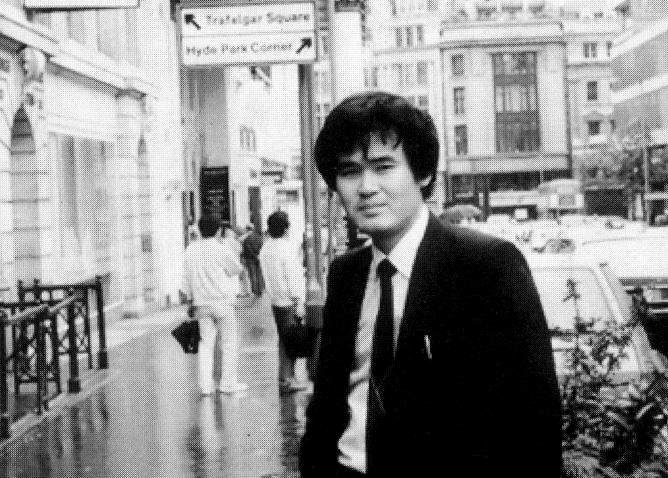
Gi Hyeongdo was born in 1960 in Gyeonggi Province, Korea. He began publishing poems during his college years at Yonsei University, where he majored in Political Diplomacy. He received the Yun Dongju Literary Prize as a university student. While working as a reporter for the Jungang Ilbo in 1984, he began publishing poems marked by powerful individuality and “an intensely pessimistic world view”. His formal debut was the New Year’s Poetry Contest sponsored by the Donga Ilbo for his celebrated poem FOG (Angae). On March 7, 1989, he died of apoplexy seizure at a late-night theatre in Jongro. Collections include BLACK LEAF IN MY MOUTH (1989, published posthumously), a collection of prose writings entitled RECORDS OF SHORT JOURNEYS (1990), and his COMPLETE WORKS (1999).

Read Terry Jaensch’s interview with Gi Hyeongdo’s translator, Gabriel Sylvian.

Posted in TRANSLATIONS | Tagged ,

그 날 (That Day)

     여름날 아침 낡은 창문 틈새로 빗방울이 들이 친다. 어두
운 방 한복판에서 金은 짐을 싸고 있다. 그의 트렁크가 가장 먼저 접수
한 것은 김의 넋이다. 창문 밖에는 엿보는 자 없다. 마침내 전날 김은
직장과 헤어졌다. 잠시 동안 김은 무표정하게 침대를 바라본다. 모든
것을 알고 있는 침대는 말이 없다. 비로서 나는 풀려나간다, 김은 자신
에게 속삭인다. 마침내 세상의 중심이 되었다.

     나를 끌고 다녔던 몇 개의 길을 나는 영원히 추방한다. 내 생의 주도
권은 이제 마음에서 육체로 넘어갔으니 지금부터 나는 길고도 오랜 여
행을 떠날 것이다. 내가 지나치는 거리마다 낯선 기쁨과 전율은 가득
차리니 어떠한 권태도 더 이상 내 혀를 지배하면 안 된다.

     모든 의심을 짐을 꾸리면서 김은 거둔다. 어둑어둑한 여름날 아침
창문 밖으로 보이는 젖은 길은 침대처럼 고요하다. 마침내 낭하가 텅
텅 울리면서 문이 열린다. 잠시 동안 김은 무표정하게 거리를 바라본
다. 김은 천천히 손잡이를 놓는다. 마침내 희망과 걸음이 동시에 떨어
진다. 그 순간, 쇠뭉치 같은 트렁크가 김을 쓰러뜨린다. 그곳에서 계집
아이 같은 가늘은 울음소리가 터진다. 주위에는 아무도 없다. 빗방울
은 은퇴한 노인의 백발위로 들이친다.


     The raindrops beat their way into the cracks of the old window in the dusky summer morning. In the middle of the dark room, Gim is packing up. The first thing the trunk received was Gim’s soul. No one is peeping in at the window. The day before, Gim finally left his job. His face expressionless, Gim looks at the bed for a moment. The bed, which knows everything, is silent. At last I’ll be free, Gim whispers to himself, and finally he became the center of the world.

     I’ll forever banish those roads that dragged me around with them. The leadership of my life has now passed from my heart to my body, and I will embark now on a long, distant journey. With each road I pass, I will be filled with strange happinesses and horrors, and henceforth, no lassitude must ever govern my tongue again.

     Packing up all his suspicions, Gim gets everything together. The wet road visible outside the dusky summer morning window lies as quiet as the bed. Finally, the door opens, sounding a hollow cry in the corridor. For a moment, Gim looks at the road, his face expressionless. Gim slowly puts down the handle. In the end, his hopes and his steps both fall. That instant, the trunk knocks Gim down like a pig-iron. From the spot bursts a cry as thin as a girl. There is no one around. The raindrops thunder down on the gray head of an old hermit.


English translation by Gabriel Sylvian

Posted in POETRY | Tagged ,

포도밭 묘지 1 (Vineyard Cemetery 1)

      주인은 떠나 없고 여름이 가기도 전에 황폐해버린 그 해 가을, 포도
밭 등성이로 저녁마다 한 사내의 그림자가 거대한 조명 속에서 잠깐씩
떠오르다 사라지는 풍경 속에서 내 弱視의 산책은 비롯되었네. 친구
여, 그 해 가을 내내 나는 적막과 함께 살았다. 그때 내가 데리고 있던
헛된 믿음들과 그 뒤에서 부르던 작은 충격들을 지금도 나는 기억하고
있네. 나는 그때 왜 그것을 몰랐을까. 희망도 아니었고 죽음도 아니었
어야 할 그 어둡고 가벼웠던 종교들을 나는 왜 그토록 무서워했을까.
목마른 내 발자국마다 검은 포도알들은 목적도 없이 떨어지고 그때마
다 고개를 들면 어느 틈엔가 낯선 풀잎의 자손들이 날아와 벌판 가득
흰 연기를 피워 올리는 것을 나는 한참이나 바라보곤 했네. 어둠은 언
제든지 살아 있는 것들의 그림자만 골라 디디며 포도밭 목책으로 걸어
왔고 나는 내 정신의 모두를 폐허로 만들면서 주인을 기다렸다. 그러
나 기다림이란 마치 용서와도 같아 언제나 육체를 지치게 하는 법. 하
는 수 없이 내 지친 밭을 타일러 몇 개의 움직임을 만들다 보면 버릇처
럼 이상한 무질서도 만나곤 했지만 친구여, 그때 이미 나에게는 흘릴
눈물이 남아있지 않았다. 그리하여 내 정든 포도밭에서 어느 하루 한
알 새파란 소스라침으로 떨어져 촛농처럼 누운 밤이면 어둠도, 숨죽인
희망도 내게는 너무나 거추장스러웠네. 기억한다. 그 해 가을 주인은
떠나 없고 그리움이 몇 개 그릇처럼 아무렇게나 사용될 때 나는 떨리
는 손으로 짧은 촛불들을 태우곤 했다. 그렇게 가을도 가고 몇 잎 남은
추억들마저 천천히 힘을 잃어갈 때 친구여, 나는 그때 수천의 마른 포
도 이파리가 떠내려가는 놀라운 空中을 만났다. 때가 되면 태양도 스
스로의 빛을 아껴두듯이 나 또한 내 지친 정신을 가을 속에서 동그랗
게 보호하기 시작했으니 나와 죽음은 서로를 지배하는 각자의 꿈이 되
었네. 그러나 나는 끝끝내 포도밭을 떠나지 못했다. 움직이는 것은 아
무것도 없었지만 나는 모든 것을 바꾸었다. 그리하여 어느 날 기척 없
이 새끼줄을 들치고 들어선 한 사내의 두려운 눈빛을 바라보면서 그가
나를 주인이라 부를 때마다 아, 나는 황망히 고개 돌려 캄캄한 눈을 감
았네. 여름이 가기도 전에 모든 이파리 땅으로 돌아간 포도밭, 참담했
던 그 해 가을, 그 빈 기쁨들을 지금 쓴다 친구여.


      In autumn of that year, a year ruined even before the owner departed and summer ended, my poor-sighted walks to the back of the vineyard began amid landscapes where each evening, in the vast light, a man’s shadow flittered in and out of sight. My friend, I lived with silence the entire autumn that year. I still remember now the empty beliefs I carried with me and the small shocks that called out behind them. Why did I not know it then? Why did I fear those dark, trivial religions that were not hope and certainly not death? With each of my thirsty footprints black grape orbs dropped purposelessly, and each time I lifted my gaze I stared for a time at the progenies of strange grasses that came flying, stirring up the white smoke blanketing the fields. Darkness always singles out the shadows of living things so it can tread on them, and so it came walking to the vineyard’s wooden rail fence, where I turned my entire spirit to ruin and awaited the owner. But waiting is like forgiveness and always tires the flesh. I had no choice but to instruct my weary feet and make a few movements, and when I did I encountered various kinds of disorder, but my tears were no longer flowing. Then one day in my beloved vineyard, I fell from a bright blue orb of fright, and the evening lying like guttered wax, the darkness, the stifled hopes, all became too much for me. I remember. That autumn after the owner departed and when longing was used carelessly like so many dishes, I lit short candle flames with trembling hands. And so autumn passed, and when even memories with their few remaining leaves slowly lost their power, my friend, I came to a surprising space where thousands of grape leaves came showering down. When the time came, I too, like the sun conserving its light, began to roundly protect my weary spirit in the midst of autumn, and so death and I became our own dreams, each ruling the other. But I could never leave the vineyard. Nothing moved, but I changed everything. One day as I stared into the terrified eyes of a man who had stepped in from nowhere holding up the end of a straw rope, each time he called me the owner, ah, I turned my face away in agitation and closed my dark eyes. O friend, I write now of all the vineyards that return to leafy earth before summer passes, of the wretched autumn that year, of those empty happinesses.


English translation by Gabriel Sylvian


Posted in POETRY | Tagged ,

10월 (October)

1

흩어진 그림자들, 모두
한 곳으로 모으는
그 어두운 정오의 숲 속으로
이따금 나는 한 개 짧은 그림자 되어
천천히 걸어 들어간다
쉽게 조용해지는 나의 빈 손바닥 위에 가을은
둥글고 단단한 공기를 쥐어줄 뿐
그리고 나는 잠깐 동안 그것을 만져볼 뿐이다
나무들은 언제나 마지막이라 생각하며
작은 이파리들은 떨구지만
나의 희망은 이미 그런 종류의 것이 아니었다

너무 어두워지면 모든 추억들은
갑자기 거칠어진다
내 뒤에 있는 캄캄하고 필연적인 힘들에 쫓기며
나는 내 침묵의 심지를 조금 낮춘다
공중의 나뭇잎 수효만큼 검은
옷을 입은 햇빛들 속에서 나는
곰곰이 내 어두움을 생각한다, 어디선가 길다란 연기들이 날아와
희미한 언덕을 만든다, 빠짐없이 되살아나는
내 젊은 날의 저녁들 때문이다

한때 절망이 내 삶의 전부였던 적이 있었다
그 절망의 내용조차 잊어버린 지금
나는 내 삶의 일부분도 알지 못한다
이미 대지의 맛에 익숙해진 나뭇잎들은
내 초라한 위기의 발목 근처로 어지럽게 떨어진다
오오, 그리운 생각들이란 얼마나 죽음의 편에 서 있는가
그러나 내 사랑하는 시월의 숲은
아무런 잘못도 없다

2

자고 일어나면 머리맡의 촛불은 이미 없어지고
하얗고 딱딱한 옷을 입은 빈 병만 우두커니 나를 쳐다본다


1

Sometimes I become a short shadow
and slowly walk into
a forest at dark noon
where scattered shadows
gather in one place
In my empty hand autumn, easily quieted,
just grabs the round hard air
and for a moment feels it
The trees always think it’s the last time
and drop their small leaves
but my hopes are no longer of that sort

When it grows too dark all memories
suddenly turn furious
Chased by dark inevitable powers behind me
I lower the wick of my silence a little
and in sunbeams garbed
black as the number of leaves in the air
I think in detail of my darkness, from somewhere straggling smoke wisps appear
and make a vague hillet, because of the evenings of my youth
which revive without exception

Once my life was just despair
Now even the despair’s contents are lost to me
I don’t know even one part of my life
The leaves already knowing the taste of the earth
fall dizzyingly near my shoddy ankles of danger
O, how memories of love always take the side of death
But the October forest that I love
has not erred

2

When I awaken from sleep the candlelight near my pillow has already vanished
Only an empty bottle wearing hard white clothes stares at me blankly


English translation by Gabriel Sylvian

Posted in POETRY | Tagged ,

오래된 書籍 (Old Book)

내가 살아온 것은 거의
기적적이었다
오랫동안 나는 곰팡이 피어
나는 어둡고 축축한 세계에서
아무도 들여다보지 않는 질서

속에서, 텅 빈 희망 속에서
어찌 스스로의 일생을 예언할 수 있겠는가
다른 사람들은 분주히
몇몇 안 되는 내용을 가지고 서로의 기능을
넘겨보며 書標를 꽂기도 한다
또 어떤 이는 너무 쉽게 살았다고
말한다, 좀 더 두꺼운 추억이 필요하다는

사실, 완전을 위해서라면 두께가
문제겠는가? 나는 여러 번 장소를 옮기며 살았지만
죽음은 생각도 못했다, 나의 경력은
출생뿐이었으므로, 왜냐하면
두려움이 나의 속성이며
미래가 나의 과거이므로
나는 존재하는 것, 그러므로
용기란 얼마나 무책임한 것인가, 보라

나를
한 번이라도 본 사람은 모두
나를 떠나갔다, 나의 영혼은
검은 페이지가 대부분이다, 그러니 누가 나를
펼쳐볼 것인가, 하지만 그 경우
그들은 거짓을 논할 자격이 없다
거짓과 참됨은 모두 하나의 목적을
꿈꾸어야 한다, 단
한 줄일 수도 있다

나는 기적을 믿지 않는다

It’s close to a miracle
that I’ve lived
I was moldy for what seemed an eternity
How can I predict my own life
in a damp dark world

in an order where no one bothers to look at me,
in empty hope?
Other people hurriedly take a few contents
and coveting one another’s functions
insert their bookmarks into me
Others say my life has been too easy
that I need thicker memories

Is thickness truly a problem when perfection is your goal?
I’ve moved several times, lived in different places,
but never paid a thought to death. My career
lies only in my birth. Why?
Because fear is a part of me
and because the future is my past
The fact that I exist, so
see there, what an irresponsible thing courage

Every person who ever looked at me once
left me, my soul
is mostly dark pages, who will ever open me?
But in that case they have no right to discourse on lies
Lies and truth must dream the same objective
and they can be found in the exact same line

I don’t believe in miracles


English translation by Gabriel Sylvian

Posted in POETRY | Tagged ,

A Fortnight of Poetry in Seoul

(or, Someone’s Always Falling in Love with Korea and Doesn’t Want to Leave)

I am at the boarding gate of Incheon Airport, waiting for my flight to be called and for my return journey to begin. I am wearing large sunglasses, not because it’s particularly bright, but to mask escaping tears. The man sitting across from me happens to look up from the lurid covers of his Dennis Lehane book after I’ve been repeatedly dabbing at my face with a hankie. He seems a bit nonplussed.

Hovering above myself, the objective part of my brain is also bemused at my reaction. Really, what has happened in the two weeks in Korea to engender this ludicrous display?

When I arrived at the airport on 14 May 2011, I had no indication this was how it was going to play out. Uppermost in my mind was getting to my final destination, the Yeonhui Seoul Art Space/Writers’ Village. After meeting up with Asialink’s Nicolas Low, poet Dan Disney guided us towards a swift and spotless train into Seoul. We passed landscapes that evoked other places I’ve seen before: English countryside, industrial smokestacks, that section of track on the way from Sydney to Newcastle. Most of the time though, the view out the window was absolutely unfamiliar.

Jetlag wreaked havoc with my perception. Already I had almost lost my passport and the taxi’s seatbelt presented me with some difficulty. The pretty neon lights flickering past the car windows were turning quite psychedelic. Once we’d reached the Writer’s Village, we were greeted by Choi Jae-Sung who accompanied us for dinner at a nearby Korean barbecue place.

The ritual of Korean barbecue was a revelation. We sat cross-legged at a low table around a hubcap-sized hotplate as a cascade of side dishes came out from the kitchen, even before we’d given our order which, once it arrived, came to represent the embrace of conviviality I would feel throughout my stay in the coming weeks. Jae-Sung and Dan alternated turning over the meat, mushrooms, onions, kim chi and garlic as it cooked. Once it was ready, we helped ourselves. I learnt about pouring a drink for the eldest person at the table with both hands to show respect, and a couple of useful Korean phrases. Replete with food, when I finally turned in for the night, I felt distinctly more human.

Poet Terry Jaensch and Cordite’s David Prater arrived a couple of evenings later and we all trooped off to Hongdae to wander, ogle the urban nightlife and have more Korean barbecue, after which we toasted David’s speech welcoming us all to this new adventure with our soju-filled glasses. Due to staggered arrival dates, all five of the tour’s principal characters would finally come together three days after that first day at a rather impressive dinner, when the last of our company, poet Barry Hill, arrived just in time from the airport to sample some delightful dishes. The only things I remember were the tasty seafood, trying the seaweed soup and drinking some delicious makgeolli, a Korean rice wine.

The ensuing days would have been a blur had I not been taking pictures, documenting as much as possible. Even with the evidence, it’s hard to believe how much our programme managed to pack in and, due to the vagaries of the schedule, leave out. When time becomes a scarce commodity, some things have to fall away. The production and launch of a chapbook, a reading at Sogang University, and a more extended collaboration with the Yi Sang House project were among such casualties.

After the lull of arrival and settling-in came a whirl of names and name-cards. Armed with my two Korean phrases (annyoung ha seo for hello, kamsahamnida for thank you), I would shake hands, introduce myself and smile at up to five new people a day over the coming weeks. I don’t usually meet that many people in a month.

That most of the people I met had non-Western names just added to my near-constant state of confusion. Thank goodness they handed out their cards quite readily, otherwise I’d have been lost. This practice of exchanging cards would actually come to form the basis of our collaborative project with the independent (i.e. non-government-funded) publisher SAII.

Our official engagements had included a seminar in the Writers’ Village library, where we met our Korean poet counterparts (as detailed by David Prater in his piece). I was deeply impressed by the Korean poetry read to me during this event. There was the reading at Ewha Women’s University, where all three Australian poets shared their work and answered questions from the audience of students and faculty; the Seoul Literature conference, where Terry Jaensch delivered his paper; and the conference’s closing night party held at the Writers’ Village, where I shared the stage with acclaimed novelist Ben Okri, British ex-poet laureate Sir Andrew Motion and Nobel Prize-winner Jean-Marie Gustave Le Clézio.

This last event felt more than slightly surreal to me because I hadn’t known who else would be on the programme until about an hour beforehand. I’d heard of Sir Andrew, who was already poet laureate for five years when I arrived in Wales, and I remembered working bookstores in Hobart and Dublin and shelving Ben Okri’s The Famished Road — but I’d never met a Nobel Prize winner before that evening. My ignorance was a good thing because otherwise I would have been too awestruck.

People kept inviting us out for lunch and dinner almost every day, and we tried everything from barbecue and bibimbap to Korean fine dining. I remember, with particular fondness, the lunch hosted by the Korean Literature Translation Institute, when I sat between the poets Kim Ki-Taek and Hwang Tong-gyu, as I plied them with questions about gender equality, after one of the poets had commented how my poems did not have “feminist rage”. (I told him that he hadn’t read all my work.) I even fell in love with sujeonggwa, a cinnamon and ginger dessert tea, which I now know how to make after befriending my interpreter Kim Min Jung, who helped track down a recipe for me.

While I felt grateful for the attention and respect extended towards poetry and writing, I must admit I needed space to retreat and recoup my energy. Often it felt like there wasn’t enough time to process everything, especially things I found hard to take, such as touring the demilitarised zone. I treasured the times I had to exhale and let Seoul’s abundant aesthetic beauty soothe me. I found, for instance, that sitting by the conversation nook at the Writers’ Village, as the rain fell among the pine trees and the cuckoo bird sounded, very calming.

With so much going on, it was sometimes difficult to remember I was there in service of poetry.

I came to savour the hours when we weren’t on show and didn’t have to be on our best behaviour, those simple moments between engagements when we’d be travelling by taxi, subway or bus, in transit and just enjoying each other’s company. Mosquito-bitten, soju-drenched evenings, when we talked about poetry and love and relationships, or listening to bizarre, improvised songs voiced by a Star Wars character, which would send me off into giggle fits, incapacitating me from further conversation.

The official and unofficial spheres overlapped in a very pleasing fashion during our collaborative project with SAII. After showing us the shadow sides of Seoul over several days — which included a stroll past a red-light district and a visit to a shaman who foretold my future — and with deadlines looming, we had to decide how best to present our work. One quick brainstorm later and we had all agreed that, as a showcase for the poets’ response poems and the designers’ creativity, the name card was a portable and personal vehicle for expression. Perfect. How satisfying it was when we finally shared our cards on the final night. I found the audience’s response very gratifying, with many of our limited edition cards snapped up instantly.

It is hard to do justice to all that I had experienced in Seoul. Every day felt like a normal fortnight back in the real world. I wish that time could have elongated it further still — make it three weeks, a month.

It’s been over four weeks since I was at that airport, trying to compose myself, heartbroken over having to leave my friends, and the strange and wonderful time we had. Since I’ve been back, I’ve been trying to figure out how to return. Next time, I’ll be ready. I have started taking lessons. Jogeum hangug-eoleul ihaehabnida. I understand some Korean.

Posted in ESSAYS | Tagged , ,

Heather Taylor-Johnson Reviews HEAT

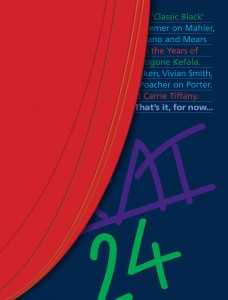
HEAT 24: That’s it, for now… edited by Ivor Indyk

Giramondo Publishing, 2010

This issue of HEAT being named as the magazine’s last could indicate two separate things. One is the opportunity that arises from this; with each ending a new beginning could take place. The other is that the magazine might not be ending. In his editorial, Ivor Indyk cleverly opens with “Though there is always the possibility of a return, this will likely be the last issue of HEAT magazine in print form.” So we might endure a hiatus of feeling the sheer weight of each issue in our hands. Or we might have to convert to reading it online (an option with which Indyk seems quietly animated). Or we might have to say goodbye to the publication altogether. Whichever the outcome, this is somewhat monumental in the scope of Australia’s literary landscape, especially for poetry. Few high quality literary magazines have such a high percentage of poems per issue. I, and many out there like me, will miss that. But Indyk doesn’t play the over-romanticised gimmick card a reader like me might benefit from; this final issue has been produced just like any other issue of the magazine.

Continue reading

Posted in BOOK REVIEWS | Tagged ,

Amelia Walker Reviews David McCooey and Cameron Lowe

Graphic by David McCooey
Whitmore Press, 2010

Porch Music by Cameron Lowe
Whitmore Press, 2010

Though relatively young, Geelong-based Whitmore Press’ poetry series already boasts strong collections by Barry Hill, Paul Kane and Maria Takolander, amongst others. With Graphic by David McCooey and Porch Music by Cameron Lowe, Whitmore’s winning streak continues. Both books brim with inventive, surprising and thought-provoking new poetry.

Continue reading

Posted in BOOK REVIEWS | Tagged , ,

Dialogue between Australian and Korean Poets in Seoul

The meeting, in the form of a seminar, was held at the Yeonhui Writers Village and gave the writers an opportunity to share their poetry and discuss poetic practices in Australia and Korea. Assisted by interpreter Kim Min-jeong, genuine insights were gained and, in the true spirit of dialogue, connections were made that will hopefully lead to future collaborations and greater understandings.

Park Hyung Jun, representing the Yeonhui Writers Village, and himself a poet, welcomed the poets to Yeonhui. He then introduced, in turn, 이경림 (Yi Kyông-nim), 김기택 (Kim Ki-taek), 심보선 (Shim Bo-seon) and 김언 (Kim Un). All four of these poets will be featured in Oz-Ko (Hangul-Hoju), the third part of Cordite’s Oz-Ko issue celebrating the diversity of Australian and Korean poetry in English and Hangul.

Yi Kyông-nim was born in Munkyung, Kyeongbook, South Korea in 1947. She made her debut (by her own admittance quite late in life) in Munhak & Bi-Pyeong in 1989. Her published collections include Si-jul-hana Onda, Jap-a-mukja – which is currently in the process of being translated by the Korea Literature Translation Institute (KLTI) – and Sangjadeul. Eleven of her poems were selected for Echoing Song: Contemporary Korean Women Poets, published by the Korean Studies Research Center, Harvard University in 2005.

Yi Kyông-nim read two of her poems, including ‘Korean Women’, an early poem about her own anxiety and the Korean medical profession’s inability to understand her emotions:

Today I wanted to sleep with another man.

Today I wanted to get drunk.

Today I wanted to strip myself and loiter

in sunlit streets.

Today I wanted to loosen my hair, laugh uproariously,

and feel splendid agonies.

Which country's woman am I?

While this poem aroused laughter in the audience, as well as from Yi Kyông-nim herself, later she admitted that reading the poem aloud, after so many years, had caused her to cry. This was a moving and powerful beginning to the day’s readings and dialogue, and we were privileged to hear Yi Kyông-nim read for us.

Barry Hill then read his poems To the God Skype and Old Photo: The Union Buries, and spoke briefly about the subject of the latter poem, namely the Australian labour movement. He and Yi Kyông-nim then discussed at some length the particularities of the Australian and Korean labour movements, and their varying traditions.

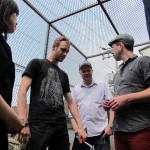
The next reader, Kim Ki-Taek (pictured, right), was born in An-Yang, South Korea in 1957. He holds a Bachelor’s Degree in English Literature from Jung-Ang University and a Master’s in Korean Literature and Linguistics from Kyung-Hee University. He made his debut in the Annual Spring Literary Contest of the Hankook Newpaper in 1989, and his published collections include Fetal Sleep (Taea-ui jam, 1991), Storm in the Eye of a Needle (Baneul gumeong sokui pokpung, 1994), Administrative Staff (Samuwon, 1999) and Ox. His literary awards include the Kim Soo-young Literary Award, the Yi Soo Literary Award, the Midang Literary Award, the Ji Hoon Literary Award and the Sang-hwa Poets’ Awards.

Kim Ki-Taek read two poems, including the slightly surreal ‘Fried Egg’, a commentary on the mass manufacturing of modern food, and the accompanying loss of connection between what we eat and where it comes from:

A fried egg,

its eyes which have never opened

its heart which has never beaten

its yellow beak which has never taken a sip of water

its rectum which has never passed droppings

freely and impartially mixed together and solidified

served up on a white plate.

Merry melodies from “The Open Concert” come from the TV

and around the dinner table with warm steam rising from it

my wife, my daughter, and I sit.

Kim Ki-Taek will be one of four Korean writers to tour Australia later this year, and his poetry is well worth checking out.

Posted in ESSAYS | Tagged

Yi Sang House, Seoul

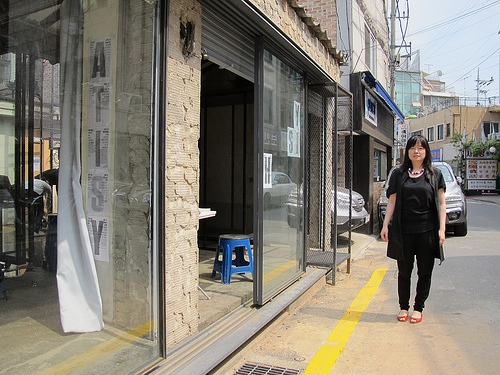
The Conversations with Yi Sang project, co-organised by artist Jooyoung Lee (pictured above), seeks to interrogate, engage with and memorialise the work of controversial twentieth-century Korean poet Yi Sang.

Located in the building in which Yi Sang once lived, the project focuses on both the reclamation of the physical structure as well as a site for multi-arts collaboration.

All this is set against the backdrop of a dabang or coffee house, which functions as a literary and artistic salon, sustained by contributions from its patrons paying for mulberry tea and whisky (double) with coffee.

Visit the Conversations with Yi Sang website.

Posted in 45: OZ-KO (HANGUK-HOJU) | Tagged , , ,

Ali Alizadeh Reviews Maria Takolander and Claire Potter

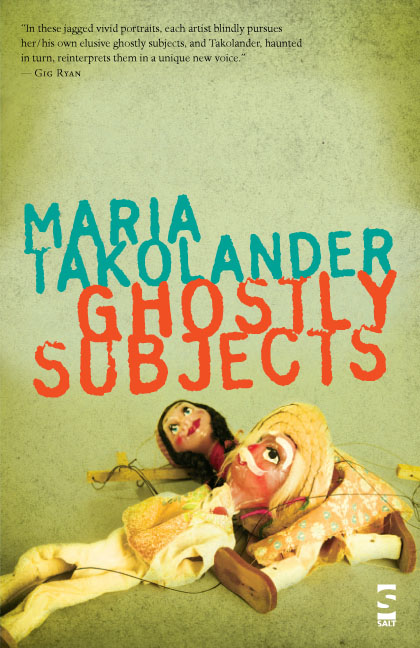
Ghostly Subjects by Maria Takolander

Salt Publishing, 2009

Swallow by Claire Potter
Five Islands Press, 2010

In his 2007 essay ‘Surviving Australian Poetry: The New Lyricism’, David McCooey identified the prevailing mode of poetry in contemporary Australia as a negotiation between experimentalism (the new) and traditional composition (lyricism). This view is apposite in describing the work of many important poets of the last couple of decades; but a number of newer Australian poets have gone beyond and broken with this conciliation. Among these poets are Maria Takolander and Claire Potter, whose startling debut book-length collections can be seen to illustrate what the radical philosopher Alain Badiou has called inaesthetics.

Continue reading

Posted in BOOK REVIEWS | Tagged , ,

Oz-Ko (Hoju-Hanguk) is now online!

If you’re a member of the Friends of Cordite FB group, you’re probably already keenly aware of the fact that the second part of Oz-Ko (Cordite 35.1 Hoju-Hanguk) is now online, thanks to FB having recently forced us to upgrade our group settings and, in the process, allowing our RSS feed to inadvertently spam the kim-chi out of all our members. So, for those who’ve been drowning in the hangul, our sincere apologies.

Of course, if you’re not a member of said group, you might still be interested to learn that Cordite 35.1: Oz-Ko (Hoju-Hanguk) contains forty new poems by twenty Australian poets, each of which is published in both English and Hangul. The task of bringing these poems to you has been nothing short of monumental. Starting with the combined efforts of twenty poets whose work was selected for this stage of the issue, followed by the Cordite editorial team’s struggles with the challenges of bi-lingual layout and formatting, and finally of course the crucial role played by our two Korean translators – 김재현 (Kim Gaihyun) and 김성현 (Kim Sunghyun) – it’s been a labour of love, and we hope you enjoy the results.

Publishing an issue of Cordite in English and Hangul has posed challenges we never thought we would come up against. In addition to the above-mentioned formatting and layout issues, the absolute incompatibility between Hangul Word Perfect (.hwp) and common (Western) document formats has given us grief to no end. Without the handy intermediary (translator?) of an application like Open Office, it’s unlikely that the issue could have been put together at all. Despite this – and despite my slightly gloomy prognostications in the editorial for Oz-Ko (Envoy) – it’s been really satisfying to see the works sitting together on the page, and to finally publish these works for your reading pleasure.

I’m writing this post from my room in the Yeonhui Writers Village in Seoul, which is the base for Cordite’s two week poet’s tour of Korea. The first week of the tour has, in summary, been intense and rewarding. We’ll shortly be bringing you images, reports and other impressions of our stay, but highlights so far have included a fascinating visit to the former residence of maverick Korean poet Yi Sang; a fantastic meeting and exchange of poems in English and Hangul with four Korean poets (Yi Kyong-lim, Kim Ki-taek, Shim Bo-seon and Kim Un, all of whose work will be featured in stage three of Oz-Ko); a lunch with staff from the Korea Language Translation Institute (KLTI) and the four Korean poets who will travel to Australia later this year; a packed reading to students and staff at Seoul’s Ehwa Women’s University; and a bizarre if not slightly harrowing visit to the infamous Demilitarized Zone (DMZ) on the border between North and South Korea.

To conclude this short, ‘bridging’ editorial, I’d like to acknowledge the support of the KLTI in co-funding the translations in this issue, as well as our Australian supporters; the friendly and welcoming staff at Yeonhui Writers Village, including the super-helpful Lauren; and of course my fellow tourees Ivy Alvarez, Terry Jaensch, Nic Low and Barry Hill, whose camaraderie this week in the face of both technical and cultural challenges has been a lifesaver.

So, on with the poetry.

Posted in ESSAYS | Tagged , ,

韓 – 濠 (Oz-Ko)

Hangul translation by 김재현 (Kim Gaihyun)


패턴인식 알고리즘은 텍스트를 위해서이거나, 아니면 다른 숭고함을 위해
정확한 의미는 피하면서 우리에게 오직 ‘애매’한 짝을 주었다.

그래서, 이 텍스트는, 현재 연구의 목적인 “韓 – 濠” 가 절대 목적이 아니라-오히려,
흔적을 찾는 시도라는 것을 알려주는 경고와 같은데,

그것은 기계번역이나 우연한 횡재를 사용하면서, 호랑이가 곰으로
변신하는 과정을 찾는다. 사실, 다른 것도 마찬가지지만, 이걸 위한 엡도 있다.

개막 스크린은 테라스 하우스 안쪽에서 사용자를 찾고
그곳은 구십년 대에는 학생들이 점거하던 곳이었는데

하지만 지금은 다른 뭔가, 좀 더 큰 무엇의 전면외관이 되었지.
마치 에이젼트 오렌지처럼, 저녁은 무자비하게 내려앉았어.

한번 그곳에 들어가면, 당신은 바람의 유화를 그리는 것처럼
기관총세례를 받게 될 거야, 충격과 놀라움을 느끼겠지. 여기에는 호주사람들이 있어

한국을 위해서도 한국에 반해서도 싸우고 있지. 포스트 묵시록
누군가는 둥지노래를 부르고 있어, 소리 없는 재건의 희망이

가득한 목소리로, 하지만 다른 사람들은 엄마도 없이 시를 쓰고 있지,
아니면 공허하거나 서글픈 메세지를 보내. 완벽한 멜로드라마가 생각날 만한,

남쪽을 바라보고 있는데, 우리는 나침판의 자침이 바뀐 것을 보았지:
삼십팔도 방향을 완벽하게 호위하면서, 한강을 건너고

그리고 북쪽으로 질주하는 거야. 오래된 민통선에 도착한 후
우리는 차에서 내렸고 아주 편리한 곳에 위치한

편의점 같은 PX에서 강장음료 한 두개를 샀지. 우리에게 물건을 팔던 젊은이는
우리의 회색 시계를 봤는지, 아니면 호주식으로 그을린 피부를 봤는지 씨익 웃는 거야

표지판에는 우리들이 읽을 수 도 이해할 수 도 없는 뭔가가 씌여 있어. 이건
예상했었지: 우리는 아무것도 모르는 상태에서 시작해.

예를 들자면, 사방 몇 킬로미터 안에 동물원도 없는데, 사자에게 먹이를 주지 마시오
라는 표지판을 이해하려면 누군가로부터 어느 정도의 친절함이 있어야 해

가능하지 그리고 획 긋는 나라는 먹을 것이 없어 울부짖는데, 비가 오는 거야.
아무것도 놀랄 것은 없어. 식상함이란 건 그런 거잖아.

당신이 보스를 쓴 그 백인 친구의 세계로 다시 여행을 간다면
그건 꽤 친숙한 것처럼 들리는데. 파란 하늘은 새로운

르네상스 같고, 인터넷 탐험가들은 URL을 타고 사막을 건너지
낙타의 발굽은 모래 속에 박힌 하이퍼링크를 클릭하고 있어,

아주 멀리에서 로라는 틸바 틸바에 갑자기 내린 비소식을 트위터로 전하지
이 두 상상속의 개념 – 濠 와 韓- 사이에

피부의 상호접촉이 있고, 흐릿하게 미래를 생각해보는 복잡한 길들이 있어.
당신은 그 길을 따라가면서 별로 많은 명시 편집자들을 만나지는 않을 거야 하지만

다시, 당신은 아무도 만날 거라고 예상하지 않았었다. 멀리서부터 들려오는
나무의 오래된 껍질이 벗겨지는 소리가 당신을 붙잡고, 당신을

주춤하게 만든다. 또한, 이 나무들 중 어느 것도 당신은 이름을 알지 못하지, 그래서
당신은 대신 농장에 주의를 기울이지. 개미들은 지그재그로 줄을 지어서

당신의 손등을 기어올라. 오래된 수로가 하나 있는데
거기는 잉어로 가득 차 있다. 우리들 처럼, 그것들도 수입된 것들이지

나무통속에 실어져서 운송되었다가, 커다란 수조에 담겨서 길러졌지. 녀석들을 잃어버린
강 속으로 풀어줘, 그리고 평화의 탑에 있는 연못 속에 풀어놓아. 우리는

연기가 피어오르고 몇 가지 화산 같은 명상을 경험했지.
물 밖으로 나와서, 우리는 잔잔한 공기를 마셔댔지만, 아무 소용없었어. 우리를

예정된 쇠락에서 구하려면 어설픈 마술사의 기술보다는 좀 더
새로운 것이 필요해. 다시 어떤 오만함을 가지고서 말이지:

만약 상어에게 공격을 받았다면, 상어를 탓해야지. 낯선 땅을
여행할 때는, 이방인을 증오해야지. 그리고 사진을 찍어서

당신의 블로그에 포스팅 하는 것을 잊으면 안 돼. 이거 왜 그러나, 우리는
살면서 한번쯤 한국을 욕하다가 걸린 적이 있잖아. 하지만 우리가 누구야?

결국, 당신의 역사라는 것은 단지 이전 포스팅이 하나도 없는
블로그의 게시판인가? 좋아, 이건 좀 거창하게 들리겠지 하지만

큰 소리로 읽으면 그땐 많은 시들도 그렇지. 당신은 새로운 무차無車 세대의
회원이기라도 한 것인지? 아니면 당신의 인생은 여행길이나 타르가 묻어나는 영화필름

속에서 뱅뱅 돌고 있는 것인지? 통도사 밖에 있는 버스운전사가 불쌍하군!
여행객들이 부처를 구경하는 동안 몇 시간째 꼼짝 못하고 있으니!

이 모든 게 친숙하게 들린다고? 우리가 처음으로 도착한 곳이라고 생각하는
이곳은 도대체 어떤 곳이지? 어떻게 우리가 적절한 시간에 나갈 수 있나,

우리의 모든 순간이 소통이 아니라 하나의 문화요소가 된다면?
서술자의 수사에 싫증을 내면서, 또 다른 한 시인은 다섯 편의 시조를 짓는다

침입자를 위해서. 시조의 복수형은 시조라는 것을 잘 봐야지, 세상의
모든 시조는 단 한편의 시조 속으로 녹아들 수 있어, 해안선처럼,

마치 네가 알고 있던 모든 해안선이 결국 하나의 텅 빈 도로가 되거나
아니면 물결이 되는 것처럼. 갑자기 수상구조원이 파도로부터 당신을 꺼내주었지

당신의 목숨을 구한 것만큼, 체면도 살려준 거야. 당신은 다음 슬라이드를 아주
유심히 보았지: 그 기억의 한 장면 속에서 우리들은 서로에게 키스하려고 했지.

국경의 경비병들은 당신에게 국적이 뭐냐고 물었지 하지만, 당신은
불타버린 마을에 여권을 두고 왔었고. 비슷하게, 두 자매가

1907년에 중앙기차역에서 발견되었는데, 두 자매도
신원을 확인할 수 없었어; 바로 3년 후에, 자매의 국가는

합병이 되었거든. 가능한 것을 재활용하기는 유일한 선택으로 증명되었지 –
하지만 어떻게 그랬냐구? 바람이 전하길 불가능하다고 했지. 건물들은 흔들리는데,

마치 나무가 “바보같이 굴지마”라고 소리치는 것처럼, 정말 그렇게 말하는 것처럼.
분명히 치유는 그것을 실행하는 것이 충고해주는 것보다 더 어렵지.

아직도, 당신의 수염기른 남자에 대한 연구는 놀랄만한 결과를 보여주었나; 사
실, 몇몇 저널들이 그 연구를 출판하는데 관심을 보이고 있었어.

번역연구에 대해서 이야기 하는 것은 아주 잘 되었지 하지만 언어와
의사소통 사이의 간극은 정말로 흥미롭지 않아?

다음 슬라이드, 두 사람과 함께 야라벤드에서 바라본 풍경, 에서
기차처럼 흘러가던 생각이 멈추고 말았어. 아마 그냥 괜찮을 거야. 결

국, 지금은 한밤중 이고, 편의점은 한 시간도 채 못되어서 문을 닫을 걸.
우리는 전에 한번 이곳에 왔었지, 어쨌거나 이유는 달랐겠지만:

당신은 황진이를 쫒아가고 있었지. 우리는 포카리스웨트를 사마셨어
밖은 아주 습했는데 음료수병에는 이온공급에 관한

뭔가가 쓰여 있었지. 나는 인시류학자의 일화에 대한 책의 자료를 모으고 있었는데,
책의 제목은 북한의 화려한 나방들이었어. 이건 아무나

써 낼 수 있는 책은 아니야. 숙주는 기생동물을 먹여 살리는 유기체야. 그래,
사실이지. 여기 위키피디아에 그렇게 쓰여 있다구. 지금 노트를 한권 꺼내서

스카이프 신에게 찬가를 한번 써 보라구. 그리고 나서 우리는 쇼핑을 하러 가기로
결정했지. 상점들은 모두 문을 열었어, 그리고 연기 자욱한 거리의 노점들도

우리를 초대하는 것처럼 보였지. 결국, 우리는 한국식 삼편 모듬을 선택했지:
번데기, 순대 그리고 맥주. 이상하게 들리겠지만, 그것들은

우리들의 뱃속에서 얌전히 앉아있지 못하더라구, 그래서 우리는 지하철
입구에서 비틀거리며 아-자-디를 울부짖었지, 하지만 여기선 아무 의미가 없었어.

뉴 사이언티스트지에 따르면, 북한은 해마다 핵폭탄을
두개씩 만들 수 있다고 해. 그런 속도라면, 북한은 앞 뒤로 한 10년 정도는

차이 나겠지만 4550년에는 세계의 슈퍼파워강국이 되고 말거야. 하지만 가프 휘틀럼이
말했던 것처럼, 전형성을 한 번 더 떨쳐버릴 때는 바로 지금이야, 지금이야

하나의 문화전체를 꼭두각시들로 만들기 위해서라면.
아니면, 단지 하나의 꼭두각시일수도…학생들은 훈련을 알고 있어: 카피, 포토커피

도서관이 문 닫을 때까지! 닉 케이브는 아마 서울에서도 유명할거야 하지만
우린 아직 알 수 없지. 당신은 “정예 대한민국 공군을 위하여” 가

진짜 뭐에 관한 것인지 알고 있나? 모두에게 당신의 생각을 이야기해줘.
아, “내 탓이오”. 그건 단지 인터넷 때문이야, 내 잘못을 추궁하면서.

이중 알파벳 기초를 세 번째로 가르치기 는 문제가 있는 것처럼 들려.
말해진 알파벳을 입체로 만들 줄 수 있는 학생들에게는

가산점을 주어야해. 여기 다시 또 구천을 떠도는 혼백이 있어
본부 바깥에 있는 인도위에 대자로 뻗어있는 것이 지친 싸이클리스트 같아, 울면서.

나침판의 자침은 다시 또 북쪽으로 돌아가 버렸어, 거꾸로 돌아가는 회전문처럼,
아니면 스크린 인쇄기의 스큄짐, 혹은 크림 브륄레 처럼. 젊은 친구들은

카페에 앉아 있으면서, 지시를 따르지 않고 있어. 사랑에 빠져 버려라.
지금 당장. 그건 너를 위한 아주 중요한 명령과 같은 것이지. 번호를 뽑아.

“내가 온 곳”에서는 절대 한 번도 말해지지 않은 언어는
귀로 들으면 정말 아름다우면서 위험하게 들리지. 입속에서 말들은

맛이 괜찮은 편이야. 이게 그거겠지? 영은 하나가 된다고? 그걸 접근 혹은
초대라고 불러봐. 다만 계몽을 위해 당신이 이곳에 온 척은 하지 말고.

Posted in 44: OZ-KO (HOJU-HANGUK) | Tagged

Enlightenment

Posted in 44: OZ-KO (HOJU-HANGUK) | Tagged

Aa-zaa-dee (아-자-디)

How can I define this Real
of language in words? Signs

betray its unsayable being
like a hoax. Has no authenticity

cheated by fakeness; condemns
all things to fantasy. How can I

praise this enemy
of appreciation? When it’s around

I’m disoriented, terrified
like a newborn. Has no quantity

beyond its lack; know it
by its non-being, risk its abdication

from your ideals by naming it
as a visible thing. Look and see

the home to the Statue of Liberty
is the empire of prisons, correctional

hellholes. How can you crave this
termination of desire? Beautiful

lover is a tundra if it’s the eternal
-ly absent flame. It’s understandable

as an ineffable terror, State
of Nature that deracinates words

like ‘nature’, ‘chaos’, ‘annihilation’.
It’s like nothing else. It’s the absolute nothing

at the core of our stifling things
’ composition. Equality, fraternity

need their triplet. I need it
to tease, evade me; like death

to define life, give it meaning.

Posted in 44: OZ-KO (HOJU-HANGUK) | Tagged ,

Grey (회색빛)

for Felicity Plunkett

i

In this World – which is not a world – black
and white withhold truths. In a world

we’d have multiplicities, the purity
of unqualified impurities. In ours we possess

, are possessed by, the comprehension
of qualified organs: terminal vs. respiratory

bronchioles of the lung, left vs. right
hemispheres of the brain. Not a scientist

(thank god) I best understand airports
life’s made me travel: arrivals vs. departures

of good and bad, tourists and terrorists,
and our so-called democracy: the Left

(cunning Capitalists) vs. the Right
(coldblooded Capitalists). Is my being

too a binary composite, bichromatic
backdrop of gloom with streaks of hope?

ii

Maybe I’d like to evoke an irrelevant
memory to name the absent thing: my desk

when my parents bought me one after
years of penury, after pouring their money

into a loan for a flashy house in Tehran’s
highest-status suburb, temporarily resigned

to their son being anti-social, introvert
ruining his spine by bending over notebooks

on the floor, asked me what colour
writing-table I wanted. Thrilled to get to choose

anything, I rejected their suggestions
(blue, blue, blue), insisted, resisted, fought

for two planks of vertical chipboard
legs joined by the horizontal third, desktop

covered in thick, grey contact. Ashen
’s so boring I remember someone sneering

(probably a nosy cousin): in Farsi ash-like
(khaakestar-ee) is the word for grey.

iii

Ashy vastness overshadowed the whiteness
of the page, incisions of my pen’s black ink

as I worked (regurgitated what I’d read)
to forge a raison d’être; and I stayed loyal

to the anti-colour post-migration. If I’d been
dark, wog and olive-complexioned

before, dislocation brought me the paleness
of a zombie’s skin, of what remains after

so much hurt, rejection, anger, self-hatred
not the certainty of black negation,

not the whiteness of success, undecidable
thing beyond the great and the ghastly

made me, overlooked immigrant boy,
loyal to the lyrics of 90s ‘alternative’ music

after I heard in a morose song: “Grey
would be the colour / if I had a heart.” The singer

a ‘Gothic’ artiste (albeit a millionaire
rock star) had just termed the emptiness

of my situation, the void of absolute colours.

iv

Cinder’s interstitial, sutures matter
to interment in ether, always

impermanent. At the point of erasure
by water or air; a caesura, exceeds

fire and smoke, cremation
is the idea of keeping alive the nothing

-ness of life against the parsimony
of urn and plaque – a person may only be

existent as a thing above and outside
body vs. epitaph, black vs. light, being vs. death

to belong to a world finally worthy
of the name, a world that can only be shaded

in ineffable, incomprehensible grey.

Posted in 44: OZ-KO (HOJU-HANGUK) | Tagged ,

copy, photocoffee (카피, 포토커피)

              
                            suppering for my art on spring
                            street,  a bright morning for korean
                            sushi:  chilli,  snow,  pine needles
                            (don’t)  mistake misnomers for
                            weasels  –  for weasel eggs open <


                  >  >  >  i love you now                     fictionalising everything.  if
                  your beak is in the                            it wasn’t for  ‘the books’  i
                  stream,  and i lie here                      would leave here,  the frogs
                  taking towelled notes


the family                     incheon                          of prejudice and secrets
gathered at                   thin cloud                      above them,  it looks

                                                                                comfortable.  your name
                                                                                rhymes with everything,  the
                                                                                way i cut it


봄의 거리에 오를 나의 예술을 위한
야식거리, 한국식 스시를 위한
눈부신 아침: 칠리, 눈, 솔잎
(절대) 잘못 쓰인 이름을 족제비로
오인하지 말 것 - 왜냐하면 족제비는 알을 깨니까 <


<<<당신을 사랑해 이제 모든 것을 소설로 만들면서. 만약 그게
당신의 부리가 시내 속에 책으로 만들게 아니면, 난
있고, 그리고 나는 여기 타월이 둘러진 이곳을 떠나겠어, 개구리들
노트에 있어


가족은 인천에서 편견과 그들도 모르는 비밀로
모두 모였어 엷은 구름 이루어진, 그건 편안해
보이긴 해. 당신의 이름은
세상 모든 것과 운이 맞는군, 내가
나누는 대로라면


Posted in 44: OZ-KO (HOJU-HANGUK) | Tagged ,

metamorphosis app for tiger and bear (호랑이와 곰을 위한 변신용 엡)

it came out of the folk
niche, voiding
stinkybreath

god hung around
an extra
night &
the
tigerwoman
jiggled her
carkeys in
her ear for the clicking
sound

the bear had his
own answer, he
bashed at his
taboo

this was about
formation, rather
than roots
rocking the
stuffed brush
turkey by the
staircase

there was no
emptiness, even the god had
a heart

it was the
tiger heir that
shouldered the
suffering

the
resol
ution
was
only
to
chan-
ge
as if
an
object

there was no memory
therefore no community; no
jealousy, or other virtue

Posted in 44: OZ-KO (HOJU-HANGUK) | Tagged ,

South – Compass Points (남 – 나침판의 자침)

It has to be north or south
it could be sou’sou’east
or nor’nor west
or ENE or SSW
and nudging like they truly do
and why not

it no longer has to be
left or right
it could be left of right
or left of left centre
and left of far right
round the back of middle

so make it south-west
and then north-east
maintain polarity
within the beast

it’s all about navigation;
taking bearings along topical and graphic lines
where things remain
north and south,
black and white.

Posted in 44: OZ-KO (HOJU-HANGUK) | Tagged ,

North – Compass Points (북-나침판의 자침)

It could be that the event had political repercussions which are beyond the compass of this poem maybe because his was not the side with those goods and services which fall within the compass of the free market even though the place had within its compass many types of agriculture and even the ship wherein Magellan compassed the world passed by here but now we hear only the cellos, playing in a rather sombre part of their compass.

It is what you get when a man has compassed his end only by the exercise of violence.

It is what you get when defining yourself by compass points.

(Author note: italics denote definitions taken from the Oxford Dictionary of English)

Posted in 44: OZ-KO (HOJU-HANGUK) | Tagged ,

‘Don’t be stupid’ (‘바보같이 굴지 마’)

I looked at his darkening profile, So, you are Korean?
No, Chinese, he said
If he were the black guy last night
I’d keep talking about Kenya and Obama
How his dad used to be working in the bank whose governor
Is now the president
Or if he were the Pakistani on my way back a few hours later
From the party where Nathan’s mouth constantly returned
To oneness, a line, or a cut
I’d probably ask the question I didn’t end up asking:
Why you look so white and like one of the hip hop guys in America?
Or if he were the white guy we’d probably plunge along the line
Of cities when he said, Oh, I wouldn’t live in Melbourne or Sydney
Not if you pay me! Here in Canberra
You’d have to learn how to
Entertain yourself
Since he’s ‘Chinese’ our conversation naturally drifted to houses
Till we came to a stop at Novotel where I had to go upstairs
To pick my luggage and come back
Frightened, I said, Would you wait for me here or?
‘Don’t be stupid,’ he said
I found myself explaining what happened in my trip to Dunedin
The cab guy drove me to the hotel but disappeared without even waiting
For the fare as I broke into a cold sweat congratulating myself
For having pulled my luggage out of the boot
He smiled his ‘Don’t be stupid’ smile as he listened
And when I came back with my three pieces
He’s still there
Afterwards when we went to the airport
He said, I still keep my Hong Kong
Passport even though I’m Australian
Citizen, you never know
You know

Posted in 44: OZ-KO (HOJU-HANGUK) | Tagged ,

Strokes country (획을 긋는 나라)

If you put people next to a stroke

Like this丨

On its right

Like this:人

You become wings

Like this:人丨

If you want to be air

Borne you put the person along

Side an English

Letter: H

Like this:人H

You are high

Up there

In the strokes

Country that is how

I learnt

The language

Stroke by

Stroke

I language

Stroke

By the side

Of Jiangbian

Or Gangbyeon

Language into

Language into

江边

Posted in 44: OZ-KO (HOJU-HANGUK) | Tagged ,

Oil on Air (바람의 유화)

To think of all the expectant creatures circling about,
the gulls circling, the white cat dozing into orbits beside me,
the crystalline drift of an ant colony between lines,
even the eruption of the gangly palm, over time,
would swirl in lazy, inexplicable spirals.

The way a cloud’s wound opens to pour light
on the thigh of a tumbling city,
the way a painting accumulates frayed fragments of decisions
and art is absconding to homes submerged by coasts
and the stupor of books closing, and fraying fibres, and bells.

Catch horrid hairs as they are falling,
collect the ash as it is floating, construct dams and
train lines with bolts, leap to uncertain conclusions, rims,
the particular tones of metal and crisp white,
a line provoking form, a form losing content.

Lifeless as a camera lens on an orange quilt, and pastels
on a hazy day, or there’s orange with lime-green on homes,
dogs barking at the wind’s fleece, dogs with clumps
of shit stuck in their coats, think of bowls of dead fruit,
fruit dropping from trees, a web-like hope

strung within the circles of its own filaments. Through
a revolution of sense, or a ridge consumed in fog:
the odour of things and their forms, their exhaustion,
cities swirling about in lazy spirals, waiting for space to close
and for shade, and shade, and never, ever, sound.

Posted in 44: OZ-KO (HOJU-HANGUK) | Tagged ,