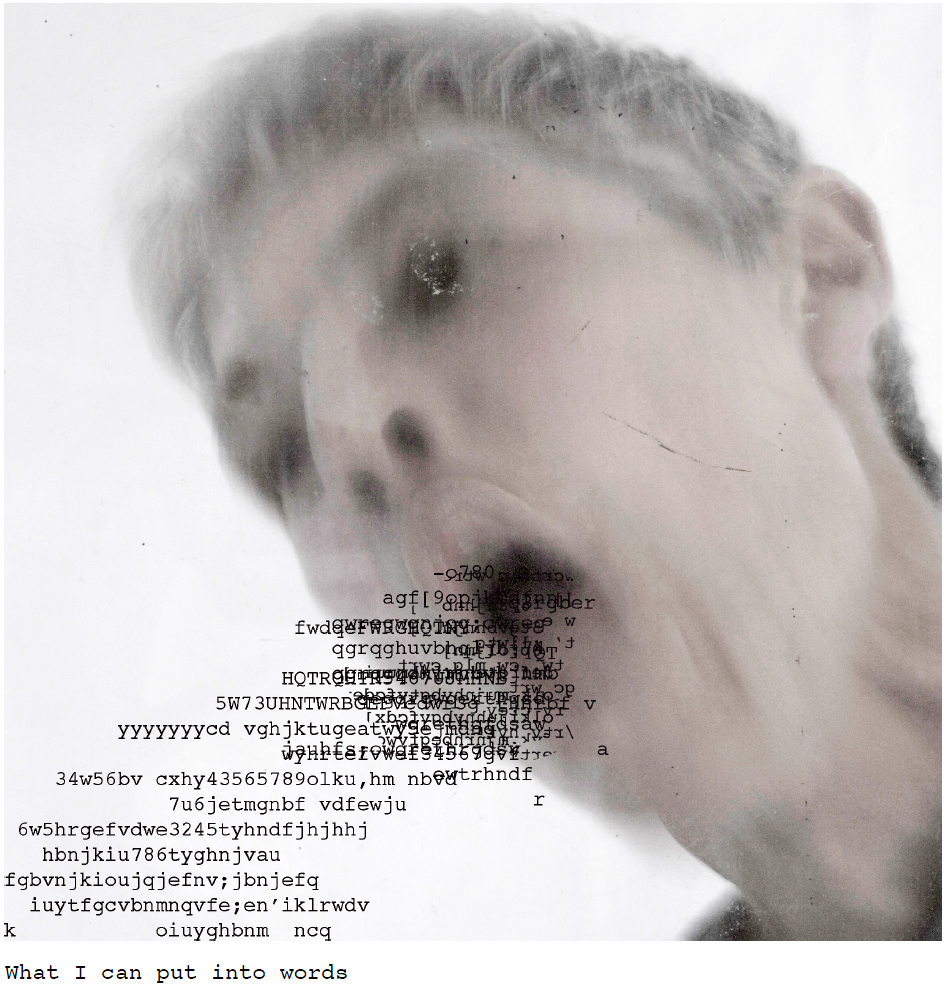
Translated by Shushan Karapetian
To the Immortal Memory of Alfred
He fixed the little fold of the white table cloth, the last glass, – yes,
yes, to the right, no, it hasn’t started, – done, he wiped and set it down
next to the tall shiny towers, – will there be any
leftovers? – buzz!
shoo! – help yourselves, – just what I needed, what fine taste you have,
straight on to the caviar, like Lusok, bread-fellow,
“The woman and the buzzer: during the last supper,” how dramatic, –
no, you are not late, please enter from the right, – but the “last,” – bro, c’mon,
I had just wiped it, – no, I don’t believe: the great one would say, even for coursework
will I still make it? – you have to be convincing…
Finger foods, for small, cutsie mouthsies, white
immaculate toothsies,
the size of one bite,
Roman – ha-ha, there is no drunken elephant, but there will be soon –
arranged with a ruler, squarelets, color by color and one by one,
Lusok cried: if you go, I’ll die,
yeah they’re shooting, but this is it, are these any lesser frontlines?
stand and arrange row after row,
row after row, row after row, they come and they
g(rigi)o?
softly smeared mushroom medley under clumps of cilantro,
little hams slivered to cheese,
pinchlets of asetrina – what was it in Armenian? the blessings of distance learning-
shiny sparkly barbequed chicken on skewers …, – yes?
excuse me, help yourselves, please, yes from the right –
piece-lings of dipshit – will there be any leftovers? …
The other is whirrlling filled glasses in a big tray
with expert acrobatics;
breaking waves (saunterers’ trajectory) of Nina Ricci
Christian Dior, Yves Saint Laurent
Chanel no 5, Calvin Klein…
–The cream, ha-ha, of society, how newspeak! –
will he come? how long has it been?
five or six months? acting as if I was hurt, – hello, thanks a lot, yes, Thursday, –
so he would know my worth, miss me, call after me,
instead I hear – buzz! – the good news, the little round bomb
ba ba boom! on me …
Thrift, thrift,
thrifty management of feelings,
the funeral baked-meats did coldly furnish
forth the marriage tables, – no, I haven’t presented
a project, well I wasn’t here, you are in, right? – argh, it’s pestering me,
shoo! Sol Partre! – yes, the topic is good, – to the syrup of my lipstick,-
good luck to you, savior of women, – force a smile, – yes, yes,
Thursday, – will he come? …
I should have been a pair of ragged claws …
Here’s the ambassador, with a white smile, for the sake of those devoted to
Toh lera unce, freehd om, and puh pah peace …
Puh pah pee peace, yes, of course, yes, for the woman, too,
And for the child, Hector’s scraps,
but you stop becoming narrator in the process,
the only thing that’s coming on to you, shoo! and only on your lipstick: is this,
what are you to do, brains nicht, you didn’t have a husband or a proper home,
stubborn señora –
Oh, eternal feminine wail …
Writerjournalistartistsingerpainterdesigner,
the cream…whoa, what’s this ruckus, oh, ohh! of course,
it’s he himself, his foregone majesty – who can stand it, can you say shoo to this one? –
– the state is also pleased with this program
and participates, like so hand-in-hand, – to the encircling
microphone clutter, a Hugo Boss pistil, for the Gucci, Prada, Polo,
leaf cluster, –
for our nation, defense
is our defenselessness – to the tray, through tight cracks, –
how newspeak! – there is no more white? – submissive, compliant, and with a golden smile:
I’ll bring it right now, – and the waves, – for me too! – and more, more and more …
I’ll fuck your mother eh for our nation …
At night Luso, – this one’s Luso too – will slowly take her shirt off
her tired shoulders and before washing it: to the camera, –
it’s the type of job where one always need to be clean, taken care of, you know? –
she’ll bring it up to her nose, ah, what scents from remote worlds, a green
cape, a sailing-vessel, a star-studded hotel, chalices
full of black caviar, coralalalal, sand … struggle,
struggle klepto …
– Hey, hey, look, it was this one today, there is no more wh-
ite?, – he’ll take his nose out, so that he can turn and look
at the television, to the small, cutsie, mouthpiece,
white, immaculate tooth demonstration, – for our nation
like so, hand in hand, – it was the voice of the scent of the parallel world …
– Here you are with red, – white-lacquered delicate nails, mmhm: “Close up,”
diamond-condensed middle finger and thumb, pinky sticking out, – thanks,
oops, oh no, – idiot, it hasn’t even started; a stain on the table cloth, – excuse me,
it spilled, huh, turned into a Japanese
flag … No worries, – turn it … stur … sturgeon!
I remembered, – turn this way, – Zara, one sec, from the shoulder, and one more
excuse me-thank you, – turn that way, –
you know, Gaudi was wonderful, I fell in love, but it was really hot,
Paris in July, not a single museum, I’ve seen them all,
just sheer relaxation, oh, how I’ve tired from this project, –
of course, you’ll grow tired, ten months of the year
you’re loitering about in Europe, shameless grant-eater,
constantly dilly-dallying with the consul, – the middle of July?
it looks like I may have an invitation to an exhibition, perhaps we’ll see each other,
umm, I don’t know the location of the hotel yet, – screw you! sticky gossiper, – yes,
I’ll tell him of course, kiss and bye bye, – to Hector bye-bye,
bye-bye to Hector, bye-bye until death, – how did he say it? until death
I am on your side … ‘till death do us part, joice and rejoice,
crashing cymbals, the baked meat at the funeral repast,
with the accompanying celebrations of the welcome-baby …
You’re good at creating melodramas,
the whole hoopla is for you; yup, there is nothing else,
what’s Hector to you? or you to Hector
that you may shed a tear for him,
like some slut, measure the bile of your heart with words, wo
r r ds, yuck,
curse like a prostitute, like a house-maid,
tsk-tsk! shame on you shame on you shame on you shame on you sh
aaaaaaaaaaaaaaaaaaaaaame –
you are hell! you are it for yourself,
red-hot needles, on the lining of your dress,
red polka dots on white
yippie! and again, even sharper and sharper, even deeper …
Alimony for the heart – how legitimate! pah pah pah
puh pee, and no bomb or the like, eece of the granny panties
a hefty badaboom
hit your unrivaled society, alas, your unspoken tongue,
how I loved your Parthian, wimp, wuss …
If there were a way to become Sherlock from sissy Watson’s blah-blah
all of us wouldn’t know spy Onik’s address …
I’m fine, thank you, not yet, hope you will join us, –
force a smile, clink your glass, pht, shoo! damned thing!
good thing I saw it early on, otherwise it would have been
an appetizer with the wine, – this July? no, please …, – how did you
say contra … , – it’s been ages, – good thing he approached me, it was the last notch of
the childish babbling of English, – how are you, dear Gago? – see you, – oh yeah,
contract, – well, I’ve lost weight, I am on a diet,
yes, I’ll eat something, uh huh, Thursday, tell Gayan, –
let me smile open mouthed a bit more to this group, – probably a peach, – will he
come?…
The devil asks the Turk, the Georgian,
did you see Mara’s suntan? Gaudi, he-he, it was sooo hot, ho-ho,
listen, did you see Khcho’s piercing? I liked it a lot,
no way, not him, he has a lover, she’s a new chick, yup, come close so I can tell you,
but she’s not a girl, you’re not deaf, are you? hey girl, don’t tell anyone,
he-he, ha-ha-ha, she’s a virgin, but a boy, – whisper and rustle,
whisper and rustle, whisper and rustle, I am shivering slowly
cold, monotonous,
the raindom washed my formless shadow, I am not you anymore,
I am an owl, squeak-squeak!
did you eat my coconut? how was the taste of my … Oh, thanks, thanks,
where did I leave my lighter? – a rhetorical question
for the supposedly fiery Prometheus…
-We’ve gathered nicely, we can start the revolution …
-Hey man, for once, allow us – when did his majesty
approach? – to breathe
calmly, your revo, I’ll be damned! that
lution will not run away to the forest,
leave it for tomorrow, – amicable laughter, Turk and Georgian,
Zara and Mara, Gago and Khcho, devil and Gaudi, revolt and bolt, whisper and rustle,
ow, my stomach, yes, need to eat,
perhaps a peach, Alfie? perhaps, per
haps, the wine numbed me and the elitescented
waves, ah, I wonder, who pops your
pimples? my revolutionized, – well, the microphone,
will I still make it? they are just prepping it, –
and that one with the big yellow head,
that would always sprout under your right shoulder blade, – hey, did you notice
the blonde midget? the yellow head,
barely under the arm, – oops, am I already speaking out loud
to myself? -but how she’s landed
the sugar daddy, – velvet and fur, violin, piano, –
now do you know why they’re fucking? –
don’t exaggerate, – did I say it out loud again? – ten fingers and a tongue,
she does a good job of paying him back with grateful
fake orgasms, aah aah aah –
I’ll buy it, I’ll buy it, – on his favorite piece of beautiful furniture, –
my bed, do you remember how it snap! and I still haven’t fixed it,
the Bible, a dictionary, of the old East, the new West,
poetry, and so on, well
according to its thickness … Will the velvet lady
pop pimples?
A woman’s bed, full of sorrow…
Perhaps a peach, perhaps, perhaps, per
haps, will you eat a peach for life? or co
still conut? still swell, still fart
in front of the velvet lady? drums with your behind …
Ah, the mournful sobbing of my violin …
Oh, who now massages your feet?
who wipes your forehead with lotion?
holds your face with two palms
pressing your lids with both thumbs, –
take off your glasses, do you see
up close? tell me,
and what do you see? –
important things? with your eye? no way,
oh, if you would play
kitty-kitty –
in the Luxembourg gardens…
But are there Luxembourg gardens in the world?
where does the red flag hit the thorny scarlet rose
beyond words?
where is the bee – that is not seen, but heard, – speaking buzz-ish
in his ear?
and does the wind retain the whizzing of the z during translation?
or does it tatter one by one and each and every z
takes a letter to the fields far from the dandelions…
But are there dandelions? are the fields
on the other side of the hill there? is the sun there? is there a star
and moon? does the water plummet from the river to the ravine?
but is the ravine there
beyond words?
If there is sun, then why do the mornings rise in black darkness?
if there is water, why am I thirsty?
if the bee exists, why did the scarlet-red rose wither in my hand?
if there is the ravine, who is that jumping off
that is not the self? But … heartless girl …
No, don’t lie to me, there is no one, they are not here,
I’ve seen them in a parallel place, in another world,
here there are words that confirm them,
but now they are already bearing false witness,
but now they are already their graves,
but now they already smell like death,
but now already …
How far away is the parallel world from the heart of your heart? …
One, two, parallel, yes, it sounds good, three prizes:
1. best
2. best
annnd, the bes …
annnd, the bes …
my very first, my Turk, my Georgian, my devil, my Gaudi, –
waves of emotion and the stink of sweat
from the corners and cracks of ChanelGucciBoss …
– I wasn’t doing my work for the medal or the prize –
the champagne was mine, that’s for Nvard, she was just here, that green-turquoise over there –
yeah, what did I want to say, may the worthy be appreciated.
–Well, of course, ok, I am going to go eat something, probably
a peach, I am on a diet, say hello to Nvush
if I don’t see her, and breaking the waves,
lacerating, la-cerrrrr-attt-ing …
I broke the waves so you, so I, so
that you could rise up
here today, shit on me – what a causeandeffect
conclusion –
kick me in my stupid ass, throw me on the ground and wipe your feet on me,
just like this line, row after row, like an army of long-legged glasses
men were lined up in front of me, oh, frailty, thy name … what? –
ah these women, love over and over love over and over love …
But of course, I wasn’t doing my project for a medal or a prize,
the important part is to participate, we are all for the same important goal – listen, did you see?
this harlot’s ex-fucker has already come with his wife,
she probably still hasn’t seen them, when I said: it wasn’t for the prize, she smirked,
now go and laugh over there, did you see how she had lost weight? Laurel-Hardy,
probably from active masturbation, he-he, a cigarette
in her expert fingers, always a cigarette, yuck, fake,
cuckoo loony old woman, she’s completely lost it,
she’s already talking to her self, uh huh, enough already, one-two,
one-two, we said it sounds good already, like a fly she meddles in everything, nutty
fucker, say hel-loo to Nuh-vush, someone should ask, does Nvush
even give a shit about you, can I tell you something for real: would you believe it
if I said I don’t even care, whoever it’ll be, as long as it’s not Nvard, with her father’s position
everywhere …
I trampled on my father’s crown, the golden fleece your prize,
I tore my brother to pieces, threw him in the sea,
I abandoned my home, my own shore, I abandoned my homeland in the water,
My pair of children, I …
– You don’t have a child to pop the pimple? –
you are hell, you for yourself, when there is someone else sitting
inside of you –
o virgin kiss-ass daughter of Babylon, blessed is the one,
who will repay you your recompense,
who will treat you the way,
that you have treated others,
blessed is the one, who will take your child from you,
and smash him on the rocks,
Oh, dear Kikos, oh, dear Kikos …
Through the waves through the waves through the waves,
hey, careful, little one, where are you running? where did you come from? what’s your name?
where is your brother?
my mom has your, she has your smell too,
what about this, does she have some of this? –
a prize for the protection of oppressed women, –
oh my prize, my red medal,
on someone else’s chest,
a prize for finding women,
for putting a tongue in their mouth,
and with that same tongue, for mouthing off, – mhm, you were one of the judges, right?
you know, in the villages it’s only darkness,
just like the middle ages,
they beat women, can you believe it? those same wretched ones,
who toil in the fields all day, in dung and, you know? this bullshit,
and in the kitchen, I mean everywhere –
sorry, hey Nvard? they were looking for you, – the men get drunk, go
home and beat those miserable ones, to whom they have not given even
one drop of love, no warmth and no care, what language is that in? with what do they
eat with? – sexual object – that’s it, nothing else,
excuse me, tell me, why are you in a flutter, girl? they still haven’t announced the prize … whaaat,
yes, I saw, I saw,
and that’s the object, he-he, sexual, she’ll see right now, you’ll see how her head
has remained bowed, she can’t take care of her own issues, she is solving other
women’s problems …
Hey, idiot women, hey, Dridorian
ten girlies, down there, for whom have you
painted yourself scarlet red? or should I send you the good news in the mail? for the lot of you snoring in the donkey’s ear, ill –
informed sluts, are you still waiting for that majestic facade, on which
you’ve inflated your egos so? … Now watch how I am
shredding you into pieces,
shredding and discarding,
and needle by needle, under the nailzz, sprrrraying rrrred
on rrrred, on the blood, sprrrrinkling a good dosse of salt, garrrrlic, and pepperrr,
how I am brrringing you to yourrr
kneezzz, on a sharrrp shingle, so faccce to faccce
arrrm in arrrm, waillll like that, I am going to wrrrring poizzon
from your grrrroanz and whisperzz, –
-Mr. President, here is the white, –
and a pearl, for thy heal(th) … oh my,
hey girl, oh my, it/he/she fell …
Perhaps the rope was too thin, girl, perhaps, per
haps –
well it’s ok, nothing was left in it/him/her,
but for the new little one, that is going to be born, perhaps it would be enough –
yes, it’s a good little one, minus the footnotes, over 300 …
No! don’t hit it with the trophy, girl, yuck, how you smashed it …
Oh, eternal feminine buzzing (3 threes) …
cut
Translator’s note:
The reference to T.S. Eliot’s The Love Song of J. Alfred Prufrock in the dedication reflects the attempt by Violet Grigoryan to tackle – in a manner modeled by Eliot – the impossible task of rendering the explosive cacophony of inner thought into the physical and tangible poetic medium. The intensity and richness of the work comes from various factors, including the numerous nuanced invocations to Armenian and international works as well as the deliberate interweaving of various registers of Armenian, along with a fluid multilingualism between Armenian, Russian and English. These intra- and inter- literary and linguistic leaps were quite a challenge to convey in a translation, to say the least. Although Grigoryan’s intentional nonconformity to linguistic and literary standards (of all kinds) and preference for constant ambiguity may seem overwhelming at first, they only add texture to the main characters’ battle with their double consciousness and the author’s shared encounter with the limitations of the poetic medium.
Shushan Karapetian