CHAPBOOKS

Seeds from Rangiātea: Nine Māori and Pasifika Poets
I will never be lost; the seed which was sown from Rangiātea. This poetic saying refers to Māori descent from Polynesia, specifically the island of Ra’iatea in the Tahitian island group.
Caledonian Antisyzygy: Seven Contemporary Scottish Poets
When Kent MacCarter asked me whether I’d be interested in selecting some of the younger Scottish poets for readers to sample in Cordite Poetry Review, of course I agreed … I like the way this magazine takes its introductions seriously, and wants to bring the rest of the world to Australia and vice versa. I’m the Director of the Scottish Poetry Library in Edinburgh, and there is a lot going on at the SPL, especially during the summer when the festivals are on and the desk is the last place you’re sitting.
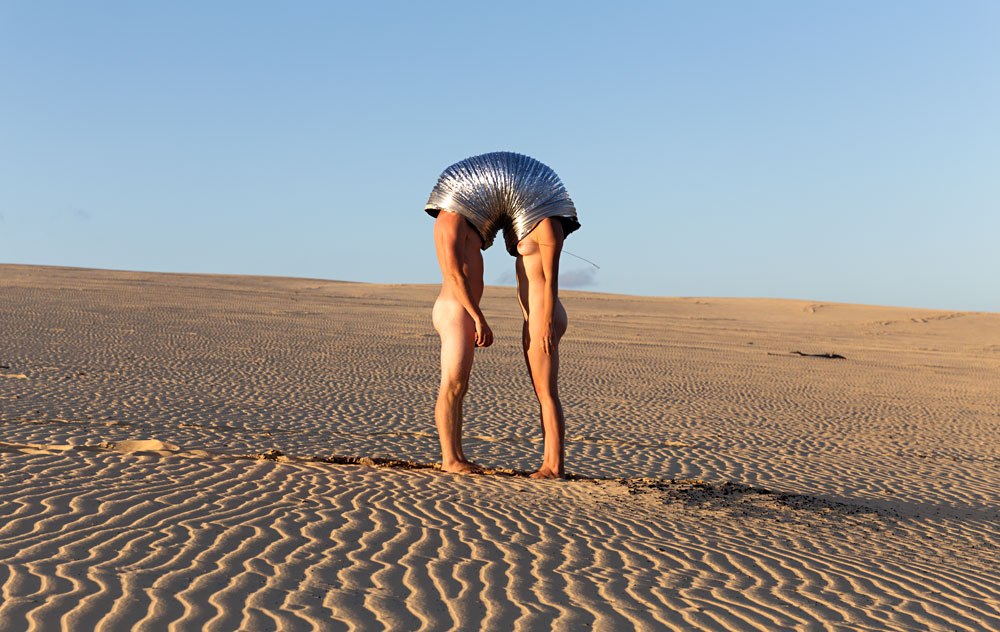
Spoon Bending: A Chapbook Curated by Kent MacCarter
There is no such thing as a good poem about nothing? What does that mean, exactly? And what’s all this about spoon bending anyways?
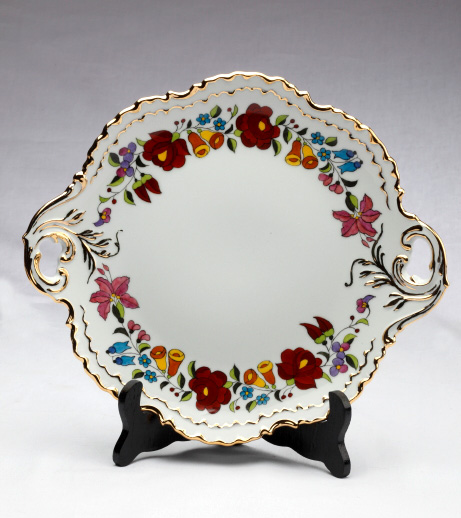
Story Circle: The Transnational Story Hub and the Inspiraciones Literarias
In February 2012, the Transnational Story Hub (University of Wollongong writers) responded in poetry to Collections of Hopes and Dreams, an exhibition of artifacts and stories of migration and settlement in Australia at the Wollongong City Gallery.
An initiative of the Migrant Heritage Project and curated by Eva Castle, this exhibition recorded the experiences of European migrants and refugees (Croatian, German, Hungarian, Polish, Ukrainian) who arrived in the Illawarra after World War II. Aptly titled The Story Circle: Bearing Witness to Hopes and Dreams, our poetry response project was supported by the South Coast Writers Centre and its Director Friederike Krishnabhakdi-Vasilakis.

Proteaceae: A Chapbook Curated by Peter Minter
In January 2013 I visited the inaugural exhibition of the new Blue Mountains City Art Gallery, an eclectic and compelling collection of works curated by Gavin Wilson and entitled ‘Picturing the Great Divide: Visions from Australia’s Blue Mountains’. I stood for what seemed like an hour before John Wolseley’s wonderful ‘The Proteaceae of NSW and Argentina 1996’ – a water colour and pencil work that is part of his ongoing creative enquiry into geological and biological temporalities, and one which advances an intensely felt and thought aesthetic of deep trans-historical and trans-biological emergence.
Presence: A Chapbook Curated by Graham Nunn
When I was invited by Cordite to curate this chapbook, my mind filled with one word … presence.
Wandering through the Universal Archive
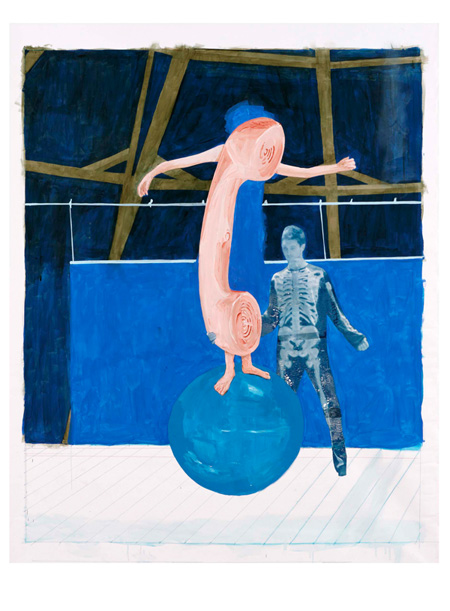
One of the sequences produced by the collaborative entity, A Constructed World, renders the phrases ‘No need to be great’ and ‘Stay in Groups’ in a range of media – silk-stitch, screen print, photography and painting. One of the painted versions of the image shows a naked woman covered in yellow post-it notes overseen by a hulking, shadowy male. These figures represent the artists Jacqueline Riva and Geoff Lowe. The image appears again in the form of a photograph and the installation was staged in various places around the world – as if the only way to get the message across would be to subject it to constant repetition in as many different formats as possible. Indeed, a number of the collective’s performances and installations attest to the impossibility of communication – even as these take the form of images that can’t fail to deliver. Avant Spectacle A Micro Medicine Show, 2011, features skeleton-costumed performers inexpertly singing and playing instruments while six knee-high wooden letters – S, P, E, E, C and H – burn like small condemned buildings at front of stage.
NZ 6-Seater: A Chapbook Curated by Ian Wedde
Invited by Kent MacCarter to convene a 6-seater of local poets from this neck of the Pacific woods – New Zealand – I faced the usual short list of questions we all try to avoid answering:
1. What do you mean, ‘local’?
2. What do you mean, ‘Pacific’?
3. Can I invite my friends?
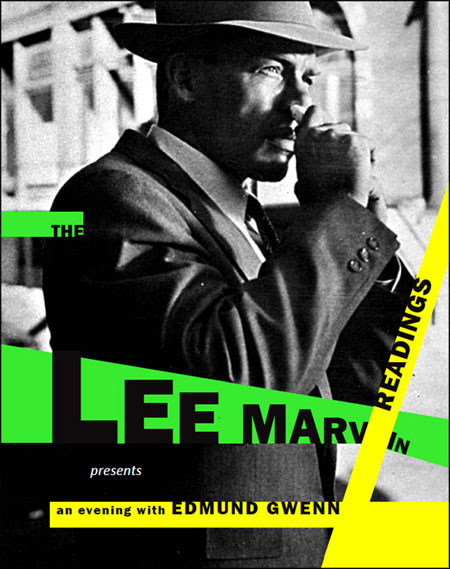
The Lee Marvin Readings: An Evening with Edmund Gwenn
The Lee Marvin Readings has run, off and on, since the 1990s. Its venue has changed a number of times – from Adelaide nightclubs like Supermild, to the Iris Cinema, to the charmingly Zurich-1917, bo-ho De La Catessan and the more robustly hard-drinking and confrontational Dark Horsey bookshop at the Australian Experimental Art Foundation, where it now takes place. The sessions have been organised, run, staffed and emceed by poet and art critic Ken Bolton.
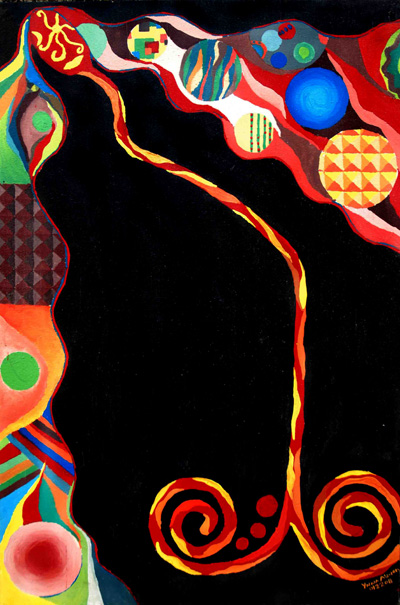
The Centre Cannot Hold: 6 Contemporary Filipino Poets
More than 92 million people live in the Philippines, making it the world’s 12th most highly-populated country. Given that many of these millions speak English as a second language, the Philippines is also one of the world’s largest English-speaking nations.
Falling Angels: A Chapbook Curated by Anna Couani
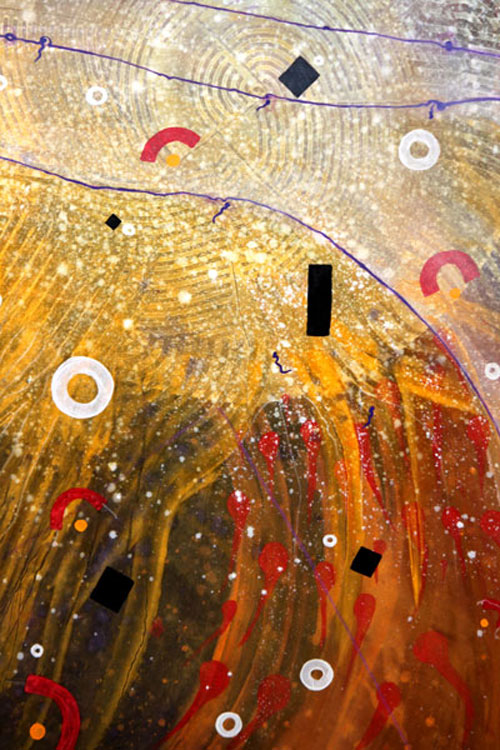
In curating this collection, I asked the writers to provide pieces that are short, edgy, and I’m happy that they have fulfilled that very loose brief. The disrupted texts they’ve produced – whilst having interesting formal qualities – also have poignant emotive qualities. The term I use for what others refer to as prose-poetry is experimental prose because I find that term broader and more inclusive. I asked several visual artists to suggest works that I could take or requested particular works I had already seen.
The Mundiad Book V
The Argument: Having found ourselves unable to fulfill the promises pretentiously pronounced in The Argument of Book the Fourth of The Mundiad, we return once more unto the aforesaid breach of promise in order to essay its repair, an essay …
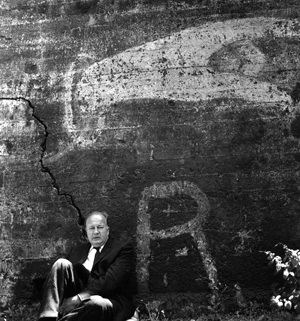
Sound, Rhythm and Meaning: A Pacific Northwest Chapbook Curated by David Wagoner
American poetry has never been more diverse in form, content, and intention than it is today. All imaginable styles and mannerisms are being made use of and show up in literary journals, and there are more of those outlets than ever before, not counting the numerous new online magazines.