μὴ τὸ κράτος αὔχει δύναμιν ἀνθρώποις ἔχειν
(“Do not proclaim that empire holds sway over human lives”,
Tiresias, in Bacchae of Euripides.)
A boy runs down the steep, stepped street,
varying his strides and his leaps
to each step’s irregular space.
His bodily memory keeps
that rhythm of his native place.
The boy explores the layered clothes
in Mama Herminia’s wardrobe.
Nearly snarling, a stole of fox
breathes out time’s stale odours. Hands probe,
and rest on a wood-and-glass box.
The boy plays with the broken-down
clock. It strikes with resonant sound
long-vanished hours, as he wheels
the minute hand. The room shifts round
in the wardrobe’s mirror. It reels …
The city has, strident or mute,
the company of plant and brute
on the White Rock: the wildlife that,
winging the void or firm of root,
owns birthright to its habitat.
Life, being local, self-enables.
The cloud the uptorn Rock compels
yields it the benefit of dew.
High on the Jurassic cliff, wells
Darwin’s orchid, with squill’s drenched blue.
Surprising out of rocks, profuse,
their slender stems light-gemmed with dew
in the morning sun, the jonquils
bestow a fragrance on this New
Year’s Day, that almost overfills.
Was the paper-white’s origin
blank — the wan metamorphosis
of one who, mirrored, love implored?
It bears now, as the “fox’s piss”,
imprint of our people’s word-hoard.
The local trades trace out their course —
ignored for monuments of war.
Mudéjar bricks remain true still
in Willis’s gunpowder store,
making known yet the Moors’ old skill.
The city’s great scene of affairs
is the roadstead. Once, steering there
by the Pole Star, pilots from Tyre
had brought fine, red-slipped, burnished ware
to emporium (not empire).
For casks of wine — heading and staves:
Canada exchanges with Spain
across this anchorage. Charleston
ships tobacco, Morocco grain,
cottons the Lancashire merchant.
With false, Jerusalem colours
the liberals clear, fate’s rudder
set for Golgotha on the beach.
The blindfolded bodies judder
as shot on shot tears into each.
A young Gibraltarian teacher
stands sixth in death’s rank. Remember
Gazzo, whose last a Capuchin
told. He, one night each December,
roams soundless el jardín de Glynn.
Britain and the rival powers
begin to count down the hours
to Europe’s holocaust. Wolseley’s
incremental poll-tax scours
civilians from the Rock, he deems.
Governor Nicholson regards
our people as foreigners, barred
by origin, connexion, tongue,
from self-rule. But from the Dockyard
a counterforce will soon have sprung.
Imperial measures contradict
one another. Some would restrict
the civil population’s size,
or deny it rights. Yet a picked
workforce the Dockyard’s growth implies.
Our people find their voice within
el arsenal itself. No din
of dominion, no soldier’s sway,
can silence it. Dockyard men win
us our first democratic say.
I honour, with communal pride,
the Gibraltarian organized
working class, union men who knew
that the history newly prised
in Petrograd was theirs too.
Think now of a city at war,
with loved ones sent far from its shore;
more true than the one Orwell drew,
a city of workers, whose core
of morale insists on their due.
Risso heads the campaign: “They must
bring our families back; entrust
the people with self-government.”
As in other colonies, just
demands prevail through mass intent.
But satraps choose who will succeed.
“Fava is too gifted. He leads.
Deport him to retain control.”
Whenever Britain some rule cedes,
it first exacts repression’s toll.
All that endeavour brought to nought?
Do not say so. What those men caught,
of our selfhood in the making,
defines the goal to be now sought;
shows the prize, there for the taking.
The clock’s hands turn, turn and return.
From our deep memories we learn
who we are; from that, what to do.
Still the hands of the world’s clock turn:
history’s hour it tells true.
The autumn crocuses raise up
their slim, pink cups, and the rains come.
The boy sits in his window seat.
From step to step the water’s tum-
bles form cascades down Castle Street.
In the Bay of the Remedies
the sun’s dipping rays dye a keen
crimson hue. The sea expresses
in its swell’s grave obscuring sheen
Lord Poseidon’s lustrous tresses.

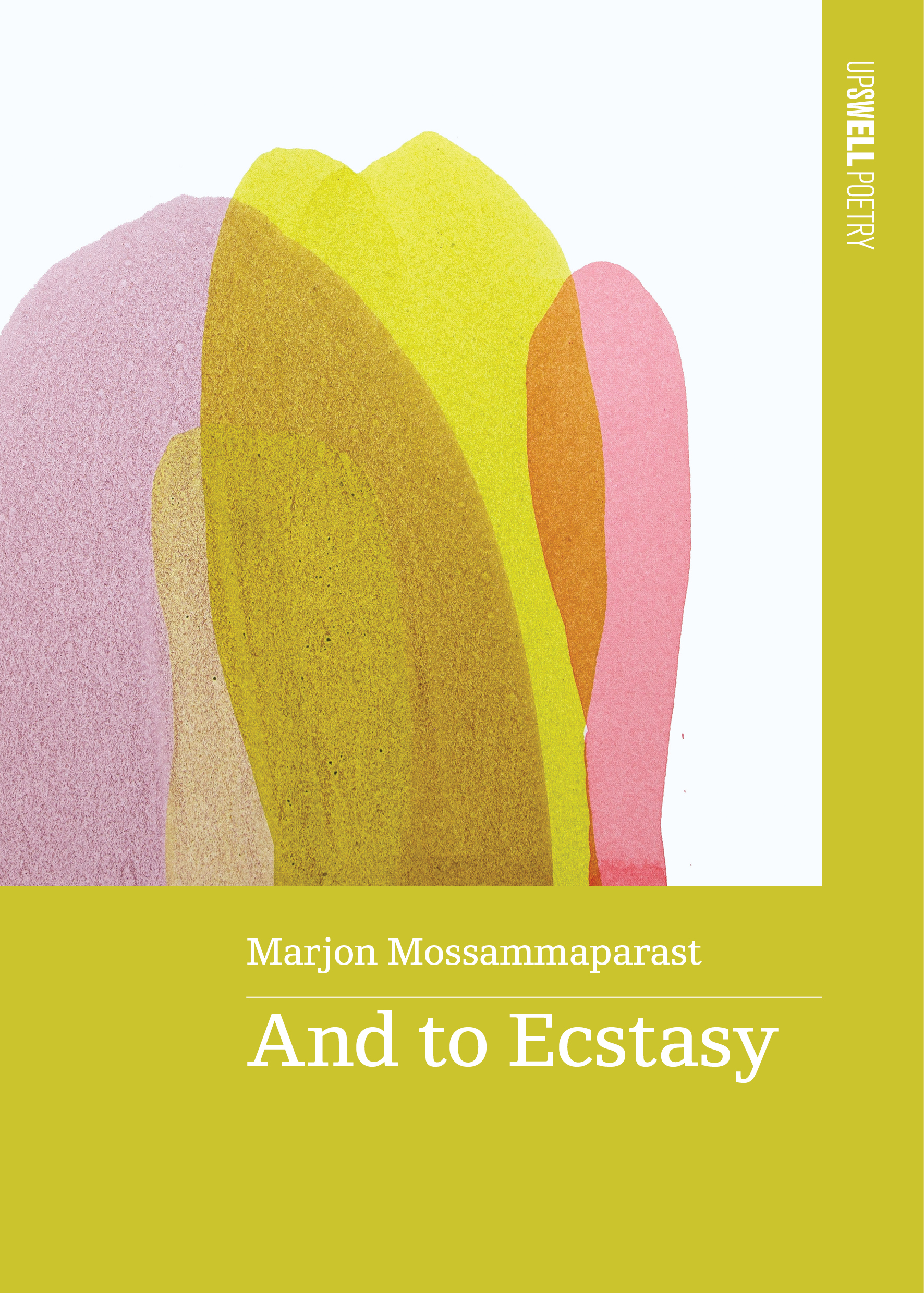
 And to Ecstasy by Marjon Mossammaparast