ESSAYS
More Intensity: Topography of Poetry Outcrops
In April 2012, I published a Guncotton blog post, responding to a paper given by Peter Minter in Melbourne. Specifically I was interested in his proposal that Australian poetry could be viewed as an ‘archipelago’ of ‘psycho-geographic’ poetic activity. With thanks to Cordite Poetry Review for inviting me, and once again to Minter for his potent departure points, I’d like to expand on that post, particularly on seeking an alternative to national/ist and ‘monolithic’ ways of framing the poetry produced in and about this continent. By proposing an ‘archipelagic map’, Minter grants local poetry an appropriate critical framework that steers away from some problematic aspects previously encountered in reading and defining ‘Australian poetry’. In doing so, this framework negotiates a view of local poetry that is properly sensible to the actual, situated ethics of poetic practice and community.

Letter to Michael Nardone
Thanks for your letter. When Kent MacCarter first invited us to co-pilot this little Cordite dinghy and asked for our thoughts on transpacificism, I fell back – on the opening lines of Richard Brautigan’s ‘Pacific Radio Fire’ – ‘The largest ocean in the world starts or ends at Monterey, California. It depends on what language you are speaking’. A tiny story of radio-burning and quotidian heartbreak, it is a narrative speck on the Pacific rim, dwarfed by ‘the hugeness of the Pacific Ocean with all its vocabularies’. Indeed, the Pacific, as a whole, is unfathomable.
Letter to Josephine Rowe
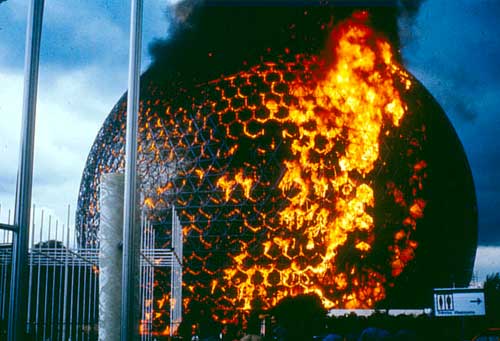
It is tomorrow where you are. There are record heatwaves and bushfires burning through the interior. Red-brown clouds of smoke where the woodlands smolder. Here, in Montreal, we are deep in snow. Deep in snow, I mutter out loud, tromping over Mont Royal: Deep in snow, eep in ow, e – i – o. Barely a syllable seems to rise above the drifts.

Secretary of Smash the State
Some influential, provocative articulations of position made by American US poet Kenneth Goldsmith are through redefinitions of the type of work that poetry is, and the type of work a poet does. Goldsmith’s critical writing continues to attract controversy in Canada and the USA, partly by how his re-figuration of the idiomatic labour of the poet challenges the discourse of craft. Rather than a specialised virtuous labourer or artisan, Goldsmith’s poetic worker is a hybrid of wage slave and outlaw.
Le roi Nickel: Jean Mariotti en Nouvelle-Calédonie
[Cordite Poetry Review published this piece only in its native French. Resources for its translation were unavailable – KM] S’il vous plaît lire les traductions en anglais de ses poèmes. C’est ainsi que Mariotti s’est présenté en 1948 à l’éditeur …
Poetry as Extorreor Monolothe: Finnegans Wake on Bakhtin
I was out drunk with friends one night in Perth, Western Australia. My father had just died. We were walking home, so to speak, and our path took us past the Church of Christ. At that, I launched myself at the wall of the church, found a toehold and lunged up into the air. I grasped the ‘t’ decal and with all my weight managed to prise it from the wall. The Church of Chris looked down upon us all. I continued on my way home, or rather to here, but not without the occasional somewhat gratified memory of the incident. I cannot help thinking of the sudden appearance of the Church of Chris as a sort of revelation, with something to say about the truth of something. That is what reading Finnegans Wake is like.
Reinventing the Ancient Across four Cultures, One Ocean
The collaborative mix of Ancient instrument, Sheng, modern reinvention, Stringraphy and Costi’s type of poetic practice led the artists to explore in detail the mythological journey of the Phoenix.
INDONESIA Editorial
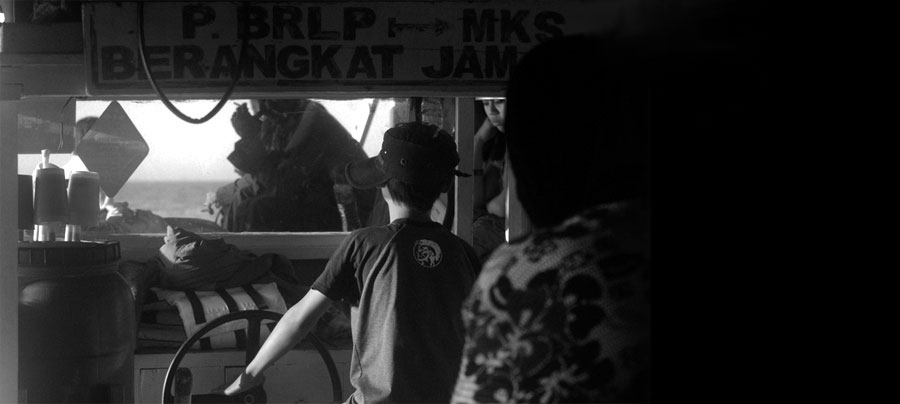
0$). So why Indonesia? How did I come to get in touch with Sapardi Djoko Damono in the first place, let alone McGlynn, Cole and Herliany? During the time I was learning the rigging of ropes and jibs that intertwine …
Editorial Introduction: Crossing Bloodlines
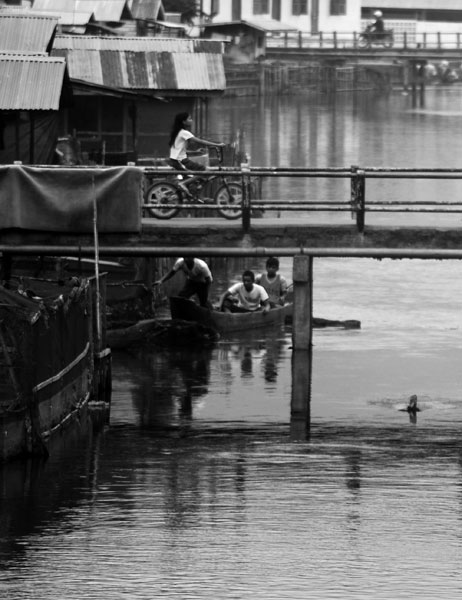
The poems in this collection trace the overlapping cycles of the human journey from birth to death across the space/time habitat we measure in footfalls and poetic metre.
Editorial Pengantar: Menyebrang Garis Keturunan
Read this introduction in English Puisi-puisi dalam kumpulan ini merunut siklus-siklus perjalanan manusia yang bertumpang-tindih sejak kelahiran sampai kematian, melintasi ruang dan waktu yang kita hitung dengan derap kaki dan ukuran puitika. Berkelana di dalam lingkup keluarga dan masyarakat, perjalanan …
THE REALPOETIK MANIFESTO
FOR TOO LONG has poetry been disregarded as a valid vehicle for the exploration of real world experience. Too often has poetry been filed in the ‘too hard’ basket and deemed ‘irrelevant’ and ‘inaccessible.’
INTERLOCUTOR Editorial
Before you do anything else today, I want you to stop and listen. I want you to close your eyes and listen to your surroundings. What is it that you can hear? Birdsong? Is it the sound of passing cars? The wind whispering?
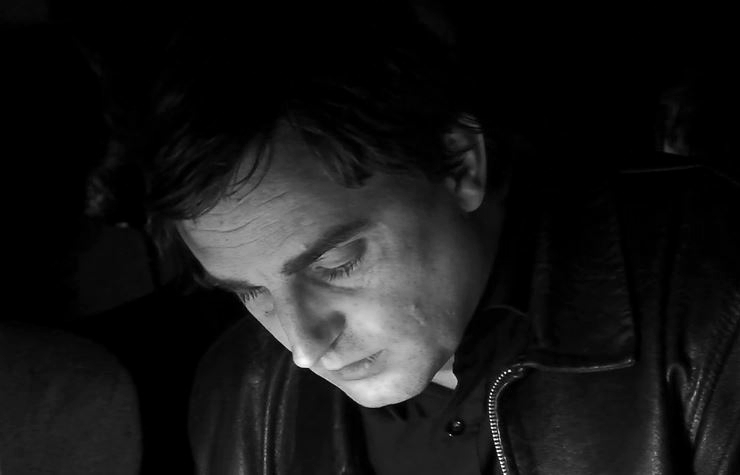
Nativism and the Interlocutor
He couldn’t remember having read the Lorca poem before, but he must have as the parallel between the two poems was too great to be coincidental, besides, he had certainly read the book years ago.
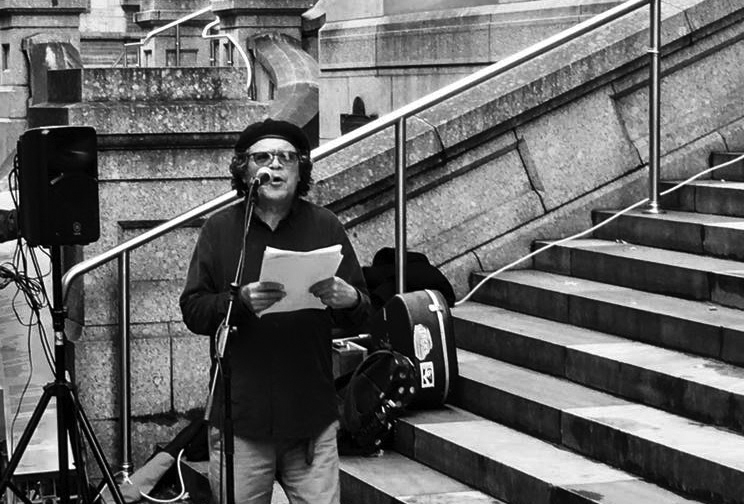
I Have Three Wounds: Of Life, Love and Death
All of what remained in us was down to hours – daily, weekly accumulations of them – silent spans like we were puppets without any public function. My family and I were silenced humans, wounds of exile struggling to enjoy just a moment in an empty Adelaide street.
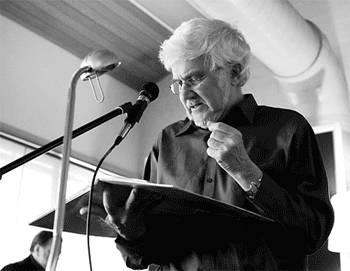
The Interlocutors: Poetry and Jazz in Collaboration
How do jazz and poetry talk to each other? Of course, they can lament their shared marginality to the majority culture – but that will take us only so far. They can boast of their heroic figures over a century (jazz) or the millennia (poetry). They can hyperventilate about the talents of the latest prodigies in either form, but that will almost always be ahead of the facts.
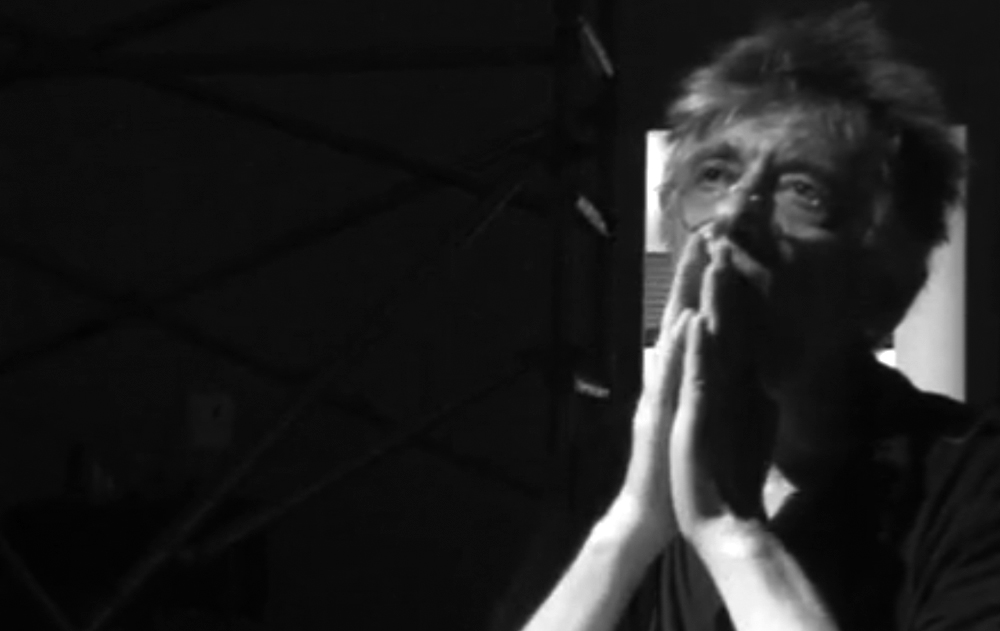
boy, what god couldve done if only hed had money
Dyslexic Empathy A (there being of course some subjects that just dont have a name (iknowcoziwasthere (a semantically deviant sentence both true and false))), a caricature of Maybe.
GIBBERBIRD Editorial
This issue is a poetic conversation between a source poem and ten poems found from within its lines. It’s a refraction of language and image through poetic prisms, an intersection of the familiar and unfamiliar, blurring the edges through the 11 authors’ interpretations.
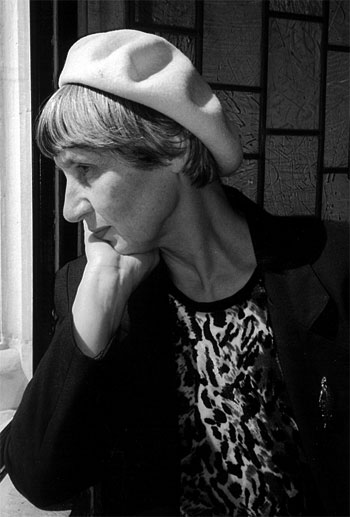
A Diasporic Journey: Greek-Australian Poetry in Bilingual and English Publications
It all started for me in 1983 when Dimitris Tsaloumas – a Greek poet in Melbourne – had just won the National Book Council Award for best book of the year with his poetry collection The Observatory, in bilingual form. In other words, he had won an award based on the translations of his original Greek poems, as the judging panel did not have any knowledge of Greek. It was certainly a first for Australian letters.
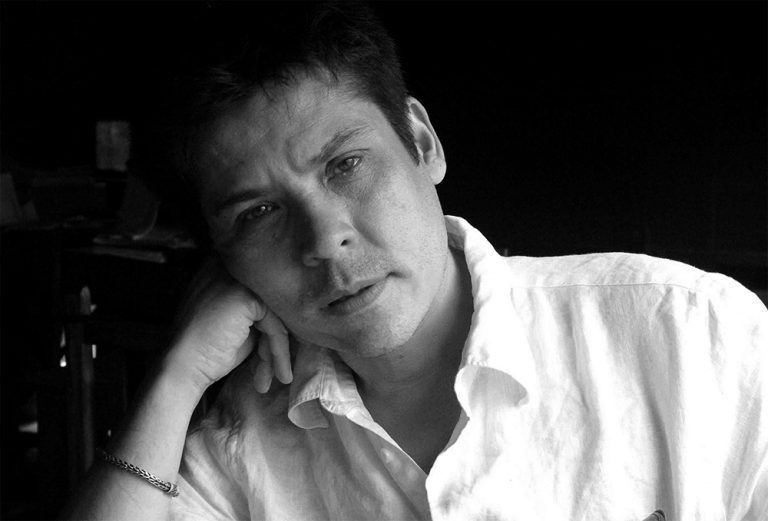
Asian Australian Diasporic Poets: A Commentary
This essay provides a survey of the poetry of some Asian Australian poets, and does not attempt to be definitive. Diasporic poetics raise more questions than they answer and are just as much about dis-placement as about place, just as much about a ‘poetics of uncertainty’ as about certainties of style/nation/identity.
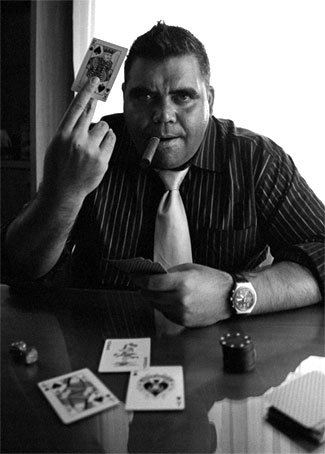
JACKPOT! Editorial
Twenty years ago, I decided to leave university after five weeks into my first semester. I’d worked hard for a year in a pre-tertiary course and discovered a genuine spring of warmth that bubbled inside of me when my college lecturers praised my creative writing assignments. Later, I was accepted into a good university and took English Literature 101. An editor of a literary journal had suggested that my short story writing was lacking in momentum, but critiqued my misadventure with words as having a certain ‘poetic’ quality. His advice was to try my hand at verse.
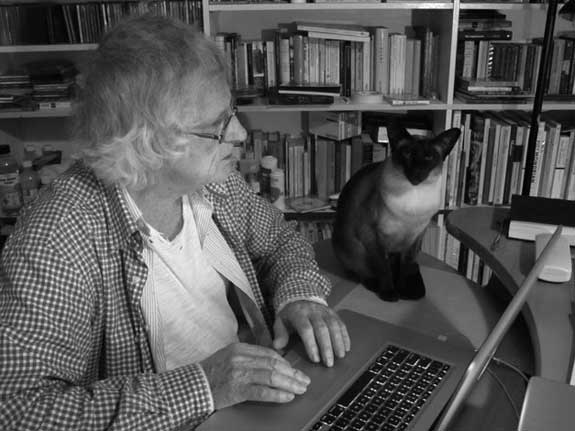
Three Poems and Webb Lecture by the Inaugural CAL Chair of Poetry
Robert Adamson began his post as the inaugural CAL Chair in Australian Poetry at UTS in February 2012. Funded by the Copyright Agency Limited (CAL) for three years, the Chair in Australian Poetry is the first of its kind in Australia.
Words Wrought in the Rockies
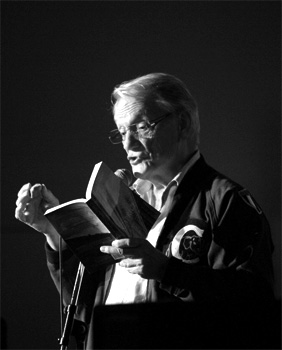
This week, Canadian poet Caitlynn Cummings, editor of the Calgary-based journal, filling station, gives us the lowdown on the recent Canmore artsPeak festival, which took place in the Canadian Rockies in June.
Notes from Narrogin and the Great Southern
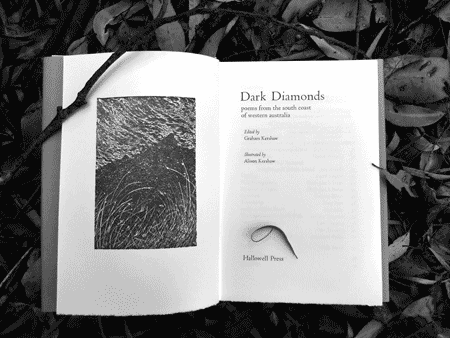
I’ve led a spoiled existence over the past few decades when it comes to living in communities with thriving programs of literary activities and writers’ festivals: firstly Perth, then Albany and Geraldton. My move last year to Narrogin has found me in much quieter environs. I’m enjoying exploring my new neighbourhood. After decades living on the coast, the landscape of the wheatbelt is slowly working its way into my poems.
Divertimenti: Hemensley on the Time of Vleeskens
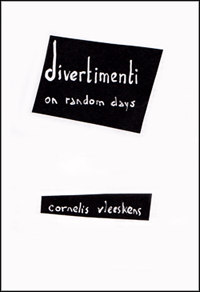
In memoriam: Cornelis Vleeskens, 1948-2012 Reading Cornelis Vleeskens’ divertimenti on random days (Earthdance, 2010), has me thinking of Franco Beltrametti, as occasionally I do. We almost met, courtesy of Tim Longville and John Riley, who’d advised that Franco, our fellow …