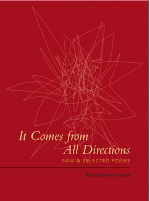
John Jenkins Reviews Rae Desmond Jones

It Comes from All Directions: New & Selected Poems

It Comes from All Directions: New & Selected Poems by Rae Desmond Jones
Grand Parade Poets, 2013

For more than 40 years, Rae Desmond Jones has remained one of Australia’s most challenging and rewarding poets, and in my opinion a major one, who has pursued an often hilarious, always astonishing and sometimes grimly confronting campaign against dullness, comfortable formulas and poetic complacency; and Grand Parade is to be applauded for drawing together some of his best work here.

Continue reading

Posted in BOOK REVIEWS | Tagged ,

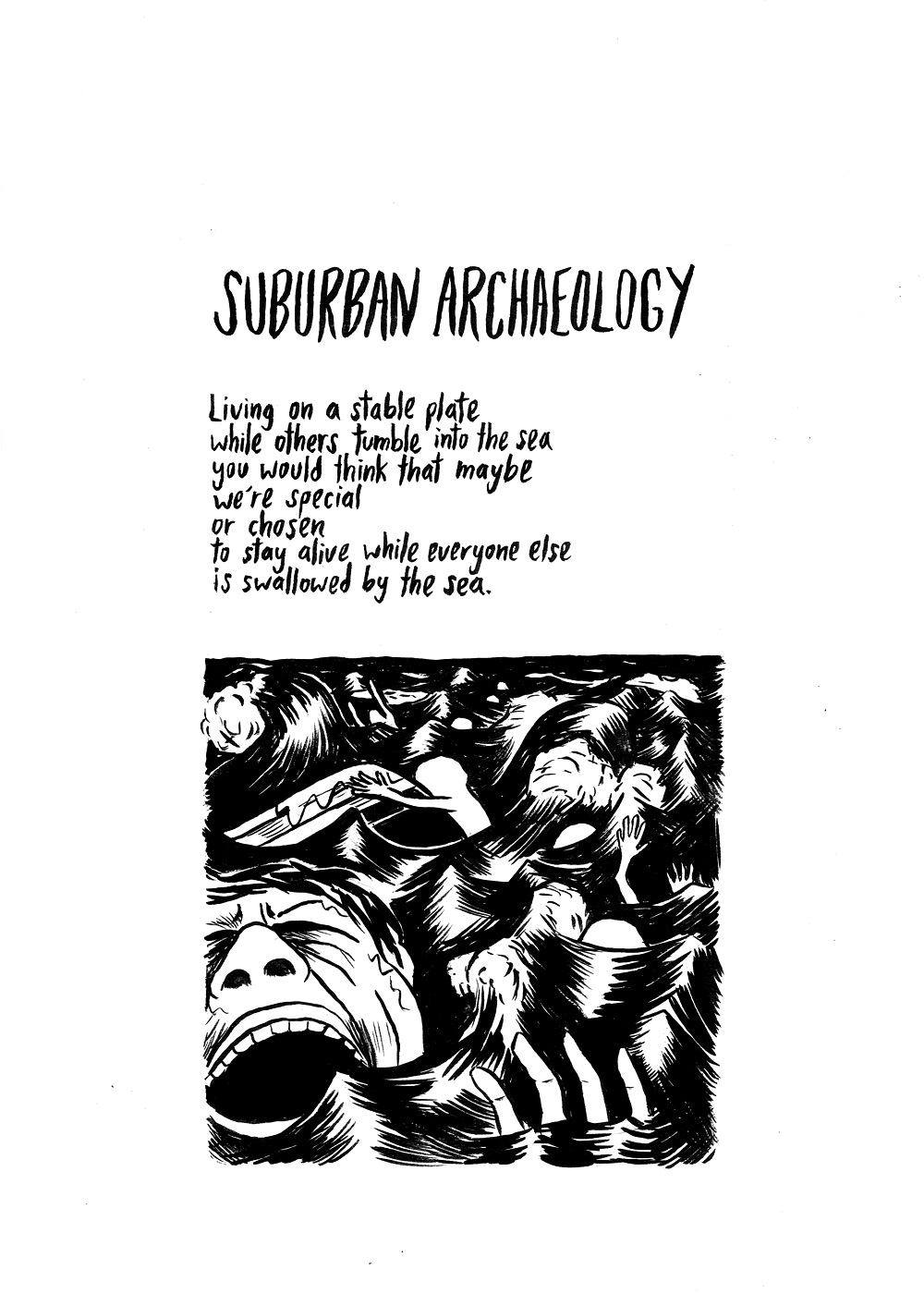
The First 17% of Suburban Archaeology (after Anna Krien)

The First 17% of Suburban Archaeology

Posted in 58: PUMPKIN | Tagged ,

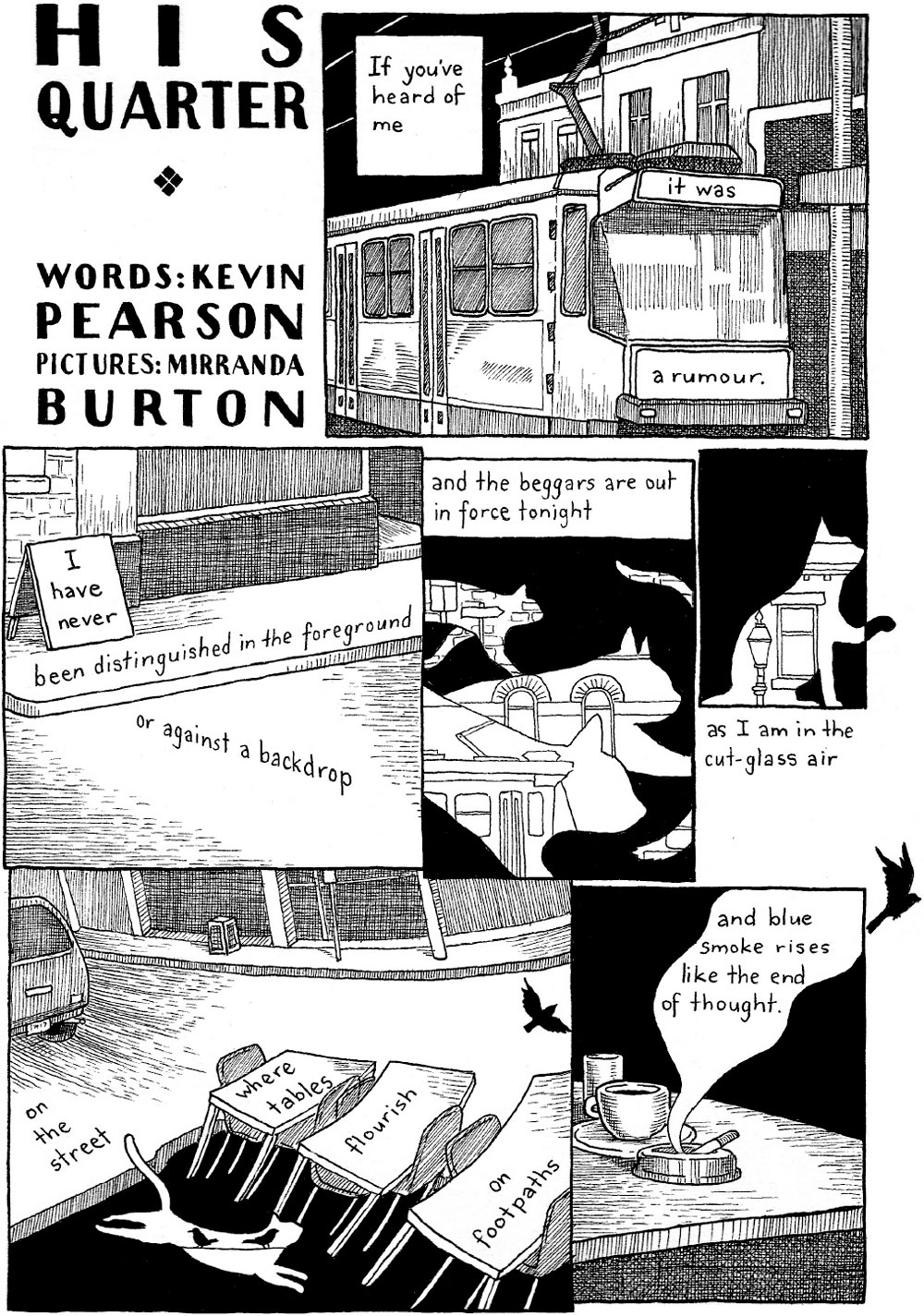
His Quarter

If you’ve heard of me it was a rumour.
I have never been distinguished
in the foreground or against a backdrop
and the beggars are out in force tonight
as I am in the cut-glass air
on the street where tables flourish on footpaths
and blue smoke rises like the end of thought.

Here, where the lost seek restitution
and the monied, overheard, can plot
a new assault on real estate,
I drift and sometimes take a seat
as unoccupied as a vacant wish,
and lift a lighter to a cigarette,
the flame as brief as an epitaph.

Being incognito and unknown
the options dictate I should sit,
my prowl from place to another place
cruelling a clung-to outside hope
that one who imagines me may stop
knowing to lose the sense of the street
is to lose the appetite for life.


This poem first appeared in The Apparition At Large, Black Pepper, 2006.

Posted in 58: PUMPKIN | Tagged

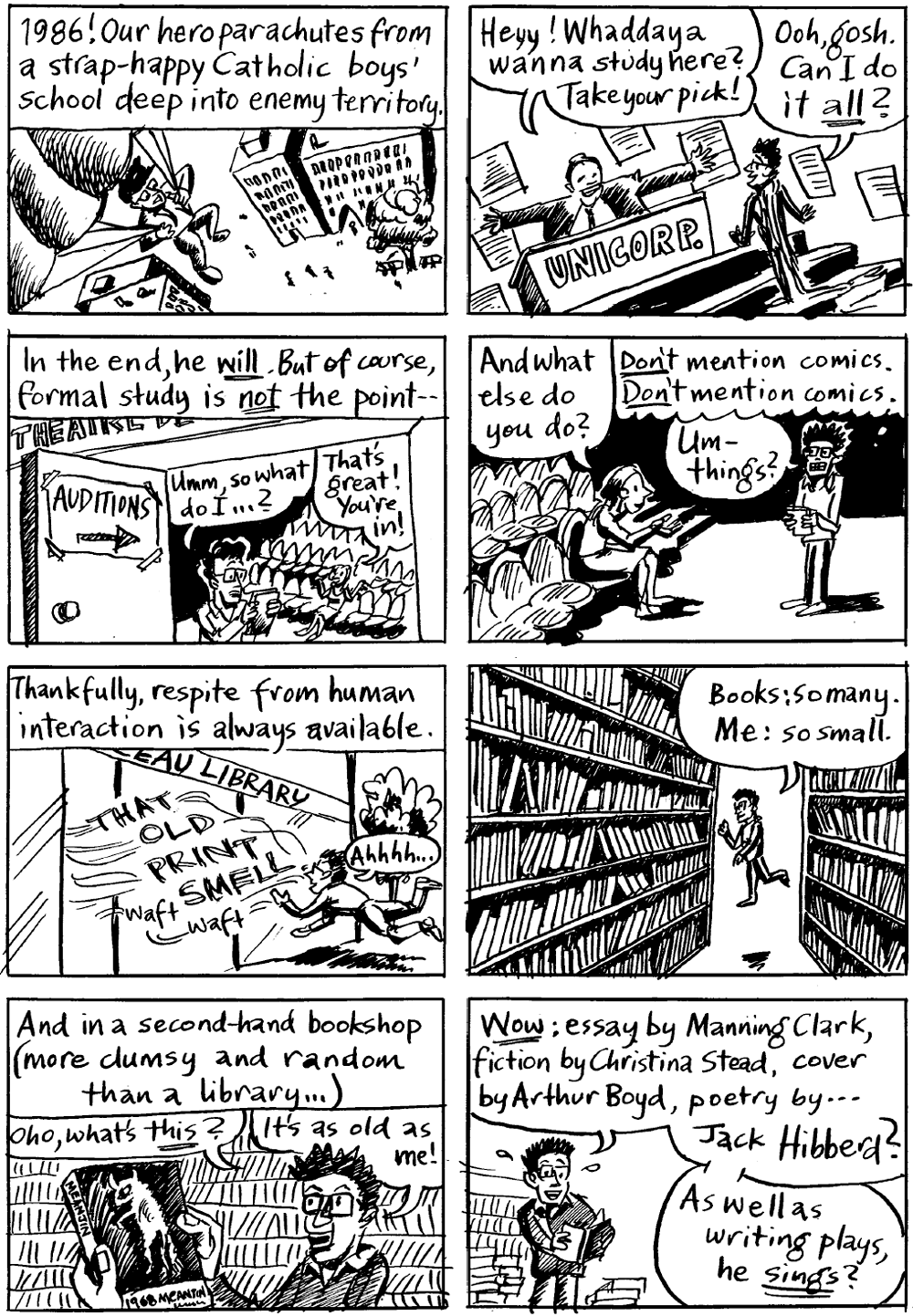
A Jesus Kind of Joy (after Jack Hibberd)

A Jesus Kind of Joy

Posted in 58: PUMPKIN | Tagged ,

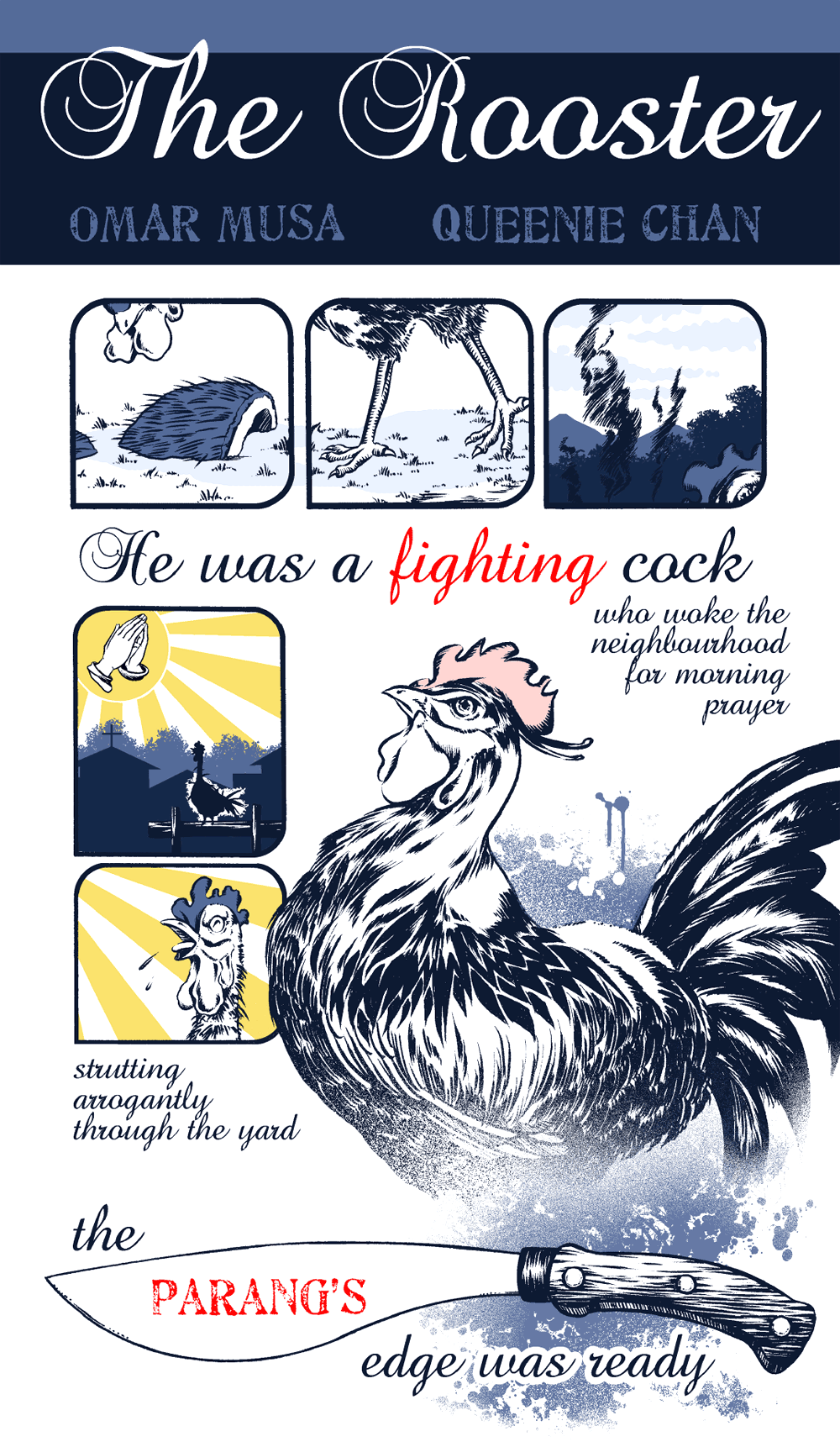
The Rooster (after Omar Musa)

The Rooster

Posted in 58: PUMPKIN | Tagged ,

Where are the dark woods?

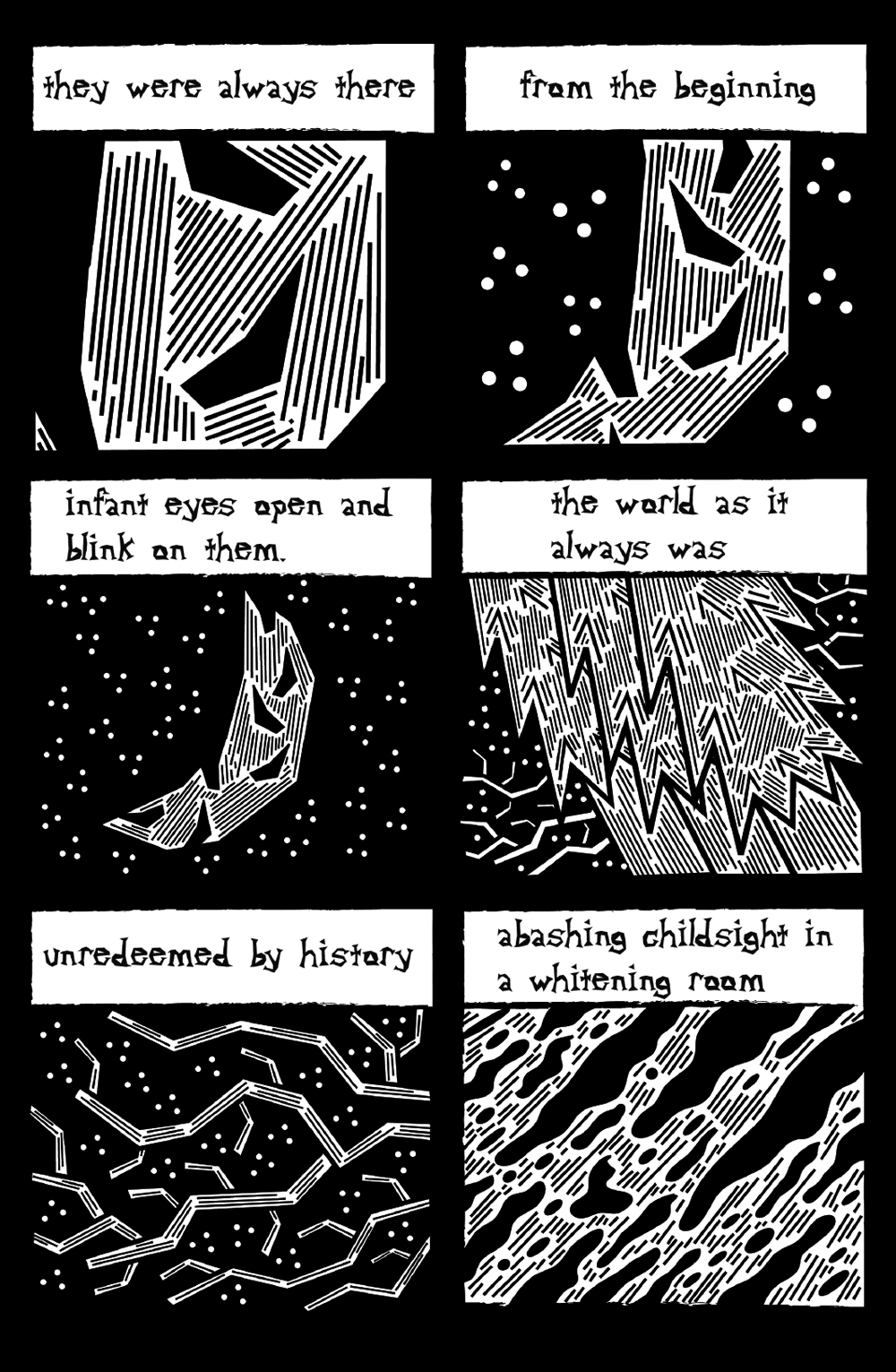
they were always there
from the beginning
infant eyes open and blink on them

the world as it always was
unredeemed by history
abashing childsight in a whitening room

and other quotidian amputations
flaring distantly now a starry abstraction

inflamed absences
eat the scratched and damaged skin
imagined as soul

who can afford to flinch at pain
the one gate left open?

that memory of complete sufficiency
a dark pulse of heaven

we have already been there and won’t go back
astir in the knived light


This poem first appeared in Attempts at Being, Salt Publishing, 2002

Posted in 58: PUMPKIN | Tagged

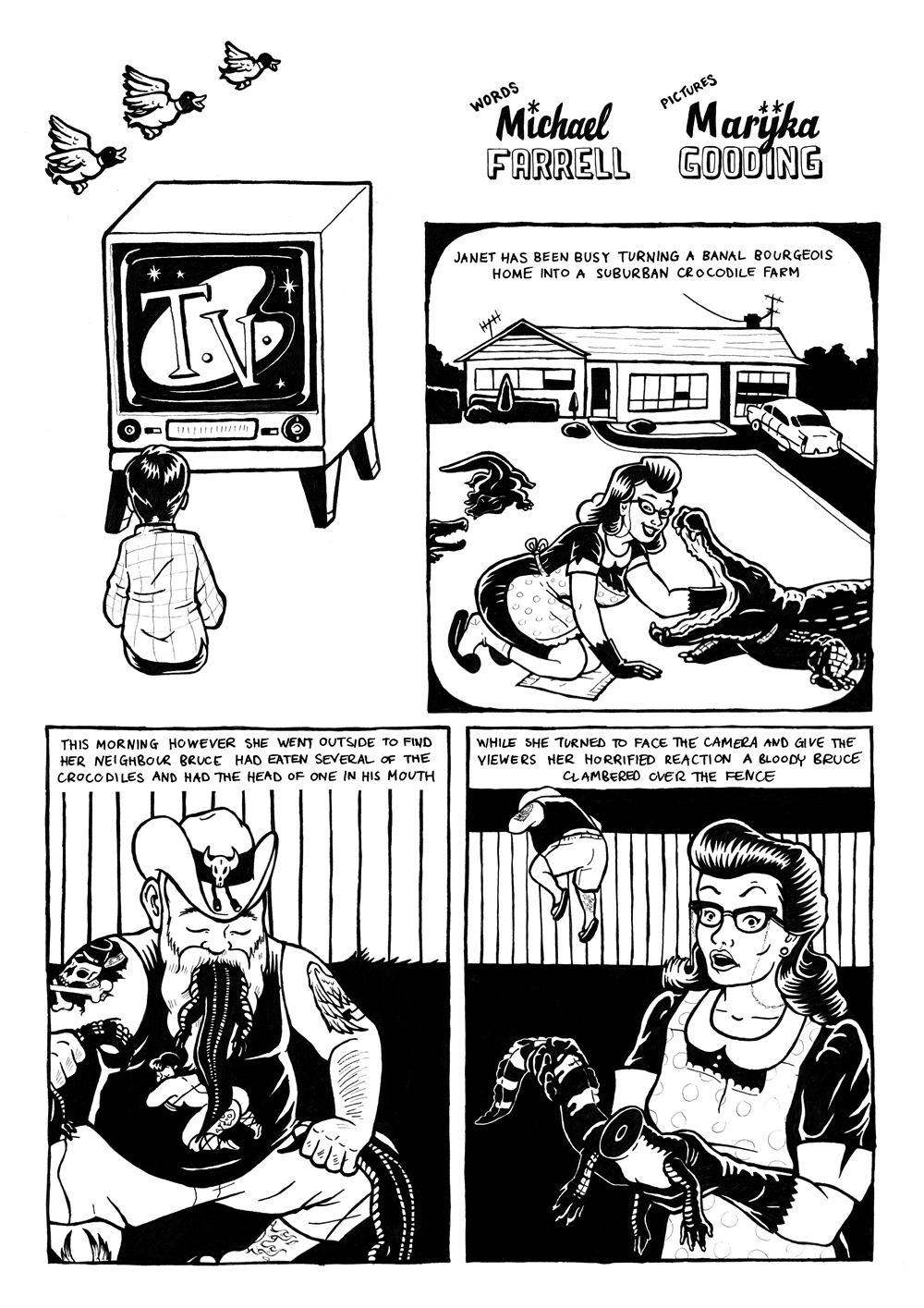
TV (after Michael Farrell)

TV

Posted in 58: PUMPKIN | Tagged ,

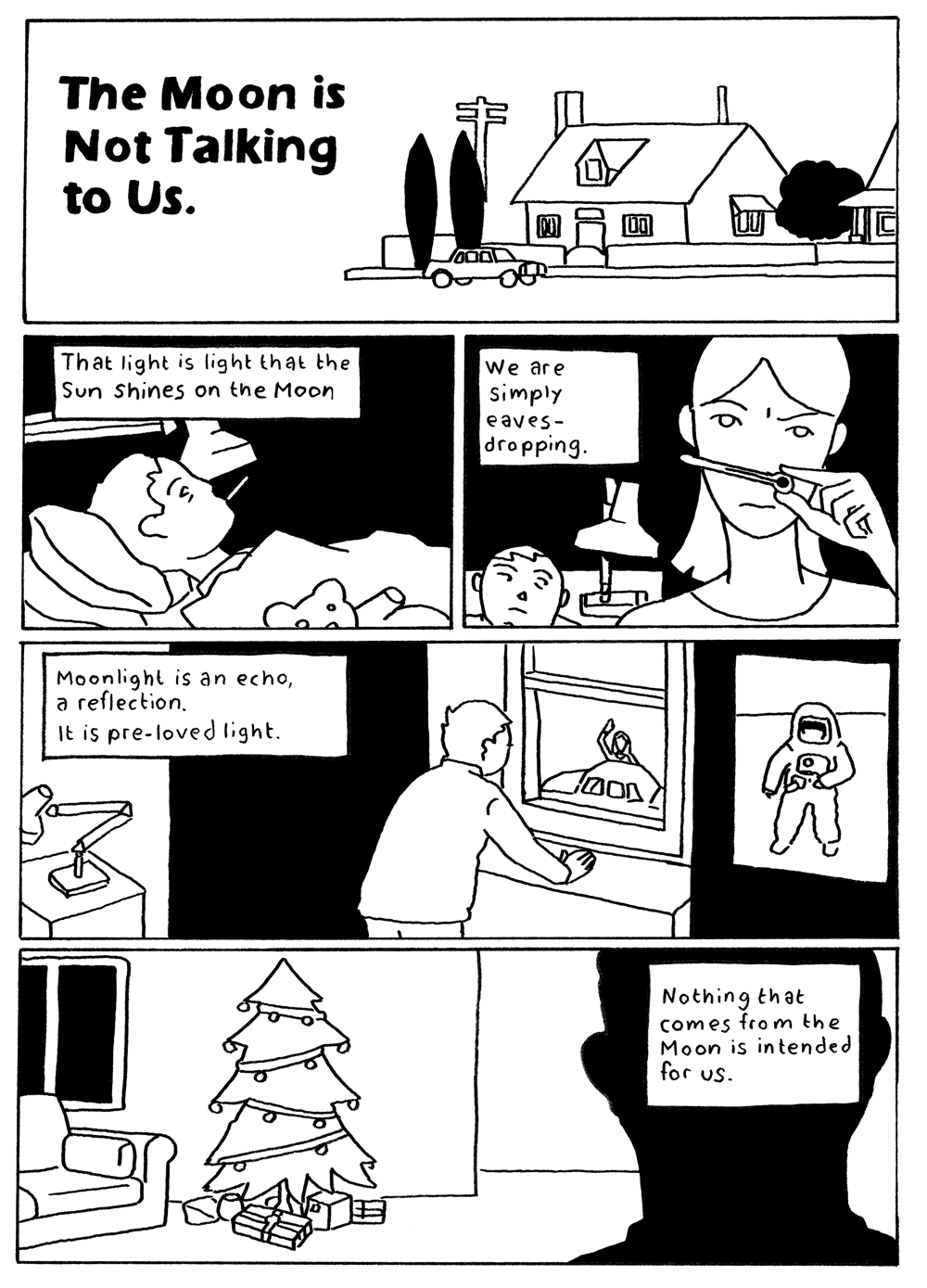
The Moon Is Not Talking to Us (after Adam Ford)

The Moon Is Not Talking to Us

Posted in 58: PUMPKIN | Tagged ,

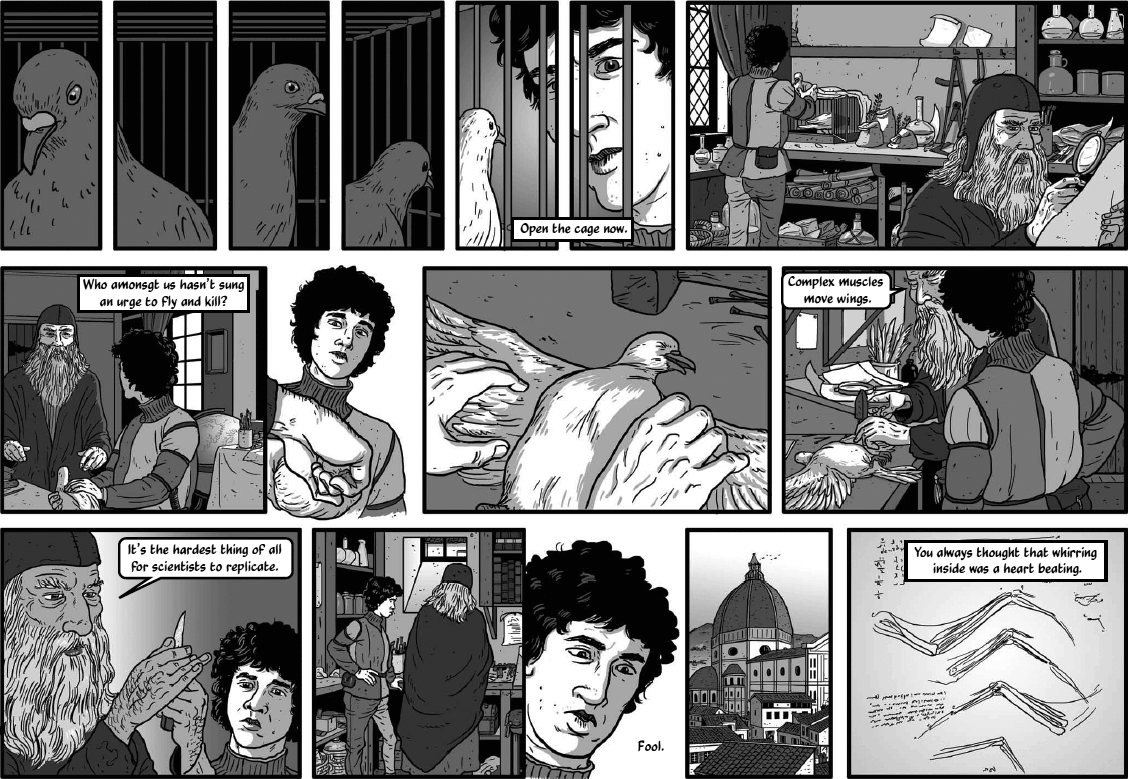
Microaviary

Hummingbird Drone

Open the cage now.
Who amongst us hasn’t sung
an urge to fly and kill?
Complex muscles move wings.
It’s the hardest thing of all for scientists to replicate.
Fool. You always thought that whirring inside you
was a heart beating.


Hatchery

In the microaviary
I am told that drones
are developed by army handlers
who simulate the flight
of moths, hawks, ravens
—anything winged
says the angel-haired man in the dock.
He watches me with Gorgon Stare,1
wings neatly clipped and hidden.

The new birds are small
but the nest is vast.
In a steel cavern in Virginia,
one hundred flat screens
hang from metal skeletons.
Think of the kindness of dentists
in small, featureless rooms,
airports at 3am, half-remembered raves.
An old grief rises up:
in the absence of bird-egg blue, cubbyholes,
antiquated soaring lyrics
I must admire
new foxholes,
a terrifying ability to see.

The man from PR has a brow
like a furrowed dune.
These are unmanned drones
he says in unmanned couplets
that surveil and kill.
He introduces me to a gifted man-child
building wings
that replicate the hovering skills of the hawkmoth.
Tested at 4500 metres
over Helmund province,
it has no smalltalk.
Nor does he.
But I saw the video of a woman at a well
carrying a large bag, then a glitch:
a flutter of fabric on repeat
her mouth opening and closing for days.

Ma’am, this partic’lar drone is programmed to spy,
unlike predator drones such as the Reaper
that both spies and strikes.

I look down at my clipboard
and long for birdseed, even soldiers with guns,
the rat-a-tat-tat of older kinds of verse.
I long to strip away
the fall-eyed angel’s khaki cloak
and sing ‘there!’
But song is not part of the technology.
Even so, it’s a growth market, sings Ashton B. Carter,
the Pentagon’s chief weapons expert,
to blue-hooded Virginian sky.


Raven drone

Troops toss Raven drones
over sandhills
as if they were model planes,
then take in the view remotely.
This is their featherless picturesque,
Johnny Appleseed’s best new video,
though some senior figures
have confessed to sword and sandal nostalgia,
a desire for knight-on-knight, bird-on-bird.
But daddy’s post-hero now,
in charge of hummingbird stock
and flapping wing technologies.
It makes no difference if he drops a uniform size;
life has flocked to him.

The trick is get them flying consistently at 18km per hour,
then to alight on enemy windowsills
and sing folk still.


Hummingbird versus Raven

‘The next month the Hummingbird and then the Raven went AWOL. The initial call I got was that the Raven was going to Africa’, said the corporal who asked for anonymity because he was not authorised to discuss drone glitches.

‘But it’d actually gone AWOL over a dark forest in Barvaria.’ The last soda straw images* coming through on wireless show the bird attempting to build a nest out of nails in the forest of Odin.


These poems form a suite first published in The Wind-up Birdman of Moorabool Street (Puncher and Wattmann, 2012)

Posted in 58: PUMPKIN | Tagged

A Jesus Kind of Joy

I profess an interest in it all,
The world-wide symphony of things,
The good, the hopeless and the small,
The crass cacophony that sings.

I hope for you, the not so tall
And the always about to win,
I wish them honey for their gall,
A sweeter sacrifice in sin.

I give to you, my maudlin man,
Love, that you might use it well
On malcontent and also ran,
A Jesus kind of joy in Hell.

I hand it out with great élan,
A little largesse for each day,
The doing well of what I can,
The loving faith in what it may.


This poem first appeared in Meanjin, 1968.

Posted in 58: PUMPKIN | Tagged

Suburban Archaeology

Living on a stable plate
while others tumble into the sea
you would think that maybe
we’re special
or chosen
to stay alive while everyone else
is swallowed by the sea.
Or maybe
because we’re so brand new
freshly shorn marines
we’re not quite ready to see the seams
of the earth
split open like a mouth.

And in this strange
cookie-cutter of a country
where waves flick like some girl’s hair,
clouds scuff against a faded denim sky
the night’s LCD ticker tape of highways,
there are only wells,
holes that shriek,
baths being drained.

Sometimes
you see them slowing down
drifting across a four-lane highway,
careening cats’ eyes.
The sky yellow and piss-coloured
spits warm into the bay.
Swimmers freestyle between buoys
and their goggles glint
as the sun sinks behind smokestacks
and empty apartment blocks
with the lights left on
by real estate agents.

You can hear the blink of ships
slipping under the Westgate bridge,
the soft plonk of fishing lines,
tinny rambling of AM radio.
There’s the clicking and cracking
of the magnet factory
as silver discs spill towards each other
across the Williamstown warehouse.

Dreams here are black,
except for the solitary flashlight
of abalone poachers.

And at night, lumps grow.

They grow up
out of the local football field
that used to be landfill,
a suburban grand canyon.
The under 18’s have to dig out car wrecks
that rise to the surface between seasons,
old Holdens bulging beneath the pitch.
In the cancer ward at Geelong’s Mercy,
women wait like oysters to be shucked,
hands over their breasts
feeling for pearls.

We drive through Little River,
past the toilet block where my grandma
once found a finger,
a small bloodied pinkie,
black hair on its knuckle.
She stood there
next to the pinkie
and strewn paper towels,
waiting for the police.

*

I run.
I never jog.

I fill the days with cups of tea,
checking on my laundry across the road
and visiting the painter downstairs
who does canvases for Ikea
to match lounge settings.
It’s all about safe colours, he says,
mulberry, chocolate brown and cream.
The post-September 11 palette,
he says the Swedes call it.

I read the newspaper.
A frat boy is found dead
post-initiation night,
his throat clogged with Hawaiian pizza.
They say his body was covered in thick black texta,
I take it up the arse
nigger lover
I suck cock
eat shit and cum.

The ink sunk in the rigor mortis
and the parents had to bury him like that,
covered in the haiku of a fucked-up generation.

I can’t stop thinking of the girl on the news
who called out of my clock radio
at exactly 7am
– I’m drowning –
when she was being raped
in her basement.

*

When I met him,
his leather bat-winged jacket flapping,
smoking hurried cigarettes,
ghosts coming out of his mouth,
I knew I was going to take to him
like lightning to a lake.

He said, striking a match,
that before matches were red, they were yellow.
The factory workers in London used to glow
because the phosphorus got into their hands and faces.
People watched them coming home,
these human lanterns in the night.

For an entire week he stood on a chair,
neck bent like Michaelangelo’s
mapping out the southern hemisphere
with 38 packets of glow-in-the-dark stars.
He copied everything straight from a map
except for the Milky Way.
That, he said, as we camped out in my one-bedroom flat,
he had traced from the freckles spilt across my nose.

While I slept, he worked.
Zooming in on strange pixelations,
wispy formations.
A police scanner alerted him to sites of homicides and suicides –
and he marked each ghost on a map of Victoria,
meticulously collecting life’s leftovers,
installing web cams
across the state and beyond,
trying to catch the rah-rah skirts of the dead.

In the dark
my hands would scramble towards him,
spiders across the sheets.
Sometimes he would take me
half-in half-out of sleep and
I would come with a film of moon
over my eyes.
In between bulbs
we ignited like headlights on the horizon
and in my bones
I could feel a deep dragging
as if something were pulling me under.

A jogger –
it’s always the joggers that find them, he says.
Clutching their ipods,
housekey on a bit of string.
They find the night’s bodies,
creaking in mottled light under bridges,
pink bloated pendulums.
Piss running down their legs
onto concrete footpaths
inscribed with teenage love affairs,
dreams coaxed to the surface.

Sometimes
the joggers note the small
squeezebox
of a heart.
A little bit of night
dragged into the day
like a cat with
blood on its whiskers.

Out the window
I watch as the owner
of the Laundromat
pushes each machine back
against the wall
after they spent the whole night
shuffling
forward on spin.

*

In summer the flat is too hot.
The stickers on the ceiling peel off.
He laughs and says
Falling Stars.

In just a T-shirt I can see
on his arms the tattoos
he had done with another girl.
Faded mistakes, I can still see them
under his new artwork,
lingering in the way
only an ex can do.

I’m gangly around his ghosts.
Arms thick and legs pylons.
Boobs like water balloons.
I close my eyes and breath our way out of the city,
past the vegemite factory,
car rattling, an old Luna Park ride
up over the Westgate bridge.
The Vicks distillery, the treated pine yards
and treated shit farm.
We pass the toilet block
where granny found the finger.

I can smell this place.
The secret blimps in the sky,
the paused kangaroos,
ink in my fingers.

Perhaps this country’s faultlines
are not so big and obvious like San Francisco’s cracks,
or shuddering like the earthquakes of Indonesia.
Maybe at the bottom of all the seas,
this place where letters land,
we are just a yellow canary
blowing out underground
eyes like poppyseeds.

Wrestling a jammed cassette
out of the player, I unravel the shiny tape.
Black streamers catch on the fingers of ti-trees.
Tomorrow the crows will line their nests
with Jimmy Little.

He slows near the salt marsh
where mum and me used to wade barefoot,
the cuts on our feet stinging
scooping up the salt in empty jam jars.
The egrets, those miniature storks,
would walk curiously alongside us,
poking their beaks into
the muddy holes
our feet left behind.

Once,
we watched a fashion shoot
on the bulldozed mounds of salt
Models in ski goggles, puffy jumpsuits and beanies,
crouched on skis.
Men managed the light with foil reflectors
and the models stared
straight ahead
down a dirt road,
an imaginary Black Spur
where the last length of power line
lit up an abandoned soap factory.
Where his most prized
webcam is on the blink.

Inside
I wait for him
beside an open container of rose-scented soap,
while he leaves footprints
on the dusty concrete floor and
hunts for ghosts
that stink
like potpourri.


This poem first appeared in Griffith Review, Autumn 2007

Posted in 58: PUMPKIN | Tagged

His Quarter (after Kevin Pearson)

His Quarter

Posted in 58: PUMPKIN | Tagged ,

The Moon is Not Talking to Us

The Moon is not talking to us.
That light is light that the Sun
shines on the Moon. We are simply
eavesdropping. Moonlight is an echo,

a reflection. It is pre-loved light.
Nothing that comes from the Moon
is intended for us. None of it is a gift,
not its light, not the tides, not the subtle

distortion of our path through space,
not the stolen moon rocks under glass.
We have left our footprints, our flags
and our memorials on its surface, woven it

into our myths, nostalgia and arguments.
We have populated it in stories, given it
a face, taken its photo, christened its craters,
but everything that comes from the Moon

is what we take or what we intercept.
The only light that is truly ours is the
light that hits us directly, the sunlight that
we absorb and reflect back into space,

light that the Moon overhears
when the Sun is talking to us.

Posted in 58: PUMPKIN | Tagged

Microaviary (after A. Frances Johnson)

Microaviary

Posted in 58: PUMPKIN | Tagged ,

The Old Rooster

The old rooster
pecked among coconut husks
and spires of smoke.

He was a fighting cock
who woke the neighbourhood
for morning prayer,
strutting arrogantly through the yard.

He had evaded death
until now.

The parang‘s edge was ready,
and just before I took his head off,
his thoughts became mine.

There was fear,
there were the stilts of a house,
a rusted fence and an eggshell,
there was the old, pointless pride.

I heard the whisk of a broom
and a flame catch on newspaper next door,
then the blade came down.

That night,
as I sat down to a thin-boned soup,
I noticed there was blood on my cuffs.

Posted in 58: PUMPKIN | Tagged

TV

Janet has been busy turning a banal bourgeois home
into a suburban crocodile farm. This morning however
she went outside to find her neighbour Bruce had eaten
several of the crocodiles and had the head of one in his
mouth. While she turned to face the camera and give
the viewers her horrified reaction, a bloody Bruce
clambered over the fence. Meanwhile, Damian has
established a roadside sewing circle in the very middle
of one of the busiest intersections on the Bayside. The
idea is to slow drivers down, calm them, he said. Yet
only this morning a teen driver slowed down to throw
a bone at him. These are the kinds of middle class
middle aged crisis projects we will be following in the
coming weeks: encouraging, hampering and generally
changing everyone’s lives with potentially lifelong if
not fatal consequences. It’s three o’clock, and Brenda
still hasn’t heard back from the council about planning
permission for the giant taco she’s planning for the town
square. She’s had her Friend of Mexico award for
a few weeks now and is beginning to get restless.
Larry’s determined to do something with or for the
local alcoholics but so far all his ideas have been vetoed
by the alcoholics. His only credit on the show has been
from helping Laura with her Ladyboy Bakesale. Finally
he starts an afternoon art appreciation film afternoon.
A storm has been forecast for Wednesday, the last day
of round three. Sergio and Prue are determined to taste
lightning, and Janet is training electric attack eels in
case Bruce makes a reappearance. Meanwhile, Laura
and the rest of the Ladyboys are wearing waterwings
by their table in front of the Staghunter Hotel. Aaron
the pub’s owner comes out and tries to rape Lana on
the street. He gets so much cream stuffed in his nose
and mouth he can hardly breathe. In the next series
Aaron, spending time in gaol, is embarrassed by visits
of the Ladyboys, who want to talk about his behaviour.


The original version of this poem first appeared in Seizure, 2013

Posted in 58: PUMPKIN | Tagged

Where are the dark woods? (after Alison Croggon)

Where are the dark woods?

Posted in 58: PUMPKIN | Tagged ,

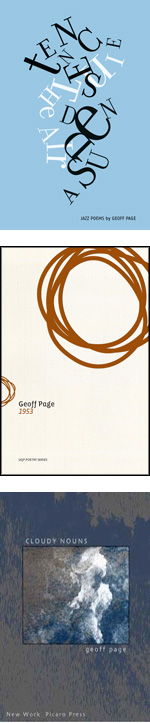
Kevin Brophy Reviews Geoff Page

3 Geoff Page books

1953 by Geoff Page
UQP, 2013

Cloudy Nouns by Geoff Page
Picaro Press, 2012

A Sudden Sentence in the Air / Jazz Poems by Geoff Page
extempore, 2011

In a 2007 review of one of Geoff Page’s previous verse novels, Lawrie & Shirley, Peter Goldsworthy names Page as a verse-novel ‘multiple offender’ in the excellent company of Murray, Porter, Wearne and Rubinstein. Goldsworthy approaches discussion of the form by reflecting, ‘If poetry is the most ancient literary form, as old as music, then the verse novel is surely the most ancient form of poetry, using the word novel loosely’ (Australian Literary Review, May 2007). The long and respectable polygamous marriage of poetry with narrative and history was, we might say, dissolved during the Romantic period, allowing the novel to find its ecological niche – and more than a niche, a whole territory. Continue reading

Posted in BOOK REVIEWS | Tagged ,

Dominique Hecq Reviews Julie Chevalier and Cath Kenneally

Julie Chevalier and Cath Kenneally

Linen Tough as History by Julie Chevalier
Puncher and Wattmann, 2011

thirty days’ notice by Cath Kenneally
Wakefield Press, 2011

Often we are immersed in our world as in body-temperature water, treading along effortlessly, unaware of distinction between self and medium. We have to thank poets for splashing water in our faces, for reminding us of the distinction. The splash may also refresh – perhaps move us to stop treading and begin noticing the bubbly and at times murky stream of language in which we are immersed. I thank both Julie Chevalier and Cath Kenneally for their vigorous splash. Take a big breath. We are under water.

Continue reading

Posted in BOOK REVIEWS | Tagged , ,

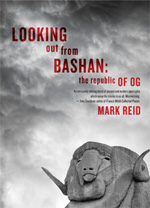
Review Short: Mark Reid’s Looking out from Bashan: the republic of Og

Looking out from Bashan: the republic of Og

Looking out from Bashan: the republic of Og by Mark Reid
Fremantle Press, 2012

Mark Reid’s poetry has always delighted and challenged me. His distinctive voice and finely-tuned ear for just the right music has given his work a potency that’s been hard-won. Reid is a craftsman. His tight phrasing and impeccable sense of where to break a line give even his more narrative poems an intense lyrical presence – particularly evident in these marvellous new poems. Reid’s invocation of and ruminations on the biblical giant Og never resort to parody or impose themselves as alternatives to autobiography. It’s hard to pin these poems down, and that’s what makes them so fresh and compelling.

Continue reading

Posted in BOOK REVIEWS | Tagged ,

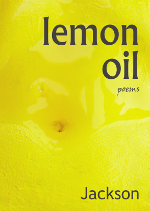
Review Short: Jackson’s Lemon Oil

Lemon Oil

Lemon Oil by Jackson
Mulla Mulla Press, 2013

The final poem in Lemon Oil, titled ‘The right metaphor’, combines the thesis of independence with the antithesis of loneliness to synthesise a new metaphor for love. Love, Jackson tells us, is not a chain, a cage, or a leash, but a long elastic cord that lets us fly free yet binds us to each other, ensuring that ‘there’s always/ a way home’. This tension between two desires (one for freedom, the other for closeness) is emblematic of the book as a whole.

Continue reading

Posted in BOOK REVIEWS | Tagged ,

Silence Turned into Objects: Looking at where Poets Write

Pisan Cantos

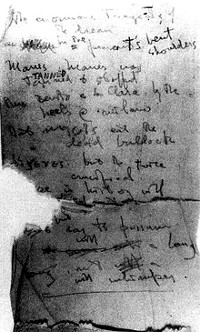
Among the most extreme, in the sense of horrific, writing places for poems bequeathed to us would be the conditions in which Ezra Pound produced The Pisan Cantos.

There is some speculation as to the exact number of those Cantos (or which versions) Pound wrote while incarcerated in 1945 by the American military in their Disciplinary Training Centre near Pisa, Italy. However, Pound certainly communicated via letter that almost all of the work was produced during his containment.

Pound was initially held outside in a reinforced cage, open to the elements, and is reputed to have slept on the ground. After three weeks – and in a state of mental and physical breakdown – the authorities gave him a cot and pup-tent in the medical compound. He had access to a typewriter, but only three texts were initially allowed to him – resulting in the in-turning into his own memory bank within the poems. The cage and Centre provided glimpses of the exterior world which are rooted throughout the poem. These progenitating vantages include the image which opens the work: ‘The enormous tragedy of the dream in the peasant’s/ bent shoulders’.

The fractured yet minutely and consciously controlled themes and language rhythms, and their recurrences – what the Times Literary Supplement called ‘a system of echoes’ – across the Pisan poems are powerfully linked to the place of their genesis: its madness-making, the content and metrical devices used by Pound to ‘ground’ or ‘peg’ the work.

Another series of famous poems whose making is linked to place is Rainer Maria Rilke’s Duino Elegies, begun in 1912, a decade before their completion. He says he heard the first line as if from an external voice while walking along a cliff-top over the Adriatic Sea, near the Duino Castle, where he was staying on the invitation of a patron. The poems were completed in a Swiss chateau especially purchased for Rilke by yet another patron so the poet could concentrate again on his work – this after an interim decade of war and the poet’s traumatised ‘writing’ silence. (If place can be critical to the writing of certain poems, so too is such generous patronage, surely.)

Where dedicated writers write, when they write (their daily rhythms), how they seek and sustain inspiration and motivation … how they clock off the concentrated time given to deepening their craft … this is intensively chronicled. What is the passion, among both writers and readers, for knowing this stuff of a writer’s life? I think it’s a desire to clue in to the magic – in the arcane sense of the word – of the creative act, via the pragmatic rituals writers often use to do so.

We are interested in these histories, perhaps, because it educates us around certain clues that other writers can provide us in bolstering our own commitment to the structures we create in. Committing to a daily timetable, or a certain word-limit to be produced daily (in the case of prose), and choosing a particular place or set of places to write in or at: these are definitely commonalities among many esteemed writers. Of course, given the crankiness of the writing art, some writers will have no need of a regular place, routine or touch-stone.

The examples of Pound and Rilke demonstrate another aspect to the issue of place; the sense of labour which is compulsive and imperative – like that of a human birth – gestating the creation, then ‘birth’ of some poems. Many poets have experienced the power of creative force unleashed in this way. Where, exactly, a poet is writing them can become irrelevant: the poem will be written, regardless.

However, having a particular place that serves poets’ writing on an ongoing basis – and one which, for poets, assists them in being ‘ready’ to write poems – is important to many.

Numerous Australian and overseas poets have been interviewed at length about their poetry-writing habits, including place, in a long-term project currently under way by poets and academics Kevin Brophy and Paul Magee.

Alison Croggon told Magee on the subject of research:

‘I don’t intend as such, to write a poem. I wait for the poem to intend itself. I think most poets work that way. While I’m actually writing it, I usually have no idea what it will be and what shape it will have until I get to the end.’

Croggon considers it important to have your ways of ‘keeping fit’ or ‘supple’ in order to write poems, which involve, among other things for her, reading criticism and seeing art. ‘I think about language a lot, consciously as well as unconsciously’, she says. ‘A lot of the work I do is about keeping myself occupied and mentally alert.’ Croggon virtually always writes (and not just her poems) at her desk at home.

Alex Skovron, at times prompted to write poems when travelling, also described his study at home to Magee as ‘a great environment for writing. It’s peaceful, it’s well-lit and it’s quiet. I have an outlook on trees and an open space. In that sense, it’s conducive. Yes, it’s an excellent environment.’

In a recent exchange, Skovron told me that he has adapted this habit – over the past few years, ‘most of my first drafts (though not all) seem to have been written away from my study, in a variety of cafés and similar establishments. After bringing home a new draft, I type it up as a fresh poem-document and simultaneously commence the editing process – on-screen in the first instance, until I’ve produced a first typed draft, and then in subsequent sessions both at my study desk and at the computer.’

With Jan Owen, talking to Magee, the focus in her interview became what she called, ‘places in the mind’ … the ‘places’ she cultivated in order to write poems from.

So: poets write in locations where they can inhabit the inner ‘place’ – including the visual, external inspiration of a certain landscape or environment – that underpins their poetry.

Owen, in an email about this article, says that she ‘often finds ideas when wandering along the beach or in the local scrub (she lives in South Australia). I write early drafts longhand and usually revise and edit in the evening at my desk with classical music as a sort of white thought background. Occasionally, when I have a few hours to spare, I sit on the verandah of the old homestead type café at the little local airfield with a pen and blank pad: good coffee, bright little biplanes landing and taking off, 1930s’ mementos – another time and place that sparks the imagination.’

So polarities exist regarding distractions or noise. In Auden’s highly mastered and long meditation on his home, Weland’s Stithy, in ‘Thanksgiving for a Habitat’, the third section, ‘The Cave of Making (In Memoriam Louis MacNeice)’, is about his writing study. Earlier in the cycle, Auden reminds us – he did not own his own home until into his fifties, due to finances – that ‘what I dared not hope or fight for/ is, in my fifties, mine, a toft-and-croft’.

For W. H., absolute silence and freedom from any distraction was imperative:

For this and for all enclosures like it the archetype
     is Weland’s Stithy, an antre
more private than a bedroom even, for neither lovers nor
     maids are welcome, but without a
bedroom’s secrets: from the Olivetti’s Portable,
     the dictionaries (the very
best money can buy), the heaps of paper, it is evident
     what must go on. Devoid of
flowers and family photographs, all is subordinate
     here to a function, designed to
discourage day-dreams—hence windows averted from plausible
     vivenda but admitting a light one
could mend a watch by—and to sharpen hearing: reached by an
     outside staircase, domestic
noises and odors, the vast background of natural
     life are shut off. Here silence
is turned into objects.

Ted Hughes, in a Paris Review interview, talked about the multiplicity of places in which he had written, and how place definitely affected what was produced in it:

‘Hotel rooms are good. Railway compartments are good. I’ve had several huts of one sort or another. Ever since I began to write with a purpose I’ve been looking for the ideal place. I think most writers go through it … Didn’t Somerset Maugham also write facing a blank wall? Subtle distraction is the enemy—a big beautiful view, the tide going in and out. Of course, you think it oughtn’t to matter, and sometimes it doesn’t. Several of my favorite pieces in my book Crow I wrote traveling up and down Germany with a woman and small child—I just went on writing wherever we were. Enoch Powell claims that noise and bustle help him to concentrate. Then again, Goethe couldn’t write a line if there was another person anywhere in the same house, or so he said at some point. I’ve tried to test it on myself, and my feeling is that your sense of being concentrated can deceive you. Writing in what seems to be a happy concentrated way, in a room in your own house with books and everything necessary to your life around you, produces something noticeably different, I think, from writing in some empty silent place far away from all that … But for me successful writing has usually been a case of having found good conditions for real, effortless concentration.

Elsewhere, when asked to nominate the tools he required in order to write, Hughes’ answer was simple: ‘A pen.’

Poet Petra White tells me she will also often write her poems in a busy café environment. Lately, she has been writing them ‘on the go’ on her iPhone, she says.

But White also undertook a deliberate self-apprenticeship in poetry in the Domed Room at the State Library of Victoria (where I am, coincidentally, writing this piece today) in her early twenties. Here she read all the poetry in English that she desired to; and began to teach herself German in order to be able to read poets such as Rainer Maria Rilke in their original tongue. Other well-known writers who have worked in this room include Chris Wallace-Crabbe (as a ‘young poet’, in the 1950s), and novelists Peter Carey and Helen Garner – she wrote Monkey Grip here to escape the clatter of a communal household.

So, among so many places to choose to write, ‘the Dome’, as it is known colloquially, is a place that is creatively haunted and resonates with a remnant aura of a century of thoughtfulness. Particular public writing and research places have this sheen, bestowing upon a writer, poet or not, a place in which to establish habits away from home. A daily ‘seat’, of sorts, in which to write – which can also grow itself, I feel, into a kind of ‘portal’. You step into it, deliberately, and become absorbed by what you are there to do. (I am struck, after writing for a number of hours into the early evening, when the room’s antique-green desk lights glow dimly in the nocturnal cavernousness of this space, that only a handful of people remain of an earlier crowd. I had not noticed a single person leaving.)

What is also true: we grow to love a place where we have written what we wanted to write, which has housed us in what we might call … kindness.

We can return to Rilke on this point for the habitat (the Château Muzot in the Rhone Valley) in which he completed the ten Duino Elegies – and then the entire, extensive sonnet suite of Sonnets to Orpheus immediately afterwards (in three weeks of February 1922) – within what he described as ‘a hurricane of the spirit’, was one he described with tenderness. Rilke moved there with Baladine Klossowska, with whom he was in relationship. His thoughts about the chateau during this period of gargantuan writing are important, as noted in a letter to Klossowska: ‘what weighed me down and caused my anguish most is done … I am still trembling from it … and I went out to caress old Muzot, just now, in the moonlight.’ And in another letter at the time, to previous lover Lou Andrea-Salomé, he wrote that, ‘I went out and stroked the little Muzot, which protected it [the writing] and me and finally granted it, like a large old animal’.

These words were to inspire Auden’s own reference to Rilke’s composition of the Elegies, in Sonnet XIX from his 1936 21-sonnet cycle, ‘Sonnets from China’. I quote this work, along with the ‘Thanksgiving’ poem, from a collected edition of Auden’s titled W. H. Auden Collected Poems – The Centennial Edition. Here, from Auden:

Who for ten years of drought and silence waited,
Until in Muzot all his being spoke,
And everything was given once for all.

Awed, grateful, tired, content to die, completed,
He went out in the winter night to stroke
That tower as one pets an animal.

Posted in GUNCOTTON | Tagged , , , , ,

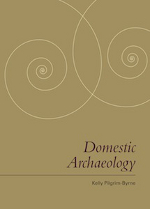
Bonny Cassidy Reviews Kelly Pilgrim-Byrne

Domestic Archaeology

Domestic Archaeology by Kelly Pilgrim-Byrne
Grand Parade Poets, 2012

In her second poetry collection, Domestic Archaeology, Perth-based poet Kelly Pilgrim-Byrne mines a personal narrative with mixed results. While she manages to achieve interesting self-awareness in some of these confessional poems, others lack such clarity and humour.

Continue reading

Posted in BOOK REVIEWS | Tagged ,

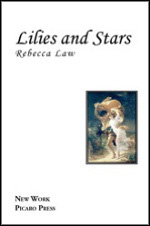
Review Short: Rebecca Law’s Lilies and Stars

Lilies and Stars

Lilies and Stars by Rebecca Law
Picaro Press, 2013

It is often interesting to read a poet’s work in relation to comments they’ve made about their own poetry (with whatever cautions you may wish to place upon such self-readings). Rebecca Law’s poem ‘Mirror and Girl’ was commended for the 2011 Overland Judith Wright Prize for New and Emerging Poets, and in an interview with the prize’s judge – poet, scholar and Overland’s poetry editor, Peter Minter – Law commented on her writing more generally:

I am reading Charles Baudelaire, Paul Verlaine, Victor Hugo and Paul Eluard because I am interested in the surreal, the symbolic and the sublime as romantic concepts that displace and liberate the word from a human preoccupation with living and dying. Contemporary French authors such as Michel Deguy, Philippe Beck and Jude Stefan transcend these concepts a little further and ‘follow’ language, allowing the word to ‘say’ rather than be ‘said’.

Continue reading

Posted in BOOK REVIEWS | Tagged ,