5 Gabriela Mistral Translations

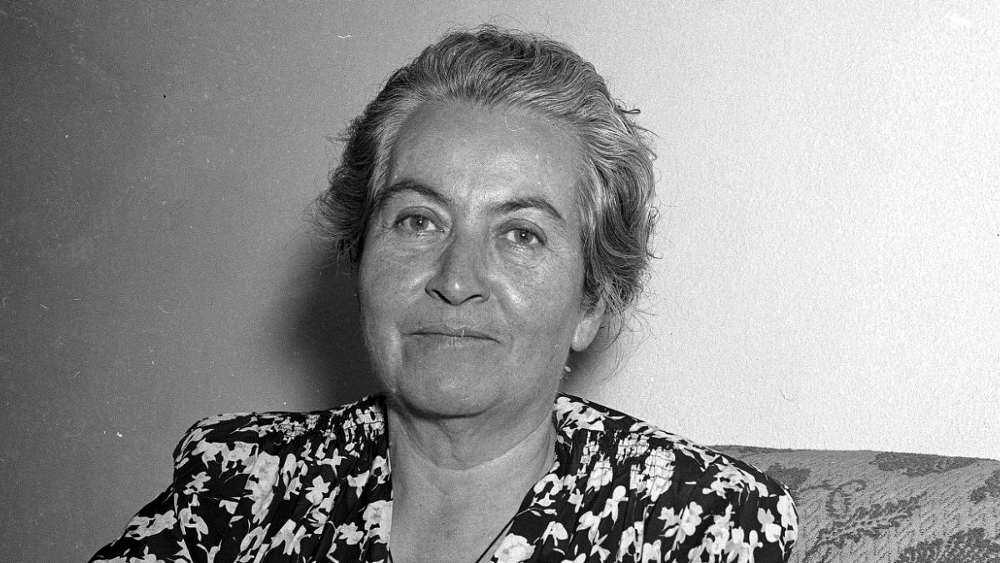
Gabriela Mistral is a central figure in 20th Century Latin American poetry. She was the first Latin American writer to win the Nobel Prize (in 1945), and to this day is the only Latin American woman to have won the award. Unfortunately, however, her work has been translated into English far less than almost all of her significant contemporaries. In many ways she is a much more interesting poet than Pablo Neruda, for example, but her international reputation is dwarfed by his. In part, this is to do with the fact that it is hard to access complete editions of her poetry even in Chile, and in part this is to do with her gender; as Ursula Le Guin argues, because Mistral was represented as a poetess, she was not taken seriously as a poet.

The only substantial selection of her work available in English is Le Guin’s Selected Poems of Gabriela Mistral from the University of New Mexico Press. Le Guin’s accomplishment is a formidable one, particularly given that she had little Spanish herself; drawing on a range of Mistral collections from different countries, Le Guin’s translations provide an incredibly comprehensive selection of Mistral’s oeuvre. For the first time after decades of neglect, the Selected Poems gave readers in English a sense of Mistral’s power, intellect and compassion.

However, the Selected Poems is marred by innumerable errors and unfortunate translation choices, not to mention an ungenerous design which crams Spanish and English versions together on the same page. Of course, this is not the space in which to provide anything like a substantial correction of these problems; instead, I offer these few translations as alternative versions to Le Guin’s, if for no other reason than to show that more than one version is possible (and should be possible, for a writer of Mistral’s calibre).

The poems included here are all from Mistral’s 1967 collection, Poem of Chile. More modest in scope than Neruda’s Canto General (1950) – where Neruda attempts to sing into being an entire continent, Mistral embarks on a kind of dream-journey down the length of Chile – Poem of Chile nevertheless relies on a similar, geomantic faith in the power of poetic enunciation to reimagine the ground of Chilean being. Three companions are present in most of the poems: a woman (the speaker), who seems to straddle the worlds of the living and the dead; a Diaguita boy (from northern Chile); and a huemul, or Andean deer. Together, they represent the three main foci of Poem of Chile – female experience, Indigenous Chile (Mistral herself had Indigenous heritage), and the natural world – and constitute the framework of a pioneering, feminist decolonial poetics.

To some degree, Mistral is anomalous in the context of a domestic literary tradition dominated by big, male communists (Huidobro, Neruda, de Rokha, et al). Next to their loud, party poetics, Mistral is a fiercely independent humanist; next to their rhetorical flamboyance, her short lines and simple rhyme schemes seem decidedly sober, if not naïve; next to their bombastic readings, her voice has a softer, Chilean twang. In all of these ways, she suggests correlation with Judith Wright, though Wright would rarely embrace her country as warmly as Mistral does in the poems here.

Mistral’s association of indigeneity with childhood, or of the natural world with an unspeaking deer, might strike many as problematic. But of such critics I’d ask that we try to keep in mind the time and place(s) in which these poems were written. It’s unlikely that poems like these would have been possible in the Australian 1960s. Indeed, published only four years earlier, perhaps the best Australian companion to Poem of Chile is Oodgeroo Noonuccal’s We Are Going, the title poem of which is undoubtedly resonant with Mistral’s ‘Mapuches’, included here.
Posted in TRANSLATIONS | Tagged , ,

‘A way of breathing together’: Winnie Dunn Interviews Merlinda Bobis

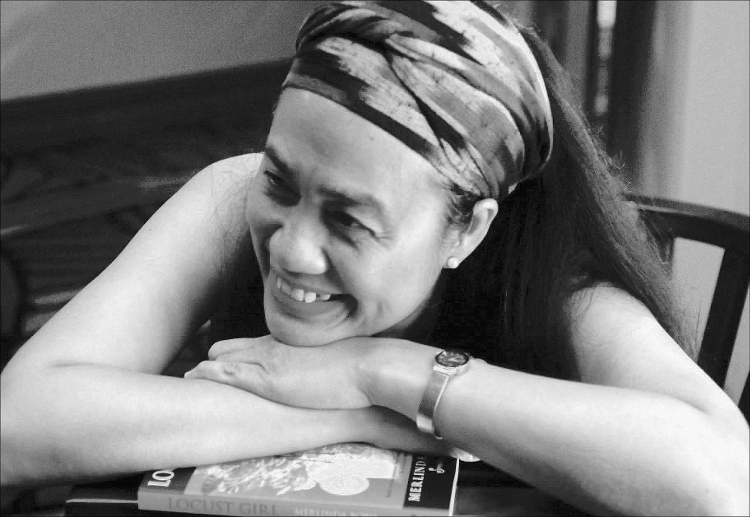
Merlinda Bobis is a poet first and foremost but her extensive body of work has transpired across novels, plays, performances, essays, and works for radio. A single dialogue between us can in no way capture her incredible writing, which is able to transcend borders in all their myriad and sometimes devastating forms. Yet, what I have aimed for in this interview is to showcase the mind of one of Australia’s most brilliant writers to date writing through her Filipino-Australian heritage in a time where the Filipino-Australian community has been vastly ignored and undervalued. As we live, love, and strive to survive together in a time of a global pandemic, I hope this dialogue reminds us how poetry moves through us and can be used as a tool to keep us together.

Winnie Dunn: What does poetry mean to you as a Filipino-Australian writer?

Merlinda Bobis: As a Filipino-Australian writer now, I regard poetry as a way of being, a way of breathing together. It is auditory art as much as it is literature that is not exclusive but shared among the community. I grew up in the Bikol region in the Philippines listening on radio to the tigsikan, an oral poetry joust that used to be done in the public park. Some say the tigsik originally meant ‘a toast’, a Bikol poetic form of three to four rhyming lines extemporaneously rendered at drinking sessions or community get-togethers under the full moon, or in ‘a courtship conversation’ between young men and women. Nowadays it’s used to praise, critique, have fun or have a contest of ideas. Thus, ingrained in me is ‘poetry as community practice’ – it has to do something more and beyond the interests of the poet or the writer. This is why, writing here in Australia about this new home or the Philippines and other parts of the world, I can’t work in an ivory tower. The ‘art for art’s sake’ poetics does not sit well with me. As I grow older, I believe writing has to be with the community of the planet, with bodies (human and non-human) engaging each other and the daily business of living, loving and dying, and jousting with issues that affect all of us as we relate to each other and our shared home, the planet. And one relates primarily with the body before anything else. Poetry is senses and limbs, muscle and bone, and all the tiny cells in them awake to the world we live in!

WD: You talk about your writing practice as ‘collision-collaboration’ and that the ‘space between two colliding elements actually emerges as a third element: hybrid, ambivalent, and constantly interrogating itself’. To what aspect do you use poetry to interrogate yourself? What parts of you need interrogating to produce a poem?

MB: It’s not so much that I consciously use poetry to interrogate myself but that the very process of writing poetry is underpinned by an intuitive self-interrogation. Who and what am I in relation to what I’m writing about in this given space and time, without discounting what came before and what is to come? It’s this interrogation of positionality that underpins the ethics of writing or any practice for that matter. Often, it’s unconscious, a little niggle at the back of my head: ‘you write about a Filipina domestic helper in Manhattan from the comfort of your Canberra study?’ Sometimes, it grows into a conscious querying, an unpacking after the fact: ‘what does this poem/story about a war or a typhoon in the Philippines do for the Filipinos you’ve left behind? Who gains and who loses out in your poetic enterprise?

Now, let me tackle that quote on ‘collision-collaboration’ of different elements. As a Filipino-Australian writing in three languages and across different forms (poetry, short story, novel, drama, and recently screenplay), and performing my own writing for different audiences, I am constantly working with diverse elements that collide and collaborate with each other. So, I find myself producing a hybrid piece that has been informed by diversity. And in this ‘finished piece’, these diverse elements constantly negotiate with each other, so it’s never fully finished as such, thus sometimes readers find it difficult to pigeonhole the writing or the writer. But who wants to be pigeonholed? The writing process is a continuous creating and catapulting outside of one’s creation/s, in order to create anew.

WD: What languages do you use in your poetry and why? Can you also tell us more about Bikol?

MB: My ‘incanting of the world’ is shaped by who I am, where I come from and where I’m at, all of which have ‘grown’ my body and sensibility. I have written poetry in my first tongue, Bikol, the language of the Bikol region where I’m originally from; Filipino, the national language of the Philippines; and English, which I learned at school when I was about six years old. English was originally the American colonisers’ (about 40 years of colonial rule) tongue, but I now ‘own’ it and use it in my own way informed by my original languages. English has primacy in my writing because of where I live now, Australia, and because I grew up at a time when education was primarily in English. But I love my first heart’s tongue: Bikol. It’s often spelled out as Bicol, but most Bikolano writers have opted to change the ‘c’ to ‘k’ to decolonise from the Spanish influence. The Philippines experienced nearly 400 years of Spanish colonial rule. When I was growing up, there was no ‘c’ in the Filipino alphabet but Bikol was very much Hispanised, so Bikolanos have been using the Spanish ‘c’ since the colonial times, except, currently, the local writers. Spanish words have also been adapted into the Bikol language, but I believe ‘owned’ and turned on its head by the local sensibility. Having said all these, I want to clarify that I also love the Spanish language as much as I love English – I tried to write poetry in Spanish at one time, but I’m not proficient in the language. Language is a beautiful gift, wherever it comes from. But while I love it, as writer from a colonised country (whether it’s the Philippines or Australia for that matter), I cannot erase its historical and especially colonial context. In an early essay, ‘Redreaming the Voice: From Translation to Bilingualism’ (Rubicon, 1995), I wrote about English, with its colonial roots, as the scourge and gift of tongue.

WD: Can language be shared in an ethical way?

MB: Sharing a language is about usage and reception, and ethical considerations apply to both. Language is not a disembodied artefact. Language is people and place. So, when one writes or reads about an/other people or place, one needs to listen to their language, their voice. When I’m writing about a Philippine village in English, I try to write the English line/sentence in a way that embodies the tone and cadence of the village tongue and the bodies speaking it. I use words in the language, not just for local colour, but because I want the reader to ‘hear’ this particular place or people. Now, it’s up to the reader whether s/he cares to listen and enjoy this new sonic experience. It’s the listening that is often ethically problematic, especially with the monolingual, English-speaking-listening ear that sticks to hearing a foreign place/people only in English (and its kind of English) and judges anything that sounds other as not as good. The insular ear forgets that the world (or Australia for that matter) is not monolingual nor is it English. I wrote about this in my essay, ‘Subversive Translation and Lexical Empathy: Pedagogies of Cortesia and Transnational Multilingual Poetics’ (in Narratives of Difference in Globalized Cultures: Reading Transnational Cultural Commodities, 2017).

Posted in INTERVIEWS | Tagged ,

On Presence, Defiance and Honesty: daniel ward Interviews CAConrad

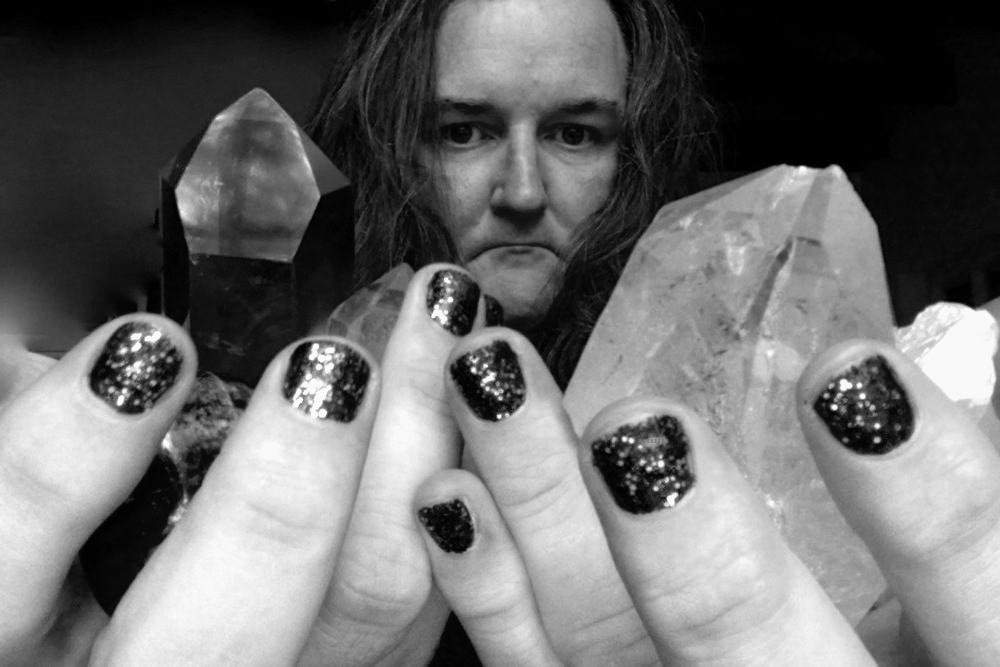
CAConrad is the author of 9 books. Their most recent book JUPITER ALIGNMENT: (Soma)tic Poetry Rituals is forthcoming this year through Ignota Books. The rituals are explorations of ‘extreme presence’, in which they invite us to locate, access and utilise our own expansive and mysterious potential. CAConrad teaches across Columbia University in New York City and Sandberg Art Institute in Amsterdam. They have recently published a powerful new essay titled ‘SIN BUG: AIDS, Poetry, and Queer Resilience in Philadelphia’ in Poetry Foundation’s Harriet blog, a publication dedicated to exploring poetry in its many facets both past and present. As CAConrad writes in the opening of their poem ‘Lonely Deep Affection’: ‘years of practice for a soft / landing in the slaughter / we looked far off to / a flag sewn into flesh’. This exchange also touches upon the value of flesh and whose flesh is valued more over others.

daniel ward: In speaking to the themes of your new essay ‘SIN BUG: AIDS, Poetry & Queer Resilience’, and in consideration of the current outbreak of COVID-19, what parallels might we be able to pull between these two global epidemics? How do you think your own experiences throughout the 80s and 90s inform your current experience witnessing widespread health concerns and distress?

CA: Thank you so much for this interview; I appreciate it. Is it possible you are seeing what is happening here in America? US corporate medical supply companies are making governors of states compete by outbidding one another! As a result, doctors and nurses are risking their lives because they cannot access protective gear. It taxes the soul, witnessing the grotesque teeth of this heartless empire! After this is over, quite honestly, daniel, if someone wants to champion capitalism, I will shrug at them because I cannot imagine a more explicit illustration of its violent deficiencies then what we are currently living in.

There are so many moments these last week’s where I see correlations between this crisis and the early years of AIDS. Those who see money in every opportunity, for instance. AZT was a failed cancer drug that was used, and I tried so hard to keep my friends off of it. Everyone I knew who took it died, and Michio Kushi warned us at one of his macrobiotic lectures that the drug was killing people, but too much money was being made to halt production. Today reporters showed us how in Las Vegas homeless people are being made to sleep in specially marked sections of parking lots while there are thousands of empty hotels and casinos!

Poetry helped me subsist when I was a kid watching my friends die of AIDS, and poetry is still with me all these years later. Seven years ago, I did a (Soma)tic Poetry Ritual to cure my depression after my boyfriend Earth was brutally tortured, raped, and murdered in Tennessee. The ritual made its impact on me by using a small crystal he gave me the last time I saw him, which he had kept it in his pocket for over a year and a half, turning it into a library of his breath, his dreams, and movements. Twenty-seven poems resulted from the ritual, and I am nothing but grateful that poetry afforded me this opportunity to heal what seemed a permanent and debilitating wound.

The strength of poetry gave me my life back again; however, as soon as I felt better, the many deaths of friends and lovers who died of AIDS flooded back to me. Every neighbourhood in Philadelphia had a door, sometimes several doors of people I knew who had died when we were just kids. I decided to write this ‘SIN BUG’ essay, but it took me seven years because the process was too overwhelming to write it until recently.

The essay was an exorcism, leaving me lighter. It is a cliché to say this, but it is a fact, it was a release, a relaxed psychic clench. A vehicle for writing it was listening to Alexandra Pajak’s album, Sounds of HIV. He assigned pitch and tone to DNA study results by the US National Institute of Health. His translation of the virus is unexpectedly calming. I climbed inside the music and was able to keep focused through bursts of crying. When you are a teenager and then in your early 20s and that many people are dying around you, and nearly everyone else is acting like it is not happening, that kind of PTSD takes years to be able to cope. To contact my deceased friends while writing the essay, I created a (Soma)tic poetry ritual I call The Wizard of Oz Portal. This film is something all of my dead friends, and I saw, and knew quite well, so it became the perfect place to visit and invoke their names. Here is what I did: I have been thinking a lot about hypogea in ancient Greece. Hypogeum was circular burial chambers, and pregnant women would visit the remains of their dead ancestors to invite them to inhabit the bodies of their unborn babies. I hope I was a pregnant woman who performed this ritual in a past life. It sounds terrifying at first, seeing the bones of the dead. Still, it is exciting thinking of such an experience coursing through my electrical circuitry, my blood pumping into the heart of my unborn child and ancestor simultaneously.      
Do you remember the scene in the film where the wicked witch puts Dorothy into an opium-induced trance in the poppy field? It is an essential part of the story because after Dorothy is pulled out of the trance by the good witch Glenda, she can finally see the solutions for the way out of fear and suffering. But when she is asleep in the poppies, this is where I freeze the frame, then sit across the room with binoculars, studying Dorothy caught inside her morphine-hypnosis while I quietly invoked the names of dead lovers and friends.

I had a dream that I walked past a church and singing poured onto the street. When I walked inside, everyone I knew who had died of AIDS was there. They were all healthy and hugged me, happy to see me, and I was so glad to see them. There has never been a dream as good as that one for me. Even my next best was only half as overwhelming a vision, laughing, and talking with these friends. If I could get pregnant, I would want to be in a hypogeum with them and invite them to revisit the physicality of Earth through the life of my baby. Without hesitation, I would do it and write poems with our child, a true collaboration. I did enjoy revisiting everyone through The Wizard of Oz Portal. The ritual assisted me in re-examining the parts of my life that these vanished souls made more beautiful.

Posted in INTERVIEWS | Tagged ,

‘Desire’s temporality is going to be perverse’: Elena Betros López Interviews Lisa Robertson

Lisa Robertson and I were introduced through my dear friend Marnie Slater following an invitation by Autumn Royal to undertake an interview for Cordite Poetry Review. I felt the need to be completely transparent with Lisa in stating that I’m artist working in moving image, that I’m not a writer by trade, and neither an expert on Lisa’s work. In fact, it was Marnie who introduced me to Lisa’s poetry, inviting me to a reading Lisa gave in Brussels in 2017. After this I bought three of her books at once, yet somehow, I found myself reading them slowly, over long durations of time and with some loyalty in finishing one publication before starting another. I felt curious about my own time with these publications, how in my focused and durational readings began to inform my life and thinking.

After exchanging a few emails, Lisa and I spoke for a number of hours via Skype on 26 February 2020. We had agreed that our dialogue would be fleshed out through a written exchange. My first reflections after our Skype conversation were posed to Lisa on 1 March. The time which separated our initial contact and my first written reflections and then eventually, her responses, was radically re-negotiated by the outbreak of the COVID-19 virus. During this time, Lisa was travelling in Vancouver, slowly cancelling the other parts of a West Coast book tour as we all learned about the gravity of the pandemic. Then she flew home to France early, in time for lockdown there. As a result of these shifting circumstances, and our email exchanges about our own changes in space and time – we have decided to date each portion of our writing as they have been added to or cut into the existing body of the text. Please be aware there is a lack of linearity to this exchange, which may reflect on how conversations and exchanges actually occur. As Lisa writes in ‘The Seam’ from 3 Summers1: ‘Now it’s time to return to the sex of my thinking. / How long do I get? / A fly moves across the pages of an open book / (the pages are quivering)’.

Elena Betros López (1 March 2020): References to time kept arising whilst I was revising my notes from our conversation. I found this striking especially as I raised my own time with your poetry in my initial email to Marnie. How I felt I could not put down Magenta Soul Whip2 which I started in 2017 until 2019 when I began reading 3 Summers. These books have held different temporalities for me, yet each is read very slowly and with much re-reading or re-visiting, I feel some fidelity to each publication in that I find it hard (in an embodied sense) to move onto another until I’m ‘done’ with the one I am reading.

I didn’t really arrive at any specific questions, I tried but it felt too forced. Through revising my notes, I gathered a number of fragments we spoke about which felt most pertinent to me. I’m wondering if you could build on these reflections and we can work from here?

EBL (5 March 2020): A quick note to say that our initial musings and writing on time seem striking in view of the present circumstances. My writing the questions before this present moment of time, the COVID-19 time, which feels to me to hold a special temporality, then your responses after. I have been feeling like the future has been suspended in this time of the pandemic. I’ve placed the dates on my questions and your responses. I think it is interesting at least for now to chart the subjective and embodied shift with this dating, as well as to mark my recent questions cutting into your existing responses.

EBL (1 March 2020): During our Skype conversation we spoke about the type of slow time you need to write, its tension within or maybe resistance to the neo-liberal colonisation of time. You mentioned that your methods were developed in a different political economy yet have been carried forward. Later asking the question: ‘How to create language that gives experience as much time as it needs?’

Lisa Robertson (22 March 2020): I don’t have a certain answer to this question. I think it will continue to change, happily, and is also very situational. My experience as a worker, a composer, and thinker in language keeps showing me, in diverse ways, that language itself (here by ‘itself’ I don’t mean an ideal, desituated language, but each specific experience in language, each shock we receive in its company) is already a constantly mutating temporal record and organism. In the experience of language we are multiple, outside ourselves. The challenge in writing, reading, and of course oral exchange, could be to slow down, or to learn how to frame one’s linguistic perception, so that the micro events and traces inherent to both our vocabularies and syntax become conscious. Within this alerted consciousness, more kinds of responses and movements and celebrations and critiques become possible. Speed is also a pleasure, clearly – slowness won’t be relevant consistently – but play, contemplation, mixture and experimentation with tempo, in composition, or in reception, and in their entanglement, is a way to begin to individually resist capital’s reduction of public discourse to a utilitarian exchange with the end goal of consumption. The neo-liberal political economy proceeds by the rule of austerity, or collective limitation. I utterly scorn this law. I am in favour of abundance, whether temporal, aesthetic or social. We can create abundance for each other. That’s one of the gifts of poetry.

Posted in INTERVIEWS | Tagged , , ,

3 Lionel Ray Translations

The evening stretches towards the trees :
the dead never left this country
nor the lesser shadows of these hills.

And you, you awake
in the dust and flame of a simpler time.

In the ripening brightness,
this mouthful of final words, obscured,
consenting.

~

Le soir s’étend vers des arbres :
Les morts n’ont pas quitté le paysage
ni les ombres inférieures des collines.

Et toi, tu veilles
dans la poudre et la flamme du temps simple.

Dans la lumière mûrissante,
cette bouchée des derniers mots obscurs
et consentants.

Posted in TRANSLATIONS | Tagged ,

Nothing Would Be the Same | Nimic nu ar mai fi la fel

Nothing would be the same
even if you came back
your space in the bed has been taken
by the dog of solitude.

tall
and extremely difficult to defeat.

the four seasons are: spring, summer, autumn and winter.

In spring the grass grows,
the flowers bloom and the snow melts
we work in the garden.

In summer it’s warm, lots of sun,
we wear shorts
we take holidays.

In autumn the vegetables ripen,
the leaves fall, the wind blows and it rains
the school year begins.

In winter it’s cold,
we lose heat through our hands
it snows
children go sledding and Father Christmas comes.

Nothing would be the same
even if you came back

they have already learned
not to scream, not to talk over the grown-ups. To wait.
To keep quiet.

~

Nimic nu ar mai fi la fel
chiar dacă te-ai întoarce
golul din pat e acum ocupat
de câinele singurătății.

înalt
și extrem de greu de învins.

cele patru anotimpuri sunt: primăvara, vara, toamna și iarna.

Primăvara crește iarba, cresc
florile și se topește zăpada
lucrăm în grădină.

Vara afară este cald, mult soare,
ne îmbrăcăm în pantaloni scurți
avem vacanță.

Toamna se coc legumele și fructele,
cad frunze, bate vântul și plouă
începe școala.

Iarna e frig,
căldura se pierde prin mâini
ninge
copii se dau cu sania și vine Moș Crăciun.

Nimic nu ar mai fi la fel
chiar dacă te-ai întoarce

au învățat deja
să nu țipe, să nu vorbească peste adult. Să aștepte.
Să facă liniște.

Posted in ROMANIAN | Tagged

Love | Dragostea

begins neither with a bang
nor with a sob

but with a shiver, a tiny hum
a stirred molecule
provoking storms inside the knees

wonderful things begin this way

at the tip of every finger
fragments of eyes,
hundreds of mirrors turned towards the world –

a kiss like a potent drink that shatters the spine

from my sky I see the whole bed

two beautiful invalids
silent under the blankets, in a motionless embrace.

they search for words
to fuse them together as one body

they smile. they breathe

their exhalations grow into great water plants entwining above the bed

~

nu începe cu un bang
şi nici cu un scâncet

ci înaintea lor o vibraţie, un zumzet mic
o moleculă trezită
stârnind furtuni în genunchi

nimic minunat nu poate începe altfel
 
la capătul fiecărui deget
fragmente de ochi,
zeci de oglinzi întoarse spre lume –

un sărut ca o băutură tare aruncă şira spinării în aer

din cerul meu se vede tot patul

doi invalizi frumoşi,
întinşi sub pături, tac împletiţi şi nemişcaţi.

ei caută cuvinte care
să îi sudeze aşa cum singur trupul i-a apropiat

zâmbesc. respiră

uriaşe plante de apă cresc din aerul expirat şi se înlănţuie deasupra patului

Posted in ROMANIAN | Tagged

Love No | Dragoste Nu

I miss you in every place

your absence leaves me weary
I talk a lot
I cut my meals in half

I am a bomb
programmed to explode
in front of anyone who comes too close

in front of this man who warms the soles of my feet.

we could
watch the same ceiling together
consumed by heat and fatigue

we could walk around the house blindfolded all pleasure
all pain and after a few hours
a tremendous lack of imagination.

but hell is the inability to think
and the punishment for too little love is not death

but countless deaths.

~

mi-e dor de tine peste tot

obosesc repede când ești departe
vorbesc mult
și tai masa în două

sunt o bombă
programată să explodeze
în fața oricui se aproprie prea mult

în fața acestui bărbat care îmi încălzește tălpile.

am putea
privi același tavan împreună
topiți de căldură și de oboseală

am putea umbla prin casă legați la ochi numai plăcere
și numai durere și după nici câteva ore
o mare lipsă de imaginație.

dar iadul înseamnă să nu te mai poți gândi
și pedeapsa pentru prea puțină dragoste nu e moartea

ci nenumărate morți.

Posted in ROMANIAN | Tagged

Fever | Febră

I have a fever.
and in this light
I see the hideous beauty of all the plants forced to grow
in darkness.

The thought of you makes my hands hurt all the way up to my shoulders
keeps them separate from my body
stops them from hugging me.

instead of shoulders
I have two holes and the rain falls through them.
every time I talk to you, there is lightning outside.

I can’t even call it a dream
now that I’ve seen it materialising, relentless and strident
like mannequins devouring themselves
in a closet.

in ominous silence
our exquisite love passes from night to night.
no regrets. no death,
just this miraculous fever
in which reason fails
for it is too exact an instrument

~

am febră.
şi în lumina asta
văd frumuseţea hidoasă a tuturor plantelor silite să crească
pe întuneric.

doar mă gîndesc la tine şi mă dor mîinile pînă la umeri
asta le îndepărtează de trup
împiedicîndu-le să mă îmbrăţişeze.

în locul umerilor
am două gropi în care plouă.
de cîte ori îţi vorbesc, afară fulgeră.  

nici nu pot să-i spun vis
după ce am văzut-o întrupându-se stăruitor şi scrîşnit
aidoma mestecatului pe care îl fac manechinele
devorîndu-se într-o debara.

în cea mai cumplită linişte
dragostea noastră perfectă trece din noapte în noapte.

nici regrete. nici moarte,
doar febra asta miraculoasă
în care raţiunea dă greş
pentru că e un instrument prea precis.

Posted in ROMANIAN | Tagged

March 8 and March 7 and Forever | 8 Martie și 7 Martie și Mereu

Good evening,
I called so you can say happy birthday to me.
I let 24 hours pass
but I thought you might like to say happy birthday.

Because I am forced to speak
I remain quiet for too long
when I want to speak
everything goes against my nature
I want to filter messages
but I accept
I want to unlike
but I like
I want to unfollow
but I follow
the sound of incoming calls makes me want to scream.
I scream inside, then, politely:
Hello! Yes! How may I help you?
I scream inside
I scream.

When you say hello
I must reply
because that’s the way I am
and a stadium filled with people lacking b a s i c
kindness
who want to share
to explain
to complain
to announce
to inform
to notify me

because my thoughts
my skin and my synapses
have vanished
and it is never quiet
and never dark enough
never quiet enough
for me to process: you were very beautiful
I didn’t realise back then how beautiful you were.

because
the doorbell
and the knock on the door
make my stomach turn
and I answer with infinite kindness:

good evening, I am sorry to hear that you care.

the scream barely leaves

~

Bună seara,
am sunat să îmi spui la mulți ani.
Am lăsat să treacă 24 de ore
dar m-am gândit că ți-ar placea să îmi spui la mulți ani.

Pentru că vorbesc din obligație
tac îndelung
atunci când aș vrea să vorbesc
totul se întâmplă împotriva naturii mele
vreau să dau filter message
și dau accept
unlike
și dau like
vreau să dau unfollow
și dau follow
sunetul telefonului mă face să urlu.
urlu în interior apoi politicos:
Alo! Spuneți, vă rog! Cu ce vă pot ajuta?
urlu înăuntru
urlu.

Pentru că mă salutați
trebuie să răspund
pentru că sunt eu
și un stadion plin de oameni lipsiți de e l e m e n t a r ă
tandrețe
care vor să spună
să relateze
să se plângă
să anunțe
să informeze
să îmi aducă la cunoștință

pentru că gândurile mele
pielea și sinapsele 
s-au stins 
și nu e niciodată liniște
și niciodată destul întuneric
niciodată îndeajuns de liniște
să procesez: erai foarte frumoasă
eu nu îmi dădeam seama atunci cât de frumoasă erai.

pentru că
soneria
și ciocănitul la ușă
îmi întorc stomacul pe dos
cu infinită tandrețe răspund:

buna seara, îmi pare rău să aud că vă simțiți.

urletul iese un milimetru în afara gurii
și cade la pământ.

Posted in ROMANIAN | Tagged

Last October

leaves and my frail-heeled shoes
your stubbed-out cigarettes on the ground
until yesterday love was a cricket astray
in the artesian well
and all the pink-lipped autumns…

over the doll’s house my young mother
laughs to my father who is revving his motor
she never understood the eclipse of life
the wine’s aroma, carried across the hills, inebriated present sorrows

from October we will circumscribe apathies
and we will sow the insanity of our nights together
on the narrow terrace of the apartment blocks
you and the robins’ song in the city gardens
will both anthropomorphise

seconds are carried on a leash like a communal dog
that nobody claims
and we attempt touch-ups with this autumn
over the anarchy of enamoured shadows
then we set alight the leaves
not squandered by the cyclone

autumns scatter, collapse, made
fresher than death’s cardboard shoes

~

frunze şi pantofii mei cu toc firav
ţigările tale stinse pe pământ
până mai ieri dragostea ca un greier rătăcit
în fântâna arteziană
şi toate toamnele cu rujul siclam…

dincolo de casa păpuşilor mama tânără
râde spre tatăl meu care îşi vâjâie motorul
nu a cunoscut eclipsa vieţii
venită de pe dealuri aroma vinului a îmbătat nefericiri prezente

din octombrie vom circumscrie letargii
şi vom semăna nebunia nopţilor în doi
pe terasa îngustă a blocurilor
tu şi larma sturzilor din grădinile oraşului
vă veţi ipostazia

clipele sunt purtate în lesă ca un câine comunitar
pe care nu îl revendică nimeni
iar noi tragem retuşuri cu toamna aceasta
peste anarhia umbrelor îndrăgostite
apoi dăm foc frunzişului
nerisipit de ciclon

toamne se răsfiră se pliază devin
mai noi decât pantofii de carton ai morţii

Posted in ROMANIAN | Tagged

Renacimiento

it’s strange how love inhabited us / two asymmetrical bodies
one pushed to the abyss
the other stopped at traffic lights, waiting for the Absolute

the street’s echo penetrates the tips of my fingers all the way up to the left ventricle
a green-eyed boy wanders in the intersection with a lantern
pain pierces the bitumen like a bulldozer
Aristotle would have written a whole theory on this but what more is there to say about death?
the light does not hide behind darkness and breathes hard beside it
the last song played on the keys of the ribs has faded out
its pulse stopped this morning

now I see the light for the first time
only I can hold the earth in my arms

~

e ciudat cum dragostea trăia în noi /două trupuri asimetrice
unul împins în abis
celălalt așteptând absolutul la semafor

ecoul străzii penetrează vârfurile degetelor până-n ventriculul stâng
băiatul cu ochii verzi rătăcește în intersecție cu o lanternă
durerea străpunge bitumul ca un buldozer
Aristotel ar scrie o întreagă teorie despre asta dar ce mai poti spune despre moarte?
lumina nu se adăpostește după întuneric și respiră greu lângă el
ultimul cântec pe clapele coastelor s-a prescris
azi dimineață pulsul i s-a oprit

acum am văzut lumina pentru prima dată
doar eu pot cuprinde pământul într-o îmbrățisare

Posted in ROMANIAN | Tagged

Resurrection | Resurecție

we were born for the sky
but on the Giza Plateau priests are looking for traces of life in the mastabas

I watch you shaving
and my gametes start playing the castanets
the ship of Keops is floating backwards
your wrinkles were tributaries of the Nile river
the tears receded into oases
your beard was a cypress forest
now I touch your cheek soft like tranquil water

the sand dunes ripple to the rhythm of my caresses
a sycamore weeps turquoise drops at dawn
the polished bronze mirror flies from my hand

a Hyksos man walks towards us, guided by a strange need for beauty
a gazelle leaps from the marble walls
straight into your irises the colour of thirst

she scales the white linen cloths coated in scented resin

she
she
my twin resorbed into a different life
that once again chose you

~

ne-am născut pentru cer
dar pe Platoul Gizeh preoții caută stropi de viață-n mastabas

te urmăresc bărbierindu-te
iar gameții încep să cânte la castaniete
corabia lui Keops merge înapoi
ridurile tale au fost afluenți ai Nilului
lacrimile s-au retras în oaze
barba ta era o pădure de chiparoşi
acum ating obrazul tău neted ca o apă liniştită

dunele de nisip îşi unduie coamele în ritmul mângâierilor
stropi turcoaz se preling la răsărit dintr-un sicomor
arunc oglinda de bronz lustruit

un hykso vine spre noi călăuzit de o stranie nevoie de frumos
din pereții de marmură sare o gazelă
direct în irişii tăi de culoarea setei

face salturi peste fâșiile albe impregnate cu rășini parfumate

ea
ea
geamăna mea resorbită într-o altă viață
care te-a ales tot pe tine

Posted in ROMANIAN | Tagged

Alter Ego

black is the only colour left
on da Vinci’s palette
and La Gioconda’s tears are flowing from the wood

she
sometimes walked out of the picture frame and reclaimed it
they made love until the canvas tore
her smile was different each time
and he climbed out of the corner of her lips
into another painting

you told me by night she is a jealous woman
who hypnotised the artist on the frontier between love and hate

that line thickens
like fog on a battlefield
soldiers crouched in trenches, the womb of a mother
who does not want them
their groans enlace in an umbilical cord towards the sky
the only certainty is the milky air from which they drink anxiously
life is a painting where the colours all learn the same language

I confess
I wish I could suspend time
and watch the seconds emerge from its mouth like translucent rats

you watch
you watch
you watch
how death flows inside me like a white delicate sand

come!
for you I could be the enamelled bowl
from which da Vinci still sips his water

~

pe paleta lui da Vinci a mai rămas doar negrul
din care lacrimile Giocondei se scurg

ea
ieșea uneori din ramă și îl revendica
făceau dragoste până se sfâșia pânza
zâmbetul era mereu altul
și el urca din colțul buzelor ei
într-un alt tablou

îmi spuneai că noaptea e o femeie geloasă
hipnotiza pictorul la frontiera dintre iubire și ură

linia aceea se îngroașă
ca o ceață pe un câmp de război
soldații stau în tranșee în pântecul unei mame
care nu-i dorește
gemetele se împletesc spre cer într-un cordon ombilical
aerul lăptos e singura certitudine din care sug înfricoșați
viața e un tablou în care vopselurile învață aceeași limbă

recunosc
aș vrea să pot spânzura timpul
să-i văd secundele ieșind pe gură ca niște șobolani translucizi

privești
privești
privești
cum moartea intră în mine ca un nisip alb și fin

vino!
pentru tine aș putea fi vasul smălțuit
din care da Vinci încă bea apă

Posted in ROMANIAN | Tagged

The Protectress | Păzitoarea

I don’t know when it started growing in the right side of my chest

lying on the bed, I feel its roar through my whole body
profoundly different from the dull sound of my left heart,

which, year after year, I had to touch
in silence,
almost in fear, to make sure
it was still beating.

I felt it first in the morning,
when the left heart moved imperceptibly
to the right

then the blood began to flow wildly,
digging new veins and arteries into the flesh.

I started bleeding at the lightest touch,
through my fingers, through the roots of my hair.
even if I ran my tongue over my teeth
or over my cracked lips,
the blood
would come spurting out.

then in the evening I heard the first bright beats of the right heart.
its roots reached from my ribcage to the claws of my hands.

that morning we wanted to reach the forest.
and because we could not reach the forest
we slammed shut the door, locked ourselves inside
and pretended to be wild animals.

it was dark
and from the garden a little song could be heard.

we only looked at each other, whimpering into each other’s mouths
and, invigorated,
we scurried to the rabbit burrows in the garden.
nobody knew us,
but we could hear the little song through the loosened
eyeholes of the hammock.

it was summer

and all the weeds were falling asleep
in the hammock.

you hadn’t had enough to eat and you were licking your lips

then I placed a black, warm rock
on the burdock leaf
and the little song stopped. we heard a clicking sound and
willow branches were falling noiselessly onto the lilies in the water

you were shivering
your hunger seemed to be fading and I looked at the heart.
no blood was flowing.
only large drops of rain.

now our house is turning to ice.

in the doorway we touch each other

like hands encountering a wounded animal in the dark.

your memories arrive slowly, stumbling
and slip freely through my skin

I move through the cold like an unbandaged burn victim

we stay inside

our brains shattered

outside, an enormous gate of flesh
through which we cannot pass

but it is the only way to catch up with ourselves
and we close the edges of this wound
in silence.

I watch unmoved as our hair grows
from shoulders to knees.

it is the way the two of us make love.

because the only light was the one
at the end of the cigarette,
I climbed slowly, step by step.

my bed is swinging three metres below
the moon

and here, finally,

I have everything inside me

the blood the right heart and the left
the air in the lungs enough for two
bodies
and the light, passing through new flesh to the back of the left breast
and from there it will emerge just once,
shattering my retina.

I have everything inside me
two ethereal human beings
only in an embrace
can they touch the ground.

but the edges of the wound stay raw
forever

my bed is swinging three metres below
the moon
and I wake suddenly looking at the sky.

I am
the protectress.

defending an almost spherical moon,

light obscuring light.

I talk to her a while we cry and we don’t know who puts whom
to sleep.

when we cry deeply a piece of the moon grows over
heart and sky,
black, falling into the void.

I am the protectress.
the blood invades my heart
howling
and cannot melt it.
bile and stomach surge into the mouth.
the liver is crushed between the teeth
like a cork in the neck of an old wine bottle.
I barely know when the lungs shriek briefly
and plunge into the earth, pulling both kidneys
after them.

with my broken diaphragm rolling around my mouth like a
piece of cloth
I flutter and flutter and
fluttering
I discard tiny bones
through my mouth.
four thigh bones are stuck
in my throat

and the translucent skin cracks

like a membrane stretched too far over this enormous heart
that forces my body
away from me.

~

nu ştiu când în partea dreaptă a pieptului a început să crească

întinsă pe pat, îi simt vuietul în tot corpul
mult diferit de zgomotul surd al inimii stângi,

pe care ani la rând a trebuit
să o ating în cea mai desăvârşită linişte,
aproape cu spaimă, pentru a mă asigura
că bate.

primele semne s-au arătat dimineaţă,
când inima stângă s-a deplasat abia simţit
spre dreapta

apoi sângele a început să curgă rătăcit,
săpând noi vene şi artere prin carne.

sângeram la cea mai mică atingere,
prin degete, prin rădăcina părului.
chiar şi atunci când îmi atingeam dinţii cu limba
sau o treceam peste buzele crăpate,
sângele ţâşnea
pulverizat.

apoi către seară am auzit limpede prima bătaie a inimii drepte.
rădăcinile ei încep în plex şi sfârşesc în gheare.

în dimineaţa aceea ne-am dorit mult să ajungem în pădure.
şi pentru că n-am ajuns în pădure
am trântit poarta, ne-am încuiat înăuntru
şi am început să facem ca animalele.

era întuneric
şi din grădină se auzea un cântecel.

doar ne-am privit, scâncind unul în gura celuilalt
şi odihniţi,
am luat-o la goană spre vizuinile iepurilor din grădină.
nu ne ştia nimeni,
dar noi auzeam cântecelul printre ochiurile
deşirate ale hamacului.

era vară

în el adormeau toate buruienile.

tu nu mâncaseşi destul şi te lingeai pe buze atunci

am aşezat pe frunza de brusture
o piatră neagră. era caldă
şi cântecelul a stat. se auzea un ţăcănit şi
crengile sălciilor căzând fără zgomot peste crini în apă

tremurai tot
parcă-ţi pierise foamea şi m-am uitat la inimă.
nu curgea sânge.
doar picături mari de ploaie.

acum casa noastră îngheaţă.

la intrare ne atingem

ca atunci când dai peste un animal rănit în întuneric.

amintirile tale vin încet, bâjbâind
şi-mi scapă prea uşor prin piele

înaintez prin frig ca un ars viu fără bandaje

înăuntru stăm

cu creierul spulberat

în faţa unei imense porţi de carne
prin care nu se poate trece oricum

dar numai aşa ne ajungem din urmă
şi apropiem în linişte
marginile acestei răni.

privesc netulburată cum ne creşte părul
de la umeri până la genunchi.

e felul în care noi facem dragoste.

pentru că singura lumină a fost cea de la
capătul ţigării,
am urcat încet, treaptă cu treaptă.

patul se leagănă la trei metri sub
lună

şi-abia aici

am totul în mine sângele

inima dreaptă şi inima stângă
aerul din plămâni cât pentru două
trupuri
şi lumina, trecută prin noi ţesuturi până în spatele sânului drept
de unde va ieşi o singură dată,
spulberându-mi retina.

am totul în mine
două făpturi uşoare
ce numai îmbrăţişate
ating pământul.

dar marginile rănii rămân mereu
proaspete

patul se leagănă la trei metri sub
lună
şi mă trezesc dintr-o dată privind cerul.

eu
sunt păzitoarea.

păzesc o lună aproape rotunjită,

o lumină întunecând altă lumină.

îi vorbesc puţin plângem şi nu mai ştim cine pe cine
adoarme.

când plângem mult îmi creşte o bucată
de lună în locul inimii şi cerul,
negru, se arunca-n gol.

eu sunt păzitoarea.
sângele năvăleşte în inimă
urlând
şi n-o poate topi.
pe gură se preling fierea şi stomacul.
ficatul se sfarmă printre dinţi
ca un dop în gura unei sticle de vin vechi.
aproape nu ştiu când ţipă scurt plămânii
şi se înfig în pământ, trăgând după ei
cei doi rinichi.

cu diafragma spartă, înfăşurată in jurul gurii ca o
cârpă
flutur şi flutur şi
fluturând
scot
pe gură oasele mici.
patru femururi îmi stau în
gât

şi pielea străvezie crapă

ca un înveliş prea întins peste inima asta de elefant
care dă trupul afară
din mine.

Posted in ROMANIAN | Tagged

Love as an Atoll | Lubirea ca un Atol

last night I thought of you for the last time
you were conducting the sea with a brush
and the ocean turned green
and that inception the size of a grain of sand
was filling with nacre
love was born that way:
we navigated hundreds of night-years
on an anchorless ship through the eye of a storm
to the sound of dolphins whistling in pain

no
no more can I bear the burden of love
waves of distrust are striking like hammers
and flooding the shores
today I need an anchor or I’ll drown

~

azi-noapte m-am gândit pentru ultima dată la tine
dirijai marea cu pensula
și oceanul s-a făcut verde
și începutul acela cât un fir de nisip
se umplea de sidef
așa s-a născut dragostea:
am navigat sute de nopți-lumină
pe o corabie fără ancoră în ochiul furtunii
auzind deseori fluieratul de durere al delfinului

nu
nu mai pot îndura iubirea
neîncrederea lovește în rafale
inundă țărmul
azi am nevoie de o ancoră să nu mă înnec

Posted in ROMANIAN | Tagged

2014-02-07 00:21 GMT+02:00

I was old but now I am fine

I speak the truth

the city is buried under snow I talk neither to myself nor to you

the future

as distant as possible consumes me deeply

I have children

so I don’t consider the opportunity offered by

a mental institution

in a moment of fear I found myself heartened

by your voice

some words

I’m not even sure if you ever uttered them or

if I’m just imagining it

I sit in my broken armchair and listen to the laughter coming from the kitchen

announcing the little saturnalia

then the physical exercise

we will receive credits and use them to pay the bills

and rates and buy healthy food our bellies will be full it will be warm

we will fill up the tank and drive around the apartment block always around

the apartment block

over-refined

over-adjusted

potentially immortal.

~

am fost bătrână dar acum sunt bine

spun adevărul

orașul e sub zăpadă nu mai vorbesc singură și nici cu tine

viitorul

cât mai îndepărtat mă preocupă intens

am copii

deci nu iau în calcul șansa pe care ți-o oferă un spital de boli

nervoase

într-un moment de frică m-am surprins încurajându-mă cu vocea

ta

niște vorbe

nici nu mai știu dacă le-ai spus vreodată sau doar

îmi imaginez că le-ai spus

stau în fotoliul meu rupt și ascult râsete din bucătărie

anunțând mica beție alimentară

urmează înviorarea

vom obține credite cu ele vom achita facturi

și rate și alimente sănătoase vom avea burta plină va fi cald

vom pune benzină și vom călători în jurul blocului mereu în jurul

blocului

ultrasofisticați

ultraadaptați

posibil nemuritori.

Posted in ROMANIAN | Tagged

The Sweet Blade of Time | Lama Dulce a Timpului

something in me urges
me to contemplate
the whisper of night into day
like an avatar, the ink migrates from the Vitruvian Man
you watch me the way a child touches a new toy
you take shelter in me from the tornado of moments
that carves wrinkles and desiccates hearts

sometimes you thank me for reviving you
we expose our wounds when the tongues of the clock fork
spitting poisonous nectar
and you push even harder and you walk through me
in an apotheosis of time that has finally taught you
to love me

~

ceva din mine mă împinge să privesc 
cum noaptea geme ușor înspre zi 
cerneala se desprinde de omul vitruvian ca un avatar 
mă privești așa cum un copil atinge o jucărie nouă 
te ascunzi în mine de tornada secundelor
care sapă riduri și usucă inimi 

câteodată îmi mulțumești că te-am resuscitat 
ne dezgolim de răni când limbile ceasului se despică 
clipind a miere cu venin
iar tu intri și mai puternic și mă străbați 
într-o apoteoză a timpului care te-a învățat în sfârșit 
să mă iubești 

Posted in ROMANIAN | Tagged

CHROMA

Posted in CHAPBOOKS | Tagged

Igloo | Iglu

The birds that invade the sky with phosphorescent wings,
they are moments of softness, cracks in plaster-time.
I see their splinters among the spent stars and I ask the planet of a thousand solitudes not to spread her tentacles towards their circle, rainbow caught in the ladder of clouds.

On the stave of death I arranged days of mourning, unchained nights…
the spotted horses of anxiety…
but still you come in and out of my chest, bird
of destiny curled inside a cactus.
My heart expands to the size of a solitude broken
by our existence, by our own creation.

Here, now, glassy life flies among the cobra-birds
biting their tails abandoned in the dusk.
The day will come when youth summons back the birds glued
to the sky and you will no longer be able to steal the flight
of winged souls,
o stainless air, o love that clouds my own igloo!

~

Păsările care invadează cerul cu aripi fosforescente,
ele sunt suave ale clipelor, fisuri într-un timp de ipsos.
Le văd atelele printre stele stinse şi rog planeta celor o mie de singurătăţi
să nu-şi întindă tentaculele spre cercul lor, curcubeu prins de scara norilor.

Am aşezat pe portativul morţii zile îndoliate, nopţi desferecate…
caii neliniştilor pagi…
dar tot îmi ieşi şi îmi intri în piept, pasăre
a destinului cuibărită pe un cactus.
Inima mi se dilată cât o singurătate spartă
de propria noastră zidire, fiinţa.

Acum şi aici zboară, viaţă sticloasă, printre păsări-cobre
ce îşi muşcă coada lăsată peste amurg.
Va veni ziua când tinereţea îşi va chema
păsările lipite pe cer cu adeziv şi nu vei mai putea fura
zborul sufletelor înaripate,
aer inoxidabil, dragoste care abureşti propriul meu iglu!

Posted in ROMANIAN | Tagged

3 Romanian Poets in Translation: Ana Dragu, Angi Melania Cristea and Laura Cozma


Donna Quijote by Viorica Ciucanu


Cartea | The Book by Viorica Ciucanu


Sarutu | The Kiss by Viorica Ciucanu

Posted in CHAPBOOKS | Tagged , , , ,

Bicoloured | Bicolor

I can be quiet with the alabaster syllables
I can rattle the silence
or adorn the lines of destiny
with bicoloured storks

I love the endless column
its cedar scent
but the knife with which I sculpt the clouds
smells white as if cutting slices
from the snow of spotted horses

when will tiny gods
truly start to balance
upon the tragedy of being an angel
for a minute as long as an eel?

I retreat among waves
and scatter storms across the humble sea
where people hear no complaints
only the slow pedalling of lives

~

pot să tac cu silabele de alabastru
pot să zornăi liniștea
sau să împodobesc liniile destinului
cu berze bicolore

iubesc coloana infinitului aroma
ei de cedru
dar cuțitul cu care sculptez norii
miroase alb de parcă aș tăia felii
din zăpada cailor pagi

când vor începe cu adevărat
să se balanseze dumnezei minusculi
peste catastrofa de a fi înger
un minut lung cât un țipar?

mă retrag între valuri
și întind furtuni peste marea simplă
unde oamenii nu pot auzi proteste
doar vieți pedalând

Posted in ROMANIAN | Tagged

Poem with Sea | Poem cu Mare

the sea is spilling young fish onto the shore
your smile is hanging in the horizon like a hairpin
where are the ice banks the hordes of lovers
the seagulls on one leg
when the ship capsizes?

your hands are scattering salt
majestic time is flowing from the green eye of the sea
I am the sand dune
against whom the sea grows restless
star with a coral mane I am
ladder against the firmament of the sky nomadic green lizard

~

marea revarsă pe ţărm peştii tineri
zâmbetul tău se agaţă ca o clamă de orizont
unde sunt banchizele coloniile de îndrăgostiţi
pescăruşii într-un picior
atunci când vaporul se îneacă?

mâinile tale risipesc sare
din ochiul verde al mării curge timpul regal
sunt duna de nisip
din care creşte agitaţia mării
stea cu coamă de aramă sunt
scară pe firmamentul cerului şopârlă verde călătoare

Posted in ROMANIAN | Tagged

The Ruse of the Night | Trucurile Nopţii

tonight sparkling quinces are moaning on the windowsill
through the skin of each star I see perennial shadows
time to harvest the wine grapes
that terrible gift of drinking must from the palms of life
as if I were or were no longer a poet
in a world of pets and ambrosia
in the funicular of death

the evening bell grazes the cathedrals
unafraid of disturbing thistles
the city centre alight with love bears fruit in genuine
trees
heavy buds burst under the feet of the living
chanting an ave maria with their secular body
in exaltation

the grapes of autumn burst against
the great chinese wall
surrounding the aura of the cantaloupe city
its millenary thirst for young poets
the old flagstones fronting deadened statues

death’s bacchic breath strikes the imaginary gates
of my body giving birth among the chestnuts
to hours of gentle words at solstice

~

noaptea asta gem pe pervaz gutuile spumoase
prin carnaţia fiecarei stele zăresc umbrele perpetue
ora de cules viile
harul acela teribil de a bea must din palmele vieţii
ca şi cum ai fi sau nu ai mai fi poet
peste o lume de pet-uri şi de ambrozie
în funicularul morţii

clopotul înserării paşte printre catedrale şi
nu se sfieşte să răscolească ciulini
centrul luminat de dragoste rodeşte în pomi
adevăraţi
mugurii plini pocnesc sub paşii celor vii
care rostesc cu trupul lor laic un ave maria
pe voci înalte

strugurii toamnelor plesnesc stropind
marele zid chinezesc
ce înconjoară aura oraşului-cantalup
setea lui milenară de tineri poeţi
vechile pavele din faţa statuilor amorţite

suflul bahic al morţii izbeşte porţile imaginare
ale trupului meu ce naşte printre castane
ore de alintat vorbele la solstiţiu

Posted in ROMANIAN | Tagged