in arid cities we have read as syntax flooded streets

in arid cities we have read as syntax flooded streets
while the light falls, heavy as the shadow of a hoop;
in darkness we are left as the shadows of our meat
and our lives drift in, and out, in perpetual loop.
paraphrased stet Melways 2B – unshakespearean but will’d most cheerfully
as she walks across the the torn squares of the map
eating the remainder as she strives to keep the site secret
even from her self
as a thought unadmitted to consciousness, lest the thought result
in self fulfillment, she regains the frayed edges of her purpose into a
          tormented bouquet; tormentil and orange blossom would not reek so
          well as flowers picked from woodland sun pied where strayed from the path.
Cairn not for the unrepentant appetite, I remain lost in the floods
grasping at the rhimed slicked canyoned walls, travelogued by her desire.
her roaming, relentless, restless, dancing, bruised and bleeding weary feet
          pound the streets with the rhythm of her heart beat
as if she was really Jesus
on a tiny trip. Must leave
the urge to die in unchartered
hope –
	itself a collaboration of demons –
	that swims away, clothes left on the shore, 1 sock eternally missing, 1
                clock eternally ticking
	away away away we go on the wave, in the wave, of the wave
	little fishes taught to feed opportunistically
while the film of the world swims at our eyes
and burns
and lies, like a lullaby
assiduously arranging
the photographs of possible locations for use in a number of scenes,
        as yet unimagined by a sleeping committee of directors
bottom feeders all
        their limited perspective
        undiminished

Posted in 38: POST-EPIC | Tagged

It helps to have a pedigree

It helps to have a pedigree
though some pumpkins live perfectly swell lives without them
to grow through litigious lines of aesthetic concepts
only to suffer the indignity of Halloween
when I was mistaken for my mutt
and didn’t bitch much. Kafka was still a puppy
and a grey-jowled Tolstoy gnawed his microchip
Chekhov’s bite was worse than his bark (he is, of course, a lap dog!)
When Adam delved and Eva span, who was then the lit’ry man?
one on either foot, well-healed despite the limp
it’s better still to have a degree
and better still to have integrity that will not submit to such tradition
the way Dickens hated America locked in his room
the way the public eye narrows and twitches in its burrow
the ways of the world (despite all the bitchin’!)
still give weight to the papered trail
who needs paper toys, when money buries away all the cares of that world
and the caves speak of the sea
and Spooks is back on the BBC.
when the masses bay for blood-
       a seat in Lords protects the back
       the way a Commons post cannot -
       so how much for a pedigree?
       Do tell me, sir, I’ll write a cheque right now.
Let’s barter, then.
       And decide together.
i’ll take russia, you japan, he can have africa, and she the amercias,
       the cousins can divide up europe, so that leaves the rest to good old uncle george
a testament to faith
       this covenant of chosen
       whose righteousness steals

Posted in 38: POST-EPIC | Tagged

at the moonlight splayed, shot on the dirt floor, silver and soft.

at the moonlight splayed, shot on the dirt floor, silver and soft.
we were shooting the les murray biopic & it was all going cheaply to plan
	(for cannes)
plenty of slow pans and montages – a bit short on action scenes
and I, like a lost hitchhiker, watching
all my lovers proving to be props in some
macabre film, in black and white. A sliver of light in the loft, three drops, hatching
noir thought-bubbles above John Howard’s latex scalp
he daydreams of ship building, of being a people smuggler
or something else, nothing to do with people, their syntax and derision:
a matter of semantics and position position position.
the fleshy innocent wolf morphed into mist
all the cue cards lost in a tumble
wrapped in the travellers towel, the make-up artist’s breasts pressed against 	his head
and he ordered three ships sailing by but cardboard was cheaper to come by
a trickle of red stained its beauty where the beast lay dead
still there were those who believed that once more it could raise its ugly head
from its place in the dirt ; shot & bleeding it lay still , one paw ambling 	through its guts
	(now on the outside) ; the redness lost in the B&W concocktion (thankfully) ;
fade to white; cut; print.
Why does the devil wear his trousers inside out? we ask.

Posted in 38: POST-EPIC | Tagged

Listen, o poet, to this marvel of the night.

Listen, o poet, to this marvel of the night.
	ert-pksh-ert-pksh-ert-pksh: berlin with its pockets full of vomit
a narrow orderly line after a fashion
which is to shock, not enlighten
when God said kill the boy, please explain
Listen, o poet, to this marvel of day:
That a kiss may soften Medusa’s heart
only to concretize the words deferred
this is adaptation. this is a schedule of tides
this is the space we long for in the middle of the day.
In the long bright plain of the day, far from the night and the dangerous sea
you were watching the clock when it stopped
melting onto a leafless branch.
Listen to the stars dropping
and the frost, filling the rock with crystals
finds a voice and sings poet oh! glorious poet
your song of death, lovlier than the moon’s cold light
fracture’s unloved this emptied heart
Hear the moon and crackle of the stars as they light the night
the poet is hunkered down, scribbling, drowning words in blue ink, he writes
         so loud he cannot hear sounds
and remembers too late the prickle, the slow licking of flame
the sun’s tongue on the clouds
this silky soft and furry possum – all pink and grey and bushy-tailed -
         is in fact the living shape of heavy breathing late hour lust,
         the sort that jangles the phone and destroys your mind.
a mind destroyed from too much thinking;
         too many broken thoughts and discarded poems
listen … listen … the horsehair brush loaded with white pauses above the lit candle …
         whisper … whisper… the sound of your name just turns me on
Listen, o listener, to this wonder wrought by starlight.
         A poet spills his seed, and in the tree, the watching owl laughs contentedly.
         For it is enough, at least, for tonight.

Posted in 38: POST-EPIC | Tagged

When he enters the town

When he enters the town –
and notices that mcdonalds has burned to the ground
he weeps – wouldn’t you? – weeps and hungers
he remembers the men standing in a circle of painted cloth
now they live in separate little gray boxes
“When was the last time you had a happy meal?”
When was the last time you were even happy?
Inquiring minds want to know
when he enters the next town, what
chance is there for any meal, let alone
ears to hear, minds to mind his mysterious
quest
for that easy to please, unremarkable self
he left behind some time, some town like
fallowed fields laid to rest
this season done feast beheld
wrapped to go again
Curtains are drawn, the sound of his roar the only sound
in that boxed man’s town
a whispered anguished sigh
dream broke spare a dime?
mourning the golden arches with withdrawing aches and shakes, he
rifles the cashier and ditches that family wagon, screaming in the drive-thru
But that was yesterday.
Now he hears whispers and a full on rumour that in the next town
they’re marketing a brand new meal – even happier, even healthier –
it’s a fair hike but he staggers on
maybe this time the little toy
will come with instructions written in Esperanto
the market place is silent –
its cold square space threatening
with the refrigerator on hiatus,
he embraces the Esky
full of beer and peyote tequila_the trees’ grin stretch the branches to breaking,
the red rocks start barking, the thistles into nests of spitting snakes
a scene ripe for a Deliverance plot, for location scouts,
mouthing blessings to them all the burger king plots his course
And realises, with a start, that he has been here before.

Posted in 38: POST-EPIC | Tagged

The valley of his youth is going slowly bald

The valley of his youth is going slowly bald
El valle de su juventud va lentamente calvo
A sad fate in any language
for, the sky opens up and loosens river slicks
whereas the breasts of his love could belong to the moon
and god knows she was one frigid chick!
the names. and the prohibitions.
Those unspoken words that talk volumes through a suggestive glance.
So, what if an empty gesture was now his only friend
The trough of youth sending up smoke signals
like the mist rising off the river while the mountain hides in the air
of hot-geysered hubris, dam this landscape of testosterone and
stubbled grass, where cattle break turned table legs in bunny sockets
while elephants rest in empty back pockets, and in their shoes
a lather of lust and essential sweat, black floods
as you see a host of compensations
signed upon the wall
reservations old men made
warhooped-angry cries
the battle lines drawn, young men cry “fuck it”
girls and women rid their hair themselves in screwed anticipation
devoid, as he himself, of the living image, pictured now in memory.
And so all are hairless
the little fields of the valley floor have climbed its sides
as broadacre paddocks that burn under a hard sun.
Cattle hooves cut deep ridges into ground
where wallabies once played invisible games and
possums swung in branches while owls swept by
on powerful wings and tiny bats danced against the moon.
so you see, the landscape is a toupee –
to cover thus the valley of his youth
And it doesn’t matter if it’s going bald

Posted in 38: POST-EPIC | Tagged

he was a beautiful thief in the night

he was a beautiful thief in the night
with a handbag full of greek syntax there was nothing he couldnt do right
or wrong – or up or down, or east or west, nothing
nothing could steal syllables he’d tucked into the tiny pockets
and he lent from those he stole a dream
Medea’s dream: a dream of might, eye sockets,
	dry and pale.
When the scooter stalled, letters clattered loose over stone
bottlenecked, in the participles of success
his beauty blinded. His swagger, lost in the night.
And how the night edits!
He steps into the gaps between the words, curls around a comma
like a tadpole, for language swims our blood and
and curdles our silent scream
	this thief in the night
all father land and mother tongue
pebbled the night ’scape
	stoned jar slaked no thirst like this
	ransomed meter run
Touched my life and broke my heart
with his quicksilver tongue that strung fairy lights into the night sky as he
        seduced and stole the moon and slipped her pale light into his pocket
        just to illume you
or so he said. The fairy lights paled in the morning and the moon was gone altogether
and not only that, a fierce storm was rolling in – it looked like rotten weather
so he hoist her sails and in he plunged
pity he got caught -beauty should be free
He turned her blood, her life's stream, into a black sea that with it's rage rose like a tsunami
the hurt – it feels so real
if I could warm that hurt and make it subside…
which I cannot, because a thief is a thief!
         a criminal, accountable for vexations he has caused
ah! yes ! he mused, love is a thief… yet none complain of its robbery…
         now if i were to steal the priest's golden cup and give its contents
         by deception to the unbelievers
still my cup runneth over to thievery's side spoiling for tales with a slick sleight of hand
brilliant dramatic monologue … some guys get the order wrong so many times.
         … dam that golden fleece.
A poet? He's the guy who writes the insides of Hallmark cards.
         Wish you were here. Not.
Aaaah, yes, the morning after diatribe…
         well now, girl…you knew the risk to diss a thief.

I know a poet writes with feeling. 
         but Re Yolly’s comment. 
         Forgive my youth but who is Yolly wishing not to be there?? 
         The thief???

Posted in 38: POST-EPIC | Tagged

Joined to his guilt by bonds of matrimony

Joined to his guilt by bonds of matrimony
with a dog he called homily he left for the 24 hour vets
But he could still reclaim the black open road
Any time he cared to. Yet, these sweats,
and cheap dates with the lonely trees
the one night stand, that f$%#@*& vet nurse with Tourettes!
the wand and schedule of tides.
He needed to stay grounded, to focus
twin rings of compromised gold
a tarnished infinity
and trust wintered into dead leaves.
He fingered the gilt band
mindful it was choking, imprisoning his intrinsic self
but snug too, a fatal perfect fit
this mated pair of mismatched offal
discordant heart beats, this duo of fools bound by bonds tighter than rules
he turned to the band and “Up the fucking tempo boys!”
he asked politely
and the little dog barked
just for fun. Meanwhile,
Jesus has gone on strike – his crucifix in tow
And the golden band looks more and more like a collar.
“Does that chafe?” the vet asked, sympathetically.
And for a brief moment, he was young again.

Posted in 38: POST-EPIC | Tagged

Whose guts garland the dogs of Troy / Not Patroclus’

Whose guts garland the dogs of Troy / Not Patroclus'
shoesize but close enough & a vixen to boot
I’d sent them tighter pics the definition would have been the bind
focus on the blood, not the teeth
while Garmr, loosened from Hel’s gates, prowls beyond its page
think scent, not blood
always a dead giveaway
O what a naughty boy
his pleasures, his pleasures. How they cleaved an ache so raw
and shelved it Priam’s eyes
turned inward, grief chewing
Patroclus, the one most loyal to Achilles
yet, he stayed on the shores, amidst the stink of a thousand men of grief,
         when Achilles would have walked away, Patroclus donned the armour
         of the nymph son, will there ever be such as he, Patroclus the keystone,
         just a boy the death of princes and the fall of troy
whose aforementioned dogs wore guts as garlands
as Helen polished her nails while the men
did what they always do
and the crickets
being the insects that they were,
turned their backs and rubbed their legs and foretold doom and blood
         and a win for the Saints

Posted in 38: POST-EPIC | Tagged

but we must feel there is something amiss

but we must feel there is something amiss
when we come home & find michael stipe taking notes by the hedge
yes, we know: it’s the end of the world
through any crooked passage way
where tongue and fingers work a flame
is where we’ll find the brittle skin of fame, shed
caged in the language of singular intention
there is nothing more than this
apparition that feeds from below to spite us
Trying to account we count and recount our ancestors and actions,
in an inquisition of guilt
why must we feel guilt with what’s amiss?
every tried and quartered thing
or looked up into the trees and witnessed the blood eagle perched with outspread wings
just as he remembered it. Back in Athens
, surrounded by the Junta; terrorised by the silence, the slow leaves blowing
         rage through the broken, open windows: everyone unsure of what happens now
and nobody in the Agora
had ever heard of REM.
Their number one hit/their rapid eye beat/kids rapping on the streat/the ground
trembling and bucking/the sky
serene ignorant
         this unconformitory
         splitting me in two
Two halves of a whole,
         one of which knows what is amiss…
         Of what was always amiss,
         will ever be amiss
         this something/ this thing/
amiss. A miss? A Miss? Amis?

Posted in 38: POST-EPIC | Tagged

(BandAid Medical 422.02)

(BandAid Medical 422.02)
pooh bear with a code on his back that would indicate
his birthday – or the use-by date of his last pot of honey
with that old bear sitting on one line holding glaciers together
while full metal jacket Jimi wails ’bout his Voodoo birth
heard as a bee-buzz in Chris Robin’s ipod earbud
blindly bumping into dark matter before escaping (through a nostril)
The glaciers show the rippling sky, and slide
beneath cool white languid language
in a room without borders where madness
has moaned with a diamond tongue of
derision that echoes and echoes.
Iced couplings fomenting flotsam flesh squeezed
You palmed my heartache at the corner drugstore
spread oaf on that thing! oaf ,and broad follic’lld bacon rind
Changeling spawn of piglet muttered darkly while watching lying Incubus prey
the succubus combed her hair, twirled her scotch on the rocks and she too
        stared at the pooh bear
pooh-poohing him
while his slow eyes began to blaze
Where am I?
Greenland?
challenging wodehouse cutter finds or makes straight bat rend angle?
an undercut, incision, laceration;
        transection of a carrot julienne,
        mincing, wincing …
        grimacing at the wodehouse cutter

Posted in 38: POST-EPIC | Tagged

The arrival of the monsoon

The arrival of the monsoon ―
meant a town full of clean cars. but people kept buying imported water
filling the damp winds with thirst
and filling the rivers with empty bottles, floating by like dreams of escape
parrots, dogs, cats, and mice making a beeline to the hills
peeled wrappers, plastic bags and fruit skins surrender
all is awash of senses, all is clean
even beetles scurry with their now shiny armour
while the rain falls and falls
a cane toad hides in a potted palm tree
the arrival of the monsoon in Melbourne enticed dugongs south, and the reef
made silent flowers beneath the line of sight
tis a pity the monsoon did not venture into Sydney’s wastrel music cigarette
butt paths, cleansing – giving witness to new creations
perhaps she is en route, somewhere far off, somewhere far from, somewhere lost
on some other beaten track like a good time wild girl will, she is waylaid,
last seen in wine country
dimly drunk and blowsy with potential
like Australia.
Go away and cry a mean Australian rain
to the monsoon that is woman and the drought that is man.
I will not be emptied thus
though my hips melt into the formless sea
like a seal in an oilslick
waking up in Ipswich or some such state of mind
begat an outpouring of joy and singing, snakes swimming in the creeks
being caught and threaded into lay

Posted in 38: POST-EPIC | Tagged

There once was a man who lived in a house

There once was a man who lived in a house
with four doorways and a dark room for the cheesecake
between a flyscreen to the rear and someone else’s bedroom
and the cistern that screeched like a banshee in the night
he never seemed to mind the sign on his lot
yet could never spare a word for his neighbours
only, “Fuck off”.
and something dirty muttered in a dialect
until the servant of his dreams crashed
and the unhomely became this man’s king
Then the dead roses and the willy-wagtails by moonlight
eggless
but free range none the less
were laid in feathered nests
which he would go out to inspect
each day with a nervous edginess to his demeanour
	he felt the rupture of delight
backdrafted by this settling of the score
	inflamed by night he breathed in more
tasted salt from bleeding gums
which he took as a sign
which he took as a song
but before long the willy-wagtails had left the feathered nest
        and there only remained
a note the shape of a bowl
that shaped his past
like it had shaped his house
“there are no accidents,” the note conjectured,
	and went on “only sign of unconscious exposition…”
her signature burned
	trespassing the tallow flame
	branding him 'other'
Posted in 38: POST-EPIC | Tagged

money put aside for money will money into money

money put aside for money will money into money
its the same with semen, but stickier
than honey
so all things that can be saved can also be expended, and drowned in
abandoned wardrobes of borrowed clothes
were as solid as super funds, with interest compounding
sameness runs every morning, like clockwork
sameness, every day and every morning. I fall through insolence to meet you.
And find glory meeting me
my self-interest accumulating bull’s eyes in the wall
of frantic necessity
a necessity grown too large for
denial. Like competition dancers grinning grimly, we swing time
Money. money. money feng shui
will do me undo me
slivered thirty silver pieces of me
semen pasted the strips into a sticky collage, grey art a dollar a pop
the whole of my messy life on display —
scrounging for a decent drink and fuck-up where’s my keycard
possibly in the ghostly hands of the shadow treasurer Snow Jockey
whose sordid tongue puts about ugly produce of
unfiltered avarice
well, you said money, honey…
Only the bellboy is listening
with his pale pink, shivery ear

Posted in 38: POST-EPIC | Tagged

These curtains, how they fluttered like wings.

These curtains, how they fluttered like wings.
The singer, however, was no ugly eagle or aeroplane egg, the camera zoomed
in of its own accord
It’s like a postcard holiday home.
Not present. Misrepresented. Waving hello
– or the silent applause of lost nights?
Breathe. Breathe. Breathe. Breathe. Breathe.
Rapid flicker of infection. An infant’s chest x-ray
breeds a terror of frailty, and all the wings are helpless angels:
these sodden days, we are taken by updraughts as spindrift across a shadowed city.
Keep breathing
keep dancing in the wind
keep faith with that which you never can be
… but are haunted to be; a ghost-name lost on the tongue
a fortified keening – rising, rising
into a banshee scream
that could turn the Eiffel Tower to rubble and raise the living
or raise the waves of sonnet leaves, wagga-fish leaping in all directions
Each morning, high in the attic, you can hear her humming as she stitches
feathers onto gauzy curtains,
and the air comes from everywhere
but the past is a painting a journey on the wing on the edge
Is there time to refashion?
the boasts of tennis court oaths, the blood spittle of consumptive
love melding on page, canvas and empty video spools

Posted in 38: POST-EPIC | Tagged

the period of doubt

the period of doubt
was his favourite.
Now we seem gathered in a line
or was he hooked at the end of one?
The comma of faith
followed by a lazy ten Hail Marys
And silence at the gate
where all silences meet and stare at iron
filings withering
through lack of strong direction provided
doubt that sits upon us all from time to time
hungry for comfort food and generic love
prompting our best foxhole faith
forswearing this forswearing that just please dear God- a point of fact
overlooked in the annals of Limbo.
in the annals of our point of departure. prompting our best foxhole faith.
In limbo gated
	The shore illuminated
	Tear washed he rocked her

	pointedly no doubt
virginal misconception
	still trickster thieves
eating bibles with Champagne
if there are no faithless in foxholes then the gods want war
but doubt eats even the gods

74EzBOQyu/e1P96x/kJmfGMz5xfCQFbzkd2M5jQbmcFFnu8ScEJjiDRCKFd
0ce4JSG+Rkiy1GRSRFDZki1TRJKN+bJbRyLmON+ZzjrWcZ/vmxA2zzmw
kRMM50tr+sz1jTOCKUzgBYN60yaBKkV8qsPwdUxcDuIIqawEYst0aCLiRE
gfLWjVQ606a2c51PTWpYZzrPzEbIqAGc6mjDms5mZjWM9eyWa3DAAODii

their pointless rantings unpunctuated indecipherable
	no rosetta stone tablet mined to undermine
	the doubt lying stone cold and foxholed
where feeling ran highest.
As dawn's wrath emerged
	epitaths screamed their passing
	gods forsaking doubt.
this is relativism
this is adaptation. this is a schedule of tides
	this period. scarcely, this period. in the psychopomp

Posted in 38: POST-EPIC | Tagged

They all agreed. A kite was he

They all agreed. A kite was he
-lter-skelter, was hedonistic, a blunderbuss, thats what you need, they all agreed.
Northern summer light
air, cliffs, common yearning, and a piece of string to hold onto
When all else fails. a file; some nails; a nail-file; a turnstile; a man. For all seasons.
Really? A kite was flying above the beach on Gaza
A guest of a few days
knew about dowelling and brown paper
knew about the secret life of string
and labyrinths
that theory of multiple dimensions
the right time and place to let go of the thread
did string theory put to test for brains connected
each brain in flight in this vast ever expanding spacetime
Moving out beyond the border guards of the night time theme parks.
Nestling our heads in the armpits of cacti, we
hold the heartbeat of the gila monster, know we could murder over the border
for raw tequila and a Mexican named Sheena
if over the border they hadn’t murdered her first, on their way to our markets
and their fortunes
where they would fondle our caricatures like blank slates in the evening heavy
And when the vision ended, when he stopped flying, his stillness held virtue and menace,
both afraid of which would rule the sand-lit sky
icypole sticks and clag and parts of a cardboard box
a soggy spine
there was no sticky tape left
there’s one for the Kite Orphanage, I said
placing green feathers, plus some milk money in my handbag

Posted in 38: POST-EPIC | Tagged

My head spins – the audacity of coming so close to the Gods!

My head spins – the audacity of coming so close to the Gods!
if that doesnt get our feet wet nothing will
take my sandals
wet feet, heads in clouds – beware the lightning!
The wax in our ears will melt, all the notes fall down.
The grime in our guts will be flushed. And we will rise, light,
only to have the hawkish words eat those guts – again!
O Prometheus, we know your plight.
Too many nights oozing with ouzo
how can we approach except with flames and offerings
chanting sungift. Someone falls fasting
gnawing gristle, talon gripped, bone in kris-beak
the stone wall cracking, peeling
And again that ouzo, promethean wax, a hand dedicating it to the fire, the too-close.
consumed we wait
an unhatched egg inside the Icarus pyre
eyes malevolently our oily sycophancy,
watching for the birth of wings and salamander immortality
sing tongue soar feet cry want only ask
fire up the band and swallow down the ash
the gods are the gods and will do as they will
not to mention who could tell if they don’t
let us cross over that pink and white pedestrian
the imago of golden helen released from her eggshell,
striped camellia crown, gown of pearled testicle,
smile of eleusinian knowing

Posted in 38: POST-EPIC | Tagged

Post-Epic Editorial

So the story goes: Glámis, the bride
not to mention harpur his prophetic dream of lawson exhuming
Sing to me of the woman, plaintive Muse,
1. sleepless thirty days:
The smoke cleared, crawling
the diary is a newstart fraud de art
Man walks into bar.
Once in a ruptured past before mutiny or Midnight's Children,
Single-parented most of the time, it's a wonder
Run! Run! Run run run run! For a safe climate!
The scissors hissed.
One heatwave day he throws me a sack/marked RetSenAdUn …
And you were that paradox,
Napoleon's plunder
in arid cities we have read as syntax flooded streets,
where does she stop
It helps to have a pedigree
at the moonlight splayed, shot on the dirt floor, silver and soft.
In the gods
Listen, o poet, to this marvel of the night.
When he enters the town–
The valley of his youth is going slowly bald
he was a beautiful thief in the night
Joined to his guilt by bonds of matrimony
Whose guts garland the dogs of Troy / Not Patroclus'
but we must feel there is something amiss
(BandAid Medical 422.02)
The arrival of the monsoon―
There once was a man who lived in a house
money put aside for money will money into money
These curtains, how they fluttered like wings.
the period of doubt
They all agreed. A kite was he
My head spins – the audacity of coming so close to the Gods!


Posted in ESSAYS | Tagged , ,

Matthew Hall Reviews John Watson

Erasure Traces: Collected Works Volume 2 by John Watson
Puncher & Wattmann, 2008

Erasure Traces is an experimental work, in terms of linguistic innovation, textual depth and in the application of theoretical constructs to the formulation of poetry. I feel that there is a great amount of depth to the work which may be overlooked at a preliminary read and so I undertake this review to underscore the possibilities and potentialities that I see as dominant substrates in Watson's work. The book opens with Erasure Traces, from 2006, and continues on with At the Onset of Turbulence, 1989 and Frieze: A Landscape Poem with Footnotes, from 2001.

Continue reading

Posted in BOOK REVIEWS | Tagged ,

Epic Editorial

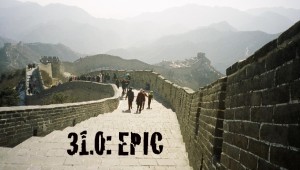
Great-WallWhen ‘Epic' was suggested as a theme for an issue of Cordite, I was expecting it to be either rejected outright or at least modified into something less archaic. When it was actually chosen as the theme for issue 31 with myself as the guest editor, I was faced with a more pressing concern: would we receive enough suitably epical submissions to justify our choice of this theme? Or would the dearth of appropriate contributions confirm that, as literary critic Tom Winnifrith has written, the epic is ‘as antique as a dinosaur', or, as Mikhail Bakhtin would have it, the epic poem is ‘an already completed genre … distanced, finished and closed'?

Continue reading

Posted in ESSAYS | Tagged ,

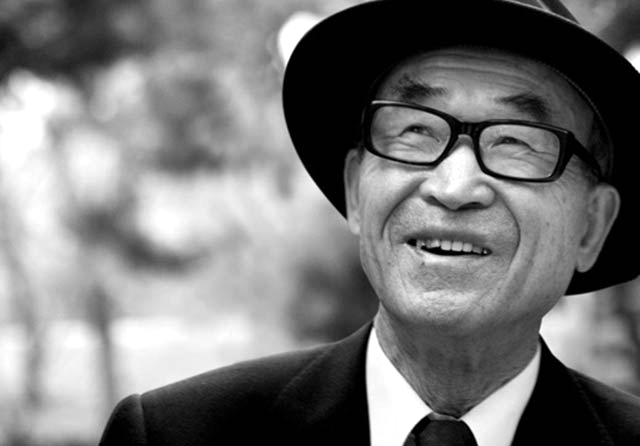
David Prater Interviews Ko Un


Image from Printemps Coreen

On a hazy autumn day in Seoul in October 2009, David Prater spent an all-too-brief hour with Ko Un, one of Korea's best known poets and the author of a true twentieth century epic, Maninbo [Ten Thousand Lives]. Ko Un's chief English translator An Sonjae acted as interpreter during the conversation, which ranged across various topics including silence, epic poetry and democracy in the twenty-first century.

David Prater: Ko Un, first of all thank you very much for agreeing to meet me today, it's a great honour for me to meet you in person. Obviously the basic facts of your life and works are well-known, but I’d like to ask you about the period of your life when you first started to write poetry in the 1950s. In your introduction to Songs for Tomorrow: Poems 1960-2002, (LA: Green Integer, 2008) you talk about the idea of the ‘Zero’; as being very prevalent at that time in Korea. For people in Australia who might not know much about Korea and what was happening then, can you tell me something about why that idea was so prevalent and why you might later have rejected it?

Ko Un: At that time it was just after the Korean war, everything was destroyed. I was a survivor surrounded by ruins and emptiness, and an orphan. So therefore it’s not just my poetry or myself personally or something, it's that the whole world seemed to be nothing but zero, a mound of ash. So my poetry begins in the midst of this zero, and me being this naked survivor, so to speak. And when you come to the present time, I can’t tell with this zero whether I”ve moved in a plus or a minus direction but in the present too it’s always a matter of starting again, starting again from a zero, again from nothing, to always start again from that, as it were, ground zero.

DP: You spent a decade as a Buddhist monk – is that a Son or Zen Buddhist concept?

KU: Buddhism for me is like food I ate for ten years, for a long time as a monk, and the food you eat goes to your bones and stays there, so in that sense it's inside me, it's not that I wouldn't be identified by Buddhism but it's there, a part of me … Buddhism has this emptiness and in opposition to it the 'is-ness', but the zero concept – there's nature, there's the whole existence of the universe but that itself for me is a part of the zero.

DP: In an interview with Patricia Donegan for Kyoto Journal in 2005 you described the Korean people as 'a poetic people' – not just in terms of actual poetry but in the way that they live their lives. In your childhood, what was people's attitude to poetry? Was being a poet seen as a viable or respectable occupation, or was it a punishment or curse?

KU: I had left home and I was lost. This is a process of loss, to have left home is to have lost home. Looking back now, the people there – my mother, father, grandparents, uncles – none of them were literary people but the way they spoke, the way they lived, their speech and everything was full of poetry, making them in a sense better poets than I am now. But looking back at that as a lost reality, it's no longer there and you can't go back. So at present I have this sense of having lost something, of having been deprived of something, it's no longer there, due to the process of modernisation.

DP: On that topic, of course, a big factor in the early twentieth century for Korea was the Japanese occupation. You write about having to learn Japanese forms and Japanese stories, having to speak in Japanese, given a Japanese name (Dakkabayai Doraske). You write that these Japanese influences were 'like splinters embedded deep within me'. Do you think it's possible for these splinters to be removed, or negated?

KU: Of course, originally, a lot of what's Japan came from Korea, it was one reality and one culture. But then they changed, over a process of time they changed and then in recent times they became more and more aggressive, as it were, more outreaching, taking over and attacking. And so when I was born and grew up it was under Japanese rule and I had to take a Japanese name and learn Japanese, so in that sense there is within me that wound of having undergone the Japanese colonialism. But at the same time even in that period I had the chance of learning to write in Hangul, so that when in 1945 liberation came, I was virtually the only child, the only person of my age who was accustomed to writing and reading in Korean, so in that sense I was powerfully less influenced than most of the people who grew up in that time. I was taught in secret, in the village, by my neighbours and relatives, and could mature myself in writing in Korean.

DP: You've described the manner in which you lost your hearing in the early 1950s. Speaking as someone who also experienced hearing loss as a younger person, this is something that's very interesting for me, and it seems that it's a very important aspect of your work. Despite the loss of hearing your poetry emphasises sound and focusses on words that have sounds, the sounds of rivers and waves, for example. To what extent is hearing and sound still a part of your experience of the world? To put it another way, in the attempt to block out the sound of the experiences around you, is it true that you turned inevitably inwards? Was this how you approached your writing from that time onwards?

KU: [offering a handshake] I'm glad to meet somebody else who's had hearing loss. I once met somebody who originally couldn't hear at all and developed hearing later. We reached the conclusion that you have to come to accept this world as a world of noise and sounds. For the person who hears and then no longer can hear, then the sounds heard remain forever inside that person. Such a memory in some cases might grow weaker and fade but in other cases might grow and increase. So that's right, I have these memories of sounds, of wind and sea more strongly than other poets would have – it's the memory. Because on one side there's no hearing, on the other side it's only an artificial eardrum, so if you take that away I am completely left in silence.

DP: It seems to me that the noises of the world are very important in your poetry but that there is a deep, I guess profound silence in many of your poems. Can you perhaps put into words what that silence is, how it feels?

KU: [pause] Silence is not the sort of trash of words and silence is not the tomb of words. I dream of a reconciliation between silence and words; they are not distinct and they are not in conflict. The finest poetry is silence.

DP: Moving onto another topic, Brother Anthony describes how you travelled by boat to Cheju-do, and it reminded me a little of the story of the Dutch sailor Hamel being marooned there, or even of Gulliver landing on Lilliput. Can you tell me a little bit about your experience of living on Cheju? Would you say it is a different place from mainland Korea?

KU: I had a dream that Brother Anthony and I would visit various islands around Korea once, but we're all a bit busy and old now! Going to Cheju-do, some people go to an island on a kind of quest but actually the real reason I headed to Cheju-do was that I intended to kill myself by jumping into the sea before I got there, so I wasn't really setting out to get to Cheju-do.

DP: Okay, okay.

KU: When I went I didn't realise, but arriving in Cheju-do I realised that it's not just beautiful nature but that in 1947-48 there were these terrible massacres by the rightists in Jeju-do, so arriving there I discovered these great deep wounds left by the experience of history. So I feel that during the three years I spent in Cheju-do, I was the Lilliputian, the small guy. I am very sad, because in those days there was still a sense of an ancient tradition surviving, its own language and culture, but now it's all been developed, transformed, it's gone.

DP: I visited Cheju last month and that was my experience of it also. That there was lots of resorts, hotels. It still seemed to me that there were ‘real' Cheju people living there but that perhaps they are being passed over by history …

KU: Yes, like Miami …

DP: Turning now to Maninbo [Ten Thousand Lives], your recently-completed master work, which I'm very interested in reading once the final volumes have been translated into English. Why 10,000? Does that number have a special significance for you or for Koreans?

KU: It's not arithmetic, it's like in The Arabian Nights where the 'thousand and one' means 'lots', or 'many'. In Korean and Chinese, again, it's a way of expressing a large number, a lot of people – more than a few.

DP: Would you describe Maninbo as an 'epic'? Is it one poem or is it ten thousand poems?

KU: It's like a flock of butterflies …

DP: Wonderful! Would you say that Maninbo has a style or form that is different from your other books?

KU: Each poem is different, each poem is about a different person, so in each poem I have to find the style or form that's suitable for what I want to say about that person, so it's multiple in style and form. I'm not interested in form – the subject makes the form.

Posted in INTERVIEWS | Tagged , ,

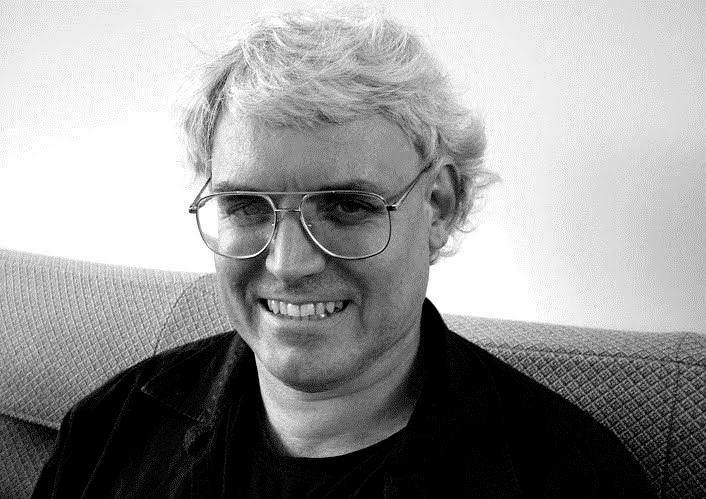
Ali Alizadeh Interviews John Kinsella


Image from Granta

John Kinsella’s most recent book Divine Comedy: Journeys Through a Regional Geography is an incredibly ambitious and meticulous rewriting of that great epic poem of the Middle Ages, Dante's The Divine Comedy. Our guest poetry editor for Epic, Ali Alizadeh, interviewed Kinsella recently, via email. Their discussion ranged from traditional notions of the epic form, and Kinsella's relationship with it, to ecological manifestoes and collaborative projects, and the concept of 'pushing against form'.

Ali Alizadeh: Your most recent book Divine Comedy, as its title suggests, is a complete rewrite of The Divine Comedy. Yet you've called yours a ‘distraction' on Dante's epic. Could you speak to that?

John Kinsella: Dante's Divine Comedy has been a long obsession for me. I came across it as a child, but only in a generic kind of way. I read Penguin editions of Inferno and Purgatory in my late teens and then reread Inferno (Ciardi translation) while living in a commune situation, and with a major drug and alcohol problem, in my early twenties. I mention the conditions of reading here because they were relevant to the way a personal mythology overlaid literary tropes for me – not an uncommon process for readers of Dante to impose. The Inferno started appearing in undeclared snippets in poems I was writing at the time – but in abstract and distant ways. But mostly, in pieces of artwork I was doing at the time (though long since abandoned, artwork was an integral part of my early poetry creativity). Those drawings and paintings are still in an archive somewhere. I hadn't seen Doré's images then (possibly a frame here or there, but certainly not in their entirety) but having since become saturated in Doré (I had the plates stuck up round the room while I was working on ‘my' Comedy), I would now find it impossible to work on anything visual without some subtext of reference to those amazing works.

When I came to writing my autobiographical work Auto in the late 90s, I drew on Dante's La Vita Nuova (‘And the sonnet was this…', for example: that is, exploring the links between poetry and prose regarding personal explication), and started to think about the entire Comedy. I reread Paradise around then. I had also read Paradise on Happy Valley Farm in the early 90s – the Sayers translation I'd picked up cheap in a secondhand bookstore somewhere. I was in a bad way then and suffering a lot of blackouts, so I read Paradise against the backdrop of the great Dryandra Forest and personal decay. But I re-read it in Cambridge in the late 90s.

For a long time, I have written cycles and movements of poems using pre-established models to highlight disjunctions in the way language, location, and attendant spatialities function. For example, by using Beethoven's Sixth Symphony as the template for The Silo: A Pastoral Symphony, I attempted, on the most basic level, to show the disjunction between European Romanticism and the introduction of European farming methods into Australia and their disastrous consequences in terms of country/land. Most of my work has an ecological basis, and in reconsidering pastoral motifs, especially in the way they do or don't transfer from place to place, I attempt to highlight how broader systems of discourse inevitably break down and damage the local. Local knows what works locally, in essence. Or, at least, has more of a chance.

In around 2003, I began to think of issues of the local and the broader local and the non-local in the context of Dante's Comedy. I was working on a book of poetry entitled The New Arcadia around then; that book was templated on Philip Sidney's Old Arcadia, and was very much in dialogue with his work. I was thinking of how far away from an original model one might go while retaining certain structural and linguistic elements of that original. When it came to considering a ‘take' (some critics have called it a ‘riff') on The Divine Comedy, I felt that I didn't want to create a dialogue, I didn't want to use it simply as a ‘model', bur rather wanted to take on the fundamental notions of what we consider to be ‘good' or ‘bad' in any given place at any given time and to set up a way of comparing personal response to place with historic and cultural tropes. I wanted to ‘distract' readers from their knowledge of the original texts but encourage them to reinvest their interpretations in the place and time of their reading. My work was to be an ‘up-close' work, an intense examination of five-and-a-half acres across three years (a year, roughly, for each of the canticles), but contextualising it in the greater world, and the discourse of location that surrounds all ‘places'. The distractions are what's happening outside the place you live in, as much as the distractions that happen daily where you live (seeing a bungarra or a rare bird, or even watching the familiar patterns of songbirds played out each day).

I like the idea of epics being about the micro – an accumulation of detail, of the ‘small', against the larger backdrop. Sometime in 1997 I wrote in a poem:

What use if we can't
note some of Dante
in his epic diva comics,

climb down a few rungs
of his sorry internal workings,
extricate around the footnotes

like revivals, enthusiastic
resurrections
of the roman à clef?

         (Graphology, Canto 7)

So the idea of the larger work departing from Dante's idea of the epic was finding its feet for me, and also the disturbance with the ‘entertainment' aspects of the big allegory. This is a question of reading, canon, and presentation, more than of Dante's specific intentions as writer. A cosmic performance, sure, but a cosmos in which we separate our own ecological impacts from what we read. Implication becomes moral and purely ‘human': it is not.

Furthermore, however epic a single writer wishes to be, s/he is writing the self. Interpolation comes in the form of anecdote and participation (through family largely, in the case of my Comedy), but as author I am still mediating. I am always flummoxed when critics point out, regarding the anti- or counter- pastoral I inhabit, that evidence of the anti is already well established in, say, Virgil (say from Eclogue VI), because they're missing the point of what I feel is the issue behind pastorality: that recognition of intrusion and decay of ‘country' or ‘rural' values is neither here nor there. What I see as the point of contention, apart from exploitation of people for profit, is the abuse of the land (especially in good husbandry and neat, ordered terraces), the damaging of ‘bushland' (in all its forms), and the agricultural use of animals for human profit. So my base model isn't the social issues of pastoral, but issues of ecological exploitation no matter how ‘rural'-authentic it dresses itself up as.

Posted in INTERVIEWS | Tagged ,

J.H. Prynne and the Late-Modern Epic

I: Further Notice: an introduction to the work of J.H. Prynne

The poetry of J.H. Prynne has recently come to the attention of an international set of poets and literary theorists. This interest has developed into a recent edition of Jacket, a festschrift from Quid, as well as the publication of many essays dedicated to the critical analysis of his work. This attention has coincided with the release of his updated collected work, Poems, and, coincidentally, with Prynne's retirement from a teaching position at the University of Cambridge and as Fellow Librarian at Gonville and Caius College.

Continue reading

Posted in ESSAYS | Tagged , , ,