Highlights from the Korean Poets’ Tour of Australia!

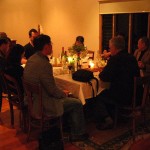
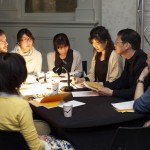
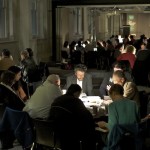
REDROOM POETRY COMPANY SYDNEY, AUGUST 2011
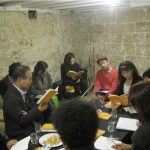
MELBOURNE WRITERS FESTIVAL, SEPTEMBER 2011
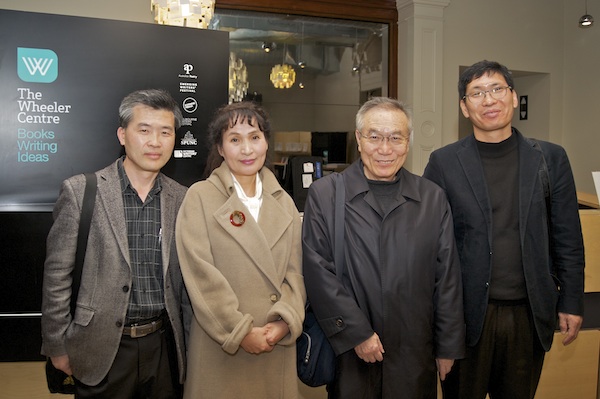
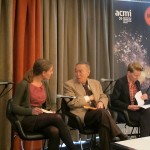
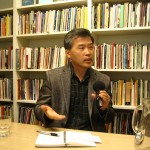
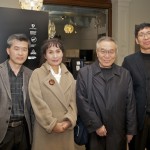
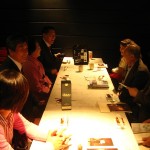
In August 2011, Korean poets (above, l-r) Kim Ki Taek, Park Ra Youn, Hwang Tong-gyu and Park Hyung Jun landed in Australia for a ten day tour. They presented at the Melbourne Writers Festival and in Sydney at the Redroom Poetry Company. The tour was a reciprocal visit following the Cordite/Asialink tour of Korea in May.

We wanted to introduce Australian audiences to the richness of the Korean poetic tradition, and continue the conversation between poets in both countries. We chose a format that was intimate and direct, taking into account language differences, and the fact that poets do not necessarily read their own work in Korea; professional readers usually do the job for them.

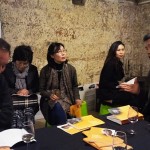
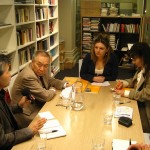
Accordingly, audiences were divided into small groups, each with their own personal poet. Seated around tables stocked with fruit and snacks, the poets read their work, fielded questions, and discussed both specific poems and general ideas. They were ably assisted by interpreters and volunteers who read English translations.

Every ten minutes, a bell sounded, the poets rotated, and the process began anew. It was a combination between a poetry reading, a conversation between friends, and speed dating. It was hard work for the poets – reading continuously for over an hour is no small task – but the reception and feedback suggest it was worth the effort.

For the main Melbourne event, the Korean visitors were joined by Terry Jaensch and Barry Hill, and following the reading, Barry hosted a dinner and recording session at his home in Queenscliff. Hwang Tong-gyu also presented at the Morning Reads Session of the MWF, and all four poets were interviewed by Australian Poetry and 3RRR.

In between readings, dinners and meetings, the poets were able to see some of Sydney and Melbourne’s sights, meet with the local Korean community, and fulfil one of Mr Hwang’s main pre-visit aims: to see a koala!
 

Asialink and Cordite would like to give huge thanks to the visiting poets; Barry Hill and Terry Jaensch; Rose Bygrave; Yoonie, Jin Kwon and the Korea Literature Translation Institute; the Korean Societies of Melbourne and Sydney; Johanna, Tegan and the Redroom staff and volunteers; Steve, Jenny and the MWF staff and volunteers; Joey; and everyone else who was involved. Cheers!
Posted in ESSAYS | Tagged , , ,

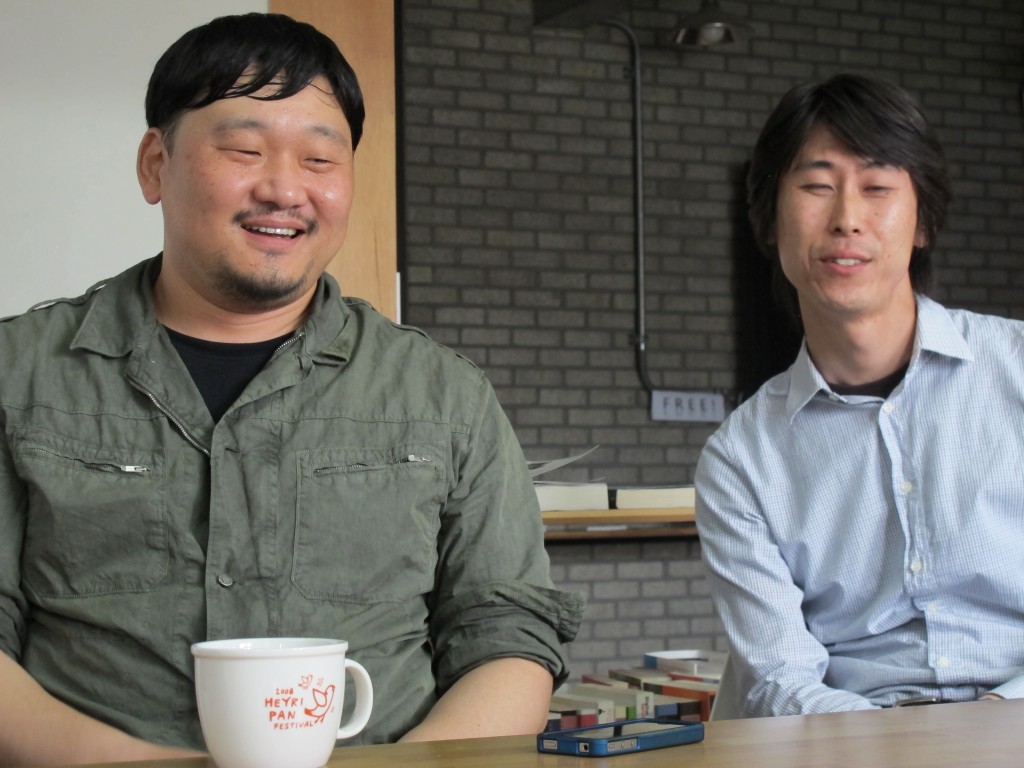
Balloon and Hyung-seok and Bo Yeon and Seoul city rolling

Balloon’s earned his name. He’s a six-foot-two barrel of a man with a voice that booms. He’s a giant among Koreans. A gentle giant with a wide, open face. The day is hot. His brow drips when he gets excited. Bo Yeon brings him a tissue. Bo Yeon brings water and coffee. She brings a bandaid. She watches everything with a hopeful half-smile on her full moon-face. Hyung Seok sits between them. He has a long expressive face landscaped by a strata of old scars. His hands are delicate and when he talks his fingers make tiny sculptures in the air. Continue reading
Posted in ESSAYS | Tagged , , , ,

Ryan Scott Reviews Louis Armand

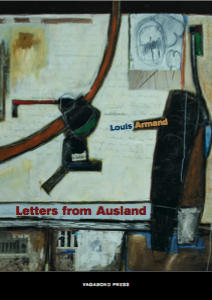
Letters from Ausland by Louis Armand
Vagabond Press, 2011

To say Louis Armand is a thoughtful poet is both obvious and an understatement. His reach extends beyond the expression of an idea to capture the sensation of the thought itself. He gives thought its heft, urgency and gravity and thus separates himself from being a mere poet of ideas. In his latest collection, Letters from Ausland, he finds that elusive ground between intellect and artistry.

Continue reading

Posted in BOOK REVIEWS | Tagged

Heather Taylor-Johnson Reviews Libby Hart

This Floating World by Libby Hart
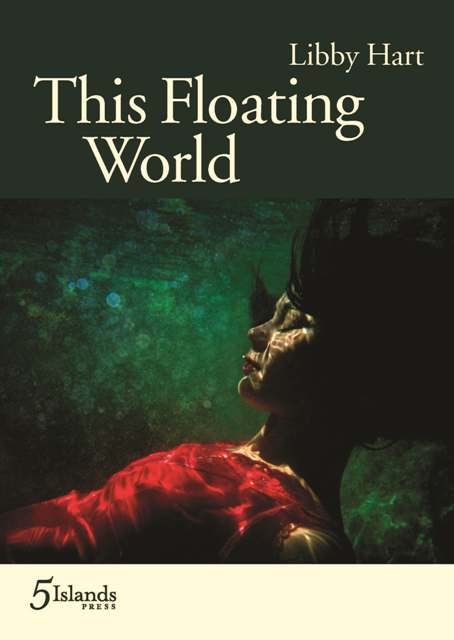
Five Islands Press, 2011

This Floating World is Libby Hart’s long-awaited follow-up to her 2006 Anne Elder Award-winning Fresh News from the Arctic. Like Arctic, the collection is heavily dependent on both the natural world and the nature of humans in relation to that world. I am making an educated guess that the book is a product of Hart’s residency at the Tyrone Guthrie Centre in County Monaghan, Ireland, as the structure of the second and major part is a songline of the area. From what I glean, Hart went to Ireland, fell in love with its extremities, saluted the wind again and again through a measured and responsive verse, dreamt of what the ocean might say, spied on lone figures, imagined their thoughts and longings and gave them voices. I love the concept. A map would have given readers a worthy visual, but I am willing to set aside the issue as it could well have been an aesthetic choice and, truly, the poems as maps speak for themselves.

Continue reading

Posted in BOOK REVIEWS | Tagged ,

Peter Boyle Reviews Yasuhiro Yotsumoto and Shuntaro Tanikawa

Family Room by Yasuhiro Yotsumoto
Vagabond Press, 2009
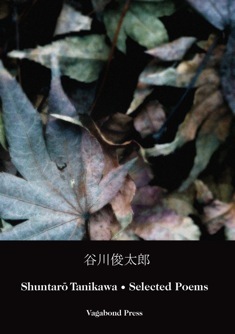
Watashi by Shuntaro Tanikawa
Vagabond Press, 2010

At the outset I will say that, though my own latest book Apocrypha was published by Vagabond Press, I hold no financial interest in the press nor any motivation to promote these two books other than the merits I find in them. The first collection under review, Yotsumoto’s Family Room, masterfully transcends the opposition between tradition and experiment; and Watashi, Tanikawa’s 20th collection to be published in English translation, certainly confirms this reviewer’s impression of being in the presence of a major poet.

Continue reading

Posted in BOOK REVIEWS | Tagged , , ,

Tina Giannoukos Reviews Ali Alizadeh

Ashes in the Air by Ali Alizadeh
University of Queensland Press, 2011

Ali Alizadeh’s latest collection, Ashes in the Air, blows across the fault lines of our manifold present. These are poems of strong rhetorical force. With remarkable alertness to volatile complexities, they engage in an argument with barely comprehensible realities of exclusion and inclusion. They are radical, philosophical and profoundly affective. They are not the stuff of the serenely observed or lightly recalled. Nor do they resolve themselves into the reassuring. Instead, they remain concentrated in their intellectual and aesthetic tensions. From the affective inquiries of the opening poem, ‘Marco Polo’, to the closing sorrow of ‘Staph’, the collection sets a profound challenge, in which “Reality/can be unforgiving” (89). There are poems here of love, of fatherhood, of migration, of friendship, of war and of death. Continue reading

Posted in BOOK REVIEWS | Tagged

Stephen Lawrence Reviews Andy Kissane and Alan Gould

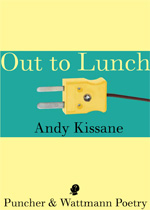
Out to Lunch by Andy Kissane
Puncher & Wattmann, 2009

Folk Tunes by Alan Gould
Salt Publishing, 2009

Even in the earliest era of proto-literature, The Epic of Gilgamesh sought to represent human voice, its intonations and social communications. Yet the clearest sign of a versatile writer is the extent to which he or she can dislocate the voice, free it up, loosen it into multiplicity. And the more experienced the writer, the more likely they are to catch on to this. John Tranter said, at the 2008 Poetry and the Trace conference in Melbourne: “It took me ten years to write poetry, then ten years to find my own tone and voice, then another ten years to get rid of the tone and voice.” Andy Kissane and Alan Gould are veteran poets, and so it might be assumed they are by now able to take their voices out for a walk on a very long leash.

Continue reading

Posted in BOOK REVIEWS | Tagged , ,

John Jenkins Reviews Peter Boyle

Apocrypha: Texts Collected and Translated by William O’Shaunessy by Peter Boyle


Vagabond Press, 2009

“No one can count the number of people we have been in a single / life. One death is never enough.” These lines from Apocrypha sum up a theme that resurfaces through the poetic fragments which make up this fabulous cache of texts: fragments which survive from certain lost books by real and re-discovered authors of the ancient world, including Herodotus, Longinus, Theophrastus, Catullus, Plato and others. All have been translated by a certain classical scholar, William O’Shaunessy, who died in straitened circumstances before willing his papers to posterity. And Boyle, or so he would have us believe, has merely put this legacy into order.

Continue reading

Posted in BOOK REVIEWS | Tagged ,

지옥의 불길 (Flames of Hell)

‘저 난감한 지옥의 불길은
결국 가상현실의 불길이군요?’
키보드를 두드리다 몸을 돌이키며 원효가 묻자
불타는 답했다.
‘불길이 대체 어디 있지?’
원효가 이번엔 예수에게로 몸을 돌리자
예수가 속삭였다.
‘지옥이란 이 세상 관계들이 죄 끊겨지는 삶일세,
생각마저 하나하나 끊겨지는.’
‘그 다음은 어떻게 됩니까?’
‘이어지길 기다리겠지!’
‘그러면 내세도 시간 속에 있군요.’
‘그렇다. 시간도 시간 속에 있다.’

Posted in 45: OZ-KO (HANGUK-HOJU) | Tagged

꽃의 고요 (Flower’s Silence)

일고 지는 바람 따라 청매(靑梅) 꽃잎이
눈처럼 내리다 말다 했다.
바람이 바뀌면
돌들이 드러나 생각에 잠겨 있는
흙담으로 쏠리기도 했다.
‘꽃 지는 소리가 왜 이리 고요하지?’
꽃잎을 어깨로 맞고 있던 불타의 말에 예수가 답했다.
‘고요도 소리의 집합 가운데 하나가 아니겠는가?
꽃이 울며 지기를 바라시는가,
왁자지껄 웃으며 지길 바라시는가?’
‘노래하며 질 수도….’
‘그렇지 않아도 막 노래하고 있는 참인데.’
말없이 귀 기울이던 불타가 중얼거렸다.
‘음, 후렴이 아닌데!’

Posted in 45: OZ-KO (HANGUK-HOJU) | Tagged

서른 살 (Thirty Years Old)

어두운 복도 끝에서 괘종시계 치는 소리
1시와 2시 사이에도
11시와 12시 사이에도
똑같이 한 번만 울리는 것
그것은 뜻하지 않은 환기, 소득 없는 각성
몇 시와 몇 시의 중간 지대를 지나고 있는지
알려주지 않는다

단지 무언가의 절반만큼 네가 왔다는 것

돌아가든 나아가든 모든 것은 너의 결정에 달렸다는 듯
지금부터 저지른 악덕은 죽을 때까지 기억난다

Posted in 45: OZ-KO (HANGUK-HOJU) | Tagged

70년대산 (Born in the 1970s)

우리는 목숨을 걸고 쓴다지만
우리에게
아무도 총을 겨누지 않는다
그것이 비극이다
세상을 허리 위 분홍 훌라후프처럼 돌리면서
밥 먹고
술 마시고
내내 기다리다
결국
서로 쏘았다

Posted in 45: OZ-KO (HANGUK-HOJU) | Tagged

염소 걸음 (The Way Goats Walk)

이 세상의 모든 염소 걸음은 슬프다
주인 곁에 바짝 붙어 아무런 의심도 없이 또각거리며 걷는 그들의 발걸음이 너무도 진지하고 공순하기 때문이다

Posted in 45: OZ-KO (HANGUK-HOJU) | Tagged

성읍 마을을 지나며 (Passing through Seongeup Village)

말의 선량한 눈동자를 바라보고 있으면 바람이 불어오는 쪽의 가난한 저녁을 알 것만 같다.

Posted in 45: OZ-KO (HANGUK-HOJU) | Tagged

육체가 없었으면 없었을 (Without the Body, Wouldn’t Have Existed)

매독 앓던 훈련병 맨머리처럼
희끗희끗 눈발 스쳐간 산들,
늙은 소나무 가지에서 눈 뭉텅이
떨어져 흰 떡가루 사철나무 붉은
열매를 덮고, 쌓인 눈 위에 밀린
오줌 누고 나면 순무처럼 굵게
패이는 구멍, 생각나는가 목에 뚫린
구멍으로 더운 피 쏟던 잔칫날 돼지
오, 육체가 없었으면 없었을 구멍

Posted in 45: OZ-KO (HANGUK-HOJU) | Tagged

꽃은 어제의 하늘 속에 (A Flower, in Yesterday’s Sky)

사랑은 사랑하는
사람 속에 있지 않다
사람이 사랑 속에서
사랑하는 것이다

목 좁은 꽃병에
간신히 끼여 들어온 꽃대궁이
바닥의 퀘퀘한 냄새 속에 시들어가고
꽃은 어제의 하늘 속에 있다

Posted in 45: OZ-KO (HANGUK-HOJU) | Tagged

떠나니는 말 (Floating Words)

말들은 떠다닌다. 거리 사이로, 건물 사이로, 다리 사이로, 떠다니는 말 속에는 전처의 소식도 있고, 모르는 꽃의 꽃말도 있다, 창밖에는 흰개미들이 풍경에서 풍경으로 옮겨 다니며, 원근법을 갉아먹고 있다, 언제부턴가 내가 그림 속으로 걸어 들어가면, 그림은 찢어진다, 나를 구원해주던 그 풍경들은 다 어디로 갔나, 60년대 이후, 신은 죽은 척 하고 있다, 60년대 이후, 스트레스는 디오니소스나 제우스 같은 스,자 돌림 신의 반열에 올랐다, 이제 그 어떤 예언도 심장을 설레게 하지 않는다, 이혼을 했으나 아직 더 할 이혼이 많다, 하루하루가 격세지감이다, 천변만화 피크닉이다, 김밥을 말았는데, 불끈, 분노 때문에 주먹밥이 된다, 무섭다, 객관적이라는 말은 모든 말의 적이다, 떠다니는 말 몇 개를 잘 이어 붙이면 딴 세상 여는 열쇠가 된다, 그래도 구원은 없다, 들리는 바에 의하면, 어떤 신은 최근 요리사 자격증을 땄다, 온종일 동파육을 만들고, 다 이루었도다, 거 참 보기 좋다, 그러고 지낸다, 말들은 떠다닌다, 모든 틈새로, 간극으로, 미끄러지듯, 유영하며, 떠다니는 말꼬리나 붙잡고, 나는 사람들 앞에서 자주 운다, 처음에는 한두 명 이더니, 이제는 열 명, 스무 명 앞에서도 잘 운다, 최고 기록 백 명이 목표다, 그 중에 한 여자가 나를 꼭 안아주리라, 나는 그녀와 사랑하고, 섹스하고, 결혼하고, 이혼하리라, 오랜 세월 간직한 일기장을 털면, 책장 사이에서 빠져 나온, 무수하고 미세하고 사소한 말들이, 허공에 두둥실, 두리둥실, 구원 없는 아름다움 앞에서 나는 오늘도, 속절없이, 아프다

Posted in 45: OZ-KO (HANGUK-HOJU) | Tagged

세계는 맛있다 (The World is Delicious)

그가 자신에 대해서만 노래하고 있는 동안
그렇게 집중하고 있는 동안 나는
아주 먼 산책을 다녀왔다
후유증이 심각하다
마모되고 있는 세계의 凹凸이 서글펐다
세계가 망해가고 있는 것은 외로운 날씨
순전히
체온이 결여된 기온 탓이므로

그는 이제 위선자가 되었다
풍경을 대할 때 제 삼자인 양한다 그러나
풍경은 생명이 있을 때만 움직인다
그 외에는 기껏해야 흔들릴 뿐
하나의 생명이 그를 향해 다가올 때
그는 당황해할 것이다 두려워할 것이다
바보처럼 바아아아보처럼

내가 한 때 존경해마지 않았던 그
내가 선물론 들고 온 생일 케이크 앞에서
눈을 사시로 뜨고서
어쩔 줄 몰라 한다
세계입니다! 세계가 먼저입니다!
내가 소리치자 그가 케이크 한 조각을 집어
내게 힘껏 던진다
내가 그것을 세계의 운동의 일부라고

생각할 때
내 얼굴을 덮치는 부드러운 凹凸
박살 난 케이크도 케이크다
참 달다
세계의 맛이다

Posted in 45: OZ-KO (HANGUK-HOJU) | Tagged

축, 생일 (Happy Birthday)

이목구비는 대부분의 시간을 제멋대로 존재하다가
오늘은 나를 위해 제자리로 돌아온다.

그렇지만 나는 정돈하는 법을 배운 적이 없다.
나는 내가 되어가고
나는 나를
좋아하고 싶어지지만
이런 어색한 시간은 도대체 어디서 오는 것일까.

나는 점점 갓 지은 밥 냄새에 미쳐간다.

내 삶은 나보다 오래 지속될 것만 같다.

Posted in 45: OZ-KO (HANGUK-HOJU) | Tagged

끝나지 않는 것에 대한 생각 (Thinking of an Unending Thing)

누군가의 꿈속에서 나는 매일 죽는다

나는 따뜻한 물에 녹고 있는
얼음의 공포

물고기 알처럼 섬세하게
움직이는 이야기

나는 내가 사랑하는 것들을
하나하나 열거하지 못한다

몇 번씩 얼굴을 바꾸며
내가 속한 시간과
나를 벗어난 시간을
생각한다

누군가의 꿈을 대신 꾸며
누군가의 웃음을
대신 웃으며

나는 낯선 공기이거나
때로는 실물에 대한 기억

나는 피를 흘리고

나는 인간이 되어가는 슬픔

Posted in 45: OZ-KO (HANGUK-HOJU) | Tagged

바람의 백만번째 어금니 (The Wind’s Millionth Set of Molars)

나는 천년을 묵었다 그러나 여우의 아홉 꼬리도 이무기의 검은 날개도 달지 못했다
천년의 혀는 돌이 되었다 그러므로

탑을 말하는 일은 탑을 세우는 일보다 딱딱하다

다만 돌 속을 헤엄치는 물고기
비린 지느러미가 캄캄한 탑신을 돌아 젖은 아가미 치통처럼 끔뻑일 때

숨은 별밭을 지나며 바람은 묵은 이빨을 쏟아내린다
잠시 구름을 입었다 벗은 것처럼
허공의 연못인 탑의 골짜기

대가 자랐다 바람의 이빨자국이다
새가 앉았다 바람의 이빨자국이다

천년은 가지 않고 묵는 것이나 옛 명부전 해 비치는 초석 이마가 물속인 듯 어른거릴 때
목탁의 둥근 입질로 저무는 저녁을

한 번의 부름으로 어둡고 싶었으나
중의 목청은 남지 않았다 염불은 돌의 어장에 뿌려지는 유일한 사료이므로

치통 속에는 물을 잃은 물고기가 파닥인다

허공을 쳐 연못을 판 탑의 골짜기
나는 바람의 백만번째 어금니에 물려 있다 천년의 꼬리로 휘어지고 천년의 날개로 무너진다

Posted in 45: OZ-KO (HANGUK-HOJU) | Tagged

갈대 등본 (Certified Copy of Reed)

무너진 그늘이 건너가는 염부 너머 바람이 부리는 노복들이 있다
언젠가는 소금이 雪山처럼 일어서던 들

누추를 입고 저무는 갈대가 있다

어느 가을 빈 둑을 걷다 나는 그들이 통증처럼 뱉어내는 새떼를 보았다 먼 허공에 부러진 촉 끝처럼 박혀 있었다

휘어진 몸에다 화살을 걸고 싶은 날은 갔다 모든 謀議가 한 잎 석양빛을 거느렸으니

바람에도 지층이 있다면 그들의 화석에는 저녁만이 남을 것이다

내 각오는 세월의 추를 끄는 흔들림이 아니었다 초승의 낮달이 그리는 흉터처럼
바람의 목청으로 울다 허리 꺾인 家長

아버지의 뼈 속에는 바람이 있다 나는 그 바람을 다 걸어야 한다

Posted in 45: OZ-KO (HANGUK-HOJU) | Tagged

그들은 아무 말도 하지 않았다 (They Said Not a Word)

어둠에 깔린 가리봉 오거리
버스 정류장 앞 꽉 막힌 도로에
12인승 봉고차 한대가 와 선다
날일 마친 용역잡부들이 빼곡히 앉아
닭장차 안 죄수들처럼
무표정하게 창밖을 보고 있다

셋 앉는 좌석에 다섯씩 앉고
엔진룸 위에 한 줄이 더 앉았다
육십이 훨 넘은 노인네부터
서른 초반의 사내
이국의 푸른 눈동자까지
한결같이 머리칼이 누렇게 새었다

어떤 빼어난 은유와 상징으로도
그들을 그릴 수가 없다
그들은 아무 말도 하지 않았다

Posted in 45: OZ-KO (HANGUK-HOJU) | Tagged

아직 오지 않은 말들 (Words Not Yet Arrived)

언제부터인가
있는 말보다
없는 말을 꿈꾼다

금세 가족이 되어 동화되는 말들은
그 말들이 아니다 그의 말들은
닮기 위해 오지 않고
설명하기 위해 오지 않는다

나는 이 말들의 음역이
좀체 떠오르지 않아
많은 날을 벙어리처럼 침묵해야 했다
때론 벽을 쿵쿵 울려보기도 했다

나는 오늘도 이 말들을 찾아
거리를 헤맨다 아귀처럼
어느 길목에서 그 말들이
내 몸을 삼킬 수도 있다
나는 전혀 다른 목숨으로 그 말들을
토해내야 할지도 모른다
그 말들은 뼈를 토해놓고
이것이 말이다라고 할지도 모른다

Posted in 45: OZ-KO (HANGUK-HOJU) | Tagged