On the eve of All Hallow’s Eve

We sit together in a biting wind
at Sydney Cove
while you talk of thin places
and we agree
that this is one of those—

filled with the spirits of your people
who had lived here for millennia
and my people who had come
and gone

I say
Tugaim ómós do do sheanóirí a bhí
agus atá ann fós

my words carried on
the bitter breeze
in my native tongue
that was torn from my people
along with our true names,
stories, songs—
one in every three
of my people perishing
during our own
enslavement on a farflung coast

From my lips to the ears
of your ancients

I implore
as
we sit together
in a biting wind at Sydney Cove
while you talk of thin places
and we agree
that this is one of those


Tugaim ómós do do sheanóirí a bhí agus atá ann fós means ‘I give tribute to your elders who were and who are here still’ in the
Irish language (Gaeilge).

Posted in 104: KIN | Tagged

statement

I am trying to get back to the womb
where I was cradled before I was civilised

before I was civilised
I had a song sung freely

a song sung freely
and without tremor

without tremor or
the thought to be ashamed

to be ashamed of
my clothless voice

my clothless voice we
didn’t know enough to not

enough to not be
as we were: woundless

woundless we were
in the womb

in the womb
before we were civilized

now the wound is a kind of womb

Posted in 104: KIN | Tagged

Clutter

Precious little things
Collated treasures
Curated bundles of dusty leaves
Wood and clay
Stones and shells
Dried flowers and feathers
Nestled between plants and baskets

These aren’t trinkets
Or knickknacks
Or junk
They’re domestic altars
Tiny shelf temples
Priceless pieces of memory
From where her heart goes when she’s tired

Ready to fill a few blue biscuit tins
Labelled and left behind when she is no more
Solitary inheritances
Lonely little legacies

Posted in 104: KIN | Tagged

Tasseography

For my Dapir

She holds the teacup to her lips,
gold-rimmed, a protective eye of tea leaves,
cardamom swirling, a caldera
of hidden depths; divination in the debris.

Honey-drenched, rose-scented,
stories run through my mind like sepia,
her voice dark like tea as it steeps.
Her face is cast bronze by a veil of light
shining through the lace curtains.

She cries into the brew, tells of her troubled eyes a
reckoning of tears. What her eyes have witnessed.

There are quiet moments like these,
where tea soothes and there is nothing left to do
but to listen, sit, sip together,
watch mountains bloom and tides change
in our teacups.

Posted in 104: KIN | Tagged

Homesick

homesick. home sick. sickhome. sick at home. sick of home.
sick— of all the times i am woken up by the birds chirping out my window until— i remember
that the room where i spend my darkest days is but a forest’s exoskeleton,
a reminder of human intrusion,
that we are trespassers no matter where we stand.

if there’s no place like home,
then why is it in my own yard where the stars don’t shine their smiles
in my own deaf bedframe i lie regurgitating days’ worth of worries and crude thoughts until my
body is a hollow shell with nothing left to retch
my feelings are suppressed
only when i gnaw the insides of my cheek till they swell and burst and bleed.
谁知盘中餐,粒粒皆辛苦1
when the broken shards of porcelain and spilled sticky rice leave me in tears on the kitchen floor,
you scold me tell tales of the farmers who feed us their backs forever hardened at that ninety
degree curvature from the hours spent coaxing the earth.

妈妈 (mā ma)2, i wonder what was it like when you first came to america
your throat harboring a voice that spoke megalopolis in one country
but was silenced by a maimed tongue in another
how were those nights where you traded crimson firecrackers and explosive laughter
for loneliness and alienation that tinged your cockroach-infested bedroom a shade of indigo?
at night your furrowed brows show you sleep with dreams battered by the breadth of the Pacific
its roaring waves inflicted bruises on your mind, giving you too much hope for the world

妈妈, this is a nation people like you have built
GENESIS has footing on the shoulders of those with wanderlust
not by choice but as a survival mechanism
like moths drawn towards light, the land of opportunity drew us in
but the man holding the lantern fueled by xenophobia
saw our blackened scalps and sallow faces
and turned the light so high up that genealogy, unable to see, burst into flames.
the mud our houses are built on swirls
thick with exodus and survival and the stories of you and a thousand others
it is mud doused in apartheid and ostracism-charged diction and penniless brothers
smothering you with the conviction
to scrub your limbs white until there is no more dirty yellow.

except you are not left with pristine white; instead,
festering wounds of identity led astray
and an abandoned concept of home.

妈妈, do you ever miss your home country?
where your tongue is no longer put into an aviary
where streets are lined with lanterns guiding you back to the sounds of home even when
mushroom clouds shroud the moon
in the land of rolling hills jaded with sweet sweet scents of 梅花3
we can still see your footprints impressed into paddies,
filled with the mud that bore you into existence rather than devouring you whole

妈妈, i have heard people say “home is not a place, but rather a feeling.”
in that case, let me love you the way the songbirds
have learned to love perching on fleshless/desiccated/lifeless bones.


1 These lines from a Chinese children’s poem roughly translate to “Who actually realizes that each grain of rice /
is the product of arduous labor?”
2 mom in Chinese
3 plum blossoms in Chinese

Posted in 104: KIN | Tagged

EOS

In the dawn I find everything
I don’t want to say aloud
bright shadows meandering
through uncanny air
all silences pour out of me
& puddle somewhere unseen
my heart empties
& fills with something else:
the weight of history
centuries of struggle
crowd-roar & banner-paint
birdsong, leaf litter, fruitbats
seeking eucalypt blossoms
while the long veil of night
withdraws, softening
the hot rush of your laugh
your warped pupil
reflecting in mine

Posted in 104: KIN | Tagged

Yamaji Kin Songline

I am kin to the Bimarra creation line
Snaking across country into bloodlines
Creator of Yamaji life and culture
Sustaining very old ancestor our old country

Nganajungu Bimarra is our medicine

I am kin to the old people now sand grains
My barefoot lifting their spirits into my being
Their quiet soft voices floating like invisible
Feathers in the Midwest wind into our hearts

Nganajungu Gami- Aba brings us medicine

I am kin to the bushfoods on my kitchen table
Gifted from family tree hunters on country
Collected by family gatherers from seasonal foods
Sustaining our spirit in town colonised spaces

Nganajungu warany -guga is our bush medicine

I am kin to the colonial archives violence
Family stories of removal, genocide , eugenics
Social experiments inhumane and cruel
Treatments of a First peoples on own country

Nganajungu yungatha needs our medicine

I am kin to family tree descendants of our
Many Ancestors guiding each generation forward
Coming back from ancient waterholes to babies
Family song lines sung in many different ways

Nganajungu Bimarra
Nganajungu Gami-Aba
Nganajungu Warany -guga
Nganajungu yungatha
Brings me culture and medicine
Grows our Yamaji Kin Songline

Posted in 104: KIN | Tagged

cambia

Posted in 104: KIN | Tagged

Four Tanka, Four Seasons – Breezes in Tokyo

fluttering, fluttering, fluttering, cherry blossoms
I’ll live away from my family
ARIGATO for all your support.”
language fluttering in
spring breeze

after I leave my nest
I hear a swallow’s mother chirping to chicks
a letter from my mother
brings
summer breeze

lockdown
deserted shopping street
torn between staying and going home
blowing through a big hole in my heart
autumn breeze

flurrying, flurrying, flurrying, light snow
university campus shutdown because of COVID
SAYONARA, I’m going home.”
words flurrying in
winter breeze

Posted in 104: KIN | Tagged

matrihaemoglobin

i.

i will not bear children. my hips wide and unyielding.
our arms, rivers of bloodline.
minangkabau—world’s largest matrilineal society.
our continuation, padusi.
our joys, bundles of infants.

the choice to unmother in one way is a choice to mother other things.
is a choice for one body to extend the luck of breath.

stopping medication during pregnancy.
how would baby bear the pain i’ve learned to river.
how could i welcome a soul to womb with toxic shock.
how would i propel us both through eugenicist clouds blocking airpipes.

to recklessly induce another life, when bloodline
is asking me, eons of padusi in mitochondrial chorus,
back and back and back:
‘onde mande, la laruik sanjo.
makin lamo hiduik,
makin banyak diraso.’


ii.

the land belongs to the minang woman.
more rarely said: the land is inside us.

i hoard the rustling quietude of tanah datar fish ponds.
pandemic-besieged in a flat in south london,
i close my eyes to the beat of bedug and the laughter
of thunder-voiced girls aged eighteen to eighty,
in rumah gadang lintau buo.

once, on a village visit, my brother
met a woman working in paddy fields
who said she’d held our uwo as a baby.

how could this land not be in our mouths
our glands, stoked granular whims, our legs
bathed in instinct, our hair thick and braided
my lost ones are soil embedded in skin
are the breadth of breathwork across rapid straits
are the way of return, the weight of migration
turned satchel that fits in the hand, compared to
the borderless country that lives molecular
speaking to vast populations of daughters
and bending oxygen into the forests
alive in our raucous eyes, the life ahead.

Posted in 104: KIN | Tagged

A Sense of Home

Home is not just pho or rice paper rolls
Or the textures of fresh herbs and crispy red shallots
Or even the taste of lemongrass infused in our palettes
It’s even subtler than the crunch of bread rolls or elephant ear stem
in our sweet and sour tomato soup broth

Home to many people like me and my family
May contain smells of fish sauce and pungent spices – to our senses not domineering
Sometimes it’s the case when its durian but other smells spread beyond the kitchen
For one, the hint of incense lingering when we do our honouring –
such peace it brings, remembering…

Beyond food, home is where you hear spontaneous karaoke, sad ballads, and your native
tongue spoken
A language you think sounds melodic, beautiful, poetic, and warm
Despite not necessarily knowing every word said, you savour the sentiment and its harmony
Sometimes love emanating from the warmth of the voice is just as sweet as it is soothing

See, home is the little things you cannot see at first, such as the sacred;
The unseen paths of our ancestors for which we continue on and give reverence
Traditions and stories shared across generations to which we give remembrance
Even existing beyond the confines of imperialism, communism, or any isms that tore us apart –
led us to war, and to seek refuge and a new start

Sometimes our homes are not within reach or no longer exist – sometimes we must uproot to find sustenance
It can unsettle us to move away from what we know and our comforts
For home is of many things all at once; taste, smells, sounds, sights, touch
See, home is not just where we reside, home is a place that nourishes us –
and more importantly, it’s a space where we can truly flourish…

Posted in 104: KIN | Tagged

A Scorched Earth

All Aborigines from Sydney onwards are to be made prisoners of war and if they resist they are to be shot and their bodies hung from trees in the most conspicuous places near where they fell, so as to strike terror into the hearts of surviving natives…

–Governor Lachlan Macquarie, orders to troops, circa 1816.

(1 of 3)

I will not be moved…
Long have I recognised the states of being on this country; collaborator or captive…the drought takes too many prisoners…and those who are compliant end up living on their knees anyway…in the heat-haze, barbed-wire fences sing 3-bar-blues…twang, twanging twang, twang…accompanied by murders of crow. In their black capes punctuating an endless blue horizon…red-dust twisters smothering everything in sight…wind-swept plains of nothing are still something…the rich ghost nation we have sewn into the fabric of our identity…this scorched earth…
I will not be moved…

(2 of 3)

I will not be moved…
Nothing else in the world smells like bushfire…early morning curlew-wings sing death into burning-season…the unique perfume of burnt eucalyptus welcomes new life, unlike cordite and the screams of murder…the scars from purges run deep…we all bleed red… nature and nurture…a seasonal inferno may bring destruction but desecration by inhuman action delivers curse…a grass will not dance until it’s seeds are seduced by flame…a death-mark will never yield life…
I will not be moved…

(3 of 3)

I will not be moved…
My memories dwell and never dwindle in the solemn air of my late-father’s study…a street sign liberated like a trophy, hung above his desk…NIGGER CREEK…as a child I sat in his big chair, my mind bewildered by what kind of hatred could craft such a trophy…and burnt into my mind’s eye, the incomprehensible simplicity of how ignorance and fear can produce such horrors…the ghosts of those quiet hours are branded into my memory forever…how the abuse of language can char a place in the conscience…to stay fixated in that place, as a prisoner, as a witness on this scorched earth…
I will not be moved…

Posted in 104: KIN | Tagged

Naming Ceremony

i am named for the rain / in the old tongue / i am named for the river / on my great-grandfather’s land / i was plucked from the soil / like a seed brown and sprouting / in the sun’s familiar gleam / i am the long finger of country pricked with a needle / to get to the blood where the stories live: / the peace-time, migration / invasion, diaspora / the one about the holy book / ours, the old rituals / the drought and the flood and fire / the mountains too remember everything / there was the linger of country in a look / every story becomes prophecy / wetheyi give it all ourmytheir names / i carry them all in the dip / of my nose, the melanin blooming from my skin / history stirs / i whisper it awake with the sound of a name / mine / dreams are a well of prophecies / i am the land i walk / a memory / my ancestors do not know my name / dreams are an ocean of memories / i dream-remember them all / our everything bound together / i will touch the ocean floor with my fingertips / for the first time / i will understand the words //

Posted in 104: KIN | Tagged

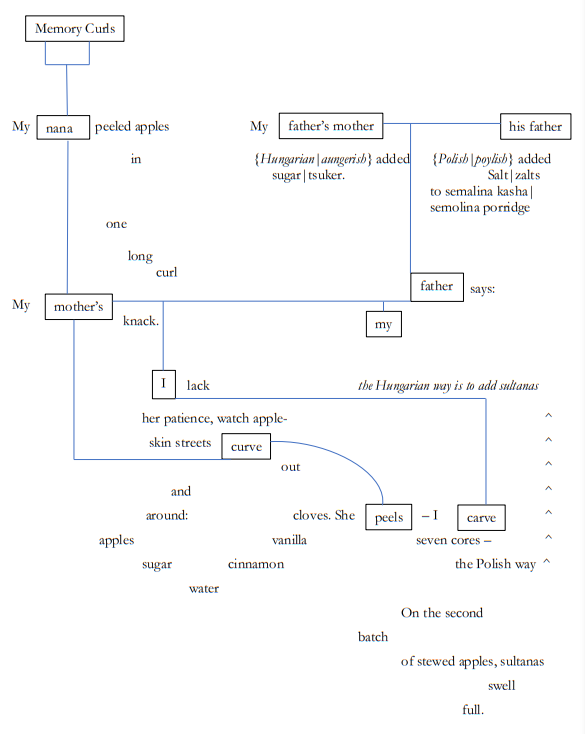
Memory Curls

Posted in 104: KIN | Tagged

western sydney fugue

1. parramatta

childbirth is as bloody as war & I am
due to give birth soon. I too am being reborn
as a mother, an indian mother, an australian mother.
there are weights attached to me that drag my limbs under.
in every place I’ve been is every other place I’ve been.
we immigrants live out of boxes
in our heads even after
we’ve unpacked the ones in our garages. I was born
in a hospital south of murtala mohammed airport in lagos, but I find
traces of lagos in parramatta, where I teach when I’m
eight months pregnant. there are many of us here,
sudanese, indian, nigerian, pakistani, lebanese, iranian, malaysian,
sri lankan, filipino. my students come from homes where the parents watch
english movies with tamil subtitles & the children
watch tamil movies with english subtitles. within the older boys boils
a khoon-red rage
emasculated
by otherness, by lessness, by being labelled
for every step they take, every word they speak,
the intonations of those words, their gestures, allowed none
of the invisible liberties
white boys enjoy. within the girls & the women is a silt-dark
hunger to be, to be allowed to be, untouched & uncontained,
spoken & heard,
heard, heard, heard.
charred dust & ants in the cracks
of our mouths. our blackness, our brownness, washed
up on the sugar-white shores of a country where
the hospitals aren’t clogged like
sclerotic arteries, their tiles slick with piss & vomit,
where the people aren’t bled like cows
for sacrifice. we are seeking shelter. shelter is seeking us.
our organs grow outside of us, pumping, pulsing, vulnerable
to the knives of the questions we are asked:
where do you come from? when will you go back?
some of us have no choice but to go back. no choice but to stay.
our brothers, our sisters
in detention centres & those of us outside of them with survivors’ guilt
eating away at us like acid. we are journalists, doctors, labourers.
we are farmers whose villages burned, whose crops succumbed to
warfare & drought. we are artists who bleed onto canvases
& lovers who flee beheadings because our bodies happen to be
the same sex. we push & push, birthing a tomorrow
that never seems to arrive. an unending, wracking labour.
when I think about giving birth I consider blacktown hospital
because I live there, but am advised by my obstetrician
to opt for norwest instead. I am upper-middle-class,
with private health insurance. I can afford it,
despite the colour of my skin, despite having been born
across the seas myself, in a hospital where my mother lay
sick & haemorrhaging on an unwashed bed
& nearly did not survive me.
now, my mother puts betel leaves in my mouth
for luck. my child squirms within my belly. across
parramatta the train track stretches,
a dark vein, needle-pricked, inflamed.
there are nerves that spark between the bones of this
place, its vertebrae of concrete & eyes of glass,
the shops the smoke-filled lungs of its body
& the streets its grey-white ribs creaking under the weight
they bear. the heavy quietude of the train station at sunrise
is an unborn child, a conglomeration
of all our silenced words, our terrors, our hopes. I fall asleep
to the rhythmic clacking of that silence, my hand curled
atop my swollen abdomen.
my child, I decide, my child will speak.


translations
khoon: blood

Posted in 104: KIN | Tagged

Rivers

Three rivers run
in my blood, where my mother takes
me home, where mud lives between toes, and rain
is a creature that transforms before my eyes, into river water
falling from rocks into my blood, stepping
carefully along Country, breaking
it gently as it does.

Here where I river-float
with my ancestor brother. I make ripples
he doesn’t. We’re laughing at Dad, tellin again
how Billabong comes from a Wiradjuri word. Old man crow
is eyein us from the banks. We know it’s
Grandfather tellin us youngfullas
“Respect your Elders.”

This River is old
like Earth’s granite bones
endorheic and slowing, for marsh lovers
reed weavers, for migratory mob. This River flows
old magic backwards from sea, makes saltwater
spirits in freshwater
shallows.

This river
is swollen with matriarchy
she’s boiling, flooded and cold
she jumps dams, eats earth with insatiable hunger, dumps fish
on front lawns, puts a couch in the tree
tells the kids “Get in
here NOW!”

This river
inhales and exhales
with the tides, she is connected to the rhythm
of all things, pulled and pushed by the gravity of dark matter
she flows where she wants, grows where she wants
and menstruates mud
along coastline.

River’s name is
changed from the place where
Brolgas played
to the name of a man who once
owned a company, a company that changes the shape
of the river, bares Country of bush
makes it barren
and used.

This English language
is full of polite words for things
that are violent. Ownership. Colonisation.
Non-consensual. Stolen. Dredging. Damming. Irrigation.
Mining. Aqueduct. Rape. River sleeps this year.
Sleeps deep. Where river?
Here river.

My river, my river
my river is a finger of universe
pointing, is spring-fed, is snowmelt
is rain-filled, is flesh warmed on bones, is Country
knowing, flowing, flooding, my river
my body, your river, our body
soon may be gone.

Posted in 104: KIN | Tagged

Kinship Country

~ Written with deep thanks and respect for the Elders, families and land that generously held me as I grew on Aṉangu | Pitjantjatjara |
Yankunytjatjara | Alyawarre | Arrernte Country.

Claustrophobic without the coast
I worry that desert Country
far from salt and sea might landlock me

but she opens with

v a s t

plains
and vocal cords
like winter

o

w

fl er

she sings–
Aṉangu | Pitjantjatjara | Yankunytjatjara | Alyawarre | Arrernte

gifts me
the word I need
kapi

teaches me to
g.a.t.h.e.r. bush
food
in sand ..d:u*n:e..
with her bubbies

tells stories in ochre and earth
akin to ours

c
r e
a t
i o n
s e
r p
e
n
t

( flies like an eagle
– eagle
|
hunting
on-
updraft )

fights
for the same rights
[-o-]

looks at me like my Old People do
over campfire
coals cooking roo
through
sips of tea
sweet and blak

from
panni
kin

She asks
when you coming back again?

I promise

soon

Good she says

Bring your Mum too.

Posted in 104: KIN | Tagged

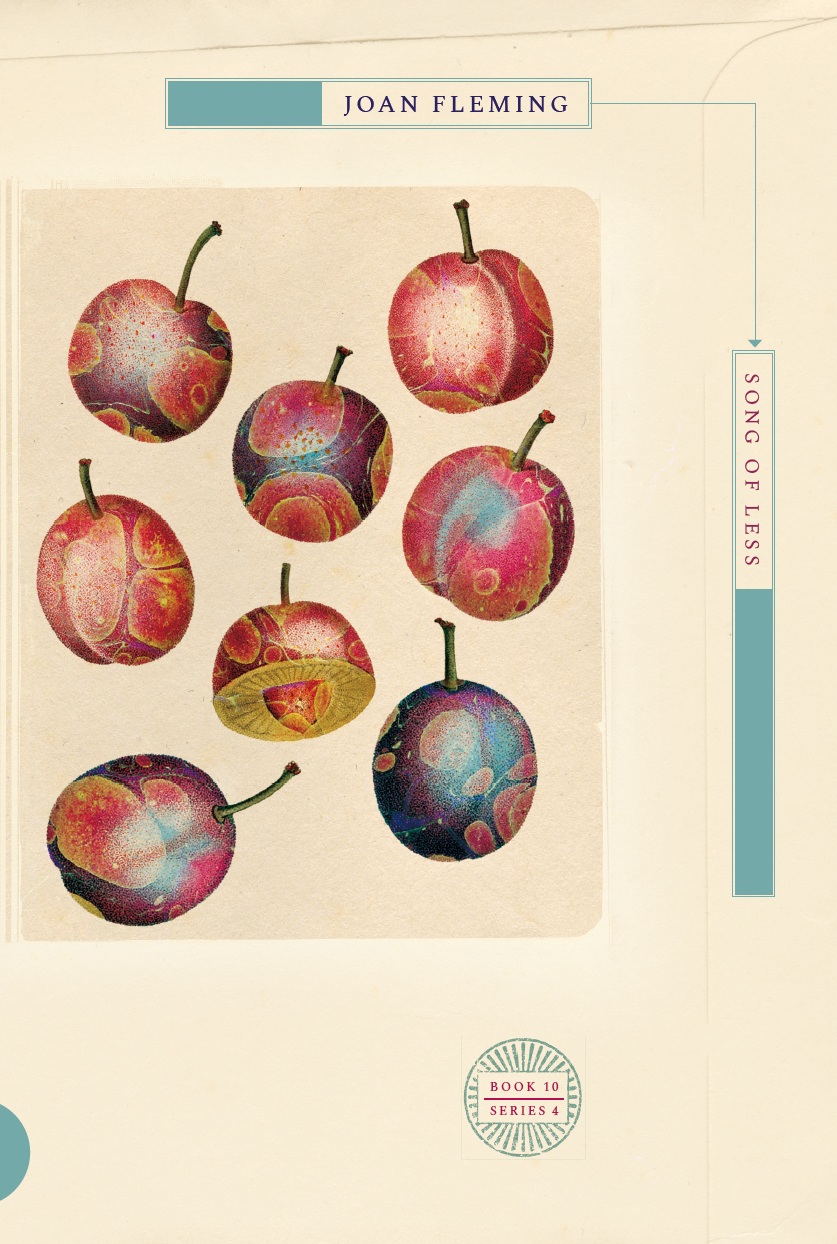
Introduction to Joan Fleming’s Song of Less

BUY YOUR COPY HERE

A song exists because something has been added to the world. A voice strikes out, human or angel or bird. Hands clap together, skin against skin, or move upon an instrument made from a different animal. Catgut, turtle shell. Horsehair, ivory. Note for note a song carries through the air and our world becomes more because the song is on the air. Add electricity – the song now sounds across vaster distances.

Song of less, then: song of a world without the neigh of horses, cats or crooning dogs or magpies carolling. In this shadeless season, on this blistered earth, a small band of humans, some of whom receive the names of birds, in memoriam, are singing. They are trying to remember; they have tried to forget. They are making up something from the things that are left, which add up to more than nothing but are less than what has been. What might have been.

Once upon a time I heard a talk on climate change and grief; the presenter played recordings of insects in a certain forest, taped forty years ago, then taped more recently. The song of loss – the loss of songs – was palpable, but only due to the jumpcut in time between recordings. One would have had to listen so carefully to catch it as it happened, the singers extinguished in real time. This memory of change and loss, then, must be passed on. It is a part of what a song is for, and has been, in this land of so-called Australia, since time began.

The end already happened, the invasion, the apocalypse. Joan Fleming’s epicedium is not taking place at The End; there will be no time like that. We will not get a time in which to sit and be enthralled by our own demise, like watching a movie. ‘It is hard to believe I used to ridicule other citizens for their habits of entertainment,’ recalls Yana, one of the company here, in a time that has arrived.

Our time of electricity. Our time of songs that have existed thanks to electricity, and how I loved those songs: the ones we wrote on plugged-in instruments and played on the radio and pressed onto plastic. Fossil music. And what did we know that we refused to know, when we sang those songs about the leaves being brown and the sky gone grey? Fossil prophecy.

Time will go on as it does, as we lose songs and their singers. In the absence of an End there will be no Beginning, no place from which we can make (up) the world again, out of whole cloth. We are left with what we are left with; we are salvaging.

The noun salvage dates from the seventeenth century: payment for saving a ship or its cargo from wreckage, or from piracy. The most valuable cargo in that century was human beings, captured and enslaved, the chief commodity of capitalism. We are still living in the wake of that history – everything, including this ( end ), has followed from it.

In salvage is a Proto-Indo-European root, sol: ‘whole, well-kept’, and this root, this ancient note, made its way into the word holocaust, in which the whole of things burn. Holocene: our epoch of many burnings. But also solidarity, this song we will keep singing in the wreckage.

Posted in INTRODUCTIONS | Tagged , ,

Submission to Cordite 105: NO THEME 11

What kind of a theme is NO THEME 11? We see it as a decadent proposition, a call to experiment, to play. Mostly, we want to know how you are. After all, it’s been so long. We want to hear your voice. We want to crowd in close. We want to turn the volume up.

We want … to have a party!

We want the poem that is your karaoke song. We want your poem to go viral. We want poems that look like fly-fishing baits: fuchsia, bitsy, feathered. Poems crammed full of every last piece of junk from your psyche and spray-painted silver like a street mime. We encourage you to feel a little sick about it. We want sweat and glitter; we didn’t think we wanted that, but times have changed, haven’t they, and now we do. We want to appreciate you and all your drama. There’s room for wallflowers, if that’s your vibe. We like vibes. We like tough, we like huge. We like knockoffs and originals, side by side. We like sexy, oh oh, we like that.

We want poetry that is effusive and overwrought and hyperbolic and melancholic and sentimental and dark and cheesy and twisted, that pushes itself so far past the realm of good taste that it glides gleefully into ugliness. Poems that boil and bubble over in excess. We are looking for too much of a good thing. We are looking for the poetry Liberace would have written. Poems hewn from marble. Poems called Romeo and Juliet.

We invite work that takes poetry past its logical limits. That pushes the envelope until it becomes a nappy filled with gold shit. We invite poems that are essays, essays that are comics, comics that are digital works of art, drawings of sound, recordings of drawings. We invite poems that are medieval manuscripts, birdsongs, legal diatribes, gardening guides, showtunes. We invite stylistic play, joyous experimentation, collaboration, hybridity. We want to feel a great rush of energy, very much. After sleeping far too long, we want to be woken up.


Submission to Cordite 105: NO THEME 11 closes 11.59pm Melbourne time Sunday, 13 February 2022.


Please note:

  1. The guest editor(s) has sovereign selection choice for all poems submitted.
  2. Masthead editors will also contribute to the issue.
  3. We will only read submissions sent during our official submission periods.
  4. Please place up to three (3) poems in one (1) Word, RTF or PDF document (unless specifically noted otherwise for special issues), with no identifying details in the document itself.
  5. We are not able to offer feedback on individual poems.
  6. Submissions will only be accepted via Submittable …

submit


Posted in GUNCOTTON | Tagged ,

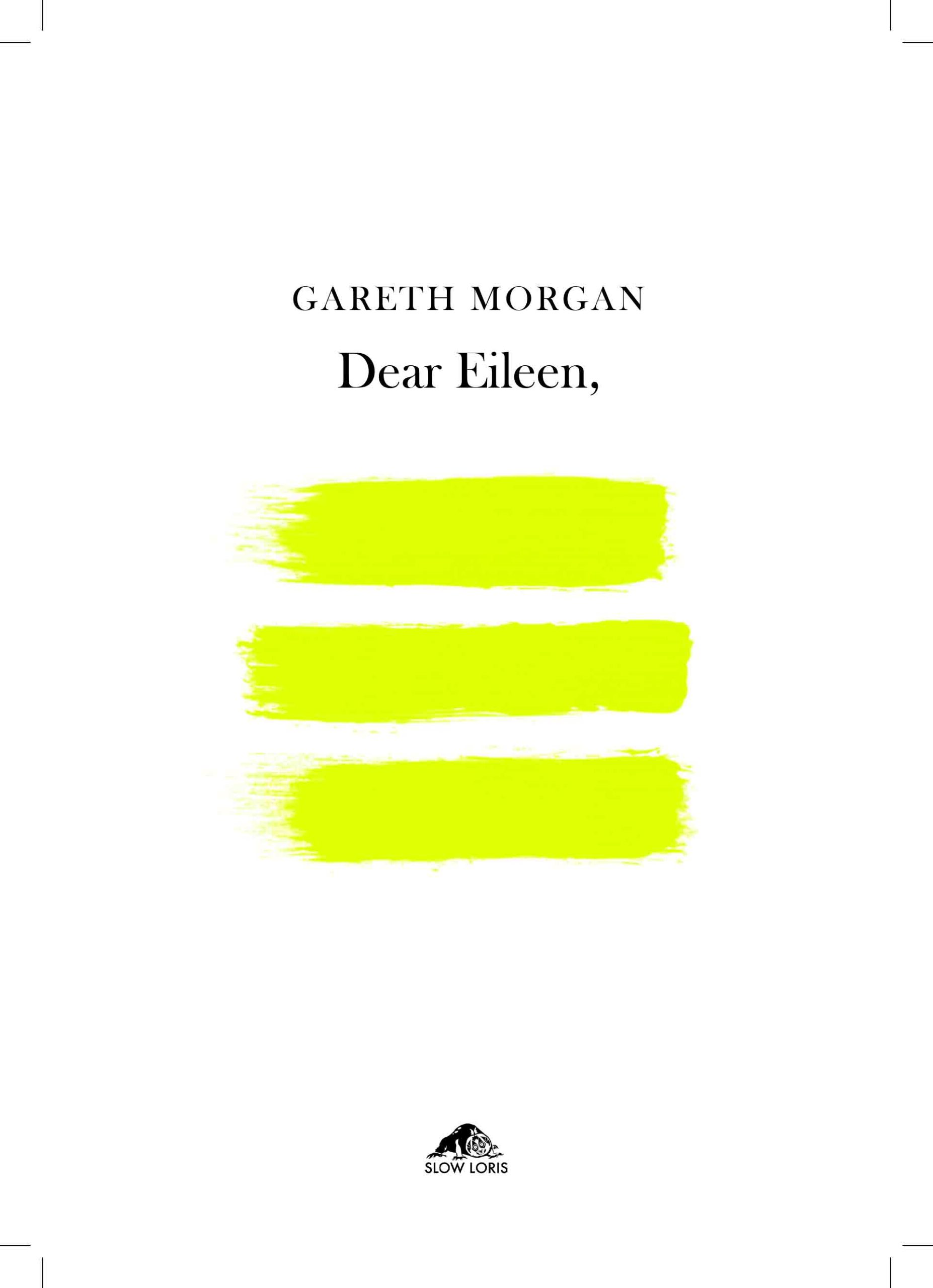
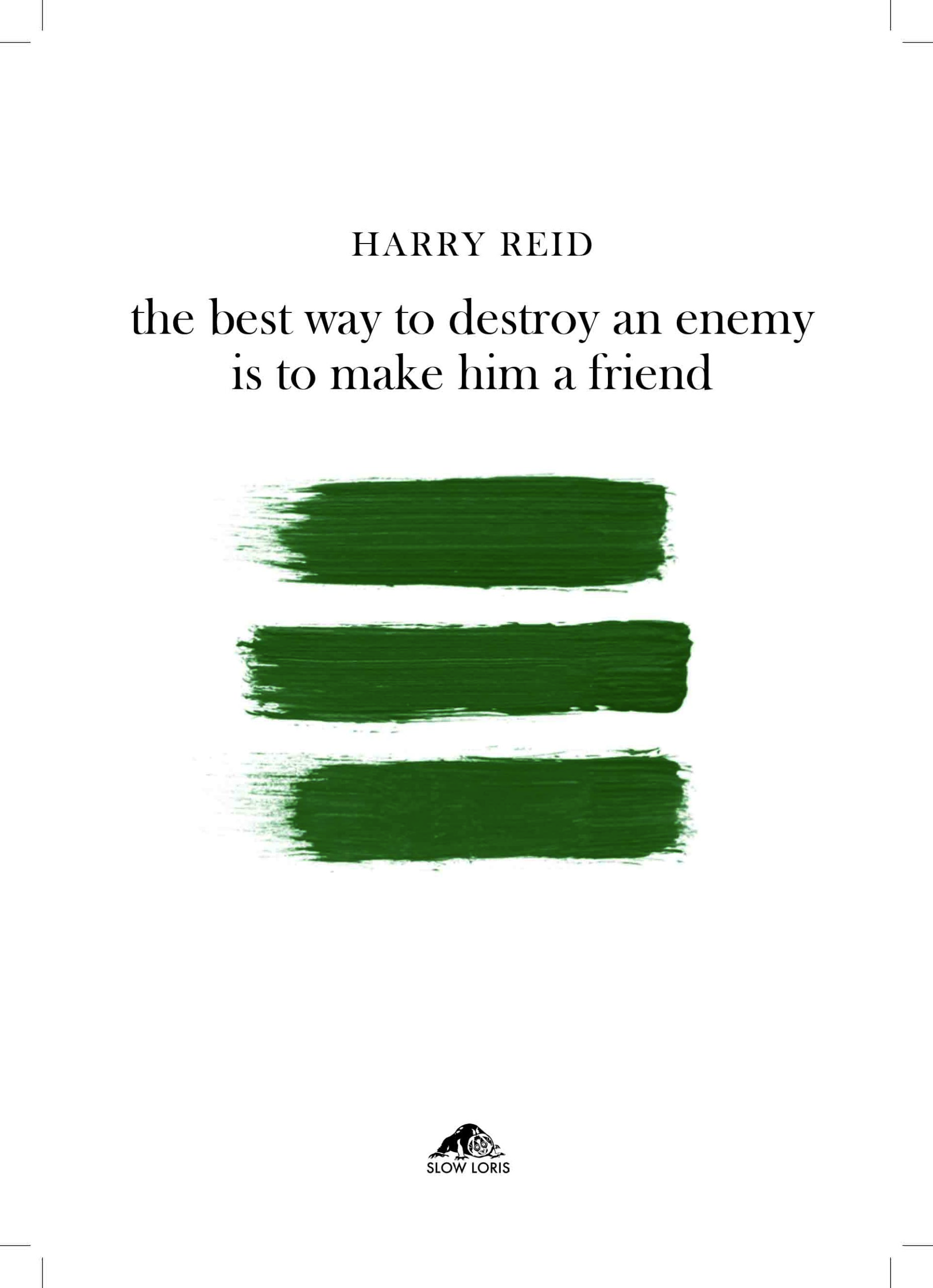
Rachel Schenberg Reviews Gareth Morgan and Harry Reid

Dear Eileen by Gareth Morgan
Slow Loris, 2020

the best way to destroy an enemy is to make him a friend by Harry Reid
Slow Loris, 2020


Gareth Morgan’s Dear Eileen, is a focused yet restless collection of epistolary-poems addressed to the American poet, Eileen Myles. Published in 2020 in Puncher & Wattmann’s poetry chapbook series, Slow Loris, it is the Naarm-based poet’s first title.

In the past, his published poems have been mostly verse, though in this 24-page chapbook, Morgan (‘gareth’, or ‘g’, as he signs off) writes in prose. The 20 undated letters run on from each other to create what is closer to a book-length poem. While full of digressions, the poems are not discrete, but rather build and accumulate as the author tries to make sense of his conflicted subjectivity as a poet and as a postal worker.

We find out that the author works as ‘a delivery only postal delivery officer, or “dodo”, for short. a cute dead bird’. In the acknowledgements he thanks his father for getting him the job, and also thanks the Post for allowing him to write while at work, to be their ‘unofficial poet in residence’. This ‘residency’ succinctly frames the overlap of his two worlds. Morgan describes being able to listen to poetry podcasts while on his rounds – ‘this poetry-on-the-job is an on-the-go scholarship of nothing and everything, the flipping miracle of everyday life’ – as well as write while riding by speaking into his phone, which sits in his breast pocket. Doing these two things at once, he says, ‘was stealing back time’.

Indeed the language in the letters, bouncy and alive, evoke the feeling of writing while moving. Morgan’s syntax, spelling and style incorporate the casual text-message form using lower-case, shortened words like ‘tho’ or ‘yea’ as if writing in a rush, no time for commas after greetings or farewells and long run-on sentences with little pause for breath. This sense of urgency in the writing highlights the importance of time in Morgan’s day-to-day and how he frames his thinking about postal work and poetry. He even equates time with ‘the letter’ and ‘the poem’:

we are busy attending to our rounds, carrying the letters, which are time, which, i would
like to add, in order to be very clear, is what poetry is. time […] i ride my bike across
cattail grass to get to the mailbox […] in order to deposit the letter, the time, the poem.

The epistolary form is deliberate and feels central to these poems, given the role of letters in postal delivery. It also allows for a level of uncertainty from the author – to write through ideas without reaching resolve. He moves between feeling ‘lucky’ to be employed as a postal worker and in a ‘totally unrelated field’ to poetry, ‘i have told myself – and now you: the reason i am a postie is the potential in it for pleasure’, while also finding the work unbearable, ‘eileen, i am feeling lost in this funhouse’, asking ‘what am I doing this for?’ He casually ponders whether work is a means of getting away from the self, whether poetry is a career, and if poetry can do something about the ‘subcontracting and the doubling down on exploitation and division of the working class?’ My favourite line nearing the end of the chapbook so beautifully and succinctly encompasses the author’s helplessness in his search ‘eileen, i feel like a stone, ripe to be piffed’. Despite reaching for clues, Morgan knows that ‘lucky’ is not what he should be feeling:

[…] i’m lucky that my employment contract as a dodo seems to suit me. and on days like
this, the hottest day of 2019, a total knockout, i still feel lucky, and that is the wrong
emotion.

The letter framing also references, Afterglow, Myles’ 2017 book, which opens with a letter addressed to ‘Eileen’ from their late dog, Rosie’s, lawyer(!). Morgan thanks Myles for this book in his acknowledgements, and mentions it throughout. He draws a number of other parallels with Myles, and it seems intentional for the author to direct his letters towards a poet whose life experience relates, in some ways, to his own. The author particularly notes their relationships with their fathers, both mailmen and ‘dogs’. Myles’s late father was a postal worker and reincarnated as Myles’s pitbull, Rosie, and Morgan’s father, a postman and nicknamed ‘Bulldog’, is also a dog like ‘all mailmen’.

The poems mix with the speaker’s subjectivity through the introduction of other voices. These include books, audio/video recordings and past conversations with friends and fellow poets, revealing Morgan’s approach to poetry through community (seen also in his work with the poetry reading series, Sick Leave, co-run by his friends Ursula Robinson-Shaw and Harry Reid). Morgan creates a fabric of influences through quotation and imitation, and these references lay the landscape of Morgan’s thinking. Myles’s influence specifically can be seen in the accessibility of language, everyday-ness, as well as fluid-yet snappy style of the poems (a style of Myles’s, which they adopt – as Maggie Nelson describes – from ‘the New York School’s love of fast talk’, allowing the movement of deflected thoughts to orient the poem). Morgan also readily acknowledges Myles’s influence within the poems themselves: ‘i wonder if i am just doing so much copying or echoing – of you’, and, ‘i am listening to you again and reminding myself of the time i rode the trains and thought for the first time you and i were one […] i was so in your voice i even thought i was a lesbian’. The poems can be read as a way for the author to channel the voice of his addressee, as well as the voices of other influences, to find answers more than his own.

Posted in BOOK REVIEWS | Tagged , ,

Hardcore Pastorals: Poems by Rebecca Hawkes

Peach Teats
(calves love ‘em)

so much suckling frothy spittle and grunt
a crescent of devotees hunched at the steaming trough

barely able to breathe and drink at once
in quenched surrender to the rubber teat

their pretty eyes their pure thirsty thoughts
no useless knowledge no wondering where

their mothers are only hot sweet powdered milk
and the unique patented internal collapsing flap valve

self cleaning leak resistant flow regulating
like any perfect body or machine

Posted in CHAPBOOKS | Tagged

Citations: poems by Lou Garcia-Dolnik

Aubade

I am overextended. The poem forgets me
but the city says here. Image.

Lights unbury the bodies of abandoned bicycles.
The river architecting assembly lines of women

forgetting their boyfriends. Somewhere
a rave I’m not invited to. The distended dark. Silhouette

of pyjamas, four walls. Joint smoke. The winter shower,
articulate. Splay books over the bed. Courier boxes,

the voided cabinet. Naked feet betray the season’s imperative.
Today, I drink tea. Tomorrow, count the socks that have shrunk

after laundering. Call home. The heart is louder
further from the equator. A little softer, I beg, repatriated

to my supplicant body. Joint pain. The air leaves me gasping.
Most roads lead to coat check. Someone texts me there is hole

in the shape of my person where I left. I left my life
in a city which does not remember me.

This poem riffs on Emily Jungmin Yoon’s ‘Between Autumn Equinox and Winter Solstice, Today’

Posted in CHAPBOOKS | Tagged

4 Róger Lindo Translations by Matthew Byrne

Róger Lindo’s Los infiernos espléndidos (1998) first went to press six years after the Salvadoran Civil War ended. The conflict was horrific and its aftermath equally so. Right-wing death squads roamed the streets of San Salvador and committed atrocities in the remote hamlets of El Mozote and El Calabozo, massacres that remain to this day tattooed in the minds of Central Americans. By January of 1992, when the war ended, an estimated 75,000 civilians were dead, and hundreds of thousands more had fled the long-embattled little country. The UN Truth Commission fifteen months later achieved little in the way of national reconciliation, and, today, nearly thirty years on, old wounds still pour with blood.

It’s this context, I believe, that proffers a few insights into Lindo’s distinctive voice and oblique style. His poems rely on an aesthetic of ambiguity that enumerates the ambling routes a trauma-addled mind will travel. You never quite know what you’ll find around the corner, much less why it’s there. This capacity to surprise readers is Lindo’s gift as a poet. At the same time, he eschews explanation. In the poem WATERY URNS, for instance, we’re shocked to read that ‘clouds shaped like old friends’ are suddenly, and without explanation, ‘slaughtered / at the foot of vertiginous mountain ranges’. Memory gurgles to the surface, but it’s hard to discern anything with clarity. ‘What the hell happened here?’, we wonder. And while Lindo offers no answer, our guts do. The sinking feeling tells us all we need to know.

Traumatised artists often reach for mimesis when the horrors they survive are otherwise unspeakable. Their art often, though by no means always, imitates their disjointed life. Trauma brain reconfigures memories in mysterious ways. Even the most solid of recollections evaporate with the passage of time. Certainty falls away. Here, Lindo is no different. The ‘names’ of flora in A VESPERTINE SNAPSHOT lurch from representing objects as tangible and sharp ‘as navajas’, in one stanza, to haunting ephemera that melt away like ‘snow’ in the next. If the word ambivalent comes to mind, embrace it.

Lindo is a wayfarer, a fact the careful reader learns only by making her way through the entire collection. He begins it in motion – ‘always going because I’ve always been going’ – and concludes it ‘lost’ in a ‘gyre’. ‘WATERY URNS’ bookends the collection, but this isn’t a tomb; it’s more like a way station along a journey as beautiful as it is grim. Infernal Splendour and Other Poems is a whirlwind collection that insists readers view Central America not simply as a place held hostage by history, but as a splendid paradise deferred.

The complete translated collection is forthcoming from Izote Press in late Spring 2022.

Posted in TRANSLATIONS | Tagged ,

‘A poet is a worker in language’: Debris Facility Interviews π.ο.


Image courtesy of Neos Kosmos.

π.ο. is a great poet. He was interviewed in Cordite Poetry Review in 2001, so 20 years later we are able to hear his enlivening words again. π.ο came to the attention of Debris Facility during the course of 2021 and his poetics provide a much-needed structure, formula and horizon from which to orient a practice unseparated from life. To forefront the anarchist politics within poetry is to invest in the liberatory potentiality within the agency of reading and writing. We had instantly been drawn to the power of his practice, its function and what information and meanings we were able to be transmitted through it. The collective modes of publishing π.ο. has committed to resonate with Debris Facility’s methods of multiple agencies and voices. We had bought the available back catalogue of π.ο.’s books, picking them up personally, and paying with cash. The material context of this is relevant, though not the most important. This interview was conducted over a week of emails, at the invitation of Autumn Royal. In acknowledgment of the shared work present, our fee will be divided evenly. This conversation is one step towards what is hoped to be a friendship, which accounts for overlapping and divergent practices, but grounded in solidarity.

Debris Facility: To kick us off, maybe we could clarify some of the circumstances of coming across you and your work, and why it’s got such magnetic pull. You had been invited to perform work as part of the ‘Disorganising’ project at ‘Collingwood Yards’, which used to be Collingwood Tech, where you had studied in the past. My colleagues at Liquid Architecture had shared enthusiasm with me, and about the radical publishing activities you’d been part of in the area also. The resonant force of the performance of your poetry which was about the site, your experience and its history is invigorating. There is a utility to the ways in which your work enfolds historical and factual information which is sharp and generous. Witnessing someone with a commitment to experimental practice with political use within a pretty weak cultural landscape reveals a horizon to work towards. Would you be able to share more about your time on Johnston St Fitzroy, if your time at Collingwood Tafe has much relationship to your work with ‘/*’ (slash asterisk) the anarchist publishing project?

π.ο. : The political poetics in my work comes from (1) life experience – from within the class I grew up in and within the suburb that nurtured me. It did not come from ‘with-out’. It did not come from some kind of understanding of poetic or art practice. often, I would do something and then find out that someone else had already done it or someone else had already thought it, and it would excite me. I found it exhilarating. I subscribe to that notion of you are influenced by everything that went before you even if you didn’t think it had affected you directly. (2) my work contains ‘work’ in it – labour – both poetic and actual, in that it was formed and informed by my socio-economic circumstances, and the realisation of the ‘standing’ / ‘class’ – I’m playing for keeps! – and i pay i.e. pull the money out of my pockets (along with my friends and family and lovers) and bankroll poetry – never made any money – or else it’s donated back to the project etc. I made sure that my poetry didn’t rely on or depend on my work (as a Draughtsman, eventually), didn’t put your art where your money is, and you are free to say as many fucks as you want. I have for far too long seen great writers crushed under the weight of bureaucratic bullshit for funding. (3) subverting grammar, language, spelling, was inadvertently my first huge success – my first book Fitzroy Brothel, had ‘FUCK THE SPELLING’ on the back. cos people at work told me i could be a poet cos i couldn’t spell. I was happy to spell properly, only i couldn’t see where the spelling errors were. (4) Collingwood Tech was important to me, in that it showed me this was not where i wanted to be i.e. being streamlined into the workforce as Industrial fodder, from an all-boys school, cos i was some kind of dumb wog – this is NOT over statement. I had to go to Collingwood Tech cos my Primary School teacher said i had to cos i ‘didn’t have the brains’ to go to High School. (5) years later, literally up the street from Tech we opened up an Anarchist Press (that i bankrolled, rent wise cos i had a job). It taught me how to disseminate information – how to get, work on, and get it out there, along with the insider fighting that inevitable goes on in these organisations – but being Anarchists, i was acutely aware of the dangers of too much flag waving and not enough clear speaking and analysis. (6) i became great when (with all the chutzpah) i first began to say I’m brilliant, i’m fantastic, i’m great. NOTE: not I Am The Greatest – it was a statement of ‘worth’ a statement unto myself. I read that poem i wrote, out loud, on top of a rooftop in the City of Melb – bouncing my voice off the clouds, to all the traffic and the curious textile workers who stuck their heads out the window to see what was going on. A SONG FOR MELBOURNE eventually won the BEST DOCUMENTARY of 1980 for Chanel 0-28 which was in essence SBS’s first award. (7) ‘*/’ was the name i gave to the Anarchist Press which was earlier called Strawberry Press – cos i was always interested in mathematics, and in 1970 i did a small class (night school) on programming and you ended a Fortran program with a ‘*/’ which always sounded to me as ‘slash a wrist’ … which is how i sometimes felt (emotionally) but never ‘actually’ (8) i forgot what i was going to say in this email.

Posted in INTERVIEWS | Tagged ,