
-
- 121: NO THEME 15with M Beneba Clarke 120: DIALOGUEwith E Chong 119: FITwith E Collyer 118: PRECARIOUSwith A Jackson 117: NO THEME 14with A Creece 116: REMEMBERwith M Sahhar and A Te Whiu 115: SPACEwith A Sometimes 114: NO THEME 13with J Toledo & C Tse 113: INVISIBLE WALLSwith A Walker & D Disney 112: TREATwith T Dearborn 111: BABYwith S Deo & L Ferney 110: POP!with Z Frost & B Jessen 109: NO THEME 12with C Maling & N Rhook 108: DEDICATIONwith L Patterson & L Garcia-Dolnik 107: LIMINALwith B Li 106: OPENwith C Lowe & J Langdon 105: NO THEME 11with E Grills & E Stewart 104: KINwith E Shiosaki 103: AMBLEwith E Gomez and S Gory 102: GAMEwith R Green and J Maxwell 101: NO THEME 10with J Kinsella and J Leanne 100: BROWNFACE with W S Dunn 99: SINGAPOREwith J Ip and A Pang 97 & 98: PROPAGANDAwith M Breeze and S Groth 96: NO THEME IXwith M Gill and J Thayil 95: EARTHwith M Takolander 94: BAYTwith Z Hashem Beck 93: PEACHwith L Van, G Mouratidis, L Toong 92: NO THEME VIIIwith C Gaskin 91: MONSTERwith N Curnow 90: AFRICAN DIASPORAwith S Umar 89: DOMESTICwith N Harkin 88: TRANSQUEERwith S Barnes and Q Eades 87: DIFFICULTwith O Schwartz & H Isemonger 86: NO THEME VIIwith L Gorton 85: PHILIPPINESwith Mookie L and S Lua 84: SUBURBIAwith L Brown and N O'Reilly 83: MATHEMATICSwith F Hile 82: LANDwith J Stuart and J Gibian 81: NEW CARIBBEANwith V Lucien 80: NO THEME VIwith J Beveridge 57.1: EKPHRASTICwith C Atherton and P Hetherington 57: CONFESSIONwith K Glastonbury 56: EXPLODE with D Disney 55.1: DALIT / INDIGENOUSwith M Chakraborty and K MacCarter 55: FUTURE MACHINES with Bella Li 54: NO THEME V with F Wright and O Sakr 53.0: THE END with P Brown 52.0: TOIL with C Jenkins 51.1: UMAMI with L Davies and Lifted Brow 51.0: TRANSTASMAN with B Cassidy 50.0: NO THEME IV with J Tranter 49.1: A BRITISH / IRISH with M Hall and S Seita 49.0: OBSOLETE with T Ryan 48.1: CANADA with K MacCarter and S Rhodes 48.0: CONSTRAINT with C Wakeling 47.0: COLLABORATION with L Armand and H Lambert 46.1: MELBOURNE with M Farrell 46.0: NO THEME III with F Plunkett 45.0: SILENCE with J Owen 44.0: GONDWANALAND with D Motion 43.1: PUMPKIN with K MacCarter 43.0: MASQUE with A Vickery 42.0: NO THEME II with G Ryan 41.1: RATBAGGERY with D Hose 41.0: TRANSPACIFIC with J Rowe and M Nardone 40.1: INDONESIA with K MacCarter 40.0: INTERLOCUTOR with L Hart 39.1: GIBBERBIRD with S Gory 39.0: JACKPOT! with S Wagan Watson 38.0: SYDNEY with A Lorange 37.1: NEBRASKA with S Whalen 37.0: NO THEME! with A Wearne 36.0: ELECTRONICA with J Jones
haikunauts
Notes on Renga
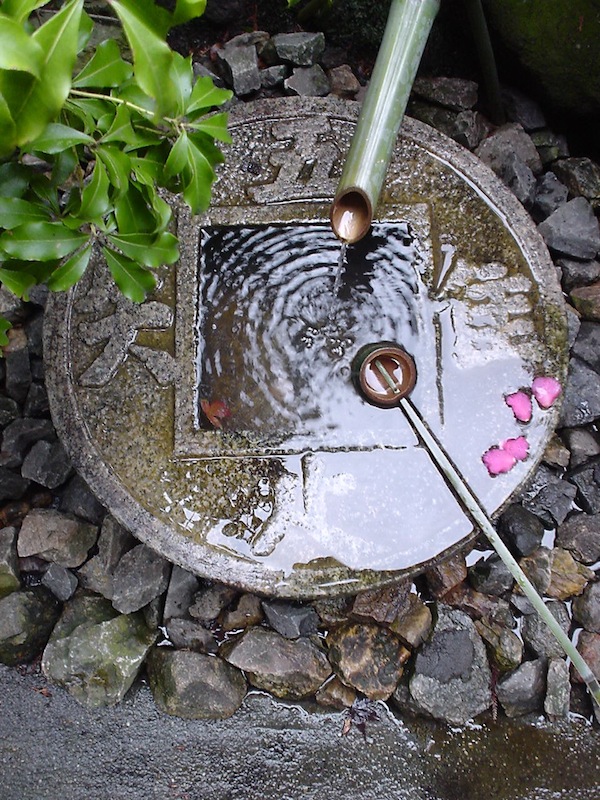 Renga is a collaborative form of poetry from Japan. In Japan it is now called “renku,” but the term “renga” has been internationally used for quite a long time, so let's go with “renga” here. Renga was born from the tradition of waka, the traditional/prestigious poetic form with 5-7-5-7-7 morae (sound units), in the 12th century. In the beginning it rigidly followed the high aesthetic of old waka in the Royal Court. However, later it began to incorporate secular elements and gave birth to a genre called haikai-no-renga (roughly meaning “mock-renga”) or haikai. Since the end of the 19th century it has been commonly called “renku.” Well, it has quite a tradition …
Keiji Minato: Notes on Modern Haiku (4)
Female haiku writers can hardly be categorized either in the language-centered group or in the existential image group, as described in my previous post. Even if they are different from each other and have elements common to male contemporaries, thinking about the genealogy of women haijin seems more informative than mingling them together with male writers.
Posted in ESSAYS, FEATURES
Tagged haiku, haikunauts, japan
Keiji Minato: Notes on Modern Haiku (3)
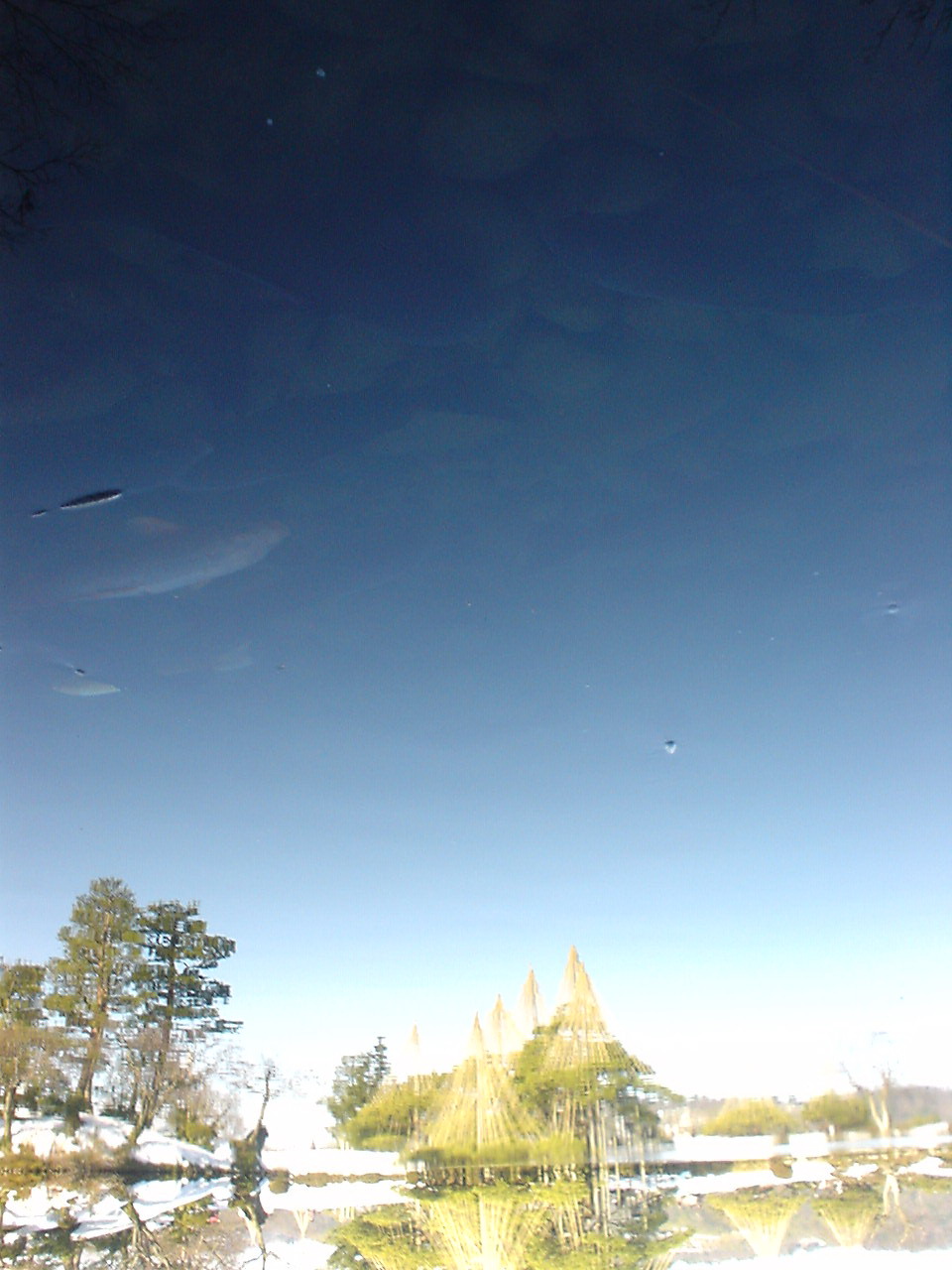 Avant-garde haiku became bankrupt when its momentum was dissipated by the stabilization/conservative shift of the society around 1970, along with other radical movements in the literary and political arenas. Doubts about the form of haiku now came to be regarded as counterproductive. The basis for these doubts had been the desire to open up a common perspective that would embrace new possibilities for Japanese society as a whole, but the whole was now superimposed on individuals as something that had already been achieved, even if in a doubtful way.
Avant-garde haiku was bankrupt when its momentum was dissipated by the stabilization/conservative shift of the society around 1970, along with other radical movements in the literary and political arenas. Doubts on the form of haiku were now counterproductive. The ground for them had been the desire to open up a common perspective that would embrace new possibilities of the society as a whole, but a whole was now superimposed on individuals as something which was already achieved, even if in a doubtful way.
Posted in ESSAYS, FEATURES
Tagged haiku, haikunauts, japan
Keiji Minato: Notes on Modern Haiku (2)
The history of Japanese modern haiku was definitely male-centered until quite recently. There have been many superb female haijin; most of them remained in the “kessha (結社)” system (a “kessha” is a group or sect that is led by a master and usually has a hierarchical structure – followers adhere to basic rules their masters set up). The system and rules served positively for some, whose talents were rather nurtured than hindered by the fixed criteria. Others achieved their own voices outside the system, and their haiku reflect various interests outside or sometimes against male sensibilities.
Posted in ESSAYS, FEATURES
Tagged haiku, haikunauts, japan
Keiji Minato: Notes on Modern Haiku (1)
Haiku is a literary form. It carries ideological elements from its history as other literary forms do. Some of these elements are deeply ingrained in the genre. For example, seasonal themes and objective descriptions are the two main principles many people in Japan and in other countries believe to be imperatives. While they surely have some relevance (as they help beginners find concrete images and avoid various pitfalls), they are not absolutely necessary conditions for haiku.
Posted in ESSAYS, FEATURES
Tagged haiku, haikunauts, japan
Searching for the Young Haiku Rebels
“What is it about haiku that cannot be defeated?” asked Jim Kacian, one of the founders of the World Haiku Association, in a paper delivered at the first conference of the WHA in Croatia, 2000. It's a good question, one …
Posted in ESSAYS
Tagged David Prater, haiku, haikunauts, japan
David Prater experiences Roo-ku (LIVE)
LIVE: Roo-ku (Overload Poetry Festival) Saturday 23 August 2003 I was flattered to receive an invitation last month to MC a reading put on by the Overload Poetry Festival with the mischievous title of “Roo-ku” – as in Australian haiku, …
Posted in FEATURES
Tagged David Prater, haiku, haikunauts, renga