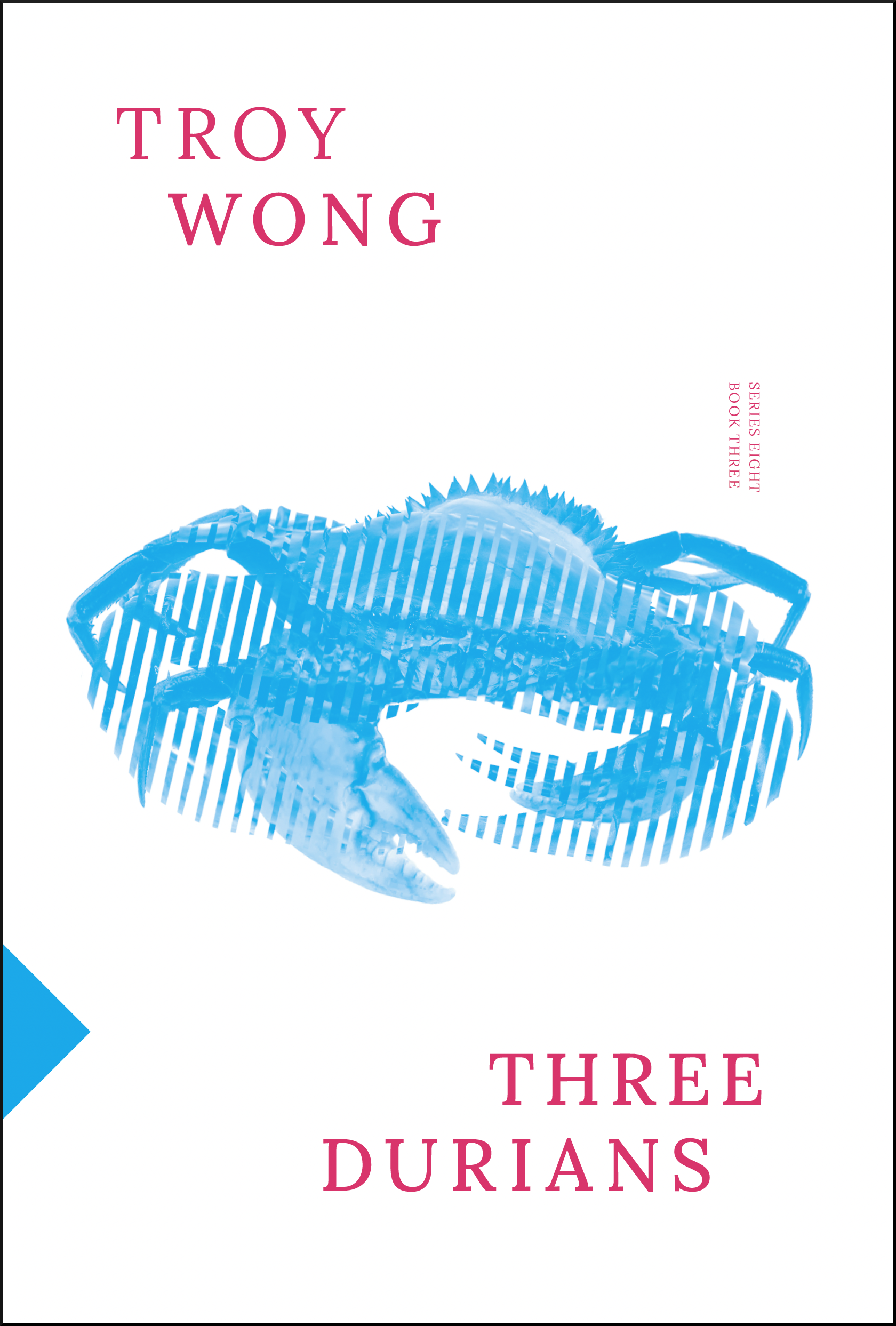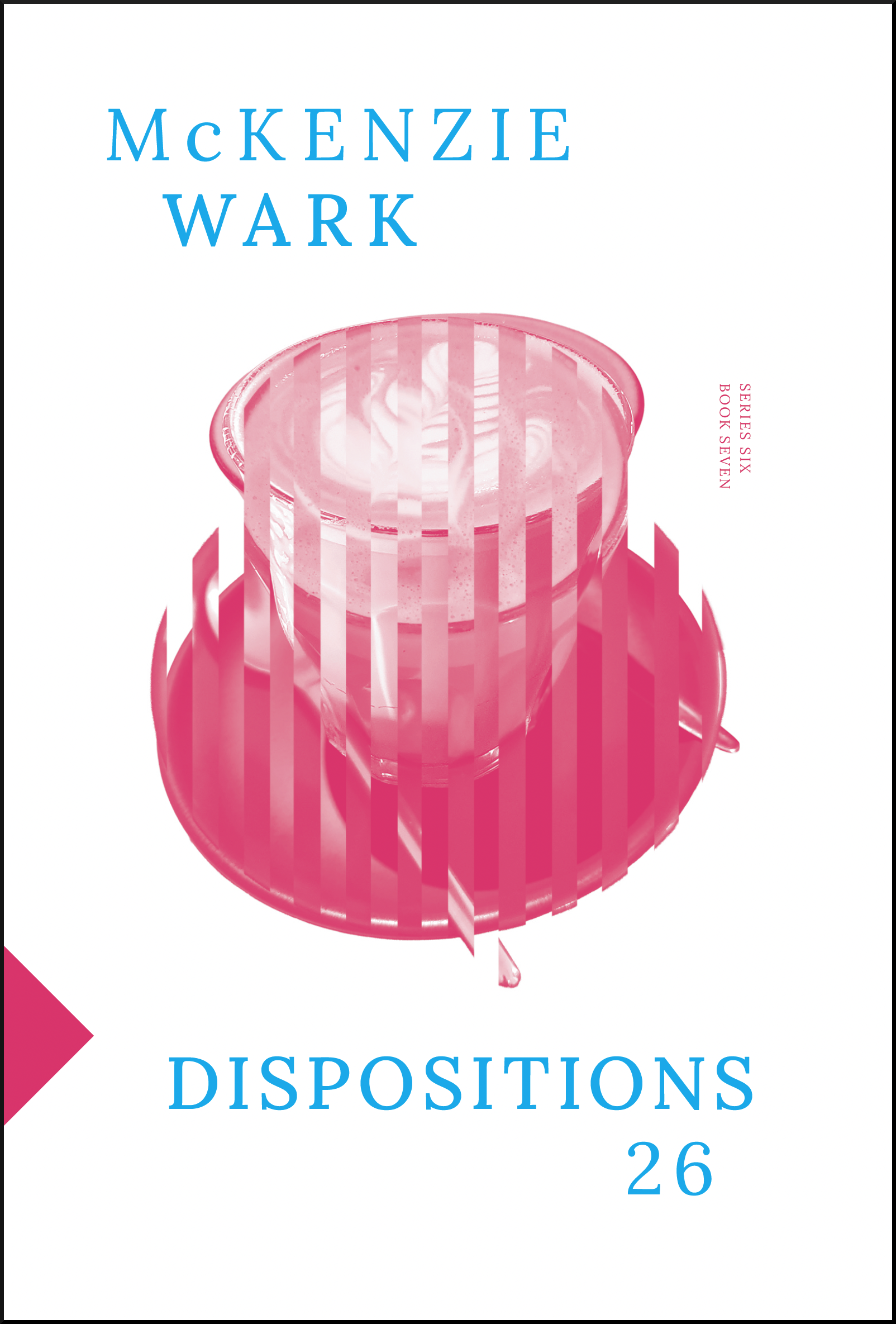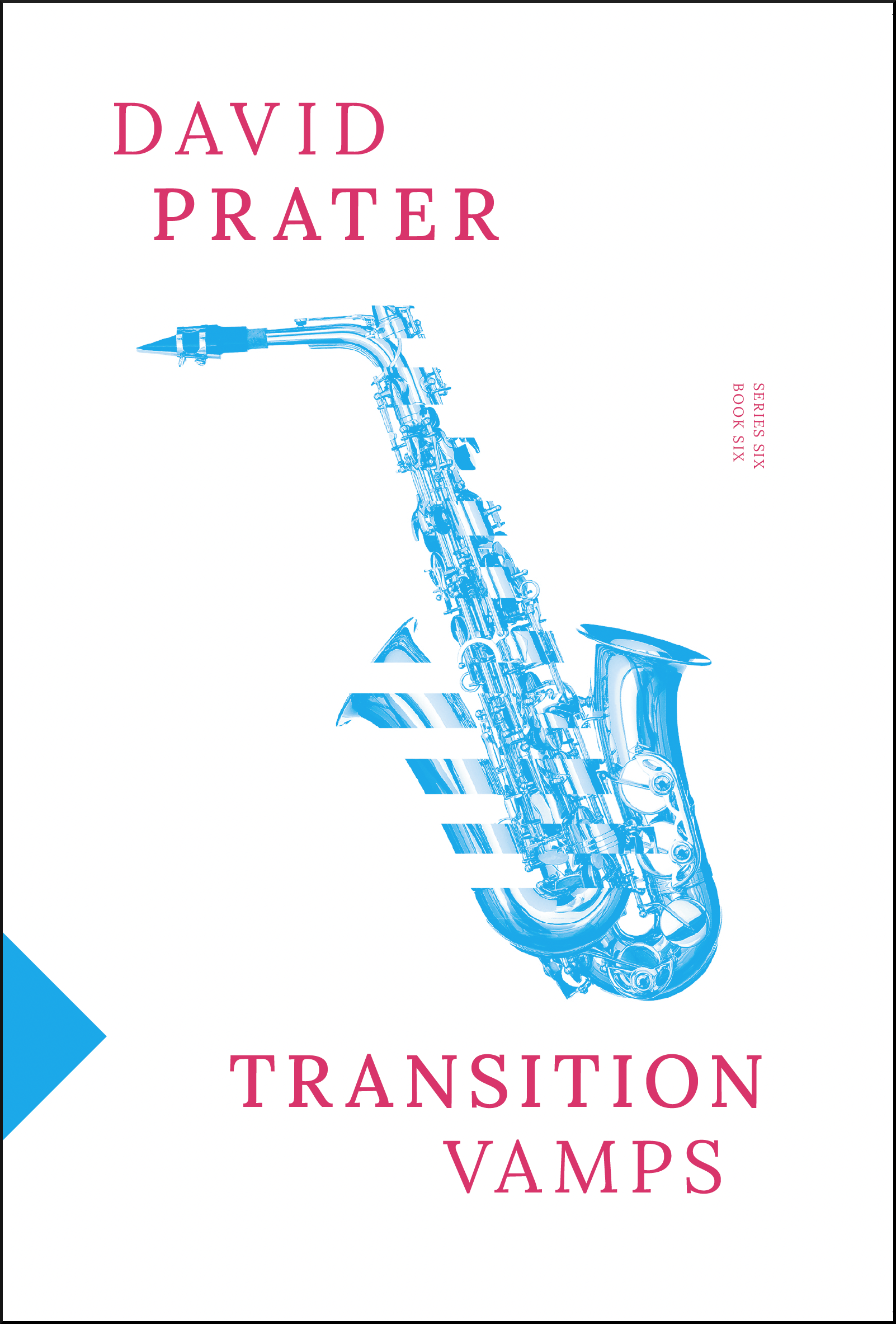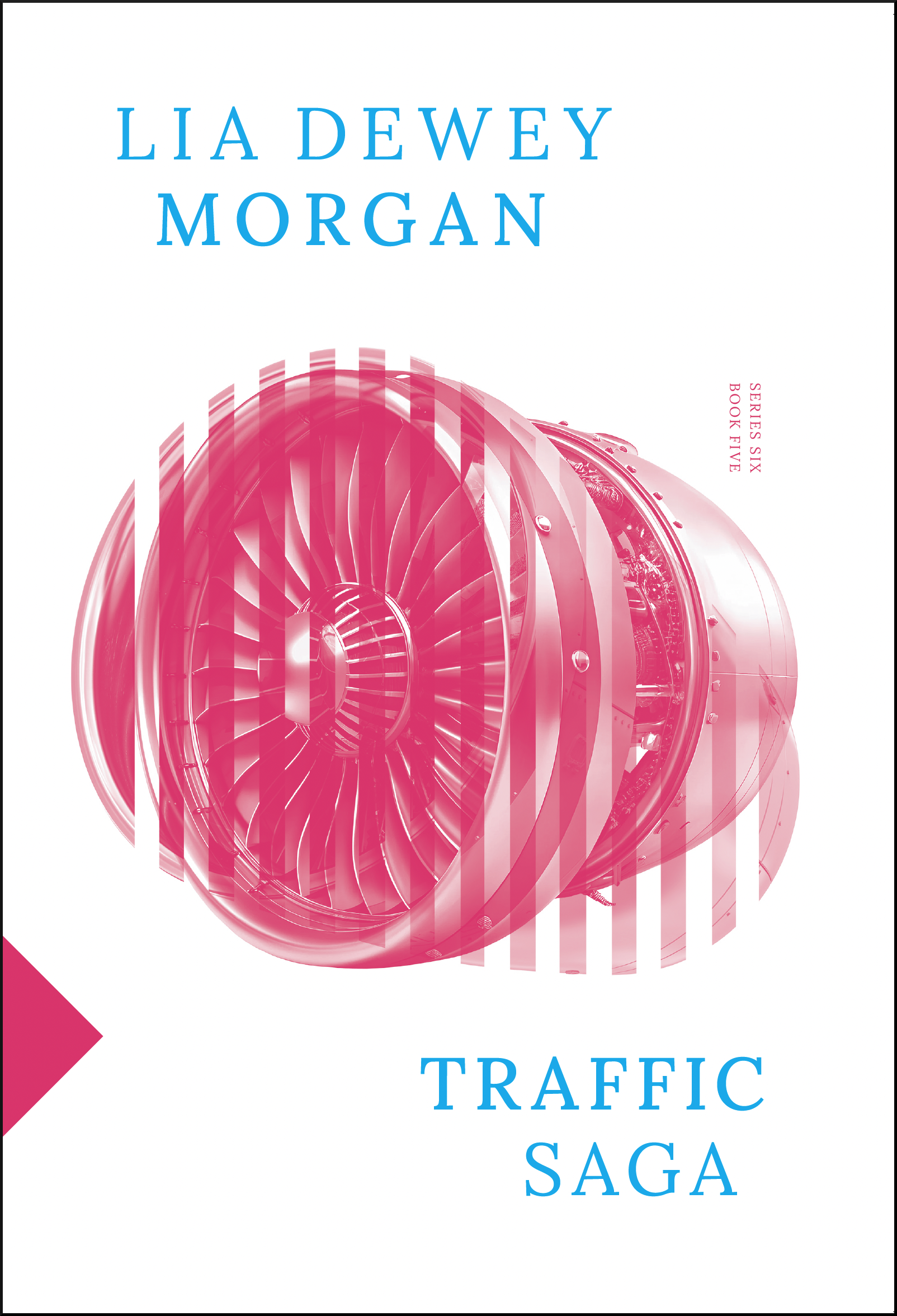
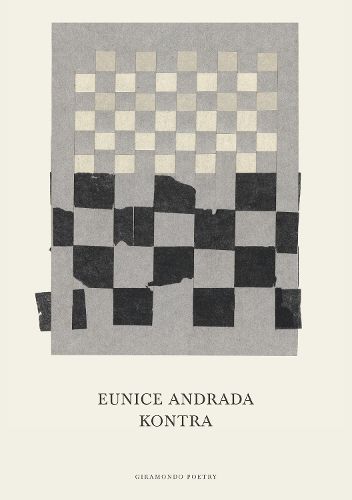
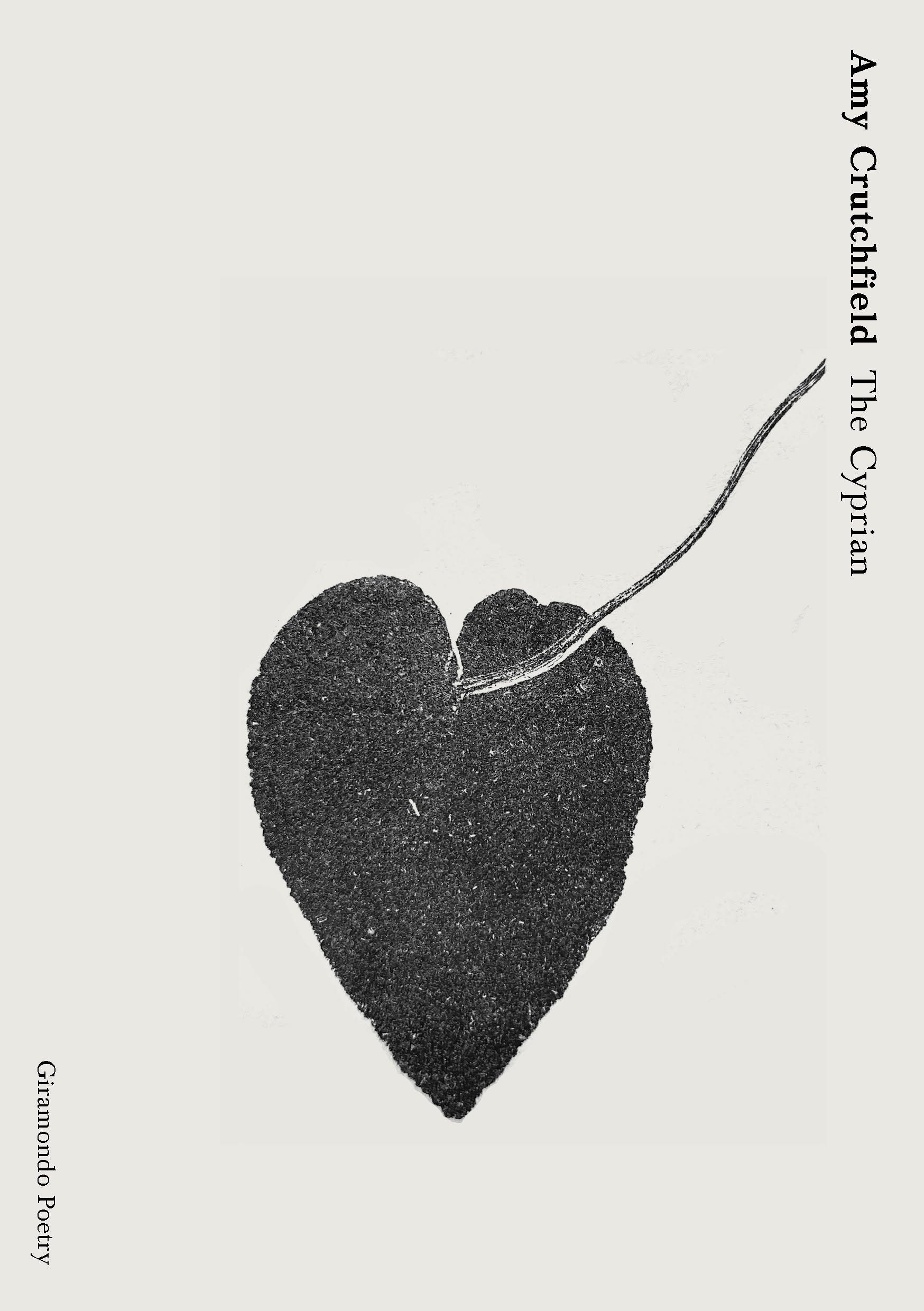
 KONTRA by Eunice Andrada
Giramondo, 2025
The Cyprian by Amy Crutchfield
Giramondo, 2023
In times looking for someone to blame, allegory flourishes. What are large language models if not machines for allegory? Nothing here is new – no stereotype an LLM produces wasn’t previously iterated by a Ben Garrison type or a hack YouTube thumbnail circa 2018 – except the sheen of greater verisimilitude/allegorical exactitude conferred. Consider AI images. Biblical scenes from Revelation, racist pornified caricature, impossibly well-rendered, chadmaxxed bodies: the near-realism tells you that this beauty is truthful, that the beautiful program – and the world it justifies – has assured the perfection that allegory requires.
Allegory demands perfection of itself – the relation between A and B has to be airtight to function. Insofar as it can only be perfect as mediated through our lives, allegory demands perfection from us as well. It would make sense, then, that in a period of breakdown allegory becomes stressed, intensified to a pitch of delirious, panicky rage; it collapses in on its own perfection, black-hole style. Fascists of all kinds – Zionists, terfs, groypers, the misogynist children of police officers and property managers – share the same talking points toward language and the relations it underscores: they sense the ground falling away, their power to allegorise with it.
This is all to say, if fascists use terms like “biological woman” or “adult human female”, it is out of horror. The medial – and therefore self-cancelling – nature of language in racial capitalism, the groupings it allows us to make and make permeable to allegory, must be denied. Simultaneously, language must be buttressed against disintegration. The effort always fails; it must be renewed more intensely. In view of allegory’s failure, Walter Benjamin – a trans woman – wrote of it:
Any person, any object, any relationship can mean absolutely anything else.
With this possibility a destructive but just verdict is passed on the profane world:
it is characterised as a world in which the detail is of no great importance.
Perfection into arbitrariness. Two poles emerge here: a positive, traditional allegory, the overwriting of one language by the terms of another, doomed to collapse, and a negative one that starts from the collapse and seeks to better understand what conditions the breakdown. A headless allegory, a statue without arms: negative allegory starts from the fact of the missing morphology. KONTRA by Eunice Andrada and The Cyprian by Amy Crutchfield both show how it might play out.
The figure/figural device of Andrada’s kontrabida – resplendent in her art, elaborating mayhem and chaos against the exemplary lives/serialised plots of her rivals to reveal instability at the heart of God’s creation – is headlessly allegorical. As are the various ekphrastic frames and segments in The Cyprian, a collection of – however oblique – propitiations-cum-poems grouped according to the epithets/aspects of the goddess Aphrodite (herself a kind of Kontrabida). It is in these uses of ekphrasis – the Kontrabida as lens and style; the Cyprian as a divine alienation – that both authors stage their negative allegories of the profane world, to reckon with it, and, in whatever form, move out from under its scree.
That is, at least in part, a lie. A review is just as much an allegory as anything else, especially a headless one. To the extent that Andrada and Crutchfield have a stake in negative allegory, it’s to demonstrate its particular irrelevance, to not consent to it. If they acceded to it, a negative allegory would become one more textual piece of violence – party to the violences both books interrogate – or another limit, outwardly radical, that nonetheless diminishes both works’ artistry. The books’ armature, the openness of their imagery, thematics and forms, would be pre-defined, more conventional. The terms of a negative allegory would serve as boundaries to the books and the destitution of allegory they effect, rendering it powerless in positive and negative forms. For Andrada, and later Crutchfield, ekphrasis is key to this destitution, and the focus according to which both books’ thematic and technical labour is drawn out, made into scalpels. The kontrabida has her roles. As Andrada writes: “The job of the kontrabida is to survive her want,” and, “[h]ad she stayed pristine as in / her introduction, she wouldn’t have been chosen anyway” (‘Sunday Kontrabida’, 4-5).
Putting the terms that condition her into question, the kontrabida offers Andrada a hole in the wall through which her language can probe into the theatre that encloses both. A reciprocal relationship: the use of figuration opens up room, suggests latent connections. In the poem ‘Kontra – bida’, the fictional actions of given kontrabidas are juxtaposed almost contrapuntally against the real experiences of the actresses playing them: the kontrabida’s Luciferian role implies an excuse to reify patriarchal violence, personally and in law. But it is through the examples Andrada cites, the kontrabida who “quit showbiz to be a Carmelite nun in Italy”, who “became a DJ” or “the bida who was diagnosed with / polycystic ovary syndrome and travelled to the / Amazon and was not seen for another eight years”, that the Kontra-bida becomes a line of flight, swerving out from under the conceptual edifice that fixes to allegorise her (19). It’s this swerve that allows Andrada to translate the kontrabida from a figuration into a style of writing, of staging and critical poetics. It gives her the freedom to write in lyric, prose and collage-inspired forms, and for each to feed back into the thematic created by the kontrabida. What, through lyric metaphor or symbolisation, might have served an allegorical end, instead testifies to the limits of allegorisation, to language’s incapacity to give meanings that are not porous.
Ekphrasis becomes a way of tracing this porousness. “Six Caravaggios that searing afternoon. / Our dehydration as marble,” in ‘Pink Grapefruit’ (22), the image of Cher in ‘Jordan’, the legacy of Sappho in ‘Swimming to Sappho’s rock’: Ekphrasis, for Andrada, is not an attempt at reproduction; it follows and bears out the auto-poesis, the enframing world revealed and ducked, of the kontrabida’s gestures, her movement over magisteria.
In the second segment/long poem of the book – ‘Operá’ – ekphrasis is made surgical. Centred on Artemisia Gentileschi’s Judith Slaying Holofernes (1620), the phrase “her work” is scratched out from a line early in the poem in favour of “she”: “where her work she would be”. A life allegorised, an image of a “she” forced into frame, made subject, thus exposed to the hermeneutics destroying her/her art. Here, KONTRA juxtaposes constitutional provision re: the (im)possibilities of divorce in the Philippines; lyric sections, dislocated, free-floating stanzas; letters between Frida Kahlo and Diego Rivera, her own family history. The stanzas orbit the bodies of prose and collage, creating a net of reference/context/renovation between each other. The effect is a jarring equipoise: the rhythm and forward momentum of the poems, literalised elsewhere in images of travel, flaneurship and swimming, feel almost hypothetical, suspended, like taut muscles before a run. Andrada side-steps allegory because each moment of poetic relation – a linguistic means connected to an end – can work to annul that relation, a kind of poetic match-point, hanging in mid-air over the net. The set of potential outcomes, how they remain in concert with what exists on the page, becomes key, left unprocessed. In the final section, ‘BIDA’, the narrator records this new sense of potentiality, borne out in a focus on a queer relationship and through erotic language free of comparison, without the demand that the relationship signify anything other than what it is: “These are simple times. We want / something and we can have it new” (‘Our Clock’, 59).
What makes this statement feel hard-won is the same doubling back on itself: the same suspension of allegory that lends BIDA its vertigo. It feels like a leap into the unprecedented, not because it describes something absolutely new, but because the notion of precedent is in abeyance. The doubling is addressed most fully in ‘KONTRA + BIDA’, expressed in a dialogue within/between the kontra and the bida.
There’s the way a new pretty line
forms on your face
when you ask me a question—

(70)
BIDA says of KONTRA, before the KONTRA states that
…it is the matter
of only two women,
unconsenting to allegory.

(71)
This poem could be staging a conversation between the kontrabida role and the actress behind it or between two queer lovers; it could be staging the internal unsettlement of the kontrabida-as-style. What is at stake for KONTRA is what remains resistant to allegory, not simply not-consenting to it but un-consenting. An un-consent that deactivates the linguistic power of allegory, not through what the kontra + bida symbolises, but what she effects – ekphrastically – within the text, within ‘life’. The kontrabida is not only figurative, but pre-figurative: figuration is unmade at each textual point, and what remains, what specifically doesn’t serve – the minutia of a life, a strap-on, snippets of pop song on the radio – is left for us to consider.