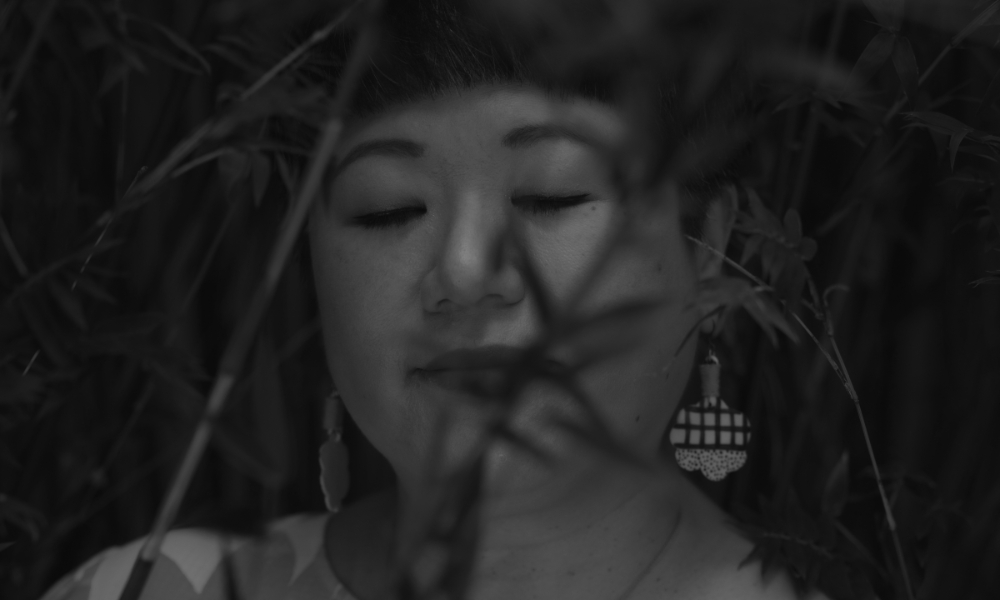
Image by: Travis De Vries
I have never been very interested in writing about poetry. I much prefer to read poetry, think about poetry and write poetry itself. In the few months that I have been guest-editing this issue of Cordite, I have done a lot of reading of poems and thinking about poetry in many fresh ways. Engaging with these new poems over the many weeks has felt like sustaining a long, meandering conversation with a roomful of strangers whose minds and hearts were open to me for a little while through their words on the page. All your poems have become like friends to me over this time, and it has not been easy to narrow down my selection of 88 poems for this issue. Of course, all selections reflect an editor’s own sensibilities, preferences and bias. Unlike judging a poetry competition, however, I am a little less invested in the notion of perfection or assuming a position of neutrality (both of which don’t exist, at any rate), and more interested in how enraptured I was by a poet’s interpretation of the theme of dialogue.
I know from experience as both a reader and writer that I am often less drawn to poems that arise solely from ideas or concepts, and tend to lean more towards poems that come from a sound, a memory, a dream and/or an emotional response. I also enjoy poems that engage deeply with language and form, that explore the possibilities of what a poem can be or can hold. Overall, what I looked for in my selections was a kind of clarity, an almost electric current akin to Emily Dickinson’s description of the physical feeling of true poetry. It was almost like tuning a radio: now and again I would, above the static, hear a human voice, a strain of music, or a pause between meaning that would somehow travel through my ear and course through my mind and my body. You’ll find that some of these poems seem like a beginning of a conversation—one that I hope you will continue in your minds and hearts.
The poems in this issue are in deep dialogue with the world around and within us, and through the process of selection and publication here on Cordite, also with one another. There are poems that respond to artwork, to other poems and poets, to historical and current events, to scenarios imagined and recreated, to alternate pasts and possible futures. There are poems that have engaged with established poetic forms and poems that have appropriated the forms of dictionary entries, bureaucratic paperwork, historical documents, letters and dream diaries. There are poems that are records of collaborations, poems that present counterpoints and/or resistance to established/outdated narratives, and poems that are secrets. All these poems show us a wide spectrum of what it means to be human across time, place, languages, borders and cultures. There are quiet poems and there are poems that demand to be heard. Sometimes these are the same poems. All these poems are necessary in their own ways. All these poems deserve to be read and re-read, recited and remembered.
I am very grateful that so many of you engaged with this call-out and sent me your poems. I especially wish to thank the poets who I reached out to directly for poems: I have loved your poetry for a very long time and it is a dream to be able to be one of the first readers of these new poems, and to include your exquisite work in this issue. It has been my great honour and privilege to be able to read all the poems submitted and to publish a select few. Thank you also to Cordite and to the editor Alex Creece for inviting me to guest edit this issue—I have long wanted to undertake this task. I hope the poems in this issue can be read, heard and felt (despite being composed by many across multiple units of time) as one great multilayered, interwoven symphony of words. I hope some of these poems will become familiar, loyal companions to you in your onward journey in life. We are not alone in the great mystery, joys and struggles of being human. As long as we exist, we will always have poetry.
Yours in poetry and solidarity,
Eileen Chong