
BOOK REVIEWS
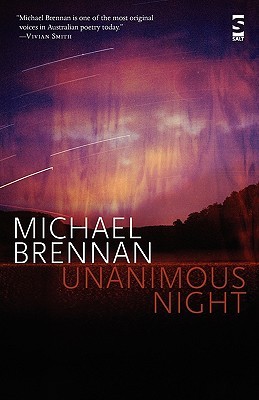
Toby Davidson Reviews Michael Brennan and Barry Hill
Unanimous Night and Four Lines East are very different collections physically, the latter being a limited edition chapbook of thirty-five pages, but they both revolve around a central theme of the Australian poet out in the world, away from home, discovering new dwellings for body and mind in the process.
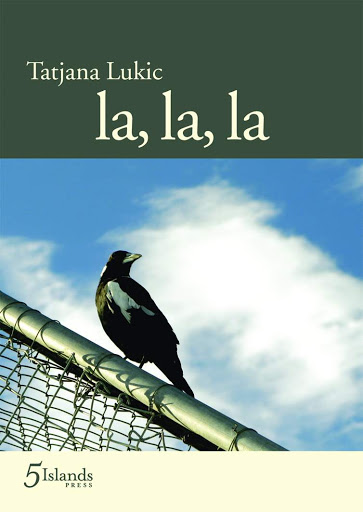
Ali Alizadeh Reviews Tatjana Lukic
With the success of novels and short story collections such as The Slap and The Boat, it seems multicultural writing is enjoying something of a revival in Australia. Yet poetry written by non-Anglo-Celtic Australians does not usually garner much recognition. It is the prose narratives of dislocation and cultural transition, and not poetry dealing with these themes, which are de rigueur.
Toby Davidson Reviews The John Moran Corperation
Since renowned works such as Kenneth Slessor's ‘The Night-Ride' and Judith Wright's ‘The Trains,' trains have been natural subjects and carriers of Australian poetry. TrainRide by John Moran and his small posse of musicians is very much off the train, stuck in the kind of gritty, gothic country town that transfixed Wright in her debut The Moving Image.
Nick Terrell Reviews Kim Cheng Boey
In 1997, Kim Cheng Boey's feelings of alienation from his homeland had reached critical mass. After years of watching the Singapore of his childhood succumb to ‘the cycle of tear and build that is the philosophy of progress,' he emigrated to Australia. Boey has had four collections of poetry published and won numerous awards. His early collections, Somewhere Bound (1989) and Another Place (1992), earned him high esteem in his homeland.
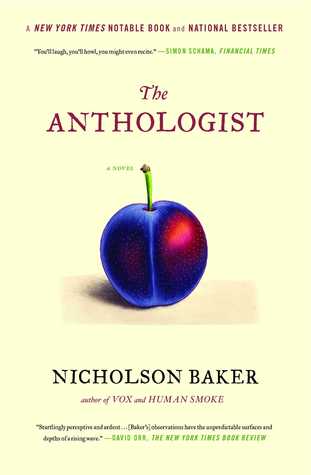
Ryan Scott Reviews Nicholson Baker
Paul Chowder, poet and narrator of Nicholson Baker's novel The Anthologist, is trying to write an introduction to his forthcoming anthology of poetry Only Rhyme. Unfortunately, he is unable to say exactly why rhyme is important, and so like anyone with a seemingly impossible task, he procrastinates.
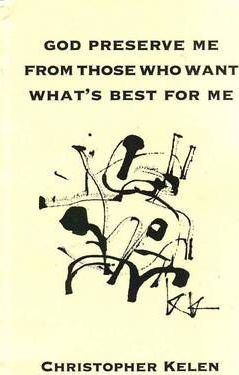
Helen O’Brien Reviews Christopher Kelen
The very first word of the title of Christopher Kelen's latest book – taken from a section from within the collection entitled ‘after Dinescu' – poses a question: is Kelen referring to God the omnipotent deity, or god as an exclamation or damnation? The title is probably written with those thoughts in equal measure as we discover oblique references to Christianity and also to the Roman novel, The Golden Ass.
Ali Alizadeh Reviews Jen Hadfield
Jen Hadfield's winning the 2008 T. S. Eliot Prize for this collection seems truly sensational. Since the UK's most prestigious poetry prize is usually given to older male poets, the 30 year-old woman poet's success could be seen as a radical event. Furthermore, the ecologically conscious discourse of Nigh-No-Place can also be seen as a new, exciting development in the context of mainstream English poetry.
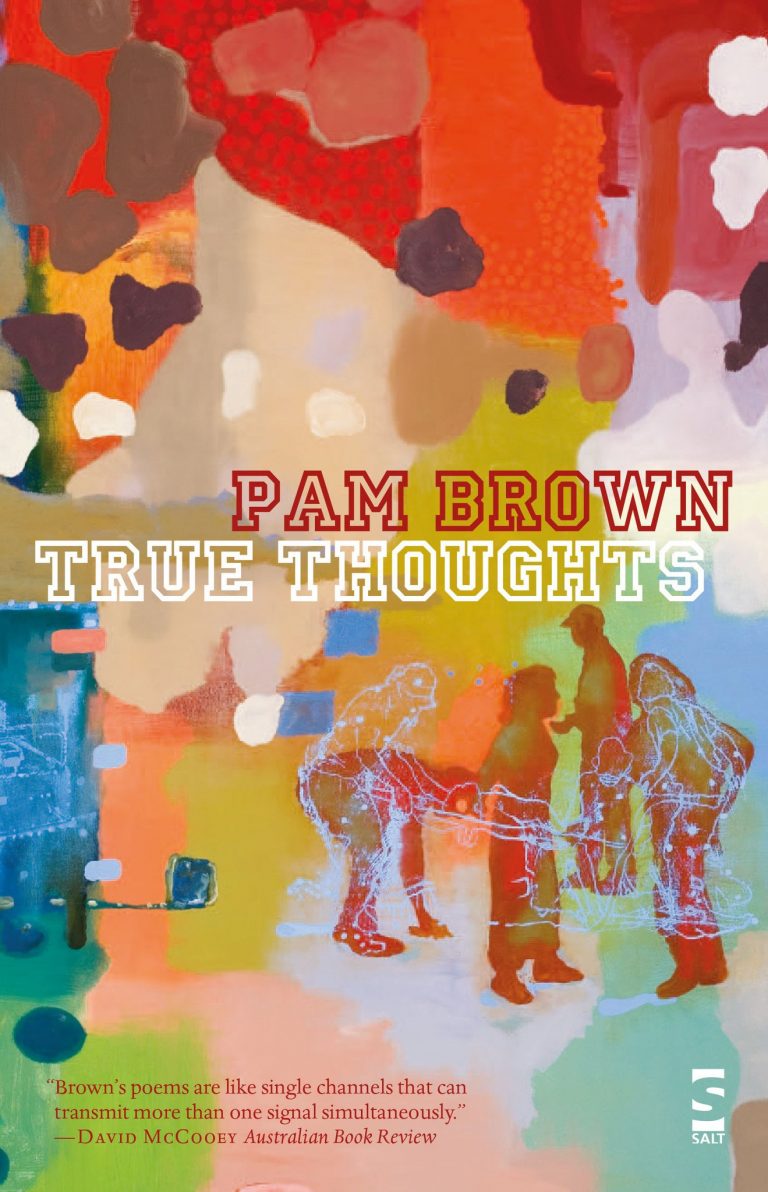
Liam Ferney Reviews Pam Brown and Adam Aitken
Poetry doesn't pay the bills but it does have benefits; claiming your internet and a trip to Melbourne back on tax, for instance. Or the overseas fellowships distributing poets across the globe like water from a sprinkler, as is the case with the authors of the titles under review.
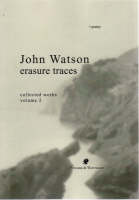
Matthew Hall Reviews John Watson
Erasure Traces is an experimental work, in terms of linguistic innovation, textual depth and in the application of theoretical constructs to the formulation of poetry. I feel that there is a great amount of depth to the work which may be overlooked at a preliminary read and so I undertake this review to underscore the possibilities and potentialities that I see as dominant substrates in Watson's work.
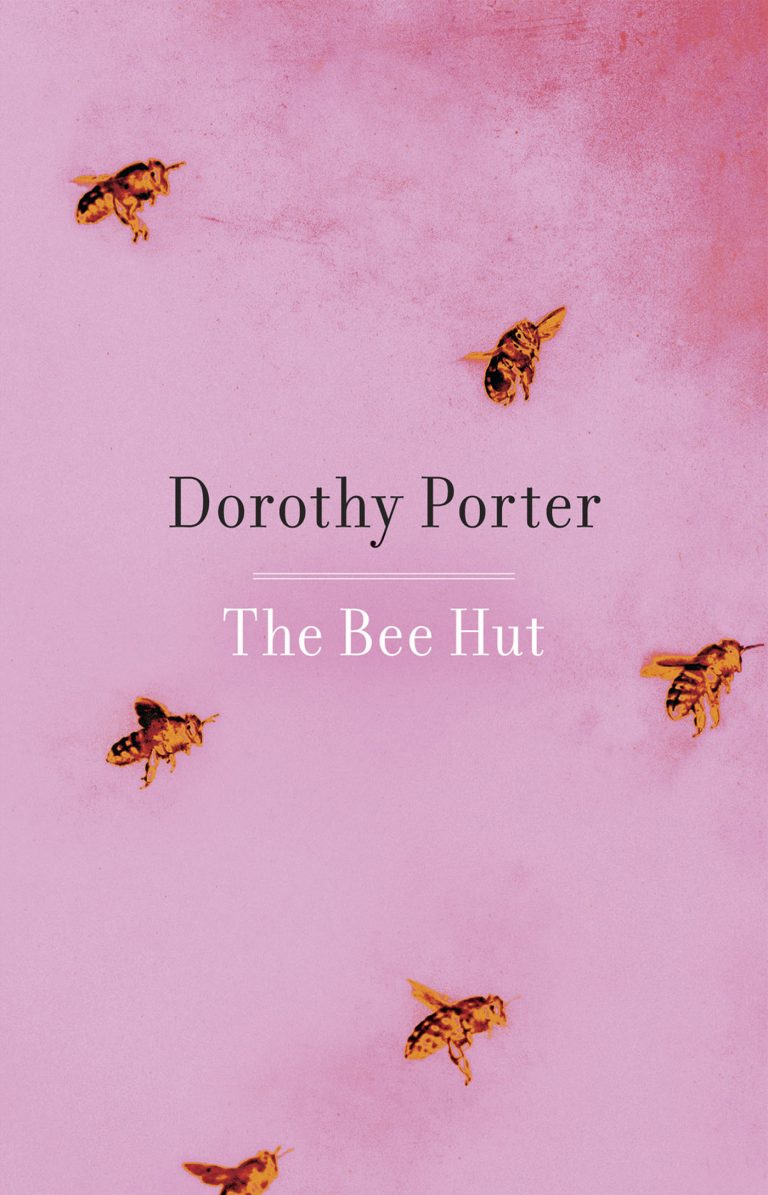
Libby Hart Reviews Dorothy Porter
The Bee Hut is Dorothy Porter's posthumous volume of poetry and her seventh collection to date, although her agent has indicated there are more books to come. Most poems assembled here were written in the last five years of her life and the final poem, ‘View from 417' was written only two weeks before her death from complications associated with breast cancer.
Sam Byfield Reviews the APC New Poets Series
I read the four New Poets chapbooks with a high level of curiosity and expectation. Published by the Australian Poetry Centre, these collections represent the rebirth of the Five Islands Press New Poets Series, which published the first chapbooks of approximately 75 Australian poets until its cessation in 2007.
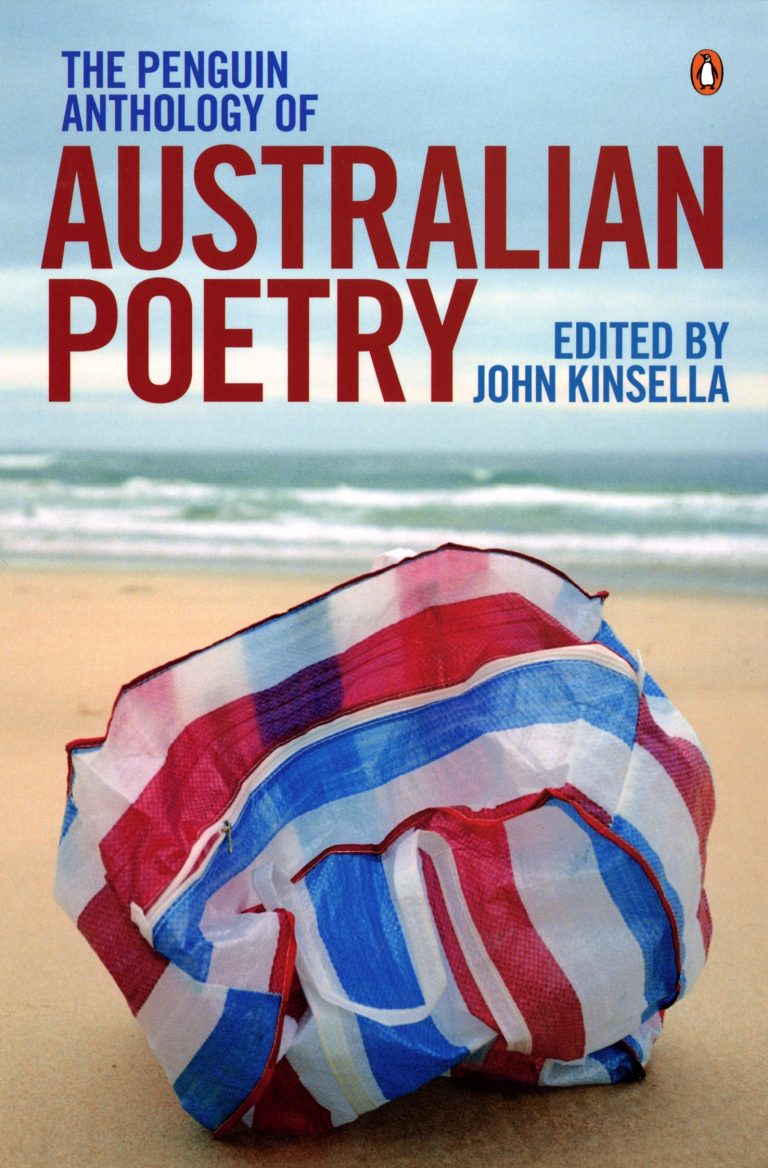
Perri Giovannucci Reviews The Penguin Anthology of Australian Poetry
Since the 1990s, academic discussions about literature have challenged, if not deconstructed, the project of a national canon. These discussions have centered on the notions of representation, inclusion, aesthetics, and importantly, identity. While the debates may at times seem atomising, the effects have invigorated literature, both in how it is conceptualised as a discipline and in how texts are produced.
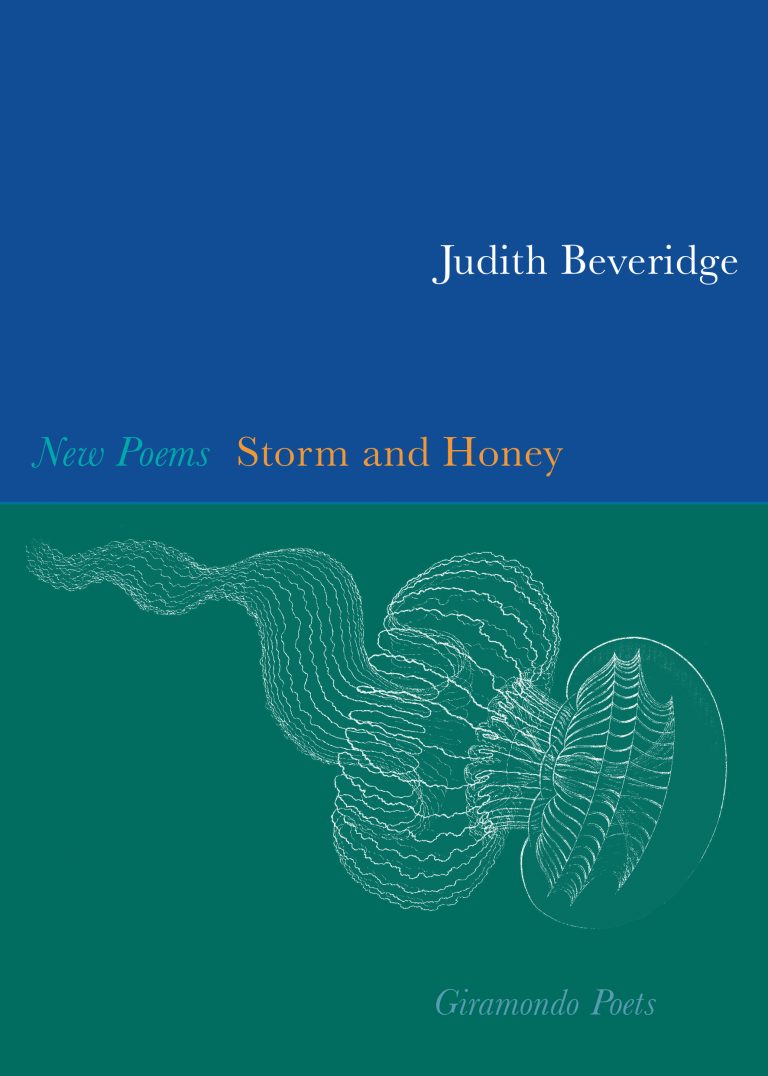
Libby Hart Reviews Judith Beveridge
Throughout Judith Beveridge's career we have seen her take an element from one volume of poetry and expand on it in her next book. Take for example her first collection, The Domesticity of Giraffes (1987) where she wrote of 'Hannibal on the Alps'. This theme was then redeveloped to become 'Hannibal Speaks to his Elephants' in Accidental Grace (1996).
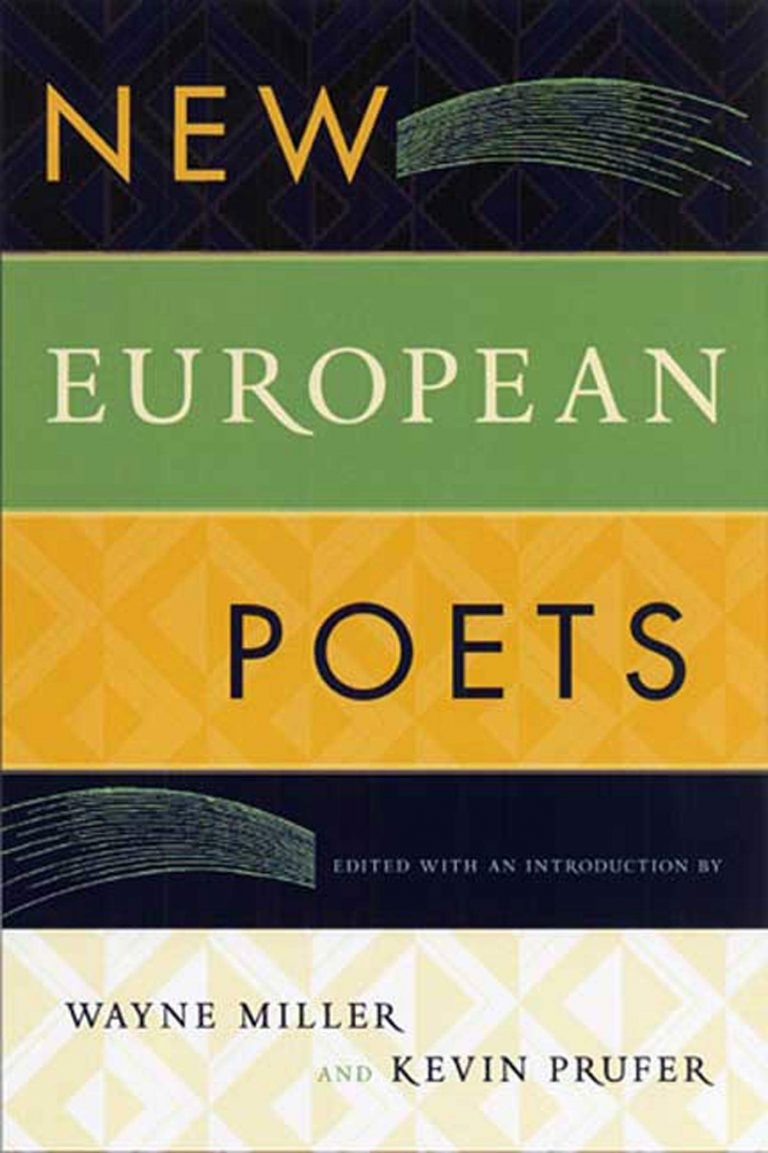
Ryan Scott Reviews New European Poets
The editors of New European Poets have made their intentions quite clear. They aim to reinvigorate the transatlantic conversation between American and European poets. Such an ambitious task is not without compromise. In order to achieve their aim, the editors have had to set some constraints, some they admit are arbitrary.
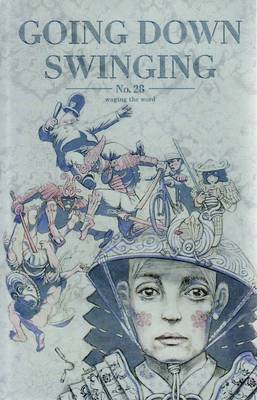
Bridie McCarthy Reviews Going Down Swinging and Indigo
At the level of function, a literary journal produces a collection of writing on a periodical basis. However, a journal is also another kind of machine, an apparatus which generates a readership, presents writers, exercises its own ideological assumptions (however loosely formed or evolving), and which makes claims to a certain cultural space. At this discursive level, Going Down Swinging and Indigo are very different animals.
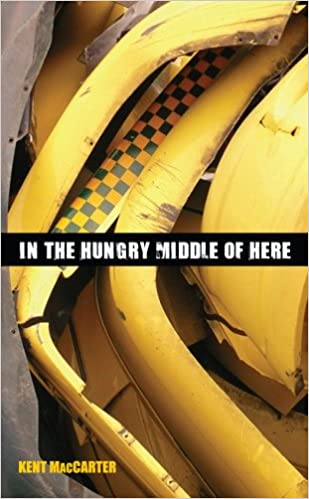
Emmett Stinson Reviews Kent MacCarter
The three sections of Kent MacCarter's excellent debut collection are marked by recipes of an imaginative kind. In 'Fruit Salad with Papaya-Mint Sauce' he instructs the reader to include 'Ounces of fresh goddamn seedless everything', which serves as an apt description of the collection as a whole. MacCarter's poetry is a sort of mulligan stew that seamlessly blends landscape, as Japan, New Zealand, Australia and various locales in the United States coagulate into a coherent vision.
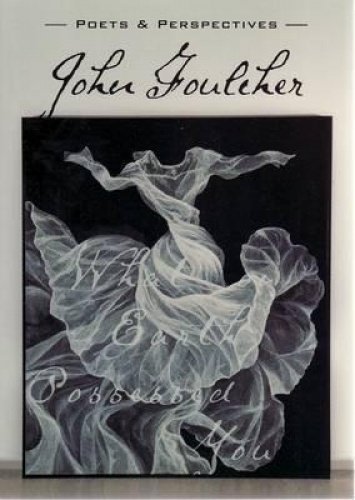
Heather Taylor-Johnson Reviews John Foulcher
I read the first three quarters of John Foulcher's What on Earth Possessed You: Poems 1983-2008 in one sitting, without picking up my pen. So enraptured was I with these twenty-five years worth of collected poems and a handful of new ones that I ignored my call to duty as reviewer in those first fifty-one pages, avoiding even mental notes, because I didn't want to break the seamless stream of one poem to the next.
Matthew Hall Reviews Les Wicks
In Les Wicks' The Ambrosiacs visual and tonal senses, shown through a series of relentless escapes and endscapes, create a striking depiction of the poet's perceptions and observations. The fundamental basis of Wicks' collection, and the manner in which the reader is encouraged to approach them, is as an elegy: a series of memories and dedications aiming for the preservation of the instant, even if the instants are acknowledged as fleeting.
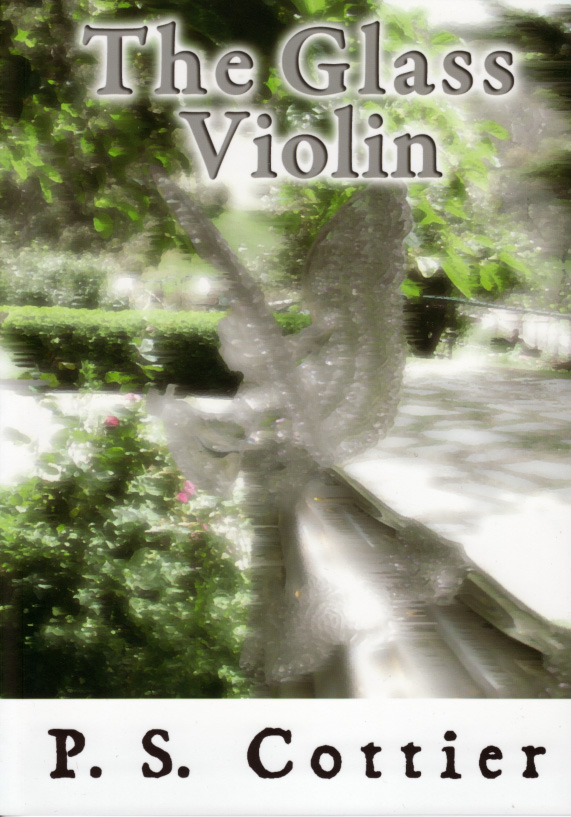
Moya Pacey Reviews P. S. Cottier
This debut collection by Canberra poet, P.S. Cottier, is striking in its eclecticism. Nothing much escapes this poet’s perceptive eye; her world is crowded and busy, and her poems reflect on and respond to a wide range of mostly contemporary topics and ideas. These include, among many others, injustices (big and small), the marginalised and forgotten, environmental concerns, as well as the nag of the everyday such as how to dispose of a tea bag responsibly or how to take care of one’s teeth.
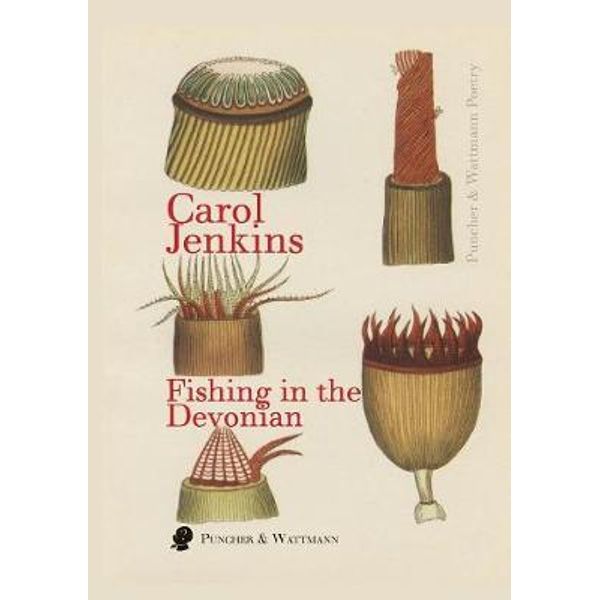
Benjamin Dodds Reviews Carol Jenkins
Carol Jenkins's first collection of poetry, Fishing in the Devonian, has been identified as a body of great 'scientific' poems. Michael Sharkey's quote on the publication's back cover and Judith Beveridge's pick of the best books of 2008 in Australian Book Review both single out Jenkins's work for its strong use of science.
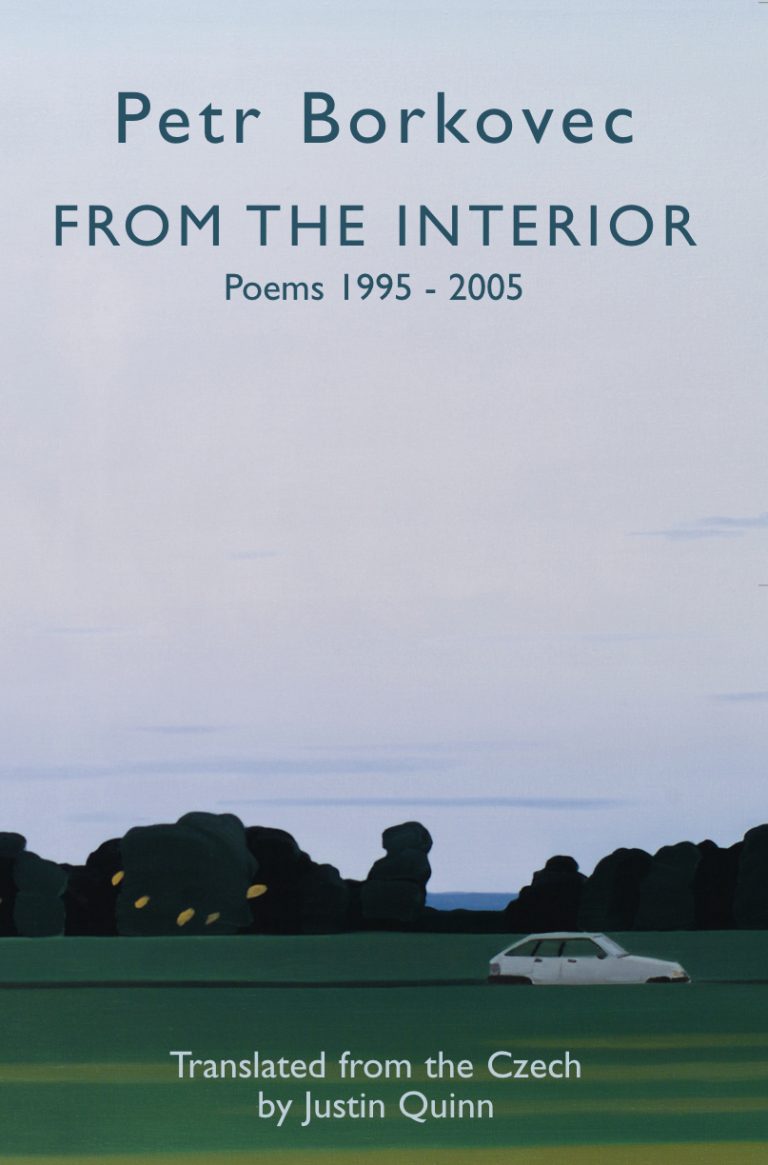
Ryan Scott Reviews Petr Borkovec
Petr Borkovec has been referred to as the leading poet in the next generation of Czech poets. But who are this next generation? How do they relate to the old? And what is Borkovec's place among them? The most general answer to the first two questions, which the translator Justin Quinn addresses in his insightful introduction to From the Interior: Poems 1995-2005, is that Borkovec differentiates himself from earlier poets in that he is not obviously political.
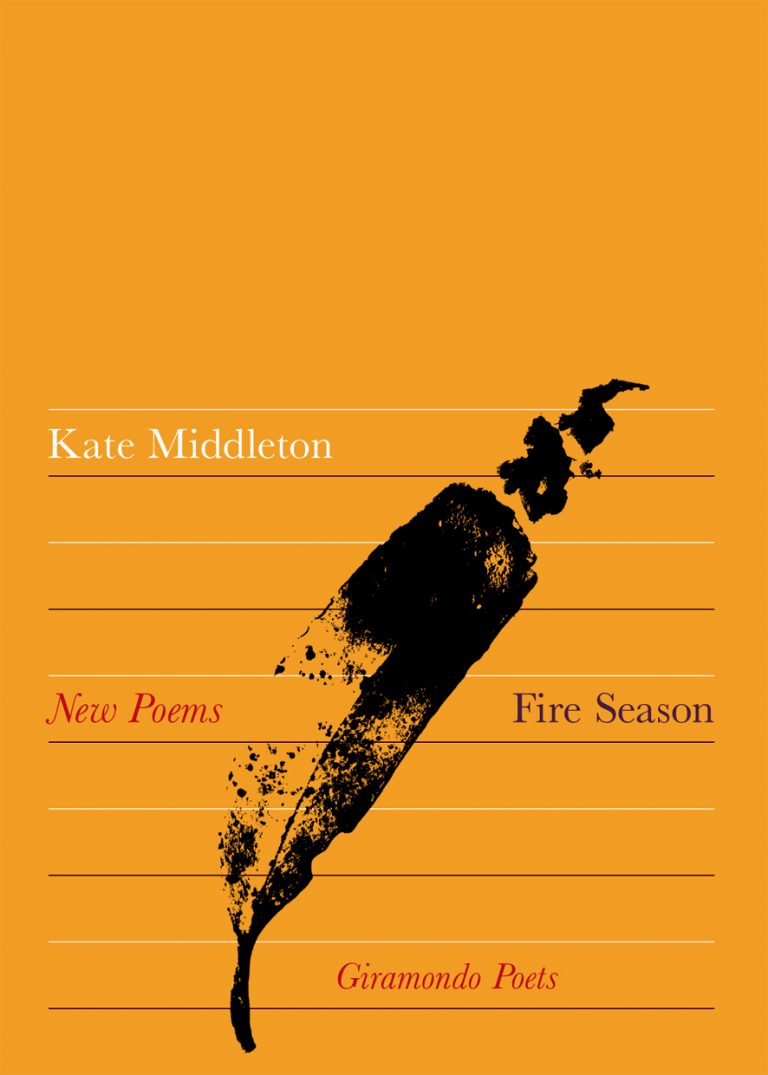
Seamus Barker Reviews Kate Middleton
Fire Season is Kate Middleton's first book of poetry, after numerous publications in journals and newspapers in Australia, England and the US. Middleton has trained as a librettist, and we see a classical influence permeating this book, with narrative voices discovered for literary figures from Penelope, to Leda, Desdemona, and even the Minotaur's previously undiscovered, equally bullish, sister.
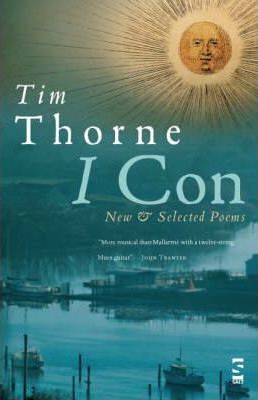
Liam Ferney Reviews Tim Thorne
History is a con. Every second year undergrad haunting a uni bar knows that. Understanding history is not who did what to whom when, it is how the narrative reflects on the teller and the audience. I Con: New and Selected Poems, the justly deserved retrospective of Tasmania poet Tim Thorne published in a beautiful hard cover edition by Salt, works its playful magic in the fluid space between fact and myth.
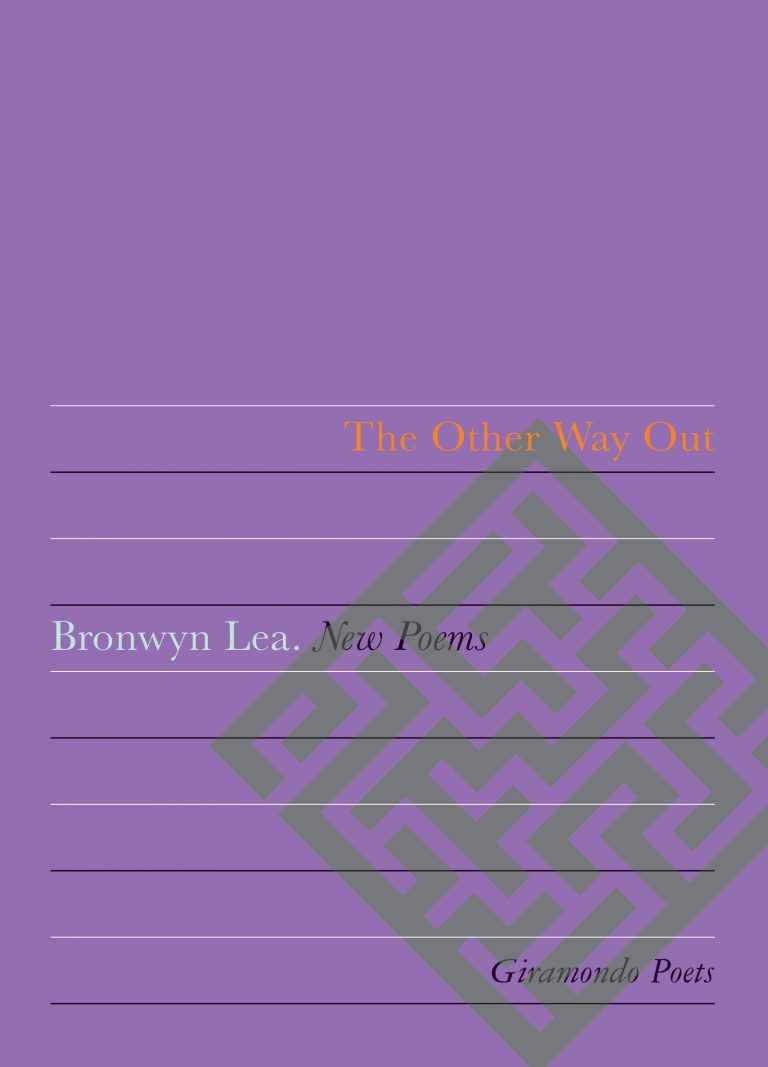
Ali Alizadeh Reviews Bronwyn Lea and Kevin Hart
One of the most prominent features of these two recent titles – by two of Australia's most successful poets, published by one of the country's most exciting literary publishers – is their emphasis on the erotic. By engaging with unambiguously sexual themes and imagery, Bronwyn Lea and Kevin Hart have produced texts that beguile and entertain their reader through the evocation of, or a yearning for, romance and sensuality, whilst also running the risk of reducing allusion and openness in meaning by describing a definite, rather familiar, concept.