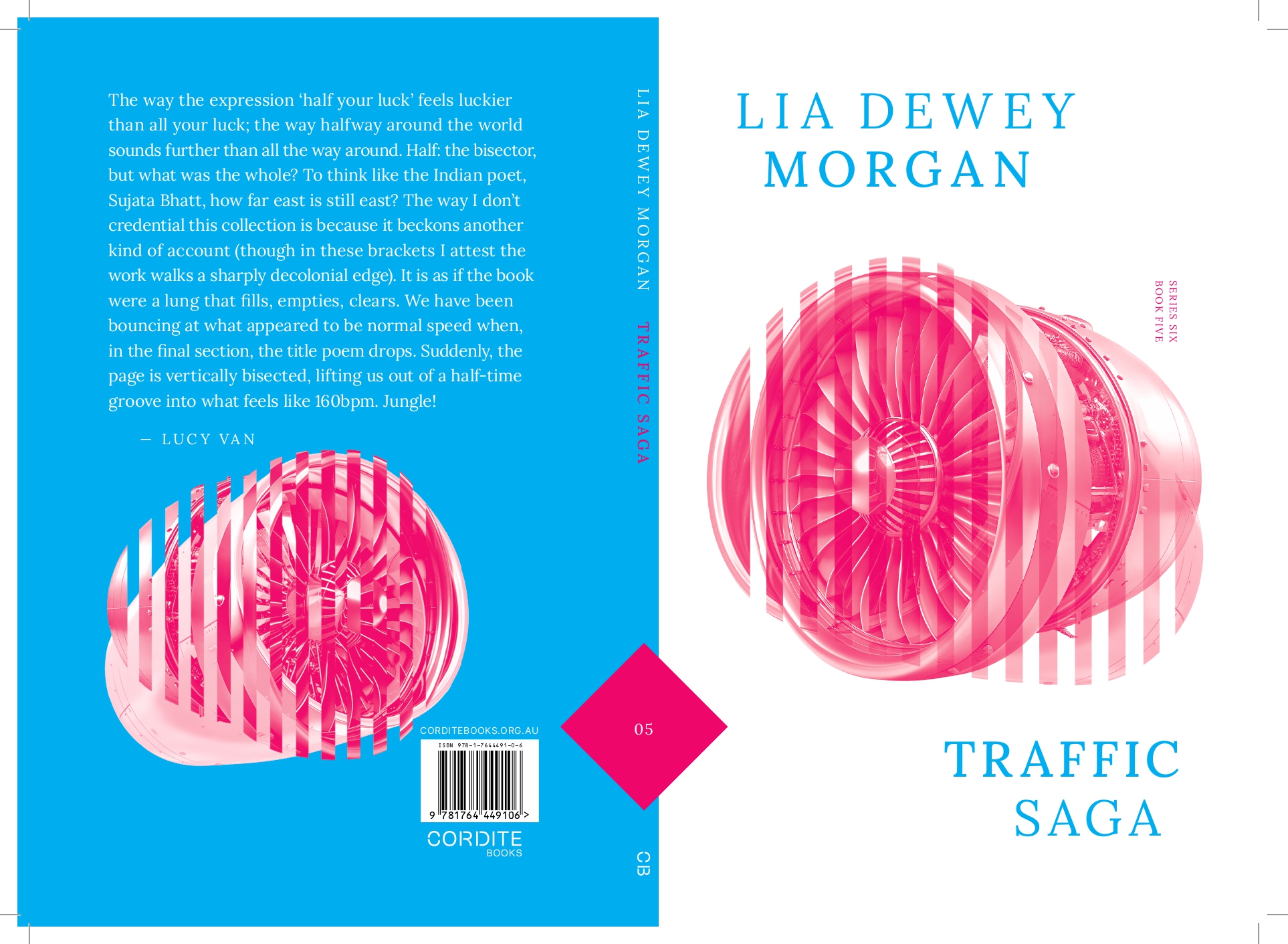
The way the expression ‘half your luck’ feels luckier than all your luck; the way half-light falls more beautifully than full light; the way halfway around the world sounds further than all the way around. Half: the bisector, but what was the whole? To think like the Indian poet Sujata Bhatt, how far east is still east? Where is the halfway point, what threshold of receptivity yields to our se¬cret question: staying or leaving? Do we find it in ‘the informal, unlicensed halfway zone of the parking lot’? Do we find it in the precariously unifying contortions of gods:
You tell me how Shiva contorted
the holy crowd’s judgement by transcending his form
uniting with Parvati, becoming half man, half woman
(‘the day of consecration in Ayodhya’)
Lunge-stepping magnificently over some abyss, we pause and wonder, why does ‘half woman’ appear womanlier; earlier, why does ‘half-written’ sound more authorising than ‘written’, or ‘half-Pakistani’ sound more emphatically Pakistani? Is the answer in the curved hand of Morgan’s fiat comma, carving up the line: ‘We are both the tourist, we are both the guide’, or in the ‘cigarette apostrophes’ that mark the various intermezzos that stage a long coming home? Both. Half your luck.
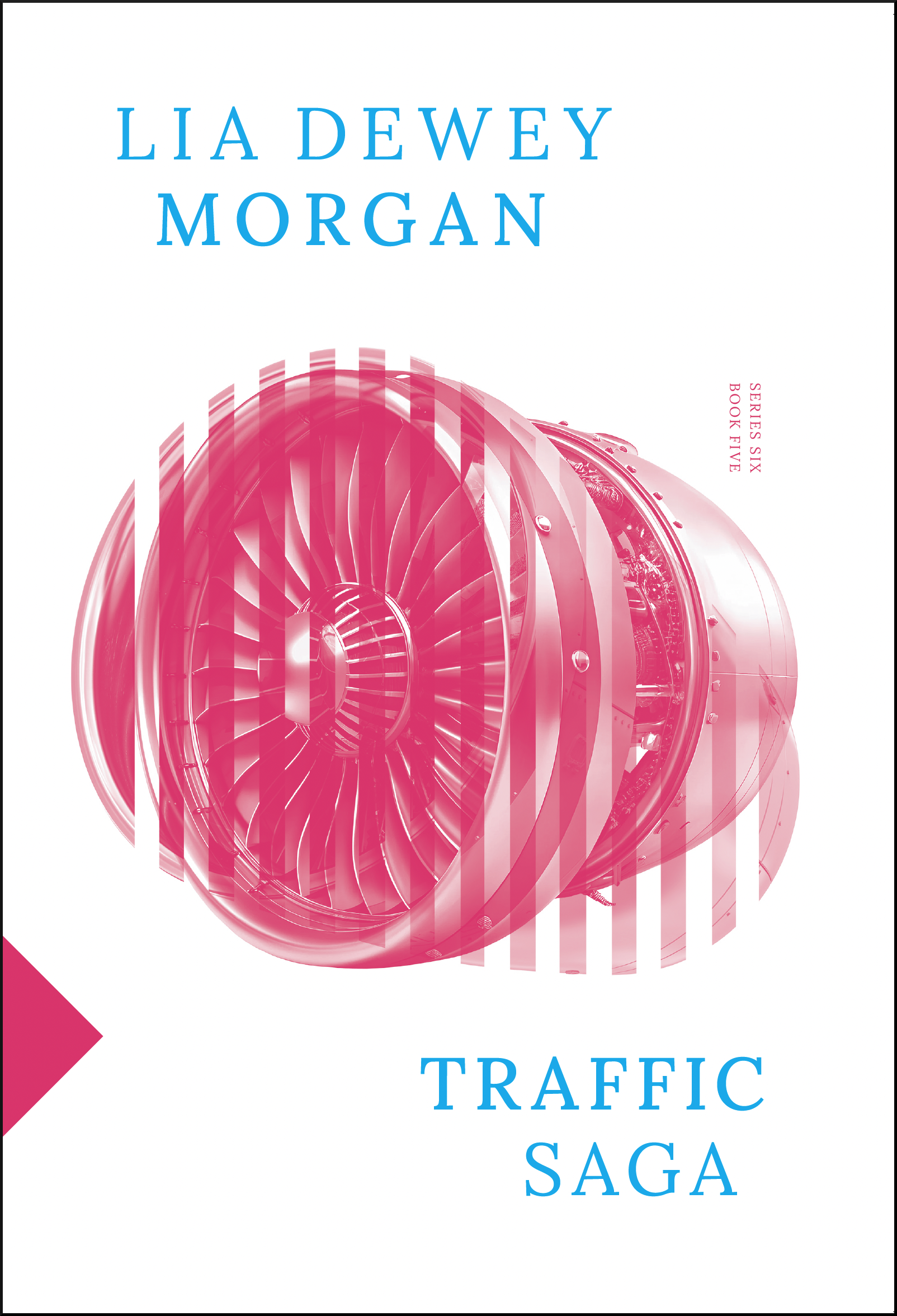
The way we hum a child into the half-sleep of a long-haul flight. The speaker and the mother share a complicitous nod, for ‘I feel it, / start humming too, hmmmmmmmmmmmm / (as long as my breath will allow) hmmmmmmmmmmm’. The jet engine rattles to join them, ‘hmmmmmmmm’, and the cabin of the plane becomes another meditating membrane between inner and outer words – here is another cavernous mouth vibrating, for engines hum, too, joining mothers, poets, shamans and droning bees in a worldwide hum in that halfway zone between speech and song. Traffic hums its ‘saga,’ a song that is porous, yes, and chaotic, yes, but never beyond description:
and I was
politely muttering
I was still
within the mouth
putting words to it
(‘central’)
Putting words to it: saga to traffic, sounding a city out, like William Burroughs did when he looked out his window on 7th Street, ‘a place where the unknown past and the emergent future meet in a vibrating soundless hum’. Energy and instinct of this in the suburbs, too, where the membranes bounce between the ‘shrill call of cicadas’ and ‘Distracted, listening / to American politics / thinking I don’t know’. Knowledge half-knows. Memory passes through smoke. Is it deep? Does it breathe?
The way I don’t credential this collection because it beckons another kind of account (though in these brackets I attest the work walks a sharply decolonial edge). It is as if the book were a lung that fills, empties, clears: ‘The novelty had gone – and that was desirable.’ But what mischief! Novelty abounds! We have been bouncing at what appeared to be normal speed when, in the final section, the title poem drops. Big traffic pushes the dial to 160 bpm: jungle! In the exquisite banality of border crossing! In the half-certainty of itinerary! ‘When I say it like that, it sounds both too much and not enough.’ Still trafficking, the ‘night is collapsing like a vacuum’. The saga ‘yanks back to place’. The traffic is ecstatic.