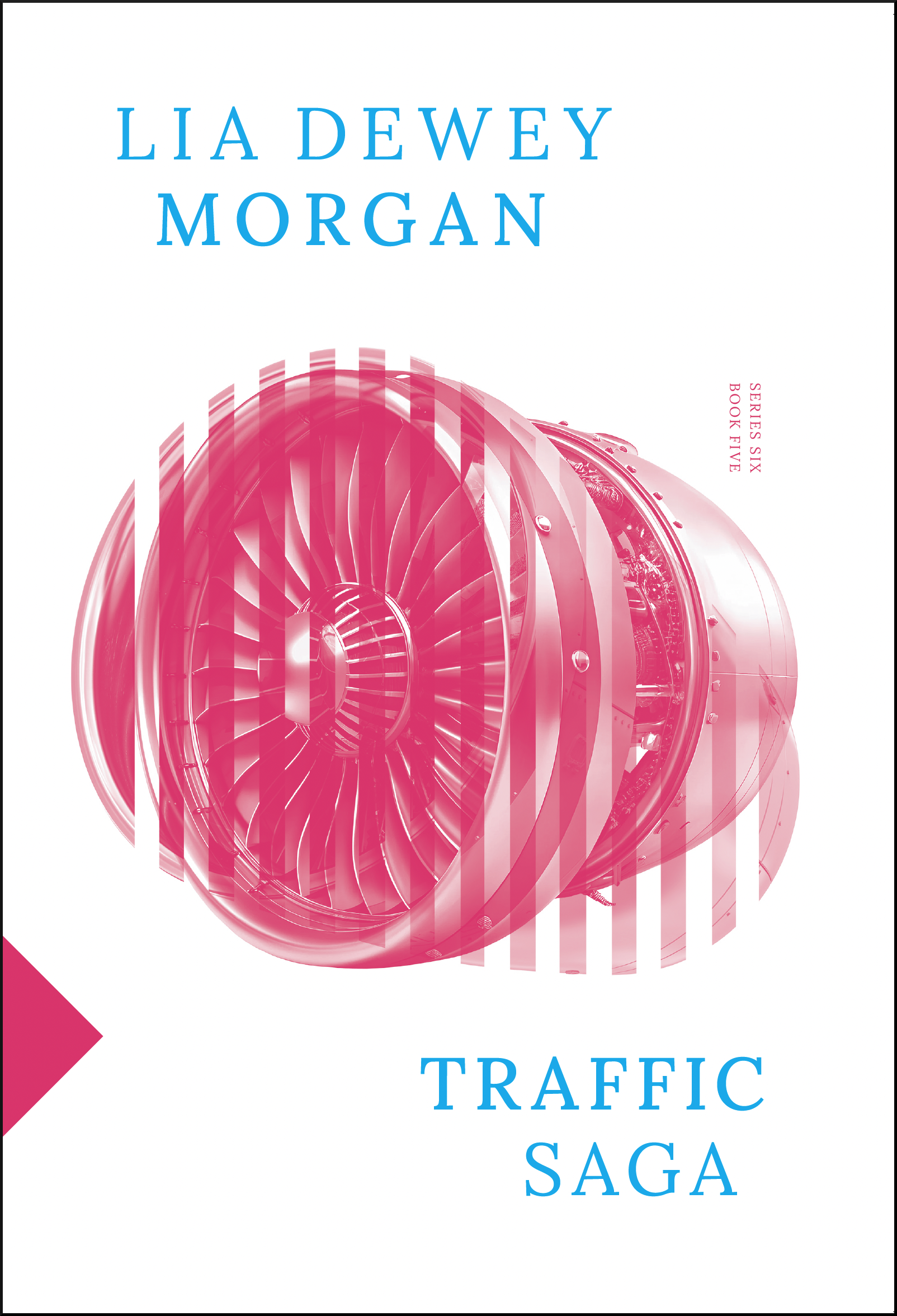
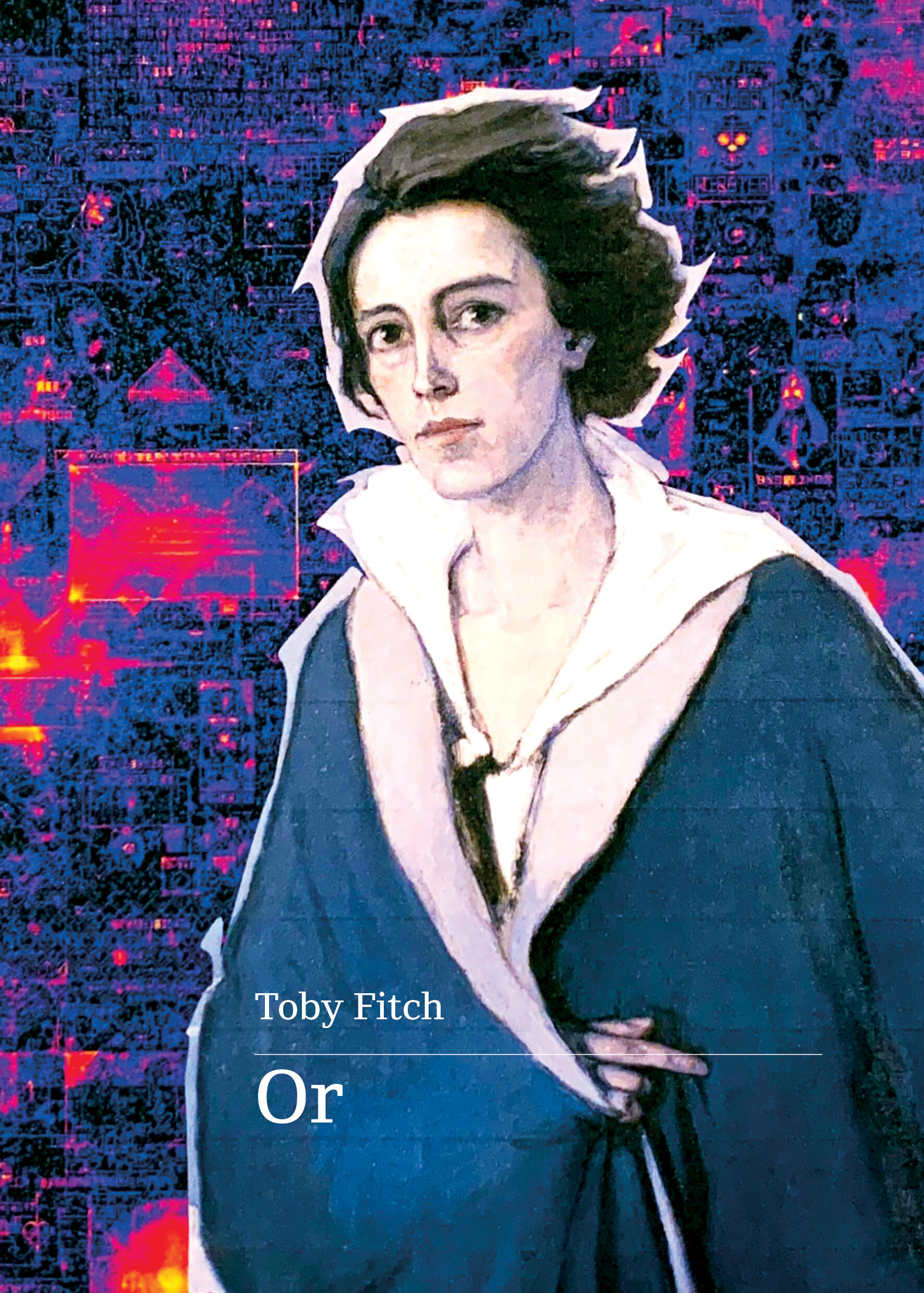
 Or: An Autobiography by Toby Fitch
Upswell, 2026
Note: This review was adapted from a launch speech originally delivered at Readings Carlton, Wurundjeri Country, on 5 June, 2026.
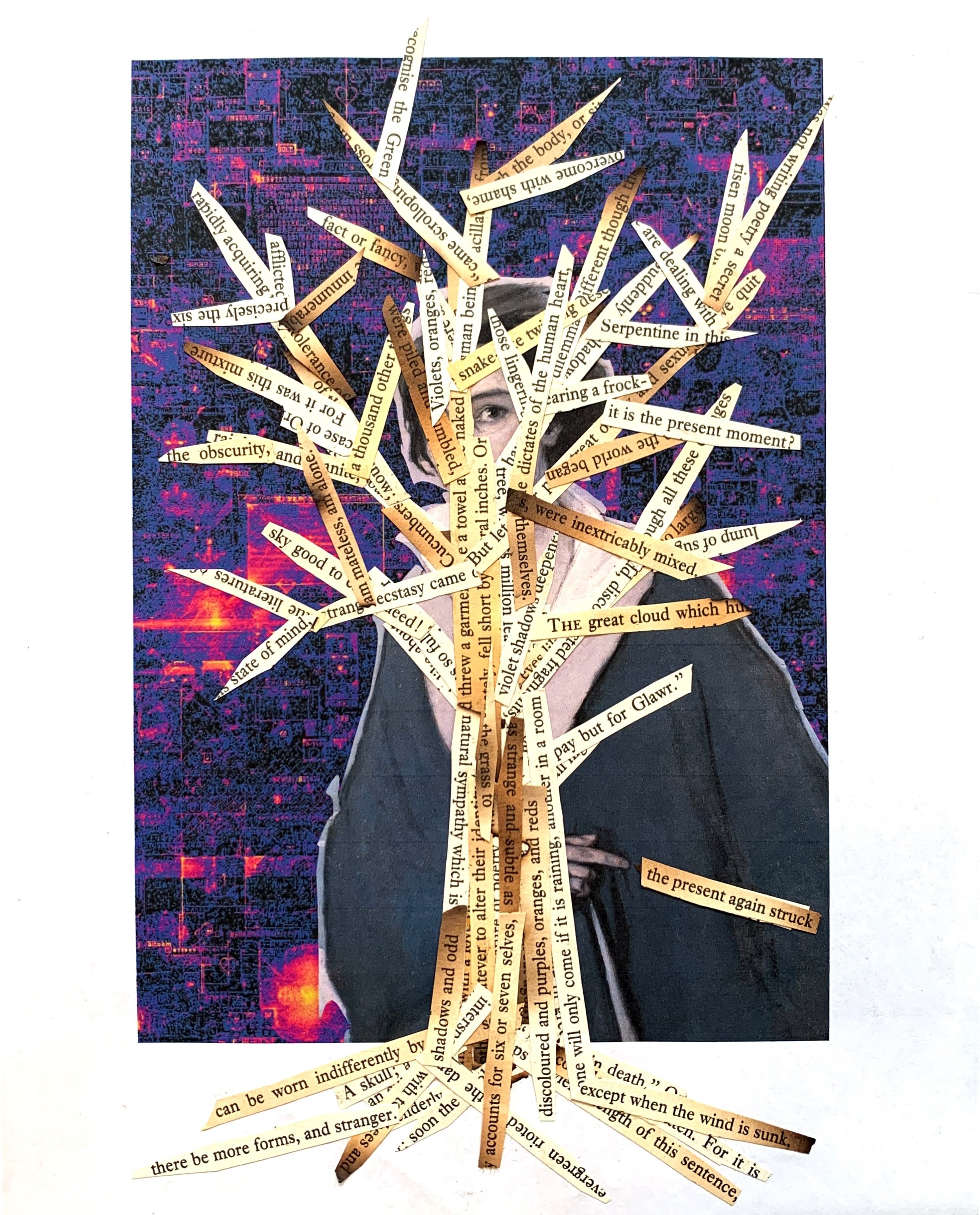
The Or tree, the central totem in Toby Fitch’s Or: An Autobiography, grows understoreys and overstoreys; is fertilised with citational compost; cross-pollinates with Leslie Feinberg, with Judith Butler, with Travis Alabanza, with the wind-blistered/blustered queer body.
The tree blossoms before the reader. It spills appendices into its rhizosphere, grafts its scions with collage and boasts its landscaped ‘toby-ary’.
Like its trees, metaphorical and literal, this book is elemental – relying on fire, earth, air and water. Book-burning is often censorious and hateful, but fire can also galvanise a form or cauterise a wound. Nature is lawless; nature is Orful.
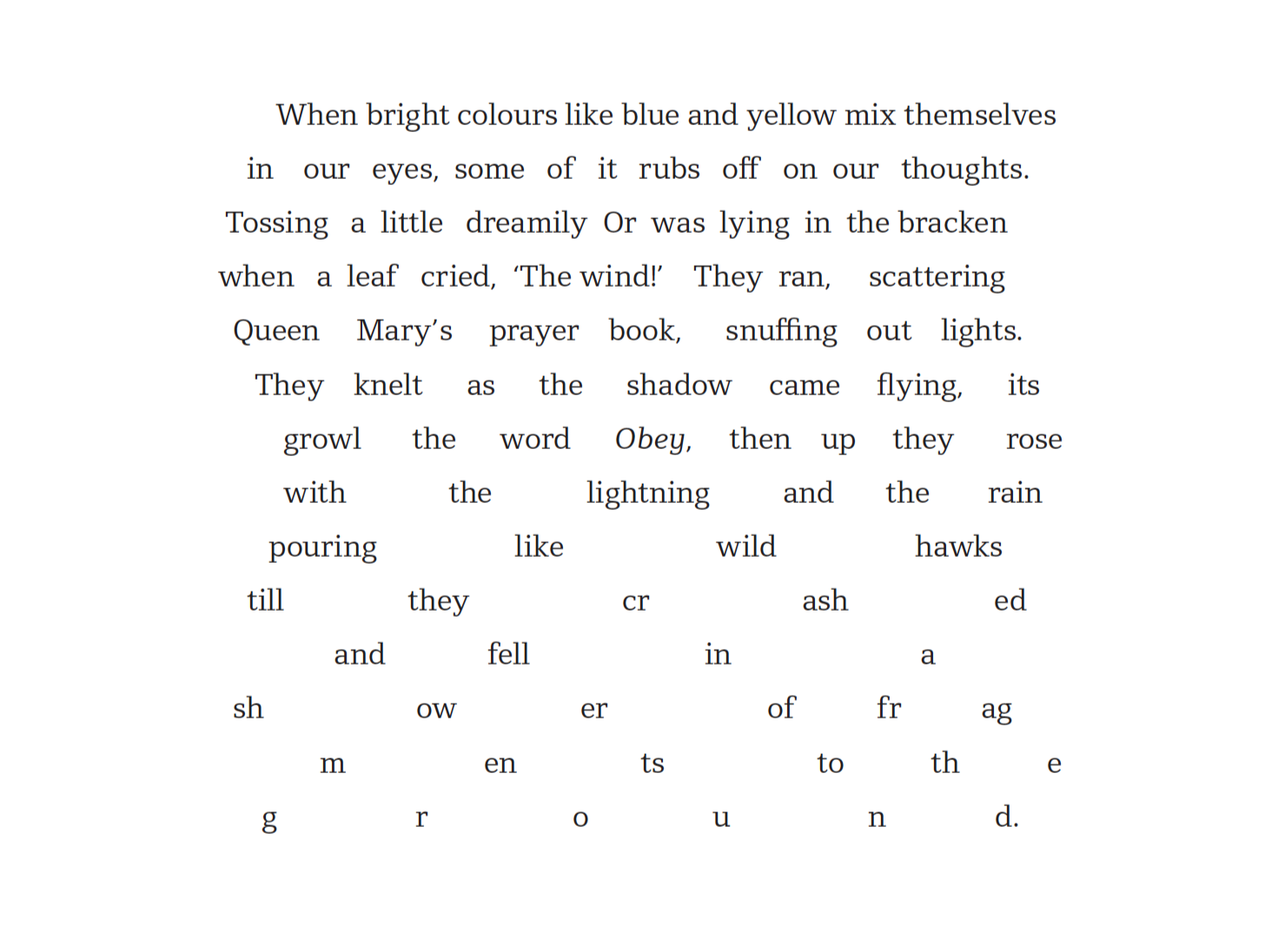
Orlando, as a character, comprises selves that fold out like a string of paper dolls – a figment of Virginia Woolf, of Vita Sackville-West and, now, of Toby Fitch and Fitch’s reimagining as Or. The same tree, a different set of initials inscribed into the love heart, 4eva in transition. Or transcendence.
Toby Fitch does what Orlando cannot do to their 300-year poem ‘The Oak Tree’ – Fitch lets the poem burn, and they stoke its flames.
Some years ago, I burnt a few copies of my own book as a way of reconnecting with it. A poetic self-immolation of sorts, where new growth was forged in the fire. Another shadow self, sprouting alongside its other iterations.
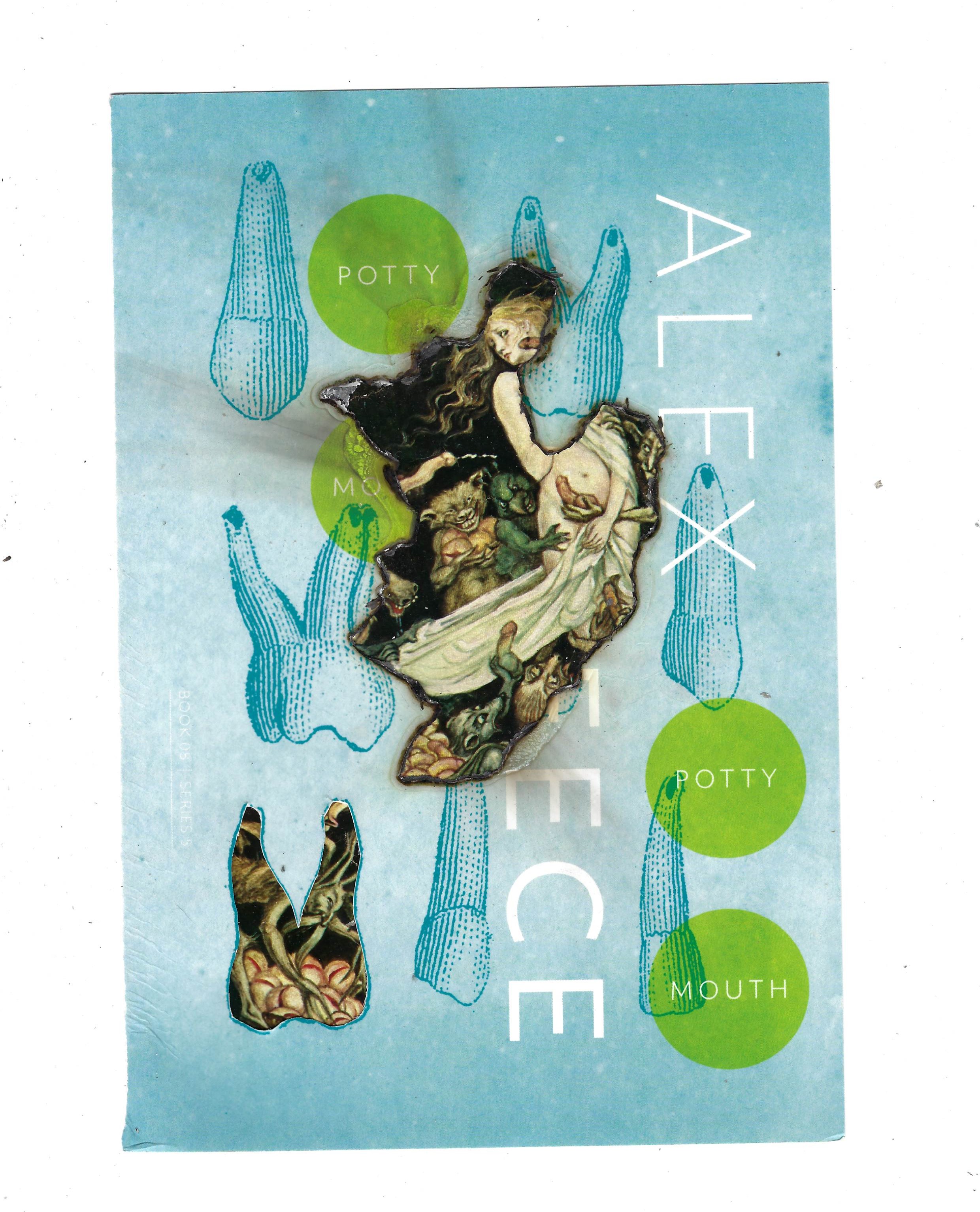
Burnt, cut and collaged cover of Potty Mouth, Potty Mouth.
Poetry feasts on itself like an ouroboros, the way fire breeds fire. Likewise, I throw decaying lemons, with their bird-pocked pith and flesh, back onto the base of the mother tree, which cannibalises the remaining nutrients, feeding back to its own roots.
Or similarly deals with the mimetic, poetic potentiality of self.
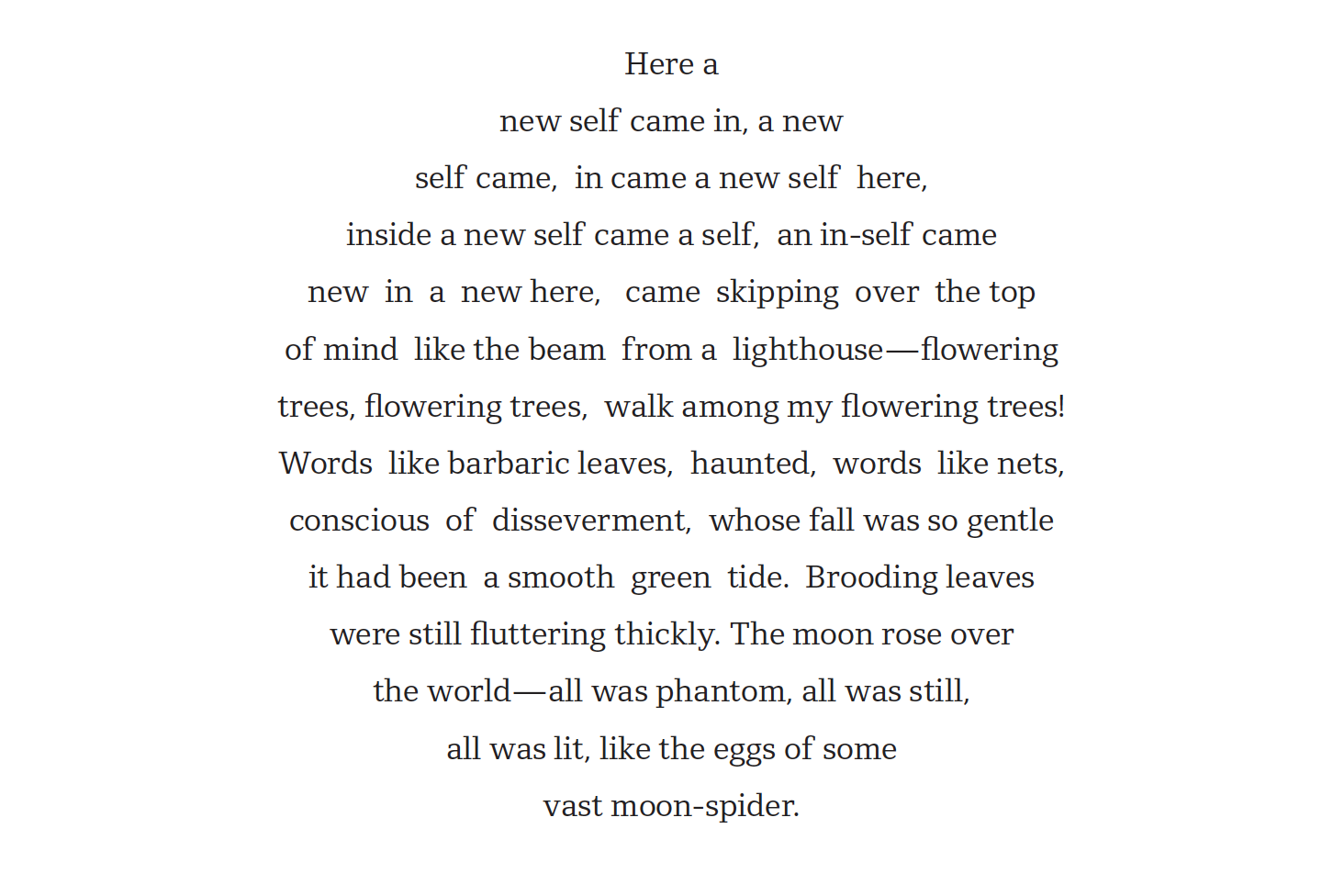
Fitch reveals what is feeding the poem – what organic matter is nourishing the compost. Each page asks, where do you want to look first: the branch or its roots? As chapters end, we see the tree grow into and onto the body with a full-colour collage of Romaine Brooks (a facsimile of Toby Fitch, and/or vice versa), the poem pulsating from a cybernetic heatmap.
Is Virginia Woolf’s original text Or’s burnt branches, or their fossilised bones? And/or/either/both?