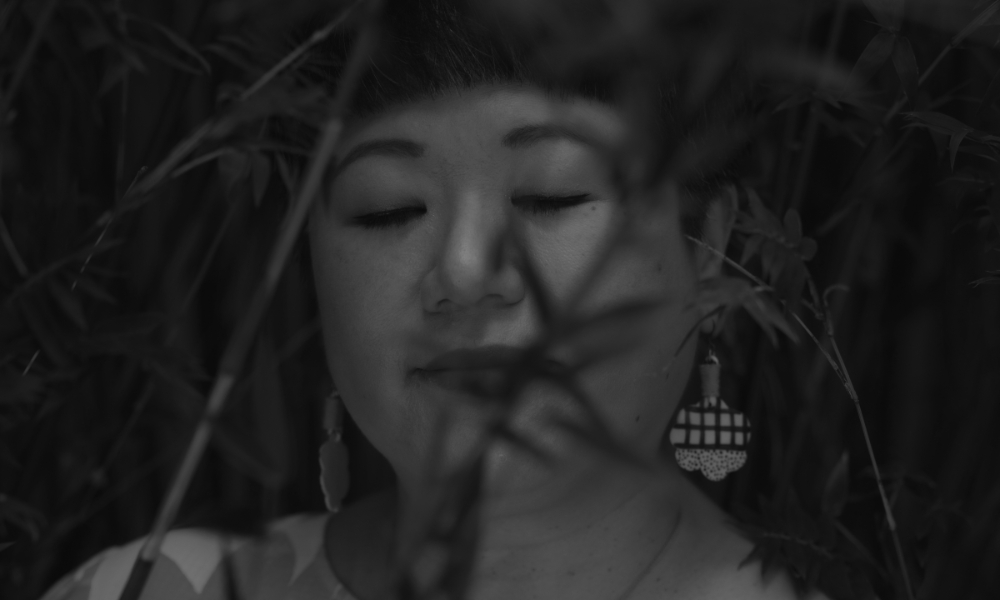
Image by: Travis De Vries
Where do poems come from? Where do they go? Do they ever arrive? Do they end? Do poems talk to one another? Do poets ever listen? Can poems arise from art, history, the present day? Can architecture, design and landscape birth poems? What about objects and memories? Scent and texture? Sound and silence? How do poets respond to form and convention? How do poems become records, explorations and/or explications of such dialogue?
These conversations and exchanges form the shifting, restless basis of poetry. Poetry is alive because we are alive. Poetry is often in dialogue with something else, or maybe even itself. I am interested in what arises when two or more fronts—of language, of the mind, of people, of the world—meet and foment in a poem. I want to eavesdrop on your brain. Please surprise and delight me. Send me your collaborative poems, ekphrastic poems, historical poems, call-and-response poems, after-poems, centos, erasure poems, formal poems, all the poems, as long as they are what you consider to be your best work.
This podcast sheds some insight on how Cordite Poetry Review (and Cordite Books) works.
Submission to Cordite 120: DIALOGUE closes 11.59pm Melbourne time 1 April 2026.
Please note:
- The guest editor(s) has sovereign selection choice for all poems submitted.
- Masthead editors will also contribute to the issue.
- We will only read submissions sent during our official submission periods.
- Please place up to three (3) poems in one (1) Word, RTF or PDF document (unless specifically noted otherwise for special issues), with no identifying details in the document itself.
- We are not able to offer feedback on individual poems.
- Submissions will only be accepted via Submittable …