-
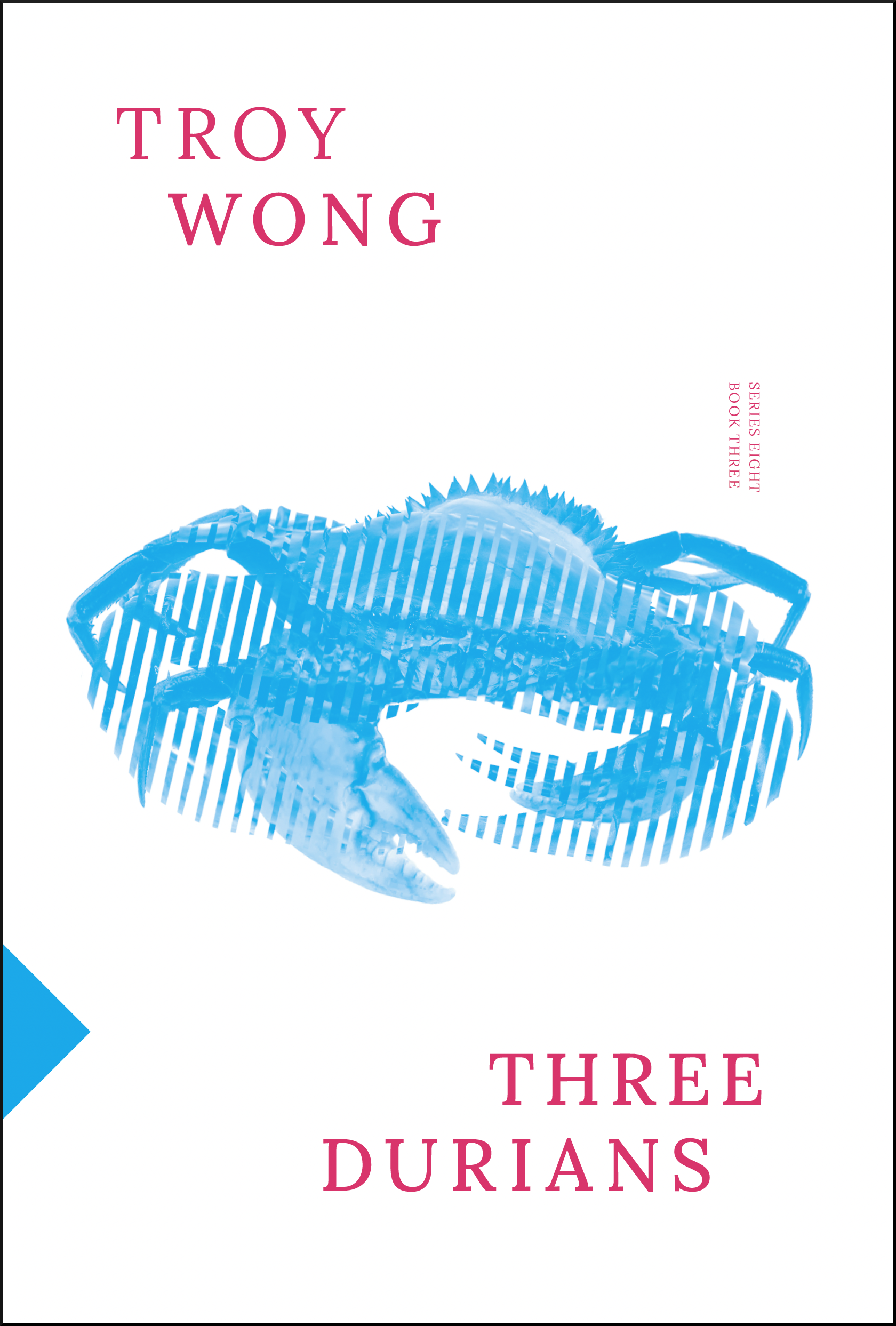
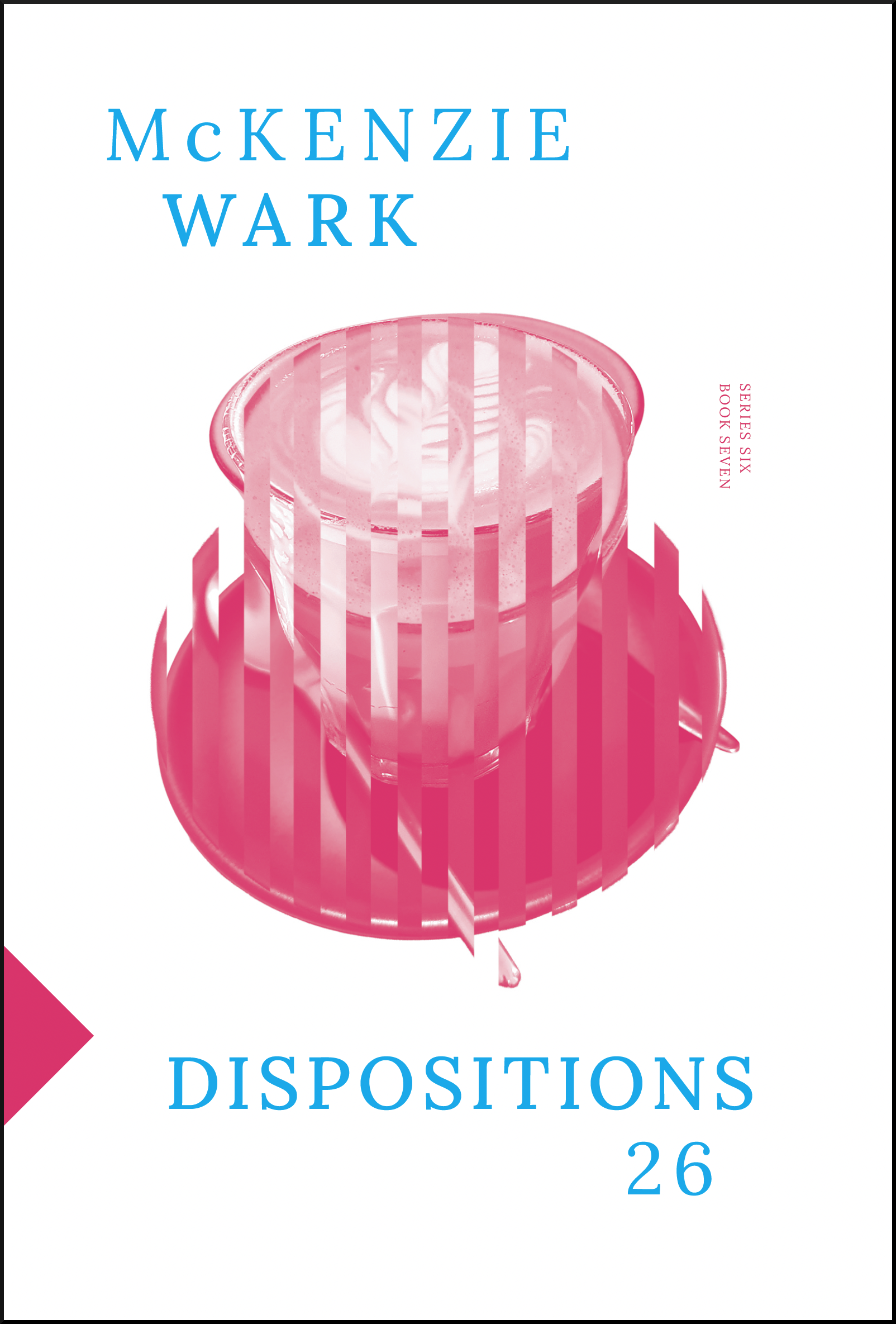
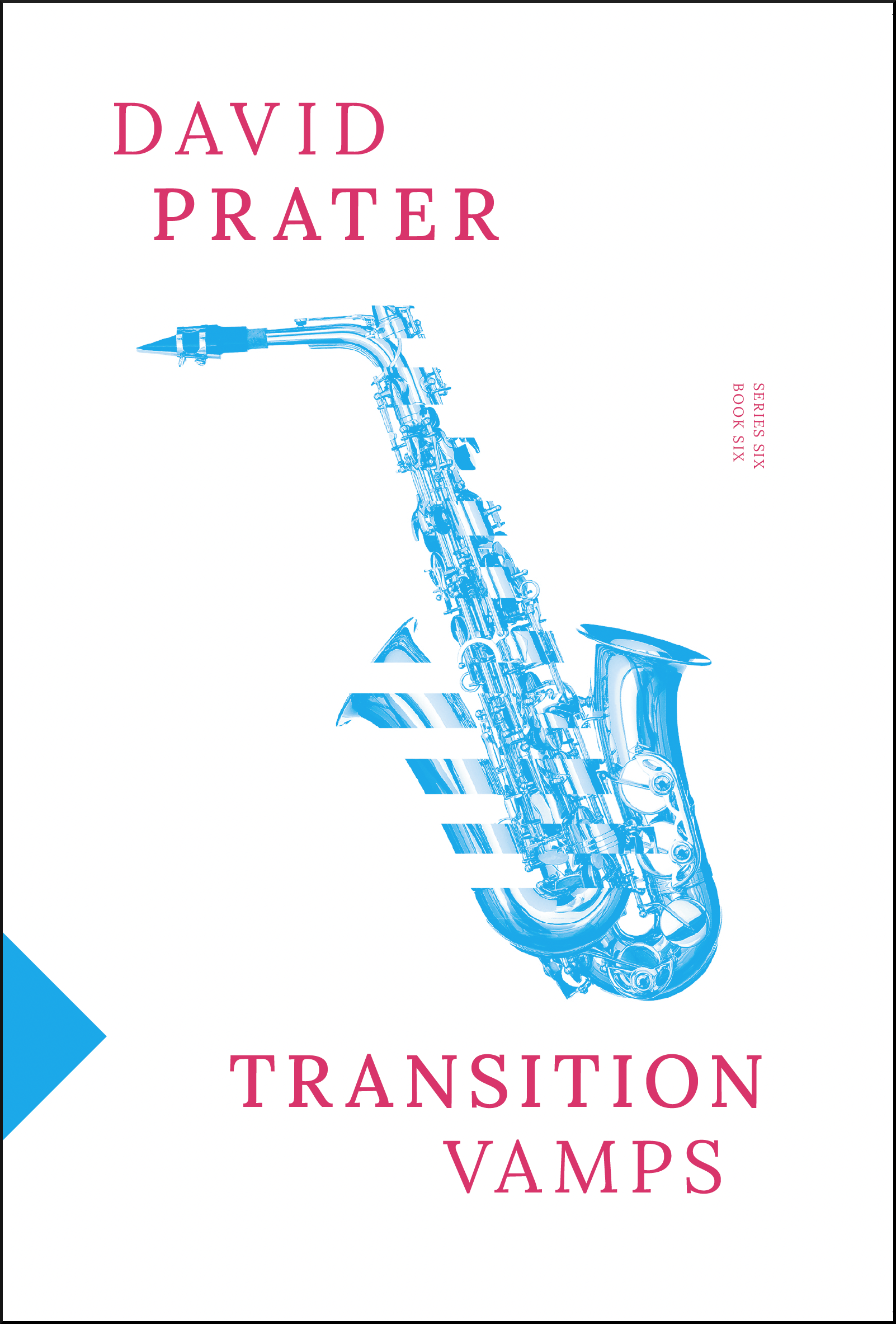
- 121: NO THEME 15with M Beneba Clarke 120: DIALOGUEwith E Chong 119: FITwith E Collyer 118: PRECARIOUSwith A Jackson 117: NO THEME 14with A Creece 116: REMEMBERwith M Sahhar and A Te Whiu 115: SPACEwith A Sometimes 114: NO THEME 13with J Toledo & C Tse 113: INVISIBLE WALLSwith A Walker & D Disney 112: TREATwith T Dearborn 111: BABYwith S Deo & L Ferney 110: POP!with Z Frost & B Jessen 109: NO THEME 12with C Maling & N Rhook 108: DEDICATIONwith L Patterson & L Garcia-Dolnik 107: LIMINALwith B Li 106: OPENwith C Lowe & J Langdon 105: NO THEME 11with E Grills & E Stewart 104: KINwith E Shiosaki 103: AMBLEwith E Gomez and S Gory 102: GAMEwith R Green and J Maxwell 101: NO THEME 10with J Kinsella and J Leanne 100: BROWNFACE with W S Dunn 99: SINGAPOREwith J Ip and A Pang 97 & 98: PROPAGANDAwith M Breeze and S Groth 96: NO THEME IXwith M Gill and J Thayil 95: EARTHwith M Takolander 94: BAYTwith Z Hashem Beck 93: PEACHwith L Van, G Mouratidis, L Toong 92: NO THEME VIIIwith C Gaskin 91: MONSTERwith N Curnow 90: AFRICAN DIASPORAwith S Umar 89: DOMESTICwith N Harkin 88: TRANSQUEERwith S Barnes and Q Eades 87: DIFFICULTwith O Schwartz & H Isemonger 86: NO THEME VIIwith L Gorton 85: PHILIPPINESwith Mookie L and S Lua 84: SUBURBIAwith L Brown and N O'Reilly 83: MATHEMATICSwith F Hile 82: LANDwith J Stuart and J Gibian 81: NEW CARIBBEANwith V Lucien 80: NO THEME VIwith J Beveridge 57.1: EKPHRASTICwith C Atherton and P Hetherington 57: CONFESSIONwith K Glastonbury 56: EXPLODE with D Disney 55.1: DALIT / INDIGENOUSwith M Chakraborty and K MacCarter 55: FUTURE MACHINES with Bella Li 54: NO THEME V with F Wright and O Sakr 53.0: THE END with P Brown 52.0: TOIL with C Jenkins 51.1: UMAMI with L Davies and Lifted Brow 51.0: TRANSTASMAN with B Cassidy 50.0: NO THEME IV with J Tranter 49.1: A BRITISH / IRISH with M Hall and S Seita 49.0: OBSOLETE with T Ryan 48.1: CANADA with K MacCarter and S Rhodes 48.0: CONSTRAINT with C Wakeling 47.0: COLLABORATION with L Armand and H Lambert 46.1: MELBOURNE with M Farrell 46.0: NO THEME III with F Plunkett 45.0: SILENCE with J Owen 44.0: GONDWANALAND with D Motion 43.1: PUMPKIN with K MacCarter 43.0: MASQUE with A Vickery 42.0: NO THEME II with G Ryan 41.1: RATBAGGERY with D Hose 41.0: TRANSPACIFIC with J Rowe and M Nardone 40.1: INDONESIA with K MacCarter 40.0: INTERLOCUTOR with L Hart 39.1: GIBBERBIRD with S Gory 39.0: JACKPOT! with S Wagan Watson 38.0: SYDNEY with A Lorange 37.1: NEBRASKA with S Whalen 37.0: NO THEME! with A Wearne 36.0: ELECTRONICA with J Jones
CONTRIBUTORS
James Smith
The Call to the Creative Commoner: The Digital Humanities and Flexible Copyright
If you try and stand in the way of the open source movement, then you are a counter-revolutionary. You may find yourself blindfolded and up against a crumbling wall, waiting for the collective report that will remove you from the picture and allow the future utopia of free knowledge to inch that little bit closer to reality. Like the hard-liners of the FOSS (Free Open Source Software) movement[ii], the Digital Humanities army marches proudly forward waving its banners and imagining a bright, free future for the Humanities.
Posted in ESSAYS, FEATURES
Tagged creative commons