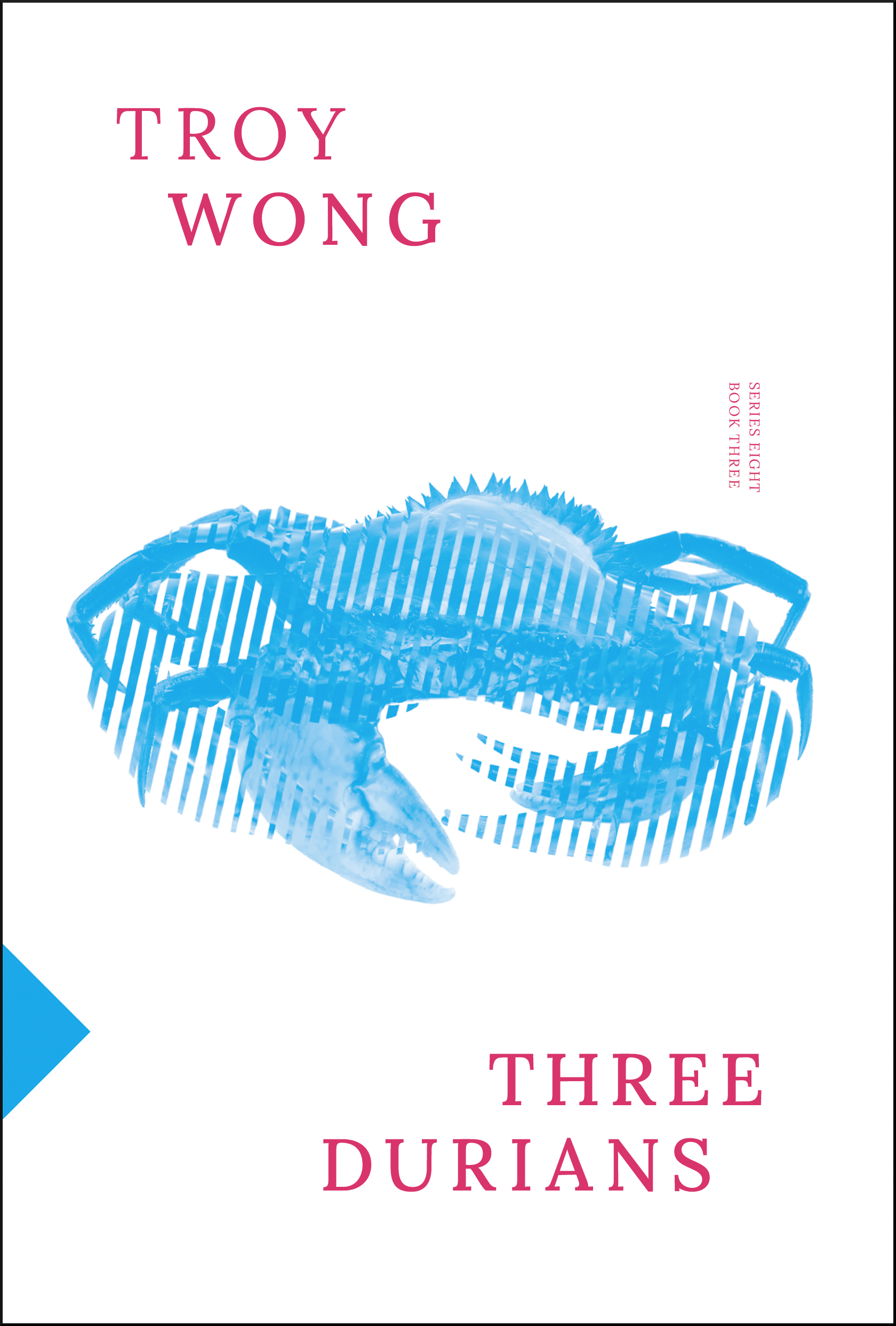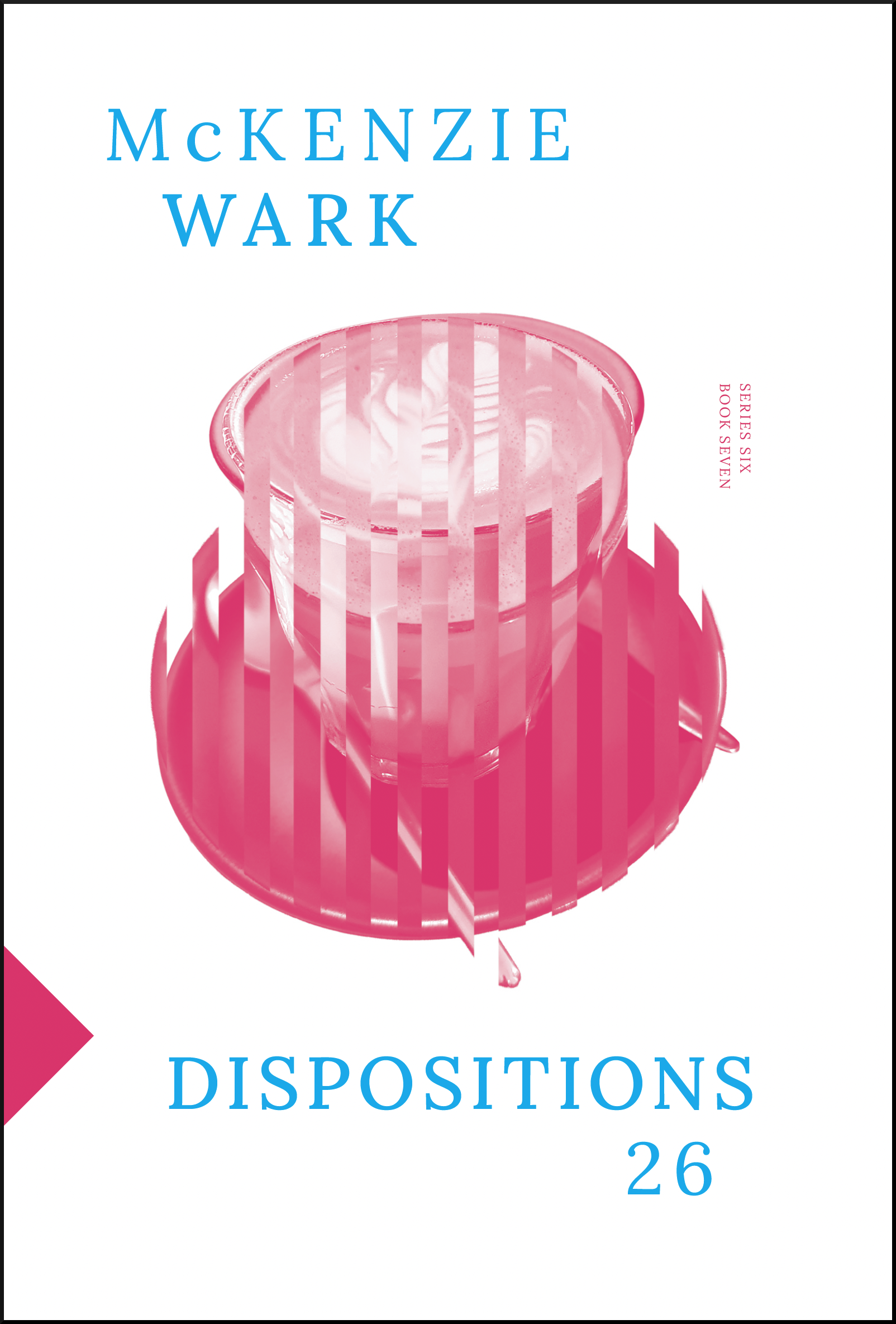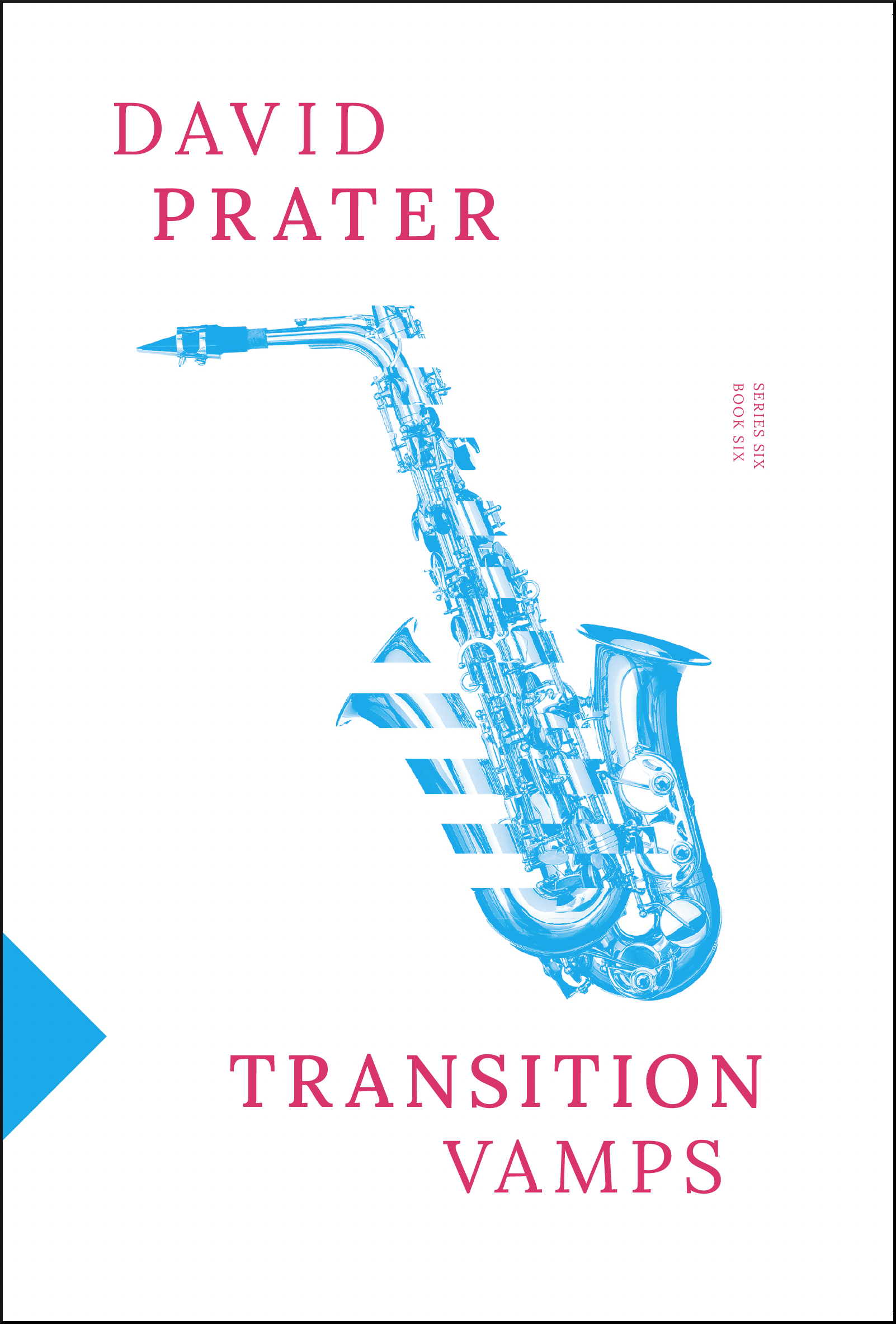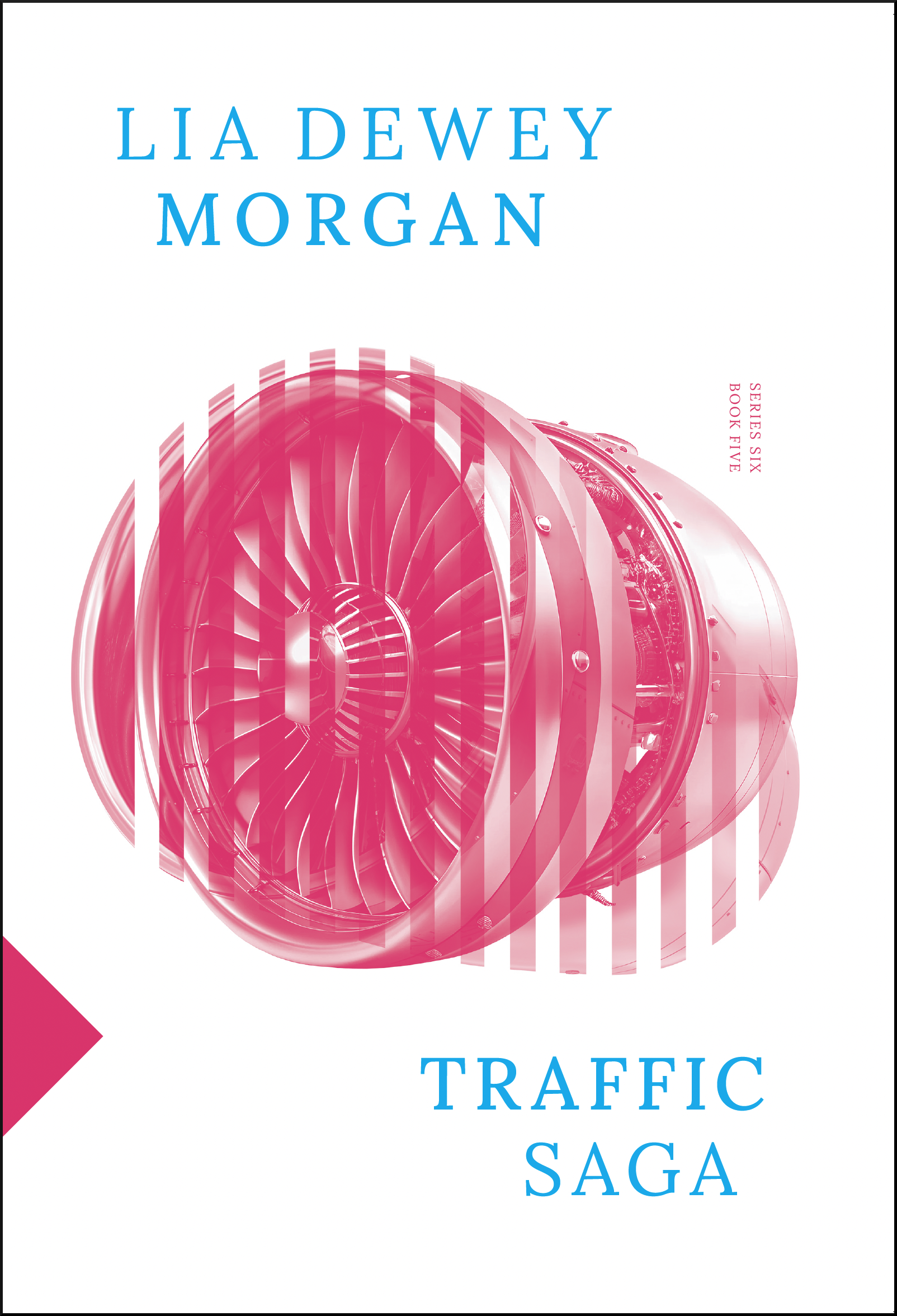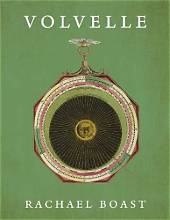
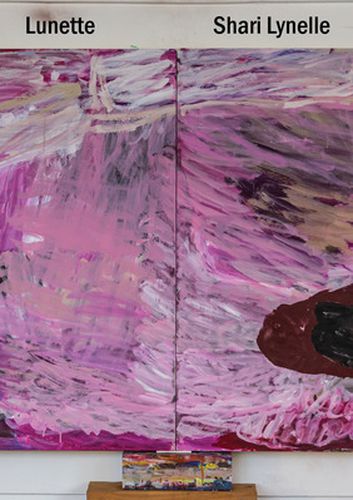
 Volvelle by Rachael Boast
Picador, 2026
Lunette by Shari Lynelle
Rabbit Poetry, 2026
Something uncanny happened while I was reading Rachael Boast’s Volvelle. Moving slowly through the poems, I began thinking of that famous quote from WH Auden’s poem ‘In Memory of W.B. Yeats’: “poetry makes nothing happen.” It’s not unusual that I would think of this. Poets often do, perhaps especially in a country like Australia, where poetry is, even now, still relatively marginal in the public sphere. But we may be particularly drawn to ponder this now because, in our global interconnected precarity, we are also facing a crisis of agency and of dialogue.
Even on first reading, the poems in Volvelle seemed to me to make acutely palpable the urgent need to speak alongside the unavoidably fragile and complex nature of speaking. They seemed to allow speaking to crack open, letting air and otherness in. Just as I was thinking this, alongside Auden’s quote, I turned the page to read the poem ‘Shouting into the Ground’, which ends, “War makes nothing happen.” It was an electrifying reversal because rather than questioning poetry’s capacities, it instead implicitly questions what counts as ‘happening’. War, from this vantage, might be seen as a vacuum of eventfulness, the inverse of the abundant potential of relatedness, of belonging on the earth together.
In this review, I want to think about Rachael Boast’s Volvelle and Shari Lynelle’s Lunette in the light of this reversal. If poetry, as Auden says, “survives / In the valley of its saying” and is “[a] way of happening, a mouth”, what do these poems make happen with their ways of speaking? What do they suggest about power, agency, love and relatedness in a precarious time?
As Lynelle explains in a prefatory essay, lunettes are “crescent-shaped dunes, or mounds, anchored to the lee side of lakes in arid or semi-arid desert zones”. They are “[i]nfluencers and shelter-providers”, “repositories of experience, memory, and happenings” (viii). Lunette is resolutely a collection of such repositories, where art-making, materiality, personhood and place meet and transform each other. They embody a slow, deep, unsettled, feminist mode of attention and (un)making.
In these mobile, capacious poems, speaking is always grounded – literally – in the body, which is contingent on “sovereign ground” (‘Poem with collapsible corners’, 58). These are poems that are humble in the face of the non-human world’s agency. In ‘Poem whose touch of river approaches’, for example, we’re told, “Yes, the eye of a flower can move the sun” (2). In ‘Mobile poem made from paper mâché’, there’s the greeting-invitation, “Hello / bay tree in your pot on the porch, hello wet / blue-leaf-shape: come inside” (13).
This awareness of the vitality of the non-human world is the door to a humble sense of kinship. As Lynelle writes in ‘Balam Balam Place poem in Bunjil’s name’, “when I lay down on the ground // my heart returns / to its birthright beating” (45). To belong here is not approached by straining but by “slowing down”, by listening to the call, “don’t hurry up” (44–45). This belonging, this breathing, isn’t easy, untroubled or historyless. In ‘Meteor poem glancing the unknown’, the predicament of our time, on this land, is presented as:
                                       To live on the wind,

always arriving, or in the scattered weeds of your ancestors,
or in eyes that see Near/Far on country that welcomes
the breathing

 (20)
In Lunette, the contingency and vulnerability of the body are also powerfully signalled in the way the poems undergo sudden transformations of voice, attention or theme. Interruption – the surfacing of other ways of seeing – is always imminent, whether it is another person, another version of the self, animals, the elements, or even the fracturing of experience.
Lynelle’s phrasing – both compressed and elaborate, punctuated with sharp detail yet also subtly cumulative – means these interruptions often land with a jolt, as illumination. ‘Poem out of line’ begins with
Ok, so the base of Pot with Pink Stripes sports a sturdy brown neck perfectly balanced
against the weight skewed asymmetrically to the left, but it depends on the angle of
looking.

(46)
The fact this is a description of a ceramic artwork by Angela Brennan emerges gradually, surreptitiously. What’s more important is the movement of association. Soon, the poet is “reminded of my egg in its cup … Or the moon, hung like a spark box”. The asymmetry and precariousness are not only of the pot, but of the bodied self: “Sexist language was levelled against – I am still untangling the laundry”. Patriarchy infiltrates the poem as it does our lives. In the gallery of the poem, scenes are always juxtaposed and related, and phrases are cut short, their implications dropped into the body of the reader: “To climb these steps, / only a man – ”.
Similarly, ‘Meteor poem glancing the unknown’ weaves together quotes from Sappho, Simone Weil, Anne Carson, Charles Wright and others to examine the interpenetration of fatigue, self-effacement, living on stolen land, autism and empathy, knowledge and unknowing. The poem both incorporates the voices of others and wrestles with them, a model of productive disjunction.
Rachael Boast’s Volvelle also emerges out of an awareness of human vulnerability, the imminence of transformation or hurt. Yet rather than embody that through interruptions of voice, as Lynelle does, here the poems take shape with a more contained and focused attention. The lines are shorter, the stanzas more regular. Substantial white space gives the poems a sculptural stability on the page. But these poems are also intensely lyrical. Whether personal or through persona, they’re so immediately convincing and intimate that their mysteries are planted deep in the reader.
A volvelle is a medieval circular chart made of rotating elements that guides the user’s calculation and understanding of lunar and solar cycles, animal breeding patterns, tides and more. The word in Latin means to turn, the same etymological root that gives us the volta of the sonnet, that shift in thought or argument. Though a volvelle doesn’t appear in the book, its presence hovers over it. Volvelle is always turning to the world, especially to the meeting points of human and non-human, of imminent history and the present “apocalyptic landscape”, of suffering and a contingent making-sense (10).
Tidal forces, insistent and quiet, are the focal point for the subtle disruptions of the poem ‘Oar-bind’ (5). Waves make patterns on the shore, leaving sea wrack and absences. When the speaker reflects “By the time I arrive so much is scored out”, I couldn’t help but think of places of human ruin as well, given the extensive references to war in Volvelle. Considering these discarded things, the speaker describes how they “turn one over, // touch membrane, mucus, salubrious / slippage, to find what is holdfast or flower.” The poem, and the entire book, seems to ask: among the refuse of the world, what is it that might nourish us? What might be our “dark vitamins for dense places”?
Volvelle, wisely, offers no definitive solutions for the disruptions of our time, only sensitised orientations and humane provocations. The collection begins with “The body as heat – the body as poem – world / as body – body as climate – the otherness of bodies” (‘Salt Gland’, 3). The list continues, in both familiar and surprising variations on bodiliness, such that in the end, we are left with an acute sense of being unavoidably porous and vulnerable, and a sense that language itself shares that condition. The book, intriguingly, ends with an inverted (and slightly remixed) version of the list (‘Body Double’), reminding us that while we may travel across other times and voices, we always return to “body as retreating horizon” and to “mind shaped by body” (51).