The poems on the following pages include several specific examples of mycoforms: a bifurcating hymenial mycoform, a mycorrhizal mycoform and a parasitic mycoform. Each translates a feature of fungal morphology or behaviour into a different compositional constraint.
The hymenial mycoform borrows structural features from the hymenophore – the spore-bearing structure of a mushroom. In many mushrooms the hymenophore consists of gills; in others it may consist of pores, teeth, folds, or a smooth surface, offering abundant possibilities for fungal formal invention in this one area alone.
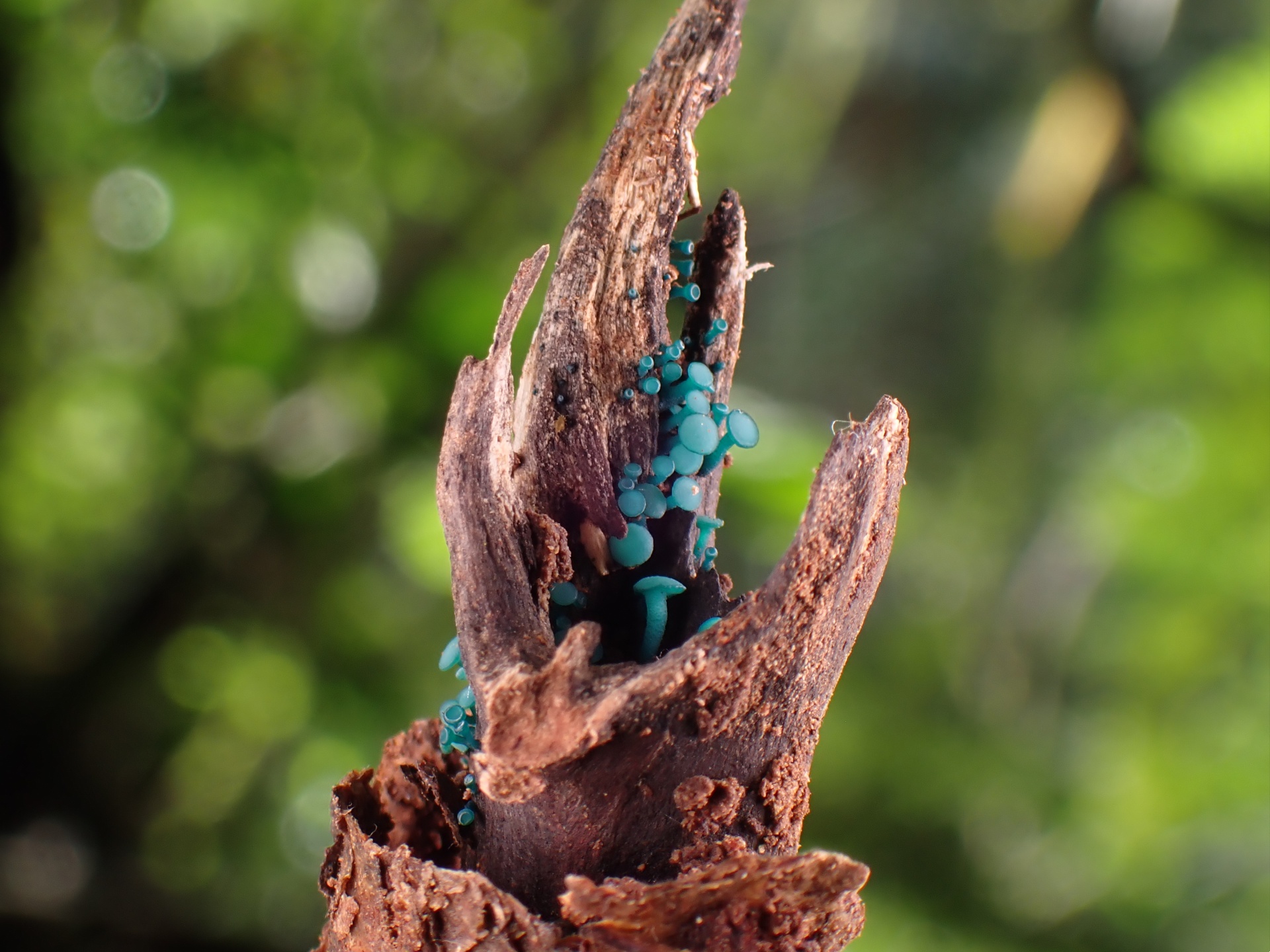
More specifically, the example borrows from the structural elements of gilled mushrooms. Gills frequently appear in regular patterns or series and in some species they bifurcate, splitting as they extend. These morphological features can be translated into variations in line and stanza lengths, breaks, meter, rhythm, visual presentation, syntax, repetition and semantic association.
A bifurcating hymenial mycoform, as demonstrated on the next page in ‘Through Frankie’s Fur’, begins with one or more primary syntactic stems, each of which generates two or more secondary phrases that may themselves branch further. The branches may operate through visual lineation, indentation, syntax, repetition, semantic association, or thematic recursion. The poem therefore follows a bifurcating logic, splitting in narrative directions or threads of association.
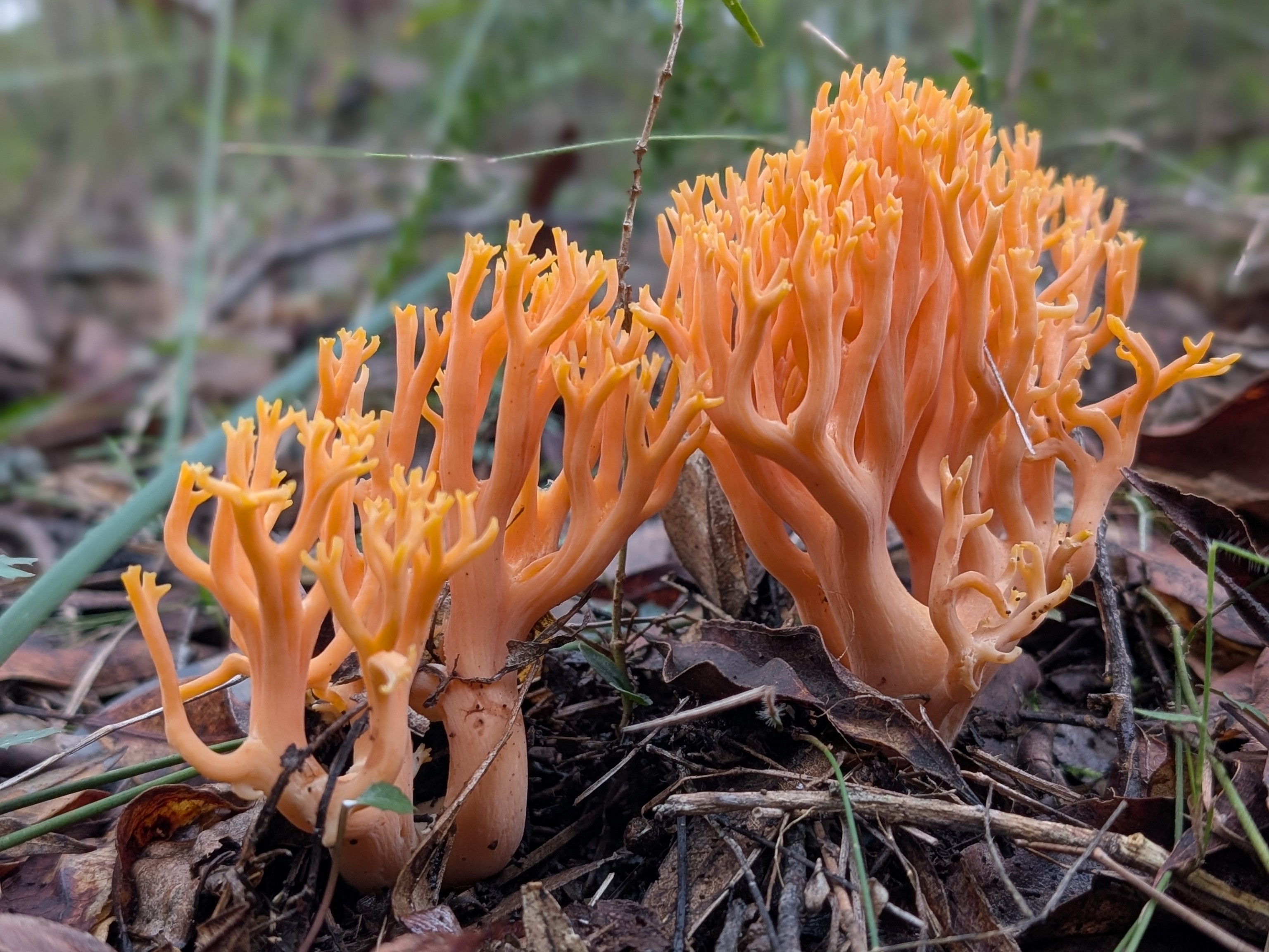
There are many other directions mycoforms might take, based on the processes or logic of mycorrhizal relationships, symbiosis, anastomosis (splitting and reconnecting), saprophytism (decay) and parasitism. A mycorrhizal mycoform, for instance, might consist of multiple independent poems that share textual material functioning as a connective network, analogous to the networks formed by mycorrhizal fungi and their plant partners in the forest. The shared material should retain grammatical and semantic meaning within each individual poem while producing a new meaning when the poems are read together. Each piece should stand alone as a separate poem, but together they converse, allowing a broader meaning to emerge through their connection. The poems may change the meaning of the shared textual material and, in turn, be changed by it.
Similarly, a parasitic mycoform may follow the logic of a parasitic fungus, like those in the genus Ophiocordyceps, which infect insects and arachnids and exert influence over their behaviour before killing the host and sporulating from the corpse. This may take the form of one poem growing in, on, or around another, eventually subsuming it in some way. The language and meaning of the parasitic poem should infect and alter the host. The poems remain independently readable, while their entwining allows language and meaning to pass between them, generating further meaning through their relationship. Or, conversely, they may intertwine to a point of convergence.
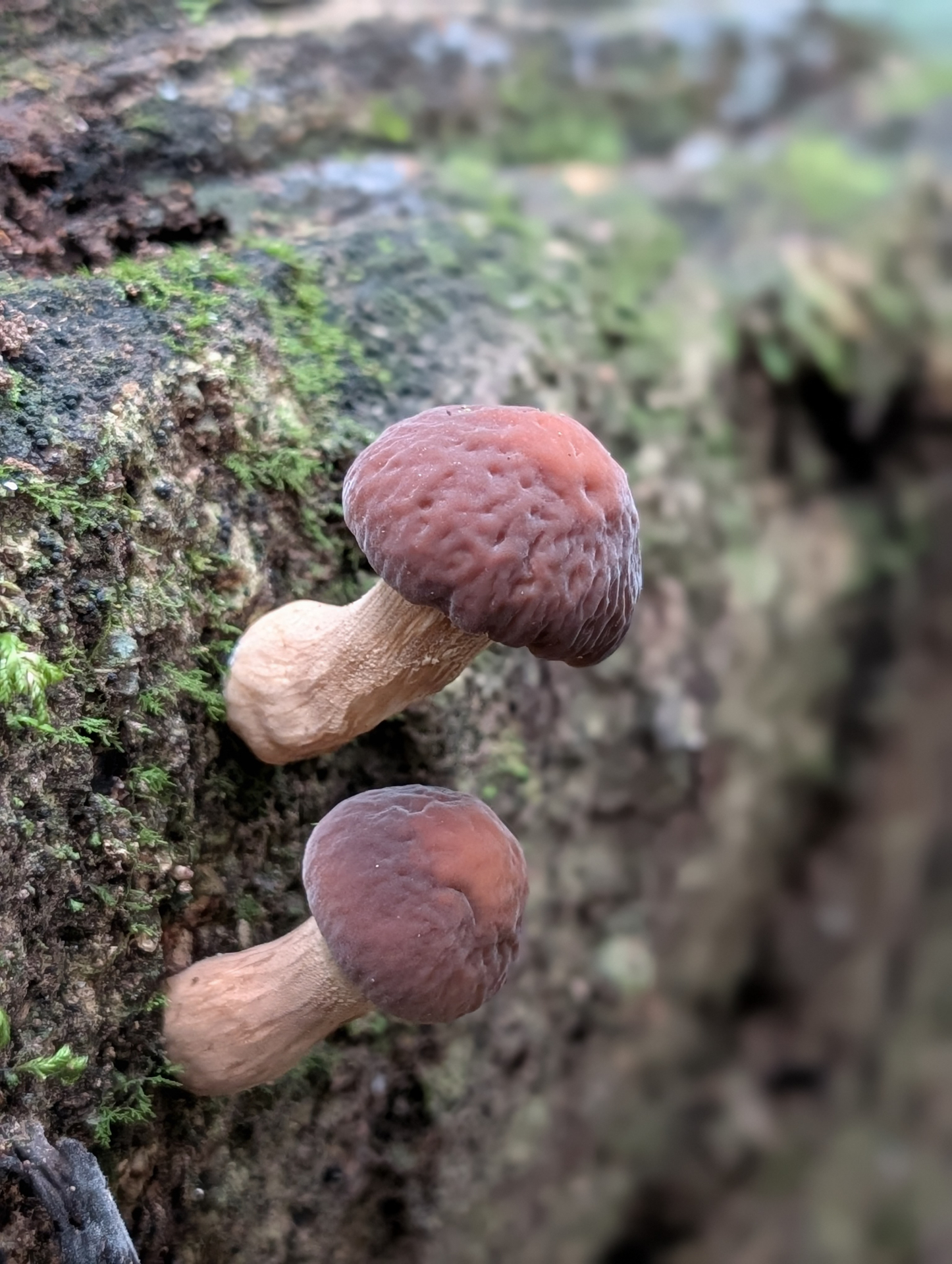
The three poems that follow translate these fungal structures and processes into poetic ones. Each imposes a different fungal logic or constraint, allowing the poems to grow within it.
What separates these examples is that the borrowed fungal feature is not simply an organising metaphor or visual analogy; each produces a defined compositional process or constraint operating independently from the poem’s subject.