
INTERVIEWS
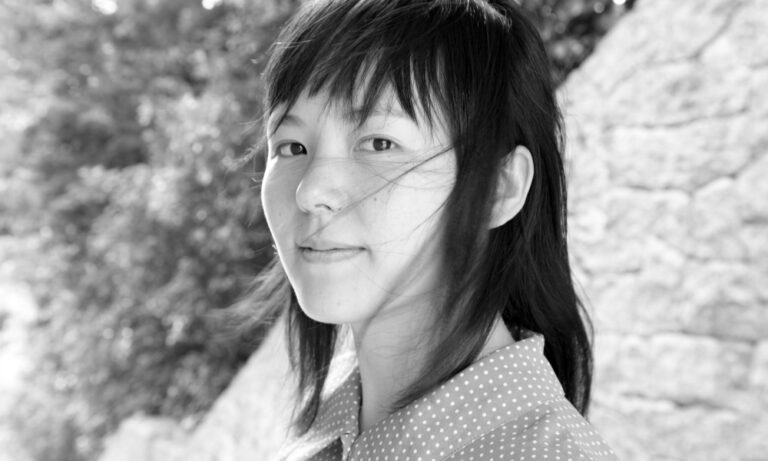
‘Language observes the body, and the body further observes language’: Shastra Deo in conversation with Natsumi Aoyagi
“We should practice realising that we haven’t been adept at recognising time,” says multidisciplinary artist, mangaka, and poet Natsumi Aoyagi. Described by the 28th Nakahara Chūya Prize judges as a key representative of the future of Japanese poetry, Aoyagi-san consistently pushes the boundaries of poetry and art’s potential as containers of observation, story, and temporality.
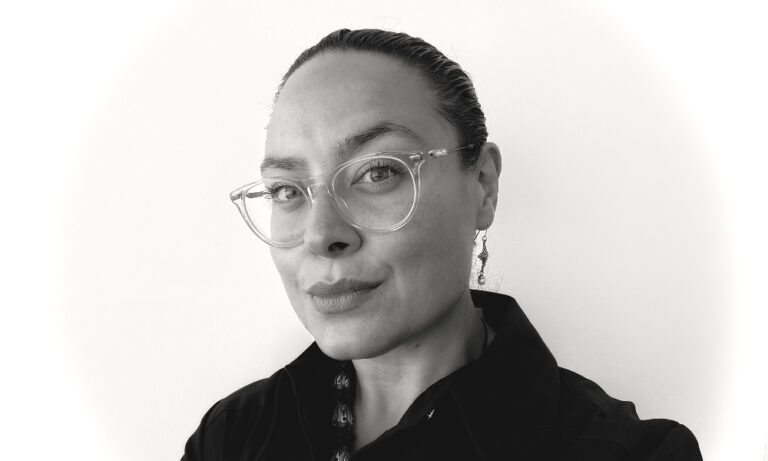
‘Beyond the state’: Dominic Guerrera in conversation with Dr Latoya Aroha Rule
The personal is always obviously political, but the personal for us as Indigenous people is also steeped in Country. We cannot exist without it, nor can our relationships with each other.
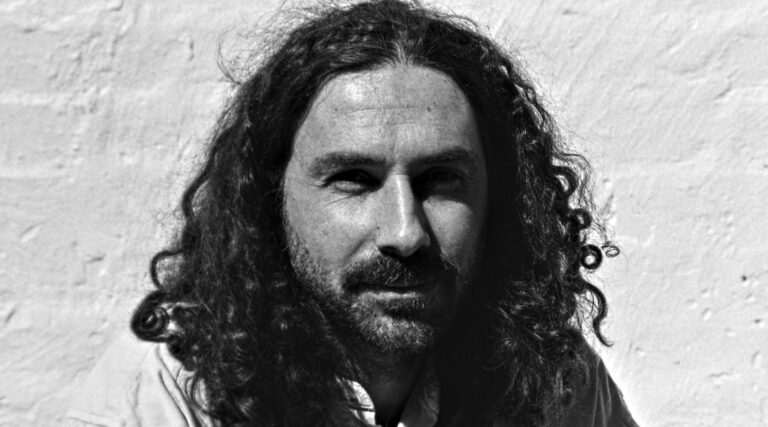
‘To be a child is to be human’: Abbra Kotlarczyk in conversation with Ender Başkan
Ender and I first met during a brief encounter at a mutual friend’s house exhibition in Brunswick East, Naarm/Melbourne, well over a decade ago. My oldest kid is now 9, so I know it was more than ten years ago, but often the timelines blur into these loose categories of ‘before’ and ‘after’: the before and after of having babies, of writing poetry again, and of understanding the meaning of the word ‘oxytocin’ in this new, rapturous way.
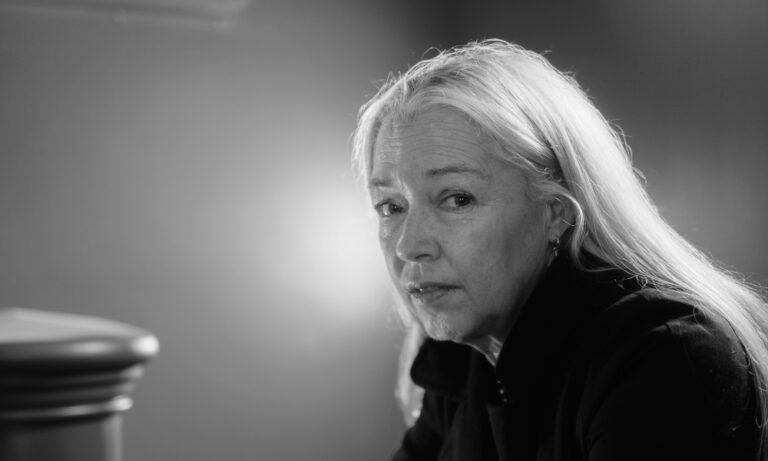
‘Slippage that can still crystallise and articulate’: Melinda Bufton in conversation with Jacinta Le Plastrier
In her debut poetry collection, these memories require (Puncher & Wattmann, 2025), Jacinta Le Plastrier responds to extraordinary thinkers whose work on trauma, survival and resistance has created communities, nationally and globally, for writers and audiences alike. The volume took 12 years to create, based on a lifetime’s engagement. Addressing the extreme, unsettling themes of familial gendered and sexual abuses, this is what she ‘writes back to’ when speaking on the book as ‘incestuous violence’.
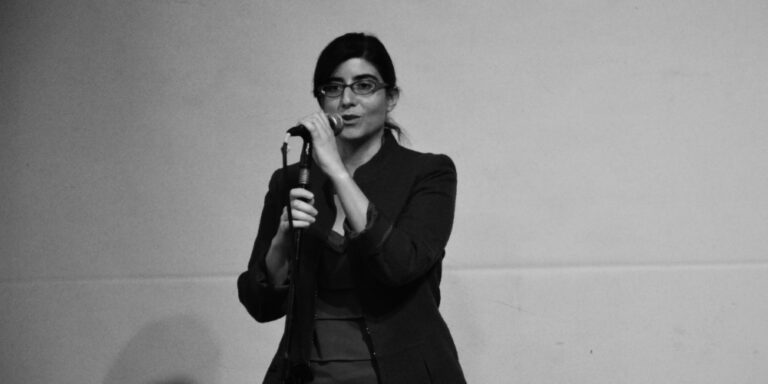
‘Keeping time together’: Andy Jackson in Conversation with Eleni Stecopoulos
I first heard of the work of Eleni Stecopoulos while in the US in 2013. I was in San Francisco to spend an afternoon chatting and swimming with Petra Kuppers and Neil Marcus, both disability culture activists and writers. Eleni had at the time been working on a series of public conversations and programs at The Poetry Centre at San Francisco State University called The Poetics of Healing. Eleni is a poet and an essayist whose work on embodiment is always political, and vice versa. Petra had hoped to introduce us, but the timing wasn’t right.
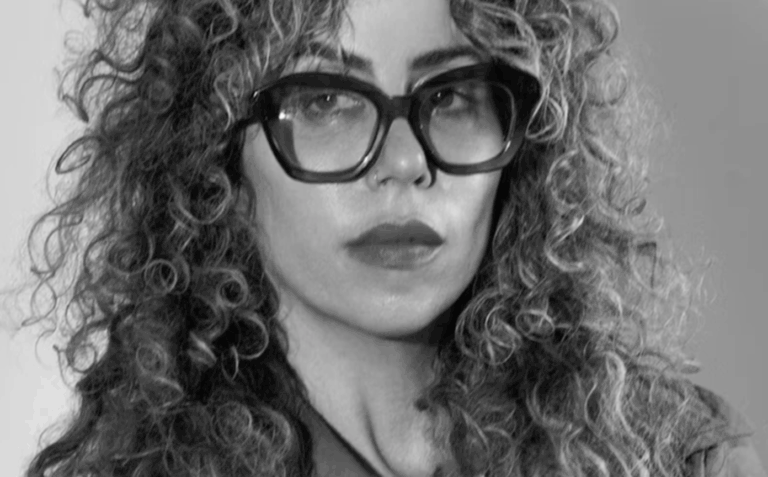
‘Facing the threat of our own destruction’: Ariana Reines in Conversation with Eva Birch
I was first taken with Ariana Reines’s poetry during the Melbourne pandemic lockdowns – one of the longest lockdowns globally. I was part of an online poetry reading group reading modern and contemporary American poetry, including Reines. I wasn’t reading much otherwise, but A Sand Book (2019, Tin House Books) was a comforting object with a strong aura on my bedside table.
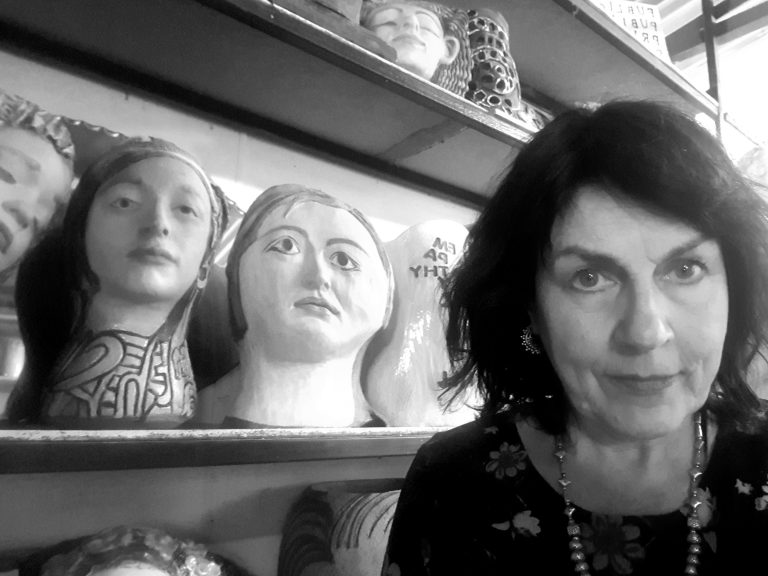
‘We’re all containers for each other’s emotions’: π.ο. in Conversation with Sandy Caldow
I first met Sandy Caldow about 30 years ago at Qdos gallery in Lorne, a seaside town in Victoria, where i read poetry for an exhibition. We met up again in Melbourne after she’d left Lorne and moved into a house in Preston – was i in for a surprise! Shifting a worker of clay, like Sandy, into a new studio is a mammoth enterprise – the lift and shift of it is enormous – i pleaded with her to make ‘thimbles’ instead, but she was undeterred.
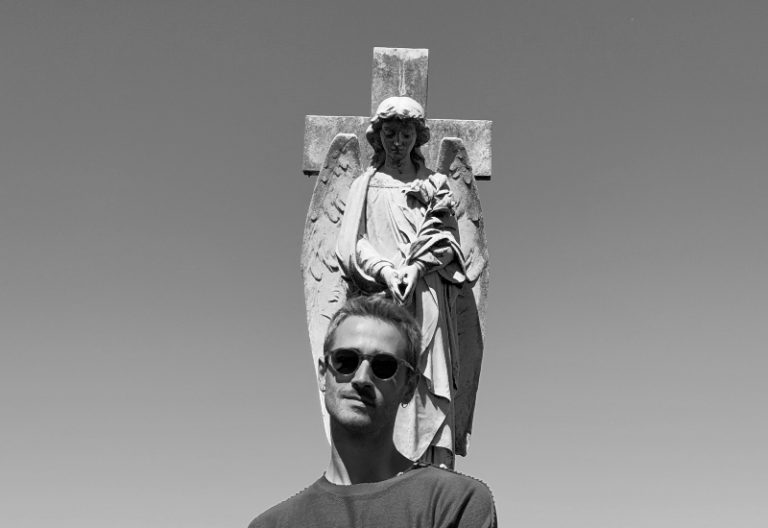
‘The tension between reality and fantasy’: Georgia Kartas in Conversation with Sholto Buck
I first experienced Sholto Buck’s poetry on stage before encountering his poetry on the page, as shared with me via a mutual friend – one of the few people whose taste I trust. Fittingly, this interview is based on a …
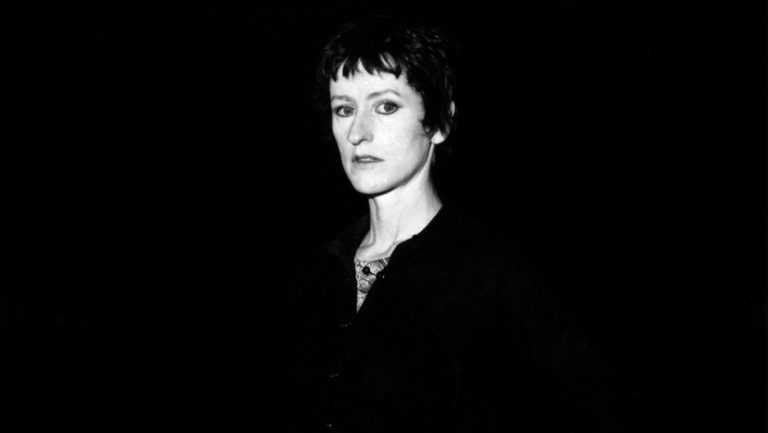
‘If I could see what’s coming, I’d run a mile’: Gareth Morgan in Conversation with Gig Ryan
Gig Ryan is known for writing unusual, and challenging poetry. She published her first collection, The Division of Anger, in 1980. Ryan’s most recent collection, New and Selected Poems, was published in 2012. There is a lot to say. To begin, I think of lines that stand out through sheer intensity: ‘this slop hovering in the background like a new Hawaii’, from the poem ‘So What’ in Manners of an Astronaut (1984) is one of the scariest and funniest images / insults I have ever encountered.
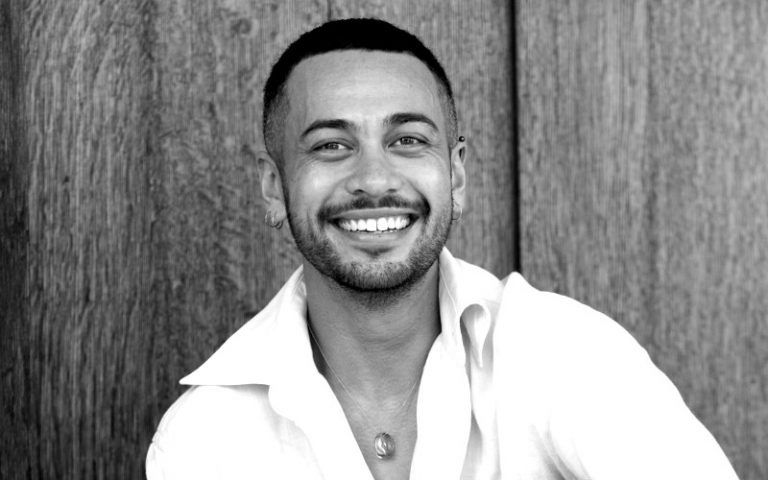
‘Fa’afatama identity and healing through poetry’: Dani Leever in Conversation with Rex Letoa Paget
Rex Letoa Paget is a Samoan/Danish fa’afatama crafter of words. Born in Aotearoa, Letoa Paget is now living on the unceded lands of the Wurundjeri people. His poetry and storytelling are his compass through space and time. The below interview explores his poetic offerings as lessons, learnings, and acknowledgments for the timelines and traditions of yesterday, today and tomorrow.
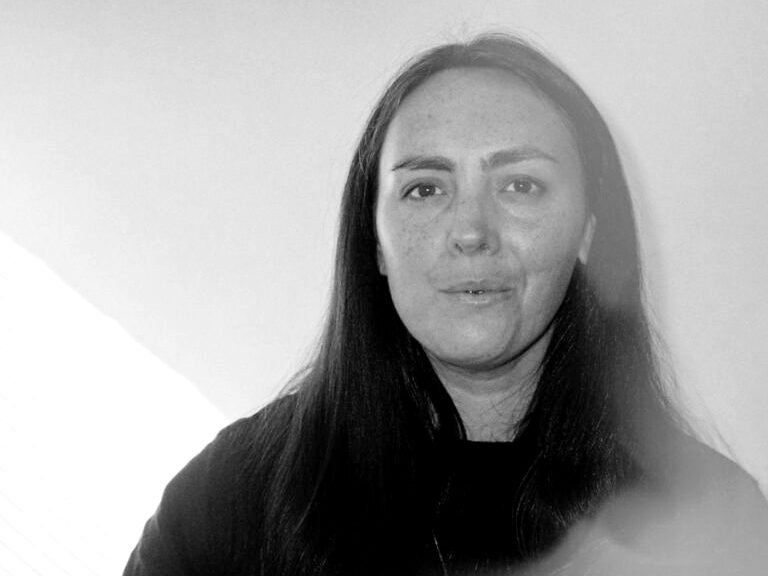
‘Language is sculptural material’: Manisha Anjali in Conversation with Susie Anderson
Poets traverse barefoot through immaterial places like the past, the future, and dreams. The container that houses the immaterial is the body. It is Country. Wergaia and Wemba Wemba poet Susie Anderson’s debut collection, the body country (2023), is a timeless capsule in which the material and immaterial are swirling in figure eights and where the self metamorphoses over and over in a delicate surrender to the infinite rhythms of Country.
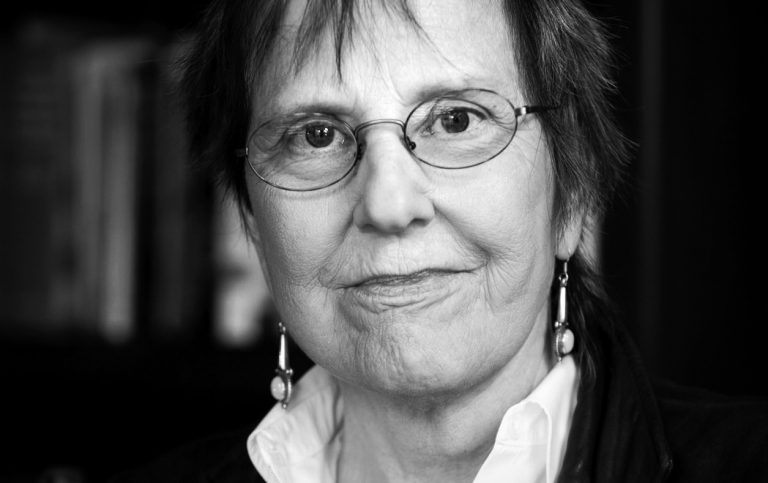
‘The absence of certainty’: Kate Lilley in Conversation with Rae Armantrout
In September 2024, Rae Armantrout, the Pulitzer Prize-winning poet from the United States, visited Australia and spoke with prominent Australian poet Kate Lilley. Below is an edited transcript of their conversation, introduced by Monique Rooney from the Australian National University.
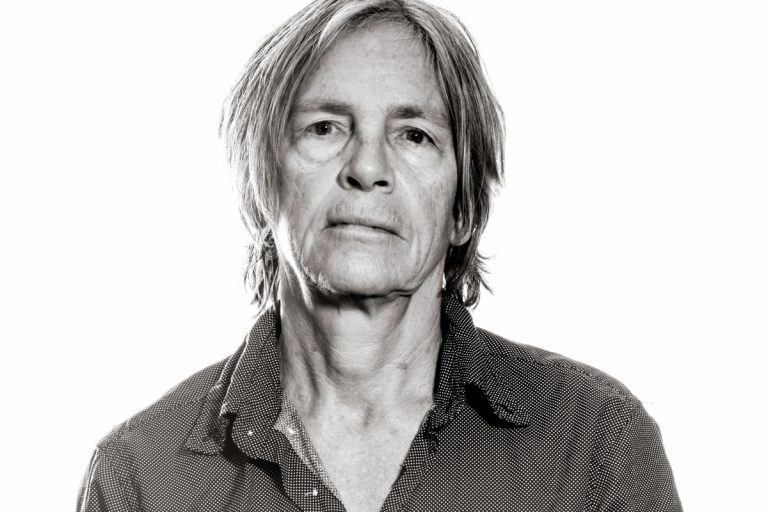
‘Writing has to be a place of liberation’: Sophia Walsh in Conversation with Eileen Myles
It is difficult to interview someone with a career spanning approximately forty-five years and an oeuvre that has profoundly affected me. It is also difficult to introduce them to an audience of readers, so I will set the scene instead: Eileen dons a blue t-shirt and sits on a spinning office chair in front of a large whiteboard with visible notes on it.
‘The poem in progress is molten, malleable’: Cassandra Atherton in Conversation with DeWitt Henry
I met DeWitt Henry on an online poetry reading series, LitBalm. I’d read his book Sweet Marjoram: Notes and Essays (2018), and I knew he had founded the famous literary journal Ploughshares, and was an emeritus professor at Emerson College.
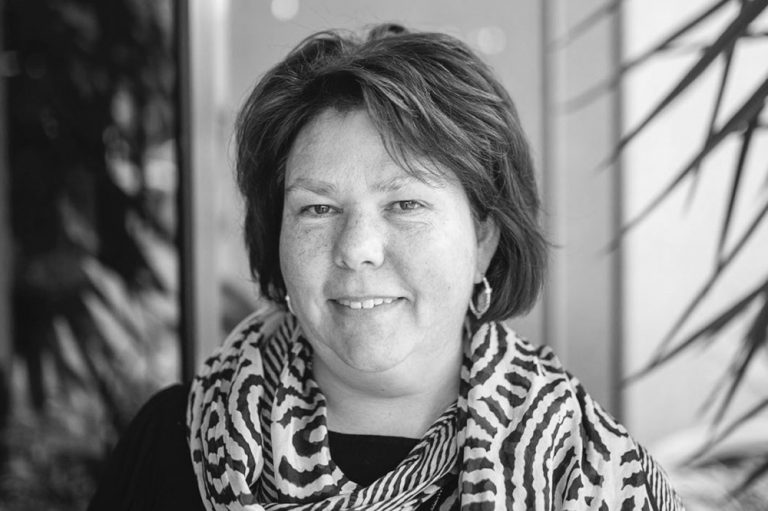
‘In the night air by the smoke’: Amelia Walker in Conversation with Barrina South
I also want to acknowledge Ngunawal and Ngambri people and recognise that I live and write on their unceded sovereign lands.
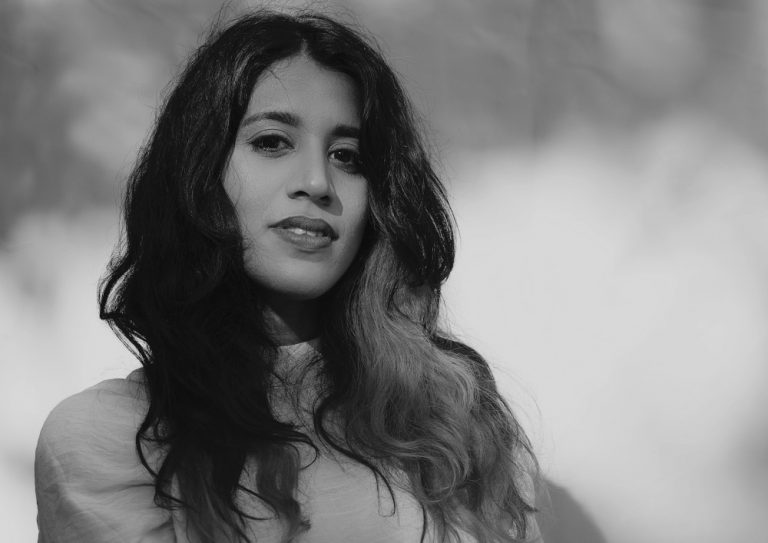
‘Constellations and contradictions’: Chelsea Hart in Conversation with Elena Gomez
I first heard of Elena Gomez when a friend of mine who was living in London DM’d me a link via Instagram with the message ‘another commie poet in Melbourne!!’. I had just started writing poems, so this was kind of like when a parent notices you are in an awkward phase of identity, and naively suggests you hang out with the cool girl at school who is two years above you.
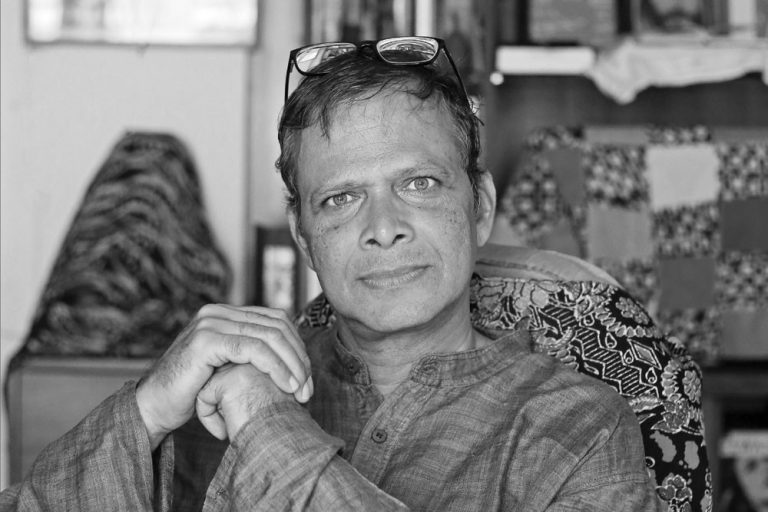
‘I am happy to disport in any language that will have me’: Lia Dewey Morgan in Conversation with Jerry Pinto
I must admit that I discovered the language Saint Tukaram spoke, Marathi, in the same breath that I found his poems – a robed form of Saint Tukaram first appeared to me on the cover of a book that was buried in the classics section at the hypermodern Lulu’s mall, in Kochi, India.
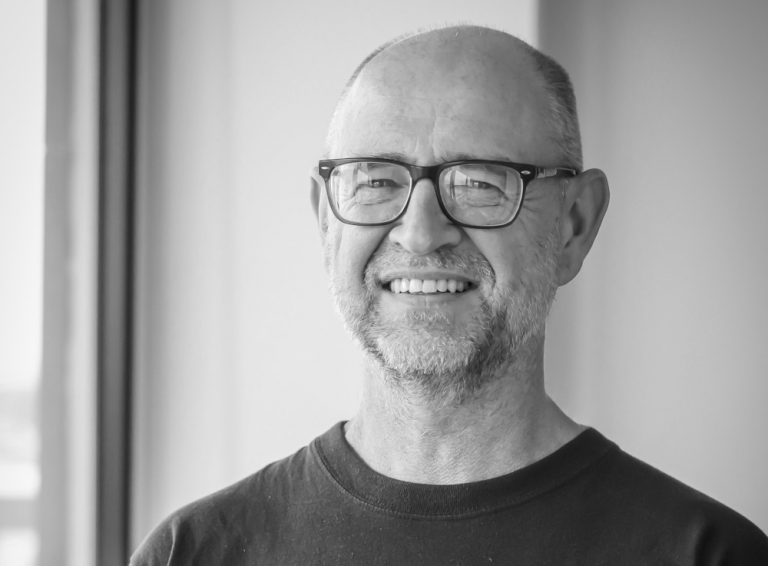
‘Bombala Boss’: Harry Reid in Conversation with Michael Farrell
How on earth to interview Michael Farrell? I once introduced Farrell at a reading as one of my ‘top five dead or alive’ Australian poets. I still believe this to be true. I once watched him eat a falafel during the open mic section of a poetry reading in Sydney. Once, while driving the work van, I saw Farrell on the way to the pool and honked the horn, realising later he’d have no idea it was me. What does this all mean?
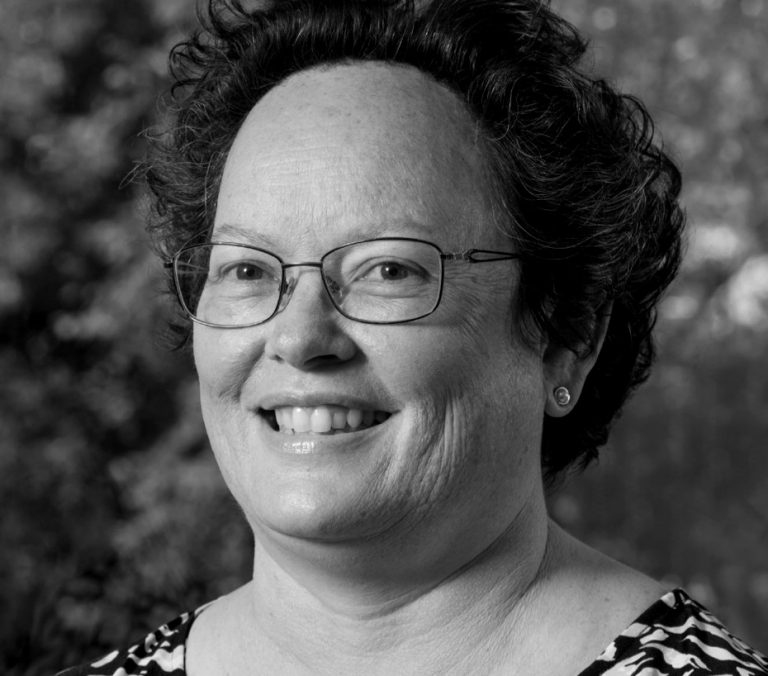
‘Share what you’ve learned’: Amelia Walker in Conversation with Samantha Faulkner
Samantha Faulkner is a writer and poet from Badu and Moa Islands in the Torres Strait and the Yadhaigana and Wuthuthi/Wuthati peoples of Cape York Peninsula. She is the author of Life B’Long Ali Drummond: A Life in the Torres Strait (Aboriginal Studies Press, 2007) and editor of Pamle: Torres Strait Islanders in Canberra (Kuracca, 2018) as well as the forthcoming nonfiction anthology Growing Up Torres Strait Islander in Australia (Black Inc, 2024).
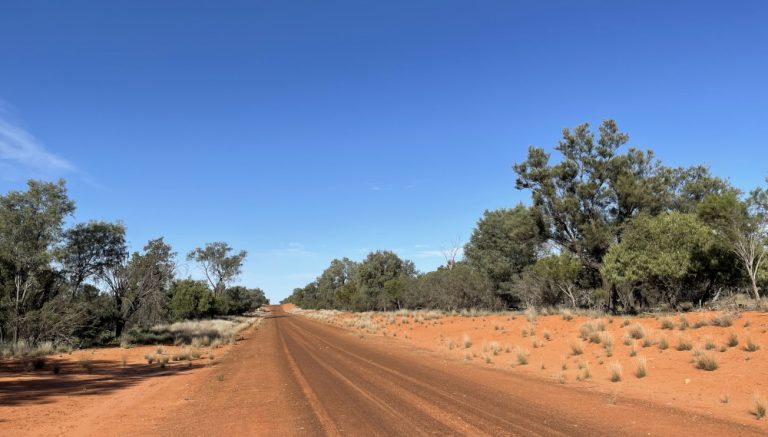
‘The Edge of Reality’: Paul Magee in Conversation with Paul Collis, Jen Crawford and Wayne Knight
Chapter 4, which follows immediately below, was composed later that afternoon, when we stopped at an Information Shelter on the red dirt road back to Bourke.
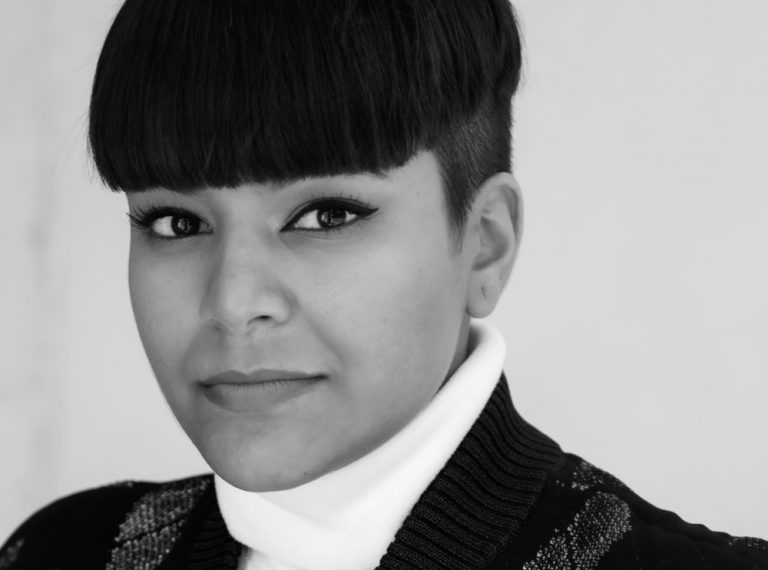
‘The slippage of speakers’: Lia Dewey Morgan in Conversation with Shastra Deo
Shastra Deo’s writing effortlessly transcends cultural rifts, striving from modernist allusion through indulgent fan fiction and out into something entirely unique.
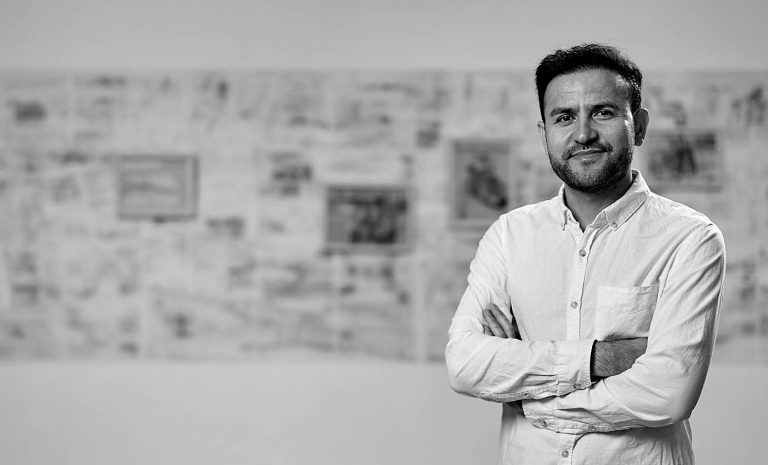
‘It turns into a new language’: Saaro Umar in conversation with Elyas Alavi
And once you’ve gone, you can’t come back anymore. The almost-end of an exchange that comes close to passages between James Baldwin’s David and Giovanni; here between the voice of Magaye Niang and Marène Niang, as she glides naked across thick Alaskan snow, breasts upwards, the foreground close to the colour of the sky, she replies, I think I’ve already heard this song.
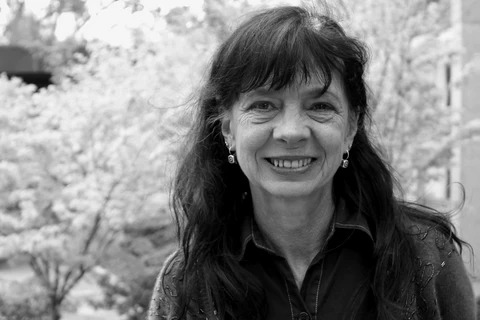
‘Like all change, it happens in the margins’: Joan Fleming in conversation with Jeanine Leane
Jeanine Leane and I met in the Spring of 2022 to plot this interview over coffee. Jeanine has a quick, ferocious intelligence that moves associatively, while her fingers make languid circles in her hair. She is fine-boned and extremely upright.
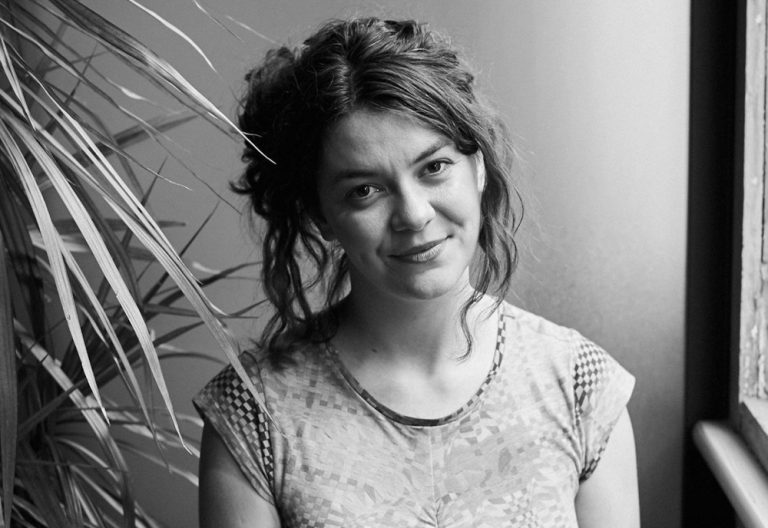
‘Collective generosities’: Sara M Saleh in Conversation with Jazz Money
Jazz Money is a poet and artist of Wiradjuri heritage creating work across installation, digital, performance, film and print. Money’s first poetry collection, how to make a basket (UQP, 2021) was the 2020 winner of the David Unaipon Award.







